Nebraska Antelope Draw Odds
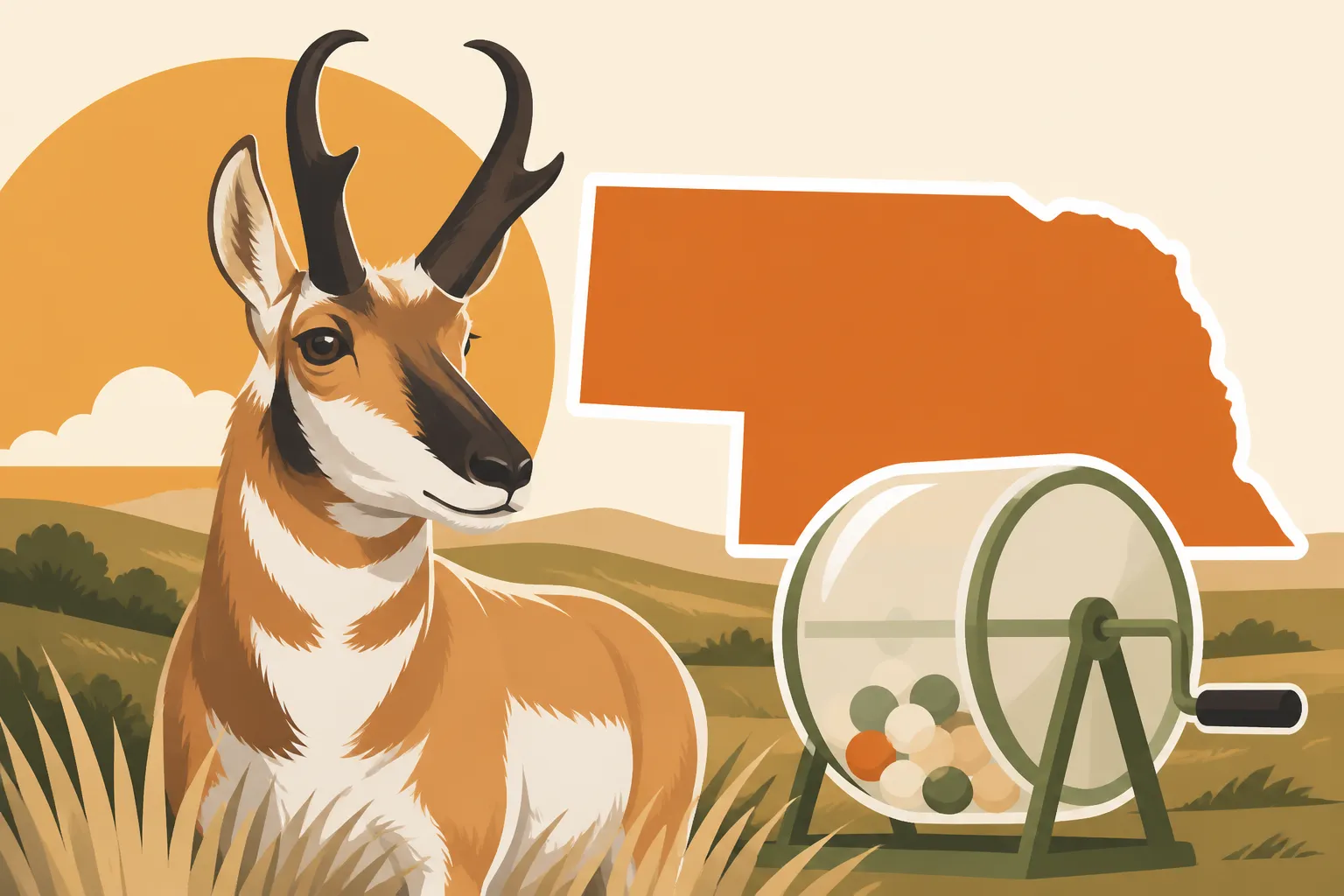
Trying to draw a coveted Nebraska antelope permit can feel like playing the lottery with extremely high stakes and even higher hopes. It’s a nerve-wracking process, especially for those of us who dream of chasing these prairie speedsters across the vast, open plains of the Sandhills or Panhandle. This guide will walk you through the intricacies of the Nebraska antelope draw odds, helping you understand how it works, what influences your chances, and how you can strategically improve your odds of punching that tag.
Deciphering Nebraska's Antelope Draw System
Nebraska's system for allocating big game permits, including antelope, operates primarily through a lottery draw. Unlike some western states with complex point systems for antelope, Nebraska's approach is often described as a modified lottery, meaning while there isn't a long-standing bank of points accumulating year after year for antelope, certain aspects still influence success. Understanding the foundational elements of this system is critical before you even think about applying.
The Application Process and Important Dates
The application period for Nebraska's big game draw, including antelope, is a crucial window you absolutely cannot miss. Typically, the application period for big game, which includes deer, elk, and antelope, opens in early June and runs for a few weeks. It's usually the first two weeks or so of June, so marking your calendar for "Nebraska Draw Application Dates in June" is non-negotiable. Missing this window means you're out of luck for the primary draw that year, which can be incredibly frustrating. Hunters apply online through the Nebraska Game and Parks Commission (NGPC) website. The process involves selecting your preferred permit type, management unit, and providing payment information. It's essential to double-check all your selections before submitting, as mistakes can be costly and difficult to correct once submitted.
After the application period closes, the NGPC conducts the actual draw, and usually, results are posted by early July. You can check your application status directly on the NGPC website, often with an email notification arriving around the same time. The anticipation during that waiting period is intense; every hunter knows the feeling of repeatedly refreshing their browser, hoping to see "Successful" next to their application.
Understanding Permit Types and Management Units
Nebraska divides its antelope hunting opportunities into several distinct Antelope Management Units (AMUs), and within those units, different permit types are offered. The most common permit types you'll encounter are "Any Antelope" and "Antlerless Only." An "Any Antelope" permit allows you to harvest either a buck or a doe, and these are always the most sought-after and thus, the hardest to draw. "Antlerless Only" permits, as the name suggests, restrict you to harvesting a doe or fawn. These are generally much easier to draw and are a fantastic option for meat hunters or those looking to simply experience an antelope hunt without the pressure of finding a trophy buck.
Each AMU has a specific quota of permits allocated annually, which is determined by population surveys and management goals. For instance, the Plains Unit in western Nebraska, encompassing vast areas like the Oglala National Grassland, often has a higher number of permits compared to smaller, more localized units. Other units like the Sandhills Unit or Pine Ridge Unit also offer opportunities, but permit numbers and draw odds will vary significantly. Understanding these individual unit dynamics and their respective permit allocations is key to forming a realistic expectation of your draw chances. You'll want to dive deep into "Nebraska Antelope Permits and Seasons" to get the full picture of what's available each year.
Resident vs. Nonresident Quotas
One of the biggest factors influencing draw odds, particularly for nonresidents, is how Nebraska allocates its permits between in-state and out-of-state hunters. Like most states, Nebraska prioritizes its residents. The law dictates that a significant majority of permits, typically 85%, are reserved for residents. This means that nonresidents are competing for a much smaller pool of tags, which inherently makes their draw odds considerably lower. For instance, if an AMU has 100 "Any Antelope" permits, roughly 85 will go to residents, leaving only 15 for nonresidents.
This disparity in allocation is why nonresidents often face an uphill battle when trying to secure a coveted antelope tag. It's not uncommon for nonresident draw odds for a prime "Any Antelope" permit to be in the single digits, while residents might have significantly better, though still challenging, odds. This aspect of the "How the Nebraska Big Game Lottery Works" is vital to grasp, as it shapes the strategies nonresidents might employ, often leaning towards less popular units or antlerless-only permits to increase their chances.
Key Factors Shaping Your Antelope Draw Odds
Drawing a Nebraska antelope permit isn't purely random; several factors consistently influence your chances. While some are beyond your control, understanding them can help you make more informed decisions when applying. It’s all about playing the percentages as best you can.
The Role of Preference Points (or lack thereof) in Nebraska
Unlike the multi-year preference point systems for species like elk or bighorn sheep in Nebraska, the antelope draw doesn't currently utilize an accumulated preference point system. This means that every applicant, whether they've applied for ten years or this is their first time, starts on a relatively even playing field in the general drawing pool for antelope. While Nebraska does offer a system for "Buying a Nebraska Preference Point" for other species, this typically doesn't directly apply to antelope as a primary mechanism to improve your odds year over year.
This "clean slate" approach has both pros and cons. On the one hand, it means a first-time applicant has as good a chance as a seasoned veteran, which can be encouraging. On the other hand, it also means there's no way to build seniority or guarantee a tag after years of unsuccessful applications, which can be frustrating for those with a long history of trying. The draw truly is a lottery each year for antelope, emphasizing the importance of understanding current permit numbers and hunter demand.
Impact of Permit Availability and Hunter Demand
The sheer number of permits available in a specific Antelope Management Unit (AMU) directly correlates with your draw odds. Units with higher permit quotas generally offer better chances, simply because there are more tags to go around. Conversely, units with very limited permits, perhaps due to smaller antelope populations or more restricted habitat, will naturally have much tougher odds. This availability changes year to year based on population health, harvest objectives, and environmental factors like drought or harsh winters.
Equally important is hunter demand. Everyone wants to draw an "Any Antelope" tag in a unit known for producing big bucks. This intense demand drives the draw odds down dramatically for those highly desirable permits. Units that are harder to access, further from population centers, or perceived as having lower trophy potential might see less demand, thus offering slightly better odds. Nonresidents, in particular, need to be acutely aware of this, as their limited permit pool gets even smaller when vying for the most popular units. Checking the previous year's "Nebraska Antelope Draw Odds" for specific units can give you a real sense of where the competition lies.
Analyzing Past Draw Statistics
The best way to gauge your chances is by looking at historical draw statistics. The NGPC typically publishes these statistics each year, breaking down applications and successful draws by unit, permit type, and residency. Websites like GoHunt also compile and analyze this data, presenting it in an easy-to-digest format that can be incredibly helpful for strategic planning. These statistics will show you how many applicants there were for a given permit, how many permits were issued, and therefore, the percentage chance of drawing.
By reviewing these numbers, you might find that while the "Any Antelope" tag in the Plains Unit is highly coveted, an "Antlerless Only" tag in a lesser-known unit has much more favorable odds. Pay close attention to the distinction between resident and nonresident odds, as they are often vastly different. This data is your most powerful tool for making an informed decision, helping you avoid applying blindly and potentially wasting an application fee on a unit with astronomically low odds, unless that's a risk you're willing to take for a dream hunt.
| Antelope Management Unit | Permit Type | Avg. Resident Draw Odds (Approx.) | Avg. Nonresident Draw Odds (Approx.) | Notes |
|---|---|---|---|---|
| Plains | Any Antelope | 25-35% | 5-8% | High demand, large area, good buck potential. |
| Plains | Antlerless | 80-95% | 20-40% | Excellent for meat/first-time hunters. |
| Sandhills | Any Antelope | 15-25% | 2-5% | More challenging terrain, quality bucks. |
| Sandhills | Antlerless | 70-85% | 15-30% | Still good chances for a doe tag. |
| Pine Ridge | Any Antelope | 10-20% | 1-3% | Very limited permits, tough draw. |
| Pine Ridge | Antlerless | 60-75% | 10-25% | If you want to hunt this region. |
| Calamus West | Any Antelope | 20-30% | 3-6% | Moderate permits, decent quality. |
| Calamus West | Antlerless | 75-90% | 18-35% | Good opportunity if other units are too tough. |
Disclaimer: These are approximate historical draw odds and can fluctuate significantly year to year based on permit quotas and applicant numbers. Always check current NGPC statistics.
Strategies to Boost Your Chances in the Draw
While the antelope draw largely remains a lottery, there are definitely ways to apply more strategically to increase your odds, or at least maximize your chances of securing some kind of antelope permit. It's about being smart, doing your homework, and sometimes, adjusting your expectations.
Smart Unit Selection Based on Your Goals
The most impactful decision you can make is selecting the right Antelope Management Unit for your application. If your primary goal is to harvest any antelope, particularly if you're a nonresident or someone with limited experience, targeting units with historically higher draw odds for antlerless permits is a smart move. These units might not be the "trophy hotbeds," but they offer a much more realistic chance of drawing a tag. Researching the various units and their specific characteristics, such as the type of terrain and typical antelope density, can help you align your application with your hunting goals. For example, some units might be more accessible, offering good public land access like those found in "Hunting Oglala Grassland for Pronghorn."
If you're dead set on an "Any Antelope" buck tag, especially in a prime unit, understand that you're playing a long game. You might apply for several years before drawing. In this scenario, it's worth considering applying for the same high-demand unit consistently if you're truly dedicated, but also have a backup plan or manage your expectations. Tools like GoHunt can give you the granular data needed to compare units side-by-side, including their historical success rates, helping you make an informed decision rather than just picking a name off a map.
Considering Antlerless-Only Opportunities
For many hunters, particularly those focused on putting meat in the freezer or simply enjoying the challenge of an antelope hunt, applying for an antlerless-only permit is a highly effective strategy. These permits have significantly better draw odds, often reaching 80-90% or higher for residents in many units, and much more respectable percentages for nonresidents compared to "Any Antelope" tags. While you won't be chasing a Boone & Crockett buck, an antlerless hunt can still be incredibly exciting.
An antlerless tag provides an excellent opportunity to learn the ropes of antelope hunting—their habits, how to glass the open country, and how to execute a successful stalk without the added pressure of finding a trophy. It’s also a fantastic way to introduce new hunters, especially youth, to the sport. Many times, you can still observe bucks during these hunts, gaining valuable scouting information for future "Any Antelope" applications. Don't underestimate the satisfaction of a successful meat hunt; it's a core part of the hunting experience.
Leveraging Data and Resources
In today's digital age, hunters have access to an incredible amount of information that can give them an edge in the draw. Beyond the official NGPC statistics, numerous hunting platforms and services specialize in aggregating and analyzing draw data from various states. Using resources like GoHunt's detailed draw odds calculators and applications can provide sophisticated insights. These tools often allow you to filter by unit, residency, and permit type, and some even predict future odds based on trends.
Beyond draw odds, take the time to research the units themselves. Utilize the "Nebraska Public Access Atlas" to identify potential hunting grounds. Look for information on "Where Nebraska Antelope Concentrate" within those units. Satellite imagery, topographical maps, and even online forums can offer valuable insights into terrain, water sources, and potential bedding or feeding areas. The more information you gather, the more confident you'll be in your application choice, and the better prepared you'll be if you do draw that coveted tag.
After the Draw: Interpreting Results and Planning Ahead
The moment of truth arrives when draw results are posted. Whether you're celebrating a successful draw or shaking off the disappointment of an unsuccessful one, knowing what comes next and how to plan for it is essential for any dedicated Nebraska antelope hunter.
What to Do If You Draw a Tag
Congratulations! If you've beaten the "Nebraska Antelope Draw Odds" and secured a tag, the real planning begins. First, make sure you understand the specific regulations for your permit type and chosen Antelope Management Unit. Double-check the season dates, legal shooting hours, and any special restrictions. Next, it's time to solidify your hunting strategy. Are you planning an "Archery Antelope Over Water in Nebraska" hunt, or will you be covering miles "Stalking Pronghorn Across Open Nebraska Ground"? Your tactics will vary wildly depending on your weapon and the terrain.
Scouting, if possible, should be your next priority. Even if it's just digitally scouting with maps and satellite imagery, understanding the land, access points, and potential antelope concentrations will be invaluable. Book any necessary lodging or make camping plans. If you're a nonresident, consider the logistics of travel, meat care, and getting your trophy home. Remember, proper "Field Dressing and Cooling Game in Warm Weather" is crucial, especially during the often-hot early antelope seasons. Don't let the excitement overshadow the critical details that lead to a successful and ethical hunt.
What If You Don't Draw: Exploring Other Options
It's a tough pill to swallow when you don't draw, but don't despair. First, review your application and the draw statistics for the year. Did you aim too high? Were the odds simply stacked against you? Use this information to refine your strategy for next year. While over-the-counter antelope tags are generally not available in Nebraska, there might be other hunting opportunities to consider.
Sometimes, late-season antlerless permits may become available if quotas aren't met, or landowner tags might exist under specific circumstances, though these are rare for antelope. Don't forget Nebraska offers a wealth of other hunting opportunities, from deer to upland birds and waterfowl. You could shift your focus to "Walking Nebraska Pheasant Cover With a Dog" or exploring "River-Bottom Whitetail Hunting in Eastern Nebraska" as a fantastic alternative. Additionally, now is a great time to start thinking about applying for a preference point for other big game species, setting yourself up for future draws.
Long-Term Planning for Future Antelope Seasons
Even if you drew a tag this year, thinking long-term about future antelope seasons is a smart play. The antelope population, permit numbers, and hunter demand can shift, so staying informed is key. Continuously monitor the draw odds statistics published by the NGPC and resources like GoHunt. This will help you identify any emerging trends or shifts in unit popularity. Consider whether you want to continue applying for "Any Antelope" tags, or if exploring antlerless opportunities in certain years might be a better strategy to ensure you get to hunt.
Building relationships with landowners, if possible, can also open doors to private land access, which often comes with higher success rates due to less hunting pressure. While Nebraska's antelope draw lacks a traditional preference point system, consistent application and strategic unit choices, combined with a willingness to sometimes pursue antlerless permits, will give you the best chance to eventually fulfill your dream of hunting pronghorn in the Cornhusker State. It's about patience, persistence, and continuous learning.
Disclaimer
The information provided in this guide is for general informational purposes only and is not intended as legal or official hunting advice. Hunting regulations, permit requirements, and draw odds are subject to change annually by the Nebraska Game and Parks Commission. Always consult the most current official regulations and resources from the Nebraska Game and Parks Commission before planning or participating in any hunting activities.