Nonresident Antelope Permits in Nebraska
Trying to navigate the nonresident antelope permit system in Nebraska can feel like trying to hit a prairie dog at 500 yards with a slingshot – confusing and frustrating, especially when you're not intimately familiar with the state's specific regulations and draw intricacies. This guide aims to clear up that confusion, giving you a detailed roadmap to understanding, applying for, and hopefully securing a coveted nonresident antelope permit in the Cornhusker State.
Understanding Nebraska's Antelope Permit System for Nonresidents
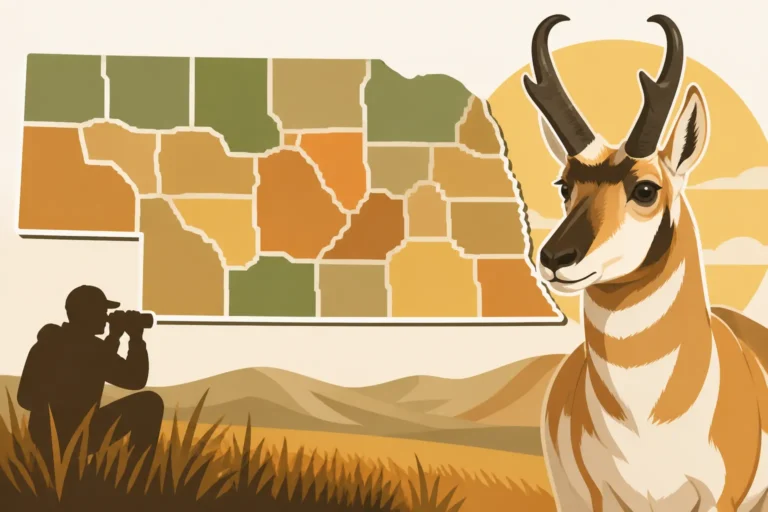
Nebraska offers a unique, and often challenging, opportunity for nonresidents to hunt pronghorn antelope. Unlike some Western states where nonresident tags might be more numerous, Nebraska's approach is more conservative, reflecting its smaller, though healthy, antelope population, primarily concentrated in the western Panhandle and Sandhills regions. For nonresidents, securing one of these permits usually means going through a lottery draw, which requires careful planning and an understanding of the available options.
Permit Types and Availability for Nonresidents
When it comes to nonresident antelope permits, Nebraska primarily offers a few categories, split between archery and firearm seasons. The availability of these permits is heavily weighted towards residents, with nonresidents competing for a much smaller allocation. Generally, both "Any Antelope" (buck or doe) and "Antlerless" permits might be available, though "Any Antelope" permits are far more competitive, especially for rifle hunters. Archery permits typically have better odds than firearm permits simply due to the specialized nature of the hunt.
Each permit is typically unit-specific, meaning you apply for a permit in a particular Antelope Management Unit (AMU). These units are strategically drawn to manage local herd populations and hunting pressure. Understanding the boundaries and success rates of these units is crucial. For instance, some units, particularly those in the heart of the Sandhills, might offer more public access opportunities, while others might be predominantly private land, requiring extensive pre-scouting and permission. The specific number of permits available to nonresidents can fluctuate slightly year to year based on population surveys and management goals, but the general trend is that they remain limited and highly sought after.
The Residency Split and Its Impact
Nebraska law mandates a significant split in permit allocations, heavily favoring residents. This means that a large percentage of available permits, typically around 85%, are reserved for Nebraska residents. Nonresidents are left to compete for the remaining percentage, which can make drawing a permit feel like winning the lottery, especially for desirable firearm buck tags. This resident-priority system is common in many states and is designed to ensure local hunters have ample opportunity to pursue game in their home state.
For nonresidents, this allocation split translates directly into tougher draw odds. It underscores the importance of not just applying, but applying strategically. Some nonresidents might choose to apply with a group, hoping to increase their collective odds, while others might focus on units or permit types that historically have slightly higher success rates, even if those odds are still quite low. It’s a game of patience and persistence, and understanding that the odds are stacked, but not insurmountable, is the first step in managing expectations for your shot at a Nebraska pronghorn.
Why Antelope Permits Are Highly Sought After
The allure of Nebraska antelope permits, despite the challenging draw odds for nonresidents, stems from several factors. First, Nebraska offers a unique backdrop for antelope hunting, especially within the vast, undulating landscapes of the Sandhills or the rugged beauty of the Pine Ridge. It’s a different kind of antelope experience compared to the more commonly perceived high-desert plains of Wyoming or Montana. Second, the quality of the antelope can be excellent, with mature bucks offering impressive horns. While not widely known as a trophy antelope state, Nebraska consistently produces solid animals.
Moreover, the opportunity to combine an antelope hunt with other species, such as deer or even some upland birds, during overlapping seasons can make the trip even more appealing. For many hunters, drawing a tag in any state is a victory, and Nebraska’s relative proximity for hunters in the Midwest makes it an attractive destination without the extensive travel required for hunts further west. The challenge itself, of successfully navigating the draw and then the hunt, is a driving factor for many dedicated nonresident hunters looking to add a Nebraska pronghorn to their hunting resume.
The Application Process: Deadlines, Draw Odds, and Strategy
Successfully applying for a nonresident antelope permit in Nebraska requires meticulous attention to detail and a strategic approach. The Nebraska Game and Parks Commission (NGPC) manages the entire process online, and missing a deadline or misunderstanding the rules can easily cost you a year's opportunity. It's not just about submitting an application; it's about understanding the nuances that can improve your chances.
Important Dates and Deadlines
The application period for big game permits in Nebraska, including antelope, typically opens in early June. This is a critical window you absolutely cannot miss. Applications are usually accepted for a few weeks, often closing in the second or third week of June. For specific dates, you’ll need to consult the current year's Nebraska Game and Parks Hunting Guide, which is usually published well in advance of the application period. Setting reminders on your calendar is an absolute must, as there are no extensions for missed deadlines.
The draw results are usually posted later in June or early July. If you’re successful, your permit fee will be charged to your credit card on file, and you’ll receive notification. If you're unsuccessful, you will not be charged, and you can then look into purchasing a preference point for the following year or exploring other leftover permit opportunities, if any become available later in the summer. Being aware of these key dates is the cornerstone of any successful application strategy, ensuring you’re in the game when it counts. You can find comprehensive details on application dates and results release through resources like the official NGPC website or platforms like GoHunt, which often consolidate this information.
Deciphering Draw Odds
Nonresident antelope draw odds in Nebraska are, to put it mildly, tough. They fluctuate year to year based on the number of permits offered, the number of applicants, and the allocation percentages. For firearm "Any Antelope" permits, nonresidents can often expect single-digit percentage odds, meaning that for every 100 applicants, fewer than 10 might draw. Archery permits generally offer better odds, sometimes in the double digits, reflecting the lower hunter success rates and specialized skill required for bowhunting antelope.
Studying historical draw odds is a crucial step for any nonresident applicant. Websites and services often compile this data, allowing you to see trends over several years. For instance, platforms like GoHunt provide detailed breakdowns of draw odds by unit, permit type, and residency status, which can be incredibly insightful. Some units consistently have lower applicants or slightly higher allocations, making them statistically "easier" to draw, though "easy" is a relative term when it comes to Nebraska's nonresident antelope permits. By analyzing these odds, you can make an informed decision on which unit to apply for, weighing your desire for a specific area against your statistical chance of drawing. You can also research specific permit costs, like the Nebraska Antelope Permit Cost, to budget effectively.
Strategies for Applying
Given the challenging odds, developing a strategy for your application is key. Here are a few things to consider:
- Preference Points: Nebraska offers a preference point system, which allows unsuccessful applicants to purchase a point for the following year. These points accumulate and increase your chances in future draws. For a nonresident, particularly one eyeing a firearm "Any Antelope" tag, consistently buying preference points is often the most reliable long-term strategy. The cost of a preference point is usually a fraction of the permit fee, making it an affordable investment over time.
- Unit Selection: Don't just apply for the most popular units. Research various units using the Nebraska Antelope Unit List and their historical draw odds. Some units, while perhaps not as renowned, might offer slightly better odds for nonresidents. Consider areas with more public land or where antelope concentrations are still good but pressure is lower.
- Archery vs. Firearm: If your primary goal is simply to hunt antelope in Nebraska, applying for an archery permit will significantly increase your draw odds. The Nebraska's August Archery Antelope Opener provides a fantastic early-season opportunity, often with warmer weather and bucks still in their bachelor groups.
- Antlerless Permits: While not the dream tag for most, antlerless permits are often much easier to draw or even available over-the-counter after the draw. These can be a great way to experience hunting antelope in Nebraska, scout new areas, and fill your freezer, without the intense competition for buck tags.
By carefully considering these strategies, you can improve your chances of eventually drawing a nonresident antelope permit in Nebraska, turning a long shot into a more achievable goal over time.
Maximizing Your Chances and What to Expect After the Draw
Once you've navigated the application process, the waiting game begins. For nonresidents, drawing a Nebraska antelope tag is a significant hurdle, but the journey doesn't end there. Whether you're successful or not, there are further steps to take and considerations to make to ensure your hunting season is a productive one.
Preference Points: Are They Worth It?
For many nonresident hunters eyeing big game in states with limited tags, preference points are not just worth it; they're essential. In Nebraska, preference points specifically aid your chances in the draw for future years. If you don't draw an antelope permit in a given year, you have the option to purchase a preference point during a specified period after the draw results are released. These points accumulate, and the more points you have, the higher your priority in subsequent draws.
For a nonresident, especially one targeting a prime "Any Antelope" firearm permit, consistently purchasing a preference point each year you are unsuccessful dramatically increases your long-term odds. Think of it as investing in your future hunts. While it doesn't guarantee a tag, it certainly moves you up the ladder. It's a common strategy for nonresident hunters who commit to hunting a particular state for several years. Even if you're unable to hunt every year, maintaining your preference points keeps your dream of a Nebraska antelope hunt alive and significantly more attainable.
Monitoring Leftover Permits
What happens if you don't draw in the initial lottery? Don't despair! Nebraska does, on occasion, have leftover permits. These are tags that were unallocated during the initial draw, either because there weren't enough applicants for certain permit types/units or because drawn applicants failed to purchase their tag. These leftover permits often go on sale later in the summer, usually on a first-come, first-served basis.
However, a word of caution for nonresidents: leftover "Any Antelope" permits, particularly for firearms, are extremely rare. If they do appear, they are snatched up almost instantly. Antlerless permits are much more likely to be available as leftovers. To have any chance at these, you need to be vigilant. Keep a close eye on the NGPC website and subscribe to their email alerts. Utilize resources like GoHunt to track permit availability and inventory. You'll need to be ready to purchase immediately when they drop, as they are gone in a flash. While it's not a primary strategy for securing a buck tag, it's a viable option for those committed to hunting an antelope in Nebraska, even if it's an antlerless one.
Planning Your Hunt Post-Draw
Congratulations! You've beaten the odds and drawn a nonresident antelope permit. Now the real planning begins. Your first step should be to thoroughly research your assigned unit. This includes identifying public land access points, such as those listed in the Nebraska Public Access Atlas or those found on the Oglala National Grassland Hunting areas. Pay close attention to terrain features, water sources, and potential bedding areas.
For antelope, glassing is absolutely critical. You'll want to invest in quality optics, including binoculars and a spotting scope. Check out Spotting Scopes for Judging Antelope for recommendations on effective gear. Antelope are constantly on the move and have incredible eyesight, so spotting them from a distance and planning a stalk is paramount. If you're hunting archery, consider tactics like Archery Antelope From a Water Blind if conditions are dry, or mastering the art of the ground stalk. For rifle hunters, understanding Rifle Ranges Realistic in Open Country is essential for ethical long-range shots. Familiarize yourself with Stalking Pronghorn Across Open Nebraska Ground to hone your approach strategy. Remember, antelope can be found on both public and private lands, so if you're fortunate enough to draw, consider making calls to landowners for permission well in advance if your unit has limited public access.
Key Considerations for Your Nebraska Antelope Hunt
Beyond the permit itself, a successful nonresident antelope hunt in Nebraska requires attention to several other critical elements. From choosing the right unit to understanding the local terrain and preparing your gear, each piece contributes to a memorable and effective hunt.
Unit Choices and Antelope Concentration
Selecting the right Antelope Management Unit (AMU) is paramount for a nonresident. Nebraska's antelope population is not evenly distributed, with concentrations primarily in the western Panhandle and parts of the Sandhills. Units like those encompassing the Oglala National Grassland, the Pine Ridge, or certain Sandhills units often hold higher numbers of antelope and offer more public land access compared to other areas. When reviewing the Nebraska Antelope Unit List, look for units that historically have stronger antelope populations and a good mix of habitat.
It's not just about the numbers; it's about the type of hunting experience you're after. Some units are vast, open plains, demanding extensive glassing and long stalks. Others might incorporate more rugged, broken terrain, offering different stalking challenges. Researching unit-specific details, including habitat types and public land percentages, will help you align your expectations with reality. Consulting online forums, scouting reports, and even platforms that provide harvest data can give you a clearer picture of what to expect from each unit. The more informed your unit choice, the better your chances of encountering antelope.
Public vs. Private Land Access
Access is often the biggest challenge for nonresident hunters in Nebraska, especially for antelope. While areas like the Oglala National Grassland and various state wildlife management areas provide excellent public hunting opportunities, much of Nebraska's land, especially the prime agricultural and ranching country, is privately owned. If your drawn unit is predominantly private land, securing permission from landowners before your hunt is absolutely critical. This can be a daunting task for a nonresident, often requiring polite phone calls, letters, or even in-person visits well in advance of the season.
Many hunters find success by combining public land hunting with efforts to gain private land access. Areas within the Nebraska National Forest and Grasslands Hunting designations, for example, offer significant public acreage. Understanding Nebraska's specific trespass laws and always carrying proof of permission (preferably written) when hunting private land is non-negotiable. For those without private land contacts, focusing on units with substantial public access, which can be identified using the Nebraska Public Access Atlas, becomes even more important. Be prepared for potentially higher hunting pressure on easily accessible public tracts, and consider walking deeper into areas where others might not venture.
Gear and Tactics for Nebraska Antelope
Antelope hunting in Nebraska, regardless of whether you're drawing for the archery or firearm season, demands specific gear and tactics. The open, often windy conditions of the Nebraska plains dictate much of what you'll need.
For optics, don't skimp. Quality binoculars (10×42 or 12×50) are essential for constant glassing, and a high-power spotting scope (20-60x or 25-75x) on a sturdy tripod is indispensable for thoroughly surveying vast landscapes and judging antelope from extreme distances. You might spend more time behind glass than actually walking, so comfort and clarity are key. A good rangefinder is also critical for accurately determining distances in open country.
When it comes to firearms, a flat-shooting rifle caliber that can handle windy conditions and potentially longer shots is preferred. Cartridges like the .25-06 Rem, .270 Win, 6.5 Creedmoor, or .308 Win are popular choices. Ensure your rifle is zeroed for realistic prairie ranges, perhaps 200 yards, and practice shooting from prone or with shooting sticks. For archers, a bow setup you are highly proficient with is paramount, as shot opportunities can be fleeting. Consider Using a Fence Line to Close on Antelope as a strategic tactic, or using natural terrain features for concealment.
Regardless of your weapon, comfortable, durable boots for extensive walking, layering clothing to adapt to rapidly changing weather conditions (from hot to cold, sunny to windy), and a reliable GPS or mapping app are crucial. Antelope often travel far and fast, so being able to cover ground, effectively glass, and execute a stalk are the pillars of a successful Nebraska antelope hunt.
| Permit Type | Primary Season | Nonresident Availability | General Draw Difficulty | Key Considerations |
|---|---|---|---|---|
| Any Antelope (Firearm) | September-October | Very Limited | Extremely High | Most coveted, often requires preference points over years. |
| Any Antelope (Archery) | August-September | Limited | High | Better odds than firearm, specific early season opener. |
| Antlerless (Firearm) | September-October | Moderate | Moderate-Low | Best chance for a meat tag; sometimes available OTC. |
| Antlerless (Archery) | August-September | Moderate | Low | Excellent opportunity for bowhunters to gain experience. |
| Preference Point | Post-Draw | Annually | N/A (purchased) | Invest in future draws, highly recommended for nonresidents. |
Disclaimer
Always check the most current Nebraska Game and Parks Commission regulations and official hunting guide before planning or engaging in any hunting activities. Rules, dates, and permit allocations are subject to change annually. This guide provides general information and should not be considered a substitute for official sources.