When Nebraska’s Antelope Rifle Season Opens
For many hunters, the anticipation of chasing pronghorn across Nebraska's vast plains is a special kind of excitement. But nothing can put a damper on those plans faster than realizing you've missed a critical date or misunderstood the regulations. This guide is here to cut through the confusion, clearly laying out when Nebraska's rifle antelope season typically opens and what you need to know to be ready for the hunt of a lifetime.
Understanding Nebraska's Antelope Rifle Season Dates
Nebraska's rifle antelope season is a coveted opportunity, and for good reason—pronghorn are an iconic species of the Great Plains, offering a unique hunting challenge. Unlike some other big game species, the rifle season for antelope typically follows a fairly consistent schedule, though it's always critical to consult the most current Nebraska Game and Parks Commission (NGPC) regulations each year.
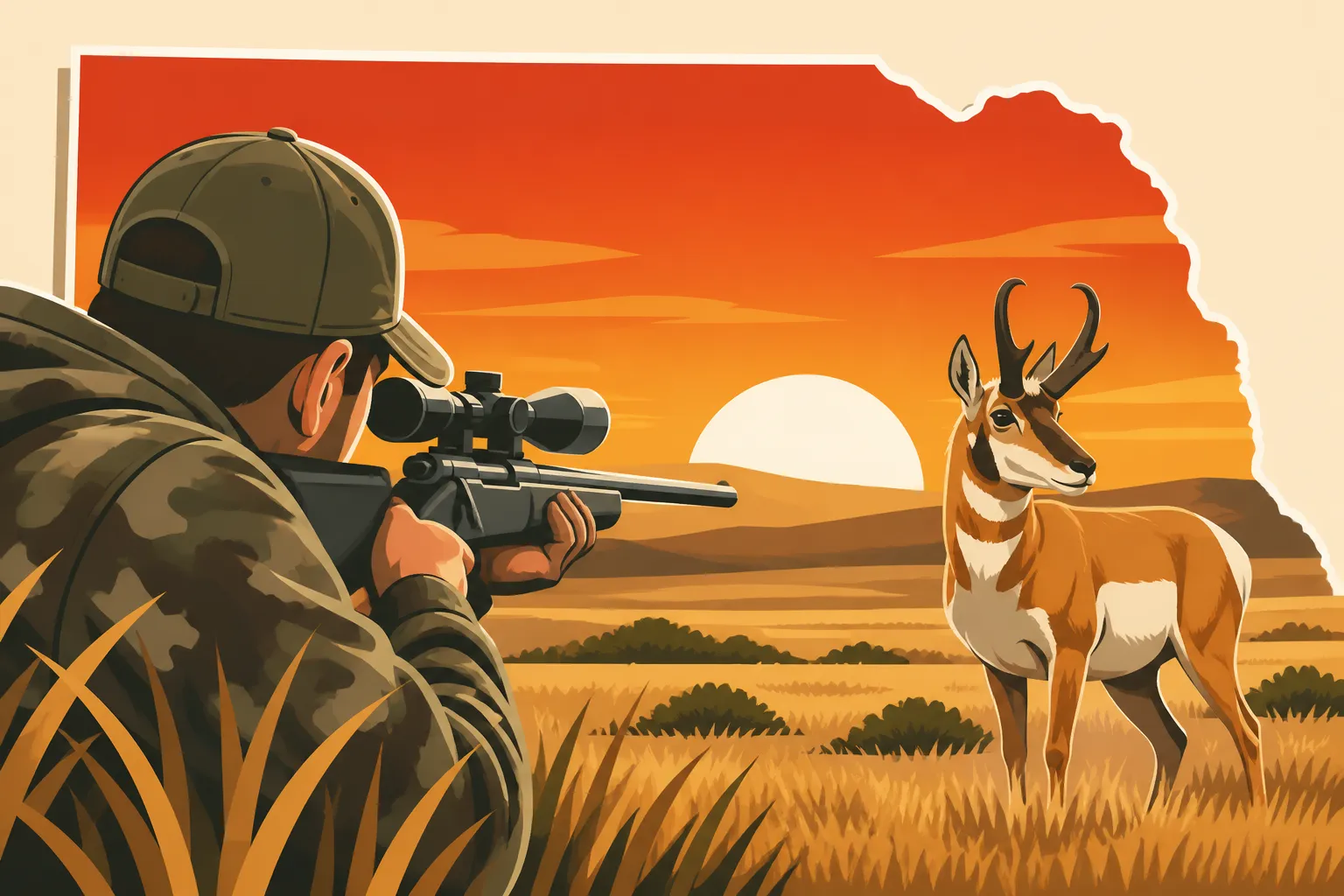
Generally speaking, Nebraska's rifle antelope season opens in late September. This timing places it just after the heat of summer begins to fade, but usually before the full chill of late fall sets in. Hunters can expect relatively mild to warm temperatures, often accompanied by the persistent Nebraska wind that can make long-range shooting a true test of skill. The season is usually quite short, often lasting only about a week or so, sometimes less depending on the specific management unit. This short window means precise planning and preparation are absolutely essential to maximize your chances of success. It's a sprint, not a marathon, and every day counts once those tags are in hand.
The NGPC manages antelope permits very carefully to ensure healthy populations, so the number of tags available is limited. This is why the season dates, permit availability, and drawing process are so interconnected. While archery antelope season typically opens earlier in August, the rifle season is often a much more competitive draw. Be sure to differentiate between the two when you're looking at the regulations, as the tactics and experience for Nebraska Antelope Firearm and Archery Permits are quite different.
The Draw Process and Why Dates Matter
Getting a Nebraska rifle antelope permit isn't as simple as walking into a sporting goods store on opening day. These permits are allocated through a lottery draw system, which means understanding the application timeline is just as important as knowing the hunting dates themselves. Most big game draws in Nebraska, including antelope, have application periods that close in June. If you miss this window, you're usually out of luck for the rifle season, unless you manage to find a leftover permit, which is rare for such a popular hunt.
The draw results are typically posted a few weeks after the application deadline, usually in late June or early July. This gives successful applicants a couple of months to finalize their hunting plans, scout, and prepare their gear. For those new to the process, tools like GoHunt can be invaluable for researching Nebraska Antelope Draw Odds and understanding the various permit units. They often provide historical data and insights that can help you make an informed decision on which unit to apply for, maximizing your chances in a competitive draw. Ignoring the draw deadlines is perhaps the biggest mistake a hopeful antelope hunter can make; missing that early summer cutoff means you won't even have a chance to hunt in September.
It's important to remember that Nebraska reserves a significant portion of its big game permits for residents, with non-residents facing tougher odds. This structure is designed to provide opportunities for local hunters, but non-residents still have a fair shot, especially if they are strategic with their applications and consider building preference points. Understanding Nebraska's June Big Game Draw Explained can give you a crucial edge, helping you navigate the system effectively.
Here's a simplified overview of the typical timeline for rifle antelope hunting in Nebraska:
| Event | Typical Month | Key Action for Hunters |
|---|---|---|
| Permit Application Period | April – June | Apply for antelope permits |
| Application Deadline | Mid-June | Critical: Do not miss this! |
| Draw Results Posted | Late June – Early July | Check if you drew a permit |
| Rifle Season Opens (General) | Late September | Hunt! |
| Rifle Season Closes (General) | Early October | Season concludes |
| Youth Rifle Season (if applicable) | Often Earlier September | Check specific youth dates |
Note: These dates are approximate and can change annually. Always consult the official NGPC hunting guide for the current year.
Preparing for an Early Season Antelope Hunt
When Nebraska's antelope rifle season opens in late September, you're often dealing with a landscape that still retains much of its late-summer character. This means dry conditions, potentially warm temperatures during the day, and significant winds. These factors directly influence everything from your gear choices to your hunting strategy.
First and foremost, your optics are your most important tool. Antelope live in wide-open country, and finding them often involves hours of glassing. A good pair of binoculars, at least 10x or 12x magnification, is non-negotiable. Many experienced hunters also bring a spotting scope on a tripod, especially for judging trophy quality from a distance and for Glassing the Nebraska Sandhills for Mule Deer or antelope, as they share similar open habitats. This allows you to efficiently cover vast expanses without putting miles on your boots until you've spotted an animal worth pursuing. Brands like Vortex, Kowa, or Swarovski are popular choices, offering clarity and light-gathering capabilities that are crucial in the often-hazy prairie air. You'll spend a lot of time behind glass, so investing in quality Optics for Glassing the Nebraska Sandhills will pay dividends.
Next, consider your rifle setup. Long shots are common when Stalking Pronghorn Across Open Nebraska Ground, so a flat-shooting caliber is preferred. Cartridges like the .270 Winchester, 6.5 Creedmoor, .30-06 Springfield, or even magnum options like the 7mm Rem Mag are popular. Accuracy is paramount, as is knowing your rifle's capabilities and your own shooting limits. Practice shooting from various field positions – prone, kneeling, and using shooting sticks – because a bench rest at the range won't replicate the real-world scenarios you'll encounter. Ensure your Rifle Setups for Nebraska's Open Country are sighted in and ready for the specific conditions.
Given the typical warmth of late September, proper clothing and meat care are vital. Lightweight, breathable layers are key, and sun protection (hat, sunscreen) is a must. Temperatures can swing widely, so having a light jacket or vest for early mornings and evenings is smart. Once an antelope is down, the clock starts ticking, especially if temperatures are still high. Field dressing immediately and getting the meat cooled quickly is essential to prevent spoilage. Investing in quality Meat Care Gear for Warm Nebraska Openers like game bags and a large cooler with plenty of ice can save your hard-earned harvest. Don't skimp on this, as antelope meat, when cared for properly, is delicious.
Scouting, both physical and virtual, plays a huge role. Using digital mapping platforms like onX Hunt or even checking satellite imagery through Google Earth can help you identify potential water sources, travel corridors, and bedding areas. The GoHunt platform often integrates these mapping features, allowing hunters to mark waypoints, scout public land access points like those outlined in Public Hunting Land in Nebraska, and even analyze terrain features from the comfort of home. This pre-season homework can save you countless hours of driving and walking once the season arrives, allowing you to focus on the actual hunt.
Tactics for Open Country Antelope
Hunting pronghorn in Nebraska's open country, particularly regions like the Sandhills or the Panhandle, requires a different approach than chasing whitetails in timber. Antelope possess incredible eyesight, akin to an 8x binocular, and they thrive in wide-open spaces where they can spot danger from miles away. This makes a classic Spot-and-Stalk Mule Deer in the Nebraska Sandhills approach the go-to tactic, adapted for the hyper-alert nature of pronghorn.
The key to success often hinges on effective glassing. You'll spend far more time looking through binoculars or a spotting scope than actually walking. Find a high vantage point, scan slowly and methodically, looking for movement, a flash of white, or the distinct profile of a buck's horns. Once an animal is spotted, the challenge begins: planning your stalk. Antelope country offers little cover, so you'll need to use every subtle fold in the terrain, every rise, every patch of tall grass, and every sparse cedar tree to your advantage. Wind direction is critical; pronghorn have an excellent sense of smell, so always try to approach with the wind in your favor.
Sometimes, a direct stalk is impossible due to the lack of cover or the animal's position. In these cases, patience becomes your greatest virtue. You might need to watch a herd for hours, waiting for them to move into more favorable terrain, or even for them to bed down. When Antelope Water in Hot Weather can also provide predictable patterns for setting up a long-range ambush if traditional stalking isn't working. Pronghorn are creatures of habit, often following similar routes to and from water or feeding grounds. Observing these patterns can be incredibly effective, allowing you to anticipate their movements.
Another consideration, especially on public lands that might see more pressure, is moving away from easy-access points. Many hunters will stick close to roads, but often, the biggest bucks, or simply less pressured animals, will be found a mile or more from the nearest vehicle access. Be prepared to put in the footwork. While not always a primary tactic, using a decoy can sometimes be effective, particularly on rutting bucks during the later stages of the rifle season. A life-sized buck decoy presented over a ridge can sometimes draw in an inquisitive or territorial buck, shortening the distance for a shot.
The rifle antelope season is a unique and rewarding hunt in Nebraska. With careful planning, a solid understanding of the draw process, appropriate gear, and patience in the field, you can experience the thrill of pursuing these incredible animals on the vast plains. Just remember to always prioritize safety and ethical hunting practices.
Disclaimer
Please note that hunting regulations, season dates, and permit requirements can change. Always consult the official Nebraska Game and Parks Commission (NGPC) website and their most current hunting guide before planning any hunting trip. This information is provided for general guidance and informational purposes only and does not constitute legal advice or a substitute for official regulations.