Reporting a Nebraska Deer Harvest
You've just wrapped up a thrilling hunt, the adrenaline is still coursing, and you're already dreaming of venison steaks. It's a fantastic feeling, a culmination of scouting, patience, and skill. But amidst the excitement of a successful Nebraska deer harvest, there's one crucial step that many hunters, especially new ones or those caught up in the moment, sometimes overlook or misunderstand: reporting your deer. This guide will walk you through exactly why and how to report your Nebraska deer harvest, ensuring you stay legal and contribute to vital wildlife management.
The Non-Negotiable Requirement: Why Reporting Matters
After the shot, the field dressing, and the jubilant phone calls, it's easy to let the mandatory harvest report slip your mind. But make no mistake, it's a non-negotiable part of hunting in Nebraska, and it’s due within a specific timeframe. Missing this step can lead to a lot more heartache than just a stern look from a game warden; it can result in fines and even the loss of your hunting privileges. It's not just red tape; it's a vital component of responsible wildlife management.
More Than Just a Legal Obligation
Think of your harvest report as your direct contribution to the future of Nebraska hunting. The data collected from every single reported deer is invaluable to the Nebraska Game and Parks Commission (NGPC). They use this information to make informed decisions about herd health, population trends, and future season structures. For instance, knowing the total number of bucks and does harvested in a specific deer management unit, like the Calamus West or the Plains Unit, helps biologists understand if the population is growing, stable, or declining. This data directly influences how many permits are issued the following year, whether antlerless opportunities are expanded, or if certain units need more restrictive regulations.
It also helps the NGPC monitor the spread and prevalence of diseases like Chronic Wasting Disease (CWD). While separate from the harvest report, the data helps correlate harvest locations with CWD sample locations, giving a clearer picture of the disease's impact across the state. Your quick online report contributes to a much larger scientific effort that ensures healthy deer populations for generations to come. It's a small act that has a massive impact on our shared hunting heritage.
Understanding the Reporting Window and Deadlines
The most critical detail to remember about reporting your deer in Nebraska is the timeframe: you must report your harvest within 48 hours of taking the deer. This 48-hour window begins the moment the deer is harvested, not when you get it back to camp, your truck, or home. This can be a bit tricky, especially if you're deep in the Sandhills or a remote river bottom where cell service is spotty at best.
Imagine you're hunting during Nebraska's Four-Month Archery Deer Season in late September, miles from the nearest town. You make a successful shot at dusk. By the time you track and recover the deer, field dress it, and get it loaded into your truck, a good chunk of that 48 hours might already be gone. You then have to factor in travel time to an area with cell service or internet access. It's imperative to plan for this, especially when hunting in areas like the Oglala National Grassland Hunting where connectivity can be a serious challenge. Do not wait until the last minute, and certainly don't assume you'll "get to it later." The clock starts ticking immediately.
Step-by-Step: How to Report Your Nebraska Deer
Nebraska offers two primary methods for reporting your deer harvest: online or by phone. Both are straightforward, but it’s crucial to have all the necessary information at hand to ensure a smooth and accurate process. Before you even think about reporting, ensure you’ve already completed the physical tagging of your deer as per Nebraska Deer Tagging and Checking Rules. The paper tag that came with your permit must be securely affixed to the deer immediately after harvest and before it's moved from the site of the kill. This tag has a unique identification number that you'll need for the harvest report.
The Online Reporting System
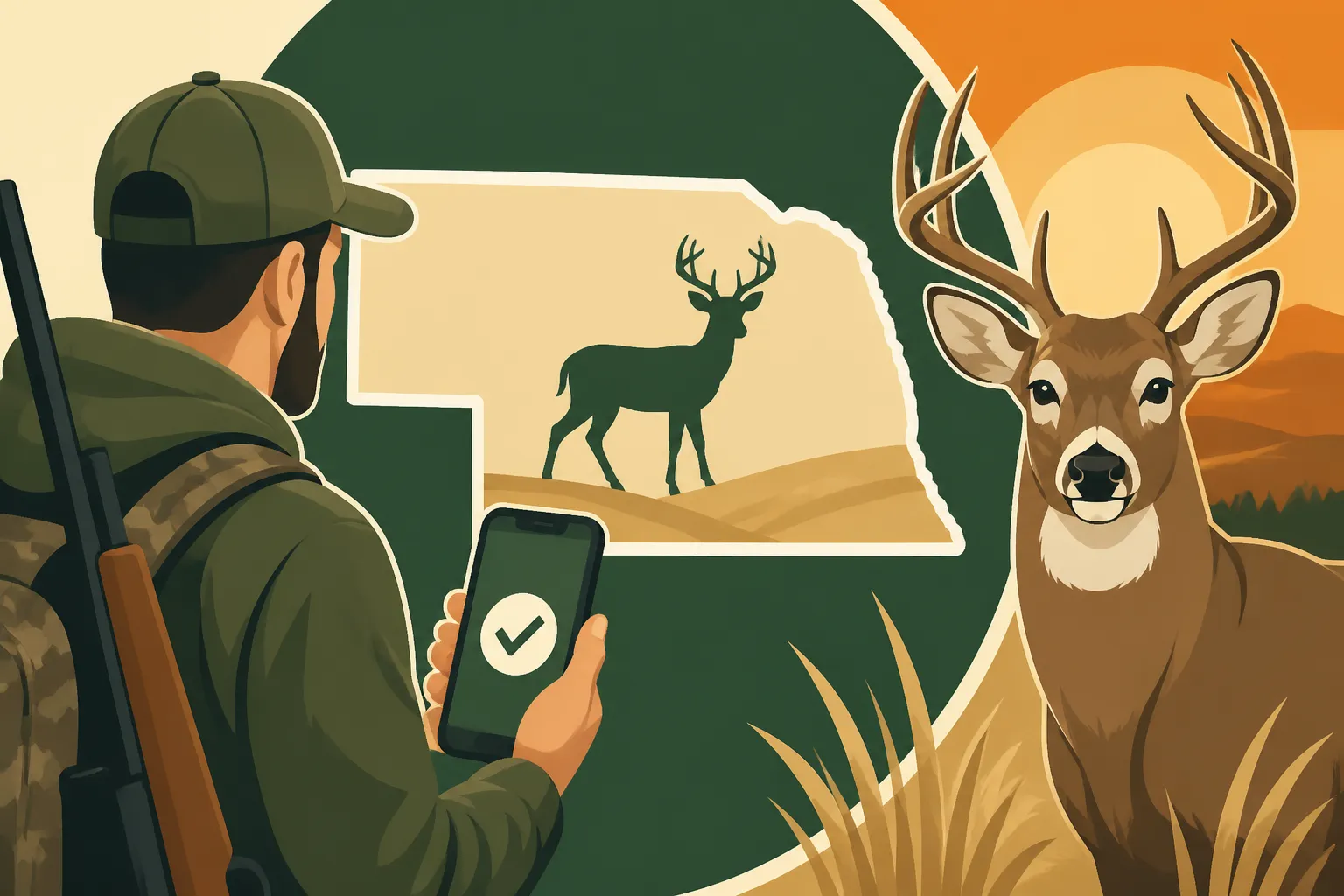
The most common and often easiest way to report your deer is through the Nebraska Game and Parks Commission's online harvest reporting system. You'll need a reliable internet connection and your permit details handy. Navigating to the official NGPC website will lead you to the designated harvest reporting portal. It's designed to be user-friendly, but having your information ready streamlines the process.
Here's a breakdown of the information you'll need to provide:
- Permit Number: This is found on your deer permit.
- Harvest Tag ID Number: This unique number is on the physical paper tag you affixed to your deer.
- Date and Time of Harvest: Be as accurate as possible.
- Species: Was it a white-tailed deer or a mule deer? This distinction is vital for accurate population management, especially in areas where Telling a Mule Deer From a Whitetail at Distance can be tricky.
- Sex: Was it a buck (male) or a doe (female)?
- County of Harvest: The specific Nebraska county where the deer was taken.
- Hunting Method: Archery, firearm (e.g., during Nebraska's Nine-Day November Firearm Deer Season), or muzzleloader (e.g., for Muzzleloader Deer Hunting in Nebraska in December).
Once you've submitted all the required information, the system will provide you with a unique harvest validation number. This number serves as proof that you've legally reported your deer. It's a good idea to write this down, screenshot it, or print it out for your records. This validated tag is what allows you to legally transport your deer across county lines or out of state.
Reporting by Phone
For those times when internet access is simply not an option, or if you prefer speaking to a human, the NGPC also provides a phone reporting system. You can call the dedicated harvest reporting line. While exact phone numbers can sometimes change, a quick search for "Nebraska Game and Parks deer harvest reporting phone number" will usually give you the most current contact.
When calling, ensure you have all the same details ready that you would for the online system: your permit number, the harvest tag ID, date/time, species, sex, county, and hunting method. The operator will walk you through the process, confirm your details, and provide you with a harvest validation number over the phone. Again, make sure to record this number immediately. While less common now with widespread cell service, this option is a lifesaver in genuinely remote areas.
Preparing Your Harvest for Reporting
The physical act of tagging your deer is often confused with reporting, but they are distinct steps. As soon as your deer is down and you've approached it safely, you must physically attach your paper harvest tag to the deer before moving it from the site of the kill. This tag, provided with your permit, needs to be filled out with the date of harvest and securely fastened.
This physical tag is critical for two reasons: first, it makes your deer legal to transport. Second, it contains the unique ID number that you'll need for the online or phone reporting system. Without that ID, you can't complete the report. Taking a moment to double-check that you've correctly identified the species – especially in areas where both whitetails and mule deer roam – is essential for accurate data. A tool like GoHunt with its species identification features can be helpful here, though the ultimate responsibility for correct reporting falls on the hunter. Remember, the accuracy of your report directly impacts wildlife management, so take an extra moment to verify before you submit.
| Reporting Method | Required Information | When to Use | Advantages |
|---|---|---|---|
| Online Portal | Permit #, Harvest Tag ID, Date/Time, Species, Sex, County, Method | Most Common | Quick, convenient, immediate validation |
| Phone Call | Permit #, Harvest Tag ID, Date/Time, Species, Sex, County, Method | No Internet/Cell Service | Direct interaction, alternative for remote areas |
Common Pitfalls and Troubleshooting Your Report
Even with the best intentions, things can go awry. Whether it's a dead zone in the middle of nowhere or a simple typo, understanding potential issues and how to resolve them can save you a lot of headache and keep you in good standing with the law. The goal is always to report accurately and on time.
Dealing with Technology Headaches and Remote Areas
Nebraska is a big state, and cell service isn't universal. If you're out hunting in the expansive Sandhills or deep within a large public tract, you might find yourself without a signal after a successful harvest. This is where pre-planning becomes your best friend. Before you head out, specifically when Planning a Hunt From the Public Access Atlas, identify potential "dead zones" and alternative locations where you know you can get service.
Consider printing out the NGPC harvest reporting page or saving the link to your phone's home screen for quick access when you do find service. Crucially, have your permit number and harvest tag ID written down in your hunting pack. Even if your phone dies, you'll have the necessary numbers. Some mapping applications, like GoHunt, offer offline map capabilities, which are invaluable for navigation but remember they don't report your harvest. You still need an internet or phone connection for the actual submission. If you recover a deer late in the day in a remote area, prioritize getting to a location with service before the 48-hour deadline expires, even if it means driving to the nearest town after field dressing.
Correcting Errors and What Happens If You Miss the Deadline
We're all human, and mistakes happen. Maybe you accidentally selected the wrong county, or perhaps misidentified a whitetail as a mule deer in the low light. If you realize you've made an error on your harvest report after submitting it, don't panic, but don't ignore it either. Your best course of action is to immediately contact the Nebraska Game and Parks Commission directly. Explain the situation clearly, and they will guide you through the process of correcting the information. Attempting to submit a second, corrected report online is generally not the right approach and can complicate things.
Missing the 48-hour deadline, however, is a more serious matter. The NGPC takes harvest reporting compliance seriously because of its importance to wildlife management. If you fail to report your deer within the specified timeframe, you could face penalties, which might include fines or, in more severe or repeated cases, the suspension of your hunting privileges. If for some unforeseen and legitimate reason you anticipate missing the deadline, contact the NGPC before the deadline passes to explain your situation. Proactive communication is always better than trying to explain yourself after the fact.
Special Considerations: CWD Samples and Transport
Reporting your deer is also linked to other important post-harvest steps, particularly concerning Chronic Wasting Disease (CWD). While your harvest report itself doesn't test for CWD, it's an essential first step. The NGPC has a robust Nebraska CWD Sampling for Hunters program, and often, harvest reporting is a precursor to submitting a sample, especially in designated management zones. By accurately reporting your harvest location, you help the state track where samples are needed and where the disease is being detected.
Furthermore, a properly reported and validated deer is legally ready for transport. The harvest validation number you receive confirms that your deer has been legally taken and recorded. This is critical for Nebraska Deer Transport Requirements, particularly if you're taking your deer across state lines. Nebraska has specific Carcass Transport Rules Out of Nebraska designed to prevent the spread of CWD to other states. Your validated harvest report is proof of legal harvest, and it's essential to understand these rules to avoid any legal issues during transportation. Always keep your physical tag affixed and your validation number accessible until your deer is processed and stored.
Disclaimer
Please note that hunting regulations, permit requirements, and reporting procedures can change. Always consult the most current Nebraska Game and Parks Commission (NGPC) hunting guide or their official website for the most up-to-date and accurate information before heading afield. This guide is intended for informational purposes only and does not supersede official state regulations.