Carcass Transport Rules Out of Nebraska
Bringing your hard-earned deer, elk, or pronghorn home from a hunt in Nebraska can sometimes feel as complicated as the hunt itself, especially when navigating the state's game carcass transport rules. It's frustrating to successfully fill a tag only to worry about potential fines or the spread of disease because you're unsure about what parts of your animal can legally cross state lines or even move between different zones within Nebraska. This comprehensive guide is here to untangle those rules, particularly focusing on the crucial regulations surrounding Chronic Wasting Disease (CWD), so you can bring your harvest home with confidence and peace of mind.
The Critical Importance of Carcass Transport Regulations
It might seem like a bureaucratic headache, but Nebraska's carcass transport rules, like those in many states, are primarily designed to prevent the spread of serious wildlife diseases, most notably Chronic Wasting Disease (CWD). CWD is a neurological disease that affects cervids (deer, elk, moose) and pronghorn. It's always fatal, and unfortunately, there's no vaccine or cure. The scary part? It can linger in the environment for years, making it incredibly difficult to manage once it takes hold in a new area.
Imagine spending countless hours scouting, preparing, and finally harvesting a magnificent buck. The last thing you want is to unknowingly contribute to a disease that could decimate the very herds you cherish. The prions that cause CWD are concentrated in certain parts of the animal, like the brain, spinal cord, lymph nodes, and spleen. When these high-risk tissues are moved from an infected area to a clean one, there's a significant risk of establishing new disease hotspots. This isn't just a Nebraska problem; it's a nationwide concern, and states are working hard to protect their wildlife resources and hunting heritage. Understanding these regulations is our collective responsibility as hunters.
General Carcass Transport Rules in Nebraska
Beyond the specific CWD concerns, Nebraska has general regulations for transporting game animals. These rules ensure proper tagging, identification, and compliance with harvest limits, regardless of CWD status. Think of these as the foundational principles of ethical and legal game transport.
When you harvest an animal in Nebraska, whether it's a deer, pronghorn, or elk, the first and most critical step is to properly tag it immediately after the kill. This tag, issued with your permit, must be securely attached to the carcass. Failing to do so can lead to serious penalties. Once tagged, the animal must be kept with the tag until it reaches its final destination, whether that's your home, a processor, or a taxidermist.
It's also important to remember that all harvested game must be reported to the Nebraska Game and Parks Commission (NGPC) within 48 hours of harvest. This reporting is typically done online or through the official mobile app. Even if you're just moving the animal a short distance, make sure it's tagged, and you're prepared to report it. These reporting requirements help the state monitor harvest numbers and manage populations effectively. You can learn more about specific requirements for reporting a Nebraska deer harvest to ensure you're always in compliance.
Chronic Wasting Disease Specific Transport Restrictions
This is where things can get a little more complex, especially if you're hunting in a CWD-affected area or planning to transport your harvest out of state. Nebraska, like many states, has implemented specific rules to limit the movement of high-risk CWD materials. The goal is to prevent prions from being introduced to new areas or intensifying existing CWD hot zones. The NGPC provides detailed information on CWD Prevalence by Deer Unit, which is crucial for understanding the risk level in your hunting area.
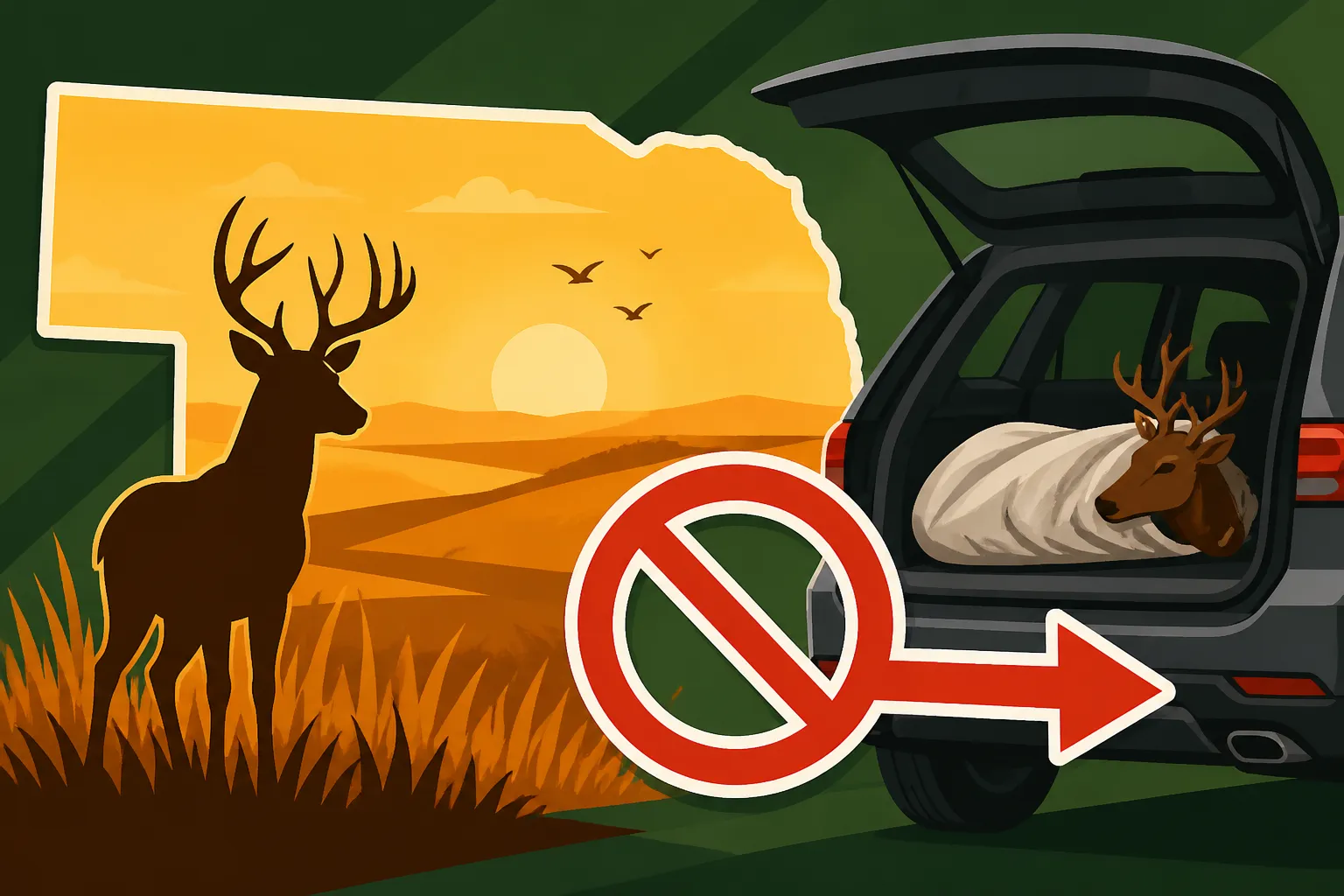
Generally, the rules focus on which parts of the animal are considered "high risk" for CWD transmission. These include the brain, spinal cord, eyes, spleen, lymph nodes, and tonsils. Because these tissues contain the highest concentration of prions, their movement is strictly regulated. This means that hunters cannot transport a whole deer, elk, or pronghorn carcass, or any high-risk parts, out of Nebraska or from a CWD management unit into a non-CWD unit, unless specific conditions are met.
Whole Carcass Ban and Permitted Parts
Let's break down what you can and cannot transport. You absolutely cannot transport a whole carcass or any of the high-risk parts mentioned above from Nebraska to another state. This is a hard and fast rule designed to protect other states from potential CWD introduction. This also applies to moving carcasses from a CWD-positive deer management unit to a CWD-negative unit within Nebraska. To find out which units are considered CWD-positive, it's always best to check the latest NGPC regulations or use resources like GoHunt that provide up-to-date hunting information and regulation summaries.
So, what can you take? The good news is that you can still take home the valuable parts of your harvest. Permitted parts for transport include:
- Boned-out meat: This is meat that has been completely separated from the bone. This is perhaps the safest and easiest way to transport your harvest.
- Quarters or other large pieces of meat: As long as all brain, spinal cord, and other high-risk tissues have been removed. This means no spinal column or skull attached to meat.
- Cleaned skull plate/antlers: The skull plate must be completely free of all brain tissue, hide, and other soft tissue. Often, boiling and scrubbing are required.
- Teeth: As long as they are removed from the skull.
- Hides: With no head attached and thoroughly cleaned of all tissue.
- Taxidermied trophies: Once fully processed by a licensed taxidermist, these are generally safe for transport.
These rules emphasize processing your animal in the field or at a designated processing facility within Nebraska before you leave. This helps contain any potential CWD prions within the state where the animal was harvested.
Processing Before Leaving the State
The most practical and compliant way to handle your harvest, especially if you're an out-of-state hunter, is to process it before you leave Nebraska. This often means field dressing your animal, boning out the meat, and properly disposing of the carcass waste (bones, head, spinal column) in a landfill or other approved facility within Nebraska. Some hunters even opt to use a commercial processor in Nebraska, who will handle all the cuts and packaging, ensuring compliance with transport rules.
If you plan to have a European mount or full skull mount, the skull must be completely cleaned. This involves removing all brain matter, eyes, and other soft tissues. Many hunters will boil the skull and scrape it clean before attempting to transport it. For antlered game, simply removing the skull plate with the antlers attached, ensuring no brain tissue remains, is a common practice. When you're making decisions about your trophy, it's always wise to double-check the latest regulations on Nebraska Deer Transport Requirements.
| Carcass Part | Transport Out of Nebraska (CWD-Positive Unit) | Transport Out of Nebraska (CWD-Negative Unit) | Notes |
|---|---|---|---|
| Whole Carcass | PROHIBITED | PROHIBITED | Regardless of unit, whole carcasses cannot leave NE. |
| Boned-out Meat | PERMITTED | PERMITTED | Meat separated completely from bone. |
| Quarters/Meat (no spine/skull) | PERMITTED | PERMITTED | High-risk tissues (brain, spinal cord) must be removed. |
| Cleaned Skull Plate | PERMITTED | PERMITTED | All brain, soft tissue removed. |
| Antlers | PERMITTED | PERMITTED | No brain tissue or hide attached. |
| Hide (no head) | PERMITTED | PERMITTED | Cleaned of all tissue. |
| Teeth | PERMITTED | PERMITTED | Removed from skull. |
| Internal Organs | PROHIBITED | PROHIBITED | Except for edible organs like heart and liver (cleaned). |
| Spinal Column | PROHIBITED | PROHIBITED | High-risk tissue. |
| Brain | PROHIBITED | PROHIBITED | High-risk tissue. |
This table provides a general summary. Always consult the official Nebraska Game and Parks Commission regulations for the most current and complete information.
Preparing Your Harvest for Compliance
Navigating these rules doesn't have to be daunting if you prepare properly. The key is to have a plan before you even head out for your hunt. This preparedness not only ensures compliance but also makes the process of getting your game ready for transport much smoother, especially when you consider challenges like Field Dressing and Cooling Game in Warm Weather.
Field Dressing and Initial Processing
The first step, always, is proper field dressing. This removes the entrails, which helps cool the carcass quickly, crucial for meat quality, especially during early archery seasons. Once field dressed, you'll need to decide on your next steps based on your desired final product and your travel plans. If you're planning on a European mount or full skull mount, you'll need to carefully remove the head and ensure it's kept cool for later cleaning. For those focused purely on meat, boning out the animal right there in the field is a fantastic option. This immediately separates the high-risk parts, like the spine, from the edible meat. You can then bag the boned-out meat into game bags, which are essential for keeping it clean and cool. Many hunters use their hunting app, like those offered by GoHunt, to mark the exact location where they disposed of any carcass waste, which is a good practice for accountability.
Professional Processing and Taxidermy Services
For many, especially non-resident hunters, utilizing a professional meat processor or taxidermist within Nebraska is the easiest and most stress-free option. These professionals are well-versed in the state's regulations and can ensure your harvest is prepared legally for transport. They'll bone out the meat, package it, and often handle the disposal of the restricted carcass parts. For trophies, a taxidermist will properly clean and prepare the skull or hide, making it compliant for transport across state lines. This completely takes the guesswork out of the process for you. Be sure to book these services in advance, especially during peak hunting seasons, as they can fill up quickly.
When utilizing professional services, make sure you communicate your travel plans clearly. Let them know if you're taking the meat or trophy out of state so they can ensure it meets all Nebraska requirements for out-of-state transport. This is a critical step in avoiding any issues at state borders.
Alternative: Bringing Only the Meat
If you're not interested in a trophy and just want the delicious venison, consider the "gutless method" for field processing. This technique allows you to remove all the meat from your deer or elk without gutting the animal, leaving all the bones and internal organs in the field. It’s incredibly efficient, especially for solo hunters or in rough terrain, and leaves you with only boned-out meat, which is the safest and easiest form for transport. Pack your meat into sturdy game bags, place them in coolers with plenty of ice, and you'll be well on your way to Getting Venison Home From Nebraska without any CWD-related worries. Always ensure your coolers are sealed and clearly labeled.
What Happens if You Don't Follow the Rules?
Ignoring Nebraska's carcass transport rules, whether intentionally or accidentally, can lead to some pretty significant headaches and consequences. These regulations aren't just suggestions; they are laws designed to protect public resources and prevent serious disease outbreaks. Law enforcement, including Game and Parks conservation officers, takes them very seriously.
Penalties and Fines
If you're caught transporting a non-compliant carcass out of Nebraska or between CWD zones, you could face substantial fines. These can range from hundreds to thousands of dollars, depending on the severity of the violation and whether it's a first offense. Beyond monetary penalties, your hunting permits could be revoked, and you might even face restrictions on hunting in Nebraska or other states in the future. Imagine having your prized hunting privilege stripped away because of a preventable error. Officers often set up checkpoints during peak hunting seasons, especially near state borders, so trying to "sneak" a carcass through is a risky gamble not worth taking.
The Risk to Wildlife and Hunting Opportunities
Beyond personal penalties, the biggest consequence of failing to follow transport rules is the potential spread of CWD. If an infected carcass part is moved to a new area and disposed of improperly, it could introduce the disease to a previously unaffected deer or elk population. This isn't just a theoretical risk; it's how CWD has spread to new regions across North America.
An outbreak of CWD can devastate local deer populations, leading to reduced herd numbers, diminished hunting opportunities, and increased management costs for wildlife agencies. It impacts the entire ecosystem and the hunting community as a whole. As responsible hunters, we have a duty to do our part to contain this disease. This means not only adhering to the rules but also participating in efforts like Nebraska CWD Sampling for Hunters when requested by the NGPC, and staying informed about updates on Chronic Wasting Disease in Nebraska. Every decision we make regarding carcass transport has a ripple effect on the future of hunting in Nebraska and beyond.
Conclusion
Successfully navigating Nebraska's carcass transport rules, especially those related to CWD, is a vital part of being a responsible and ethical hunter. While the regulations can seem a bit overwhelming at first glance, they boil down to a few key principles: understand what parts are high-risk, process your animal properly before leaving the state, and dispose of restricted materials responsibly within Nebraska. By prioritizing boned-out meat, thoroughly cleaned skulls, and utilizing professional processors when needed, you can ensure your harvest is compliant and your journey home is hassle-free. Stay informed by checking the latest Nebraska Game and Parks Commission regulations, and you'll be doing your part to protect the incredible hunting opportunities that Nebraska offers for generations to come.
Disclaimer
The information provided in this guide is for general informational purposes only and is not a substitute for official legal advice or current regulations. Hunting laws and regulations are subject to change. Always consult the most current Nebraska Game and Parks Commission regulations and official state resources before your hunt and during your trip to ensure full compliance.