Once-in-a-Lifetime Rules in Nebraska
If you've ever dreamt of chasing a truly iconic big game animal, a creature so rare or magnificent that the opportunity to hunt it is incredibly limited, you've likely bumped into the concept of "once-in-a-lifetime" permits. In Nebraska, these coveted tags represent the pinnacle of big game hunting, offering an unparalleled experience, but they also come with a unique set of rules that can be confusing and, let's be honest, sometimes a little heartbreaking when the draw results come out. This guide is here to demystify Nebraska's once-in-a-lifetime hunting rules, giving you a clear path forward as you prepare for your shot at an unforgettable hunt.
Understanding Nebraska's "Once-in-a-Lifetime" Permit System
The term "once-in-a-lifetime" is pretty self-explanatory, but in the context of Nebraska hunting, it carries specific weight and applies to certain highly sought-after species. Essentially, if you draw and successfully purchase one of these permits, you are generally ineligible to apply for or receive another permit for that same species in Nebraska ever again. This isn't just about preserving opportunity for more hunters; it's a critical tool for managing very small, fragile, or recovering populations of big game animals. It ensures that the limited number of animals available for harvest is spread out among as many different hunters as possible over time, rather than allowing a few lucky individuals to consistently draw these tags.
Imagine the frustration if you applied year after year for a bighorn sheep tag, only to see the same handful of names come up repeatedly. This rule is designed to prevent that scenario, leveling the playing field as much as possible for everyone who dreams of such an experience. It’s a way for the Nebraska Game and Parks Commission (NGPC) to allocate a scarce resource equitably, allowing a broad base of hunters to potentially fulfill a lifelong goal.
The Philosophy Behind Limited Opportunities
The philosophical underpinning of once-in-a-lifetime permits is rooted in conservation and fair chase. When a species has a very small population, or is undergoing a reintroduction program, hunting opportunities must be meticulously controlled. These permits allow for a highly regulated harvest that has minimal impact on the overall population, often targeting older, mature animals that have already contributed to breeding.
Furthermore, these hunts often represent significant fundraising opportunities for conservation efforts. The revenue generated from permit fees, and especially from the single auction tag available for bighorn sheep, directly funds habitat improvement, disease research, and ongoing management strategies for these species. So, while it feels like a personal quest, participating in these draws also contributes to the greater good of wildlife in Nebraska. It’s a testament to the idea that hunters are, and always have been, the leading conservationists.
Species Under the Once-in-a-Lifetime Banner
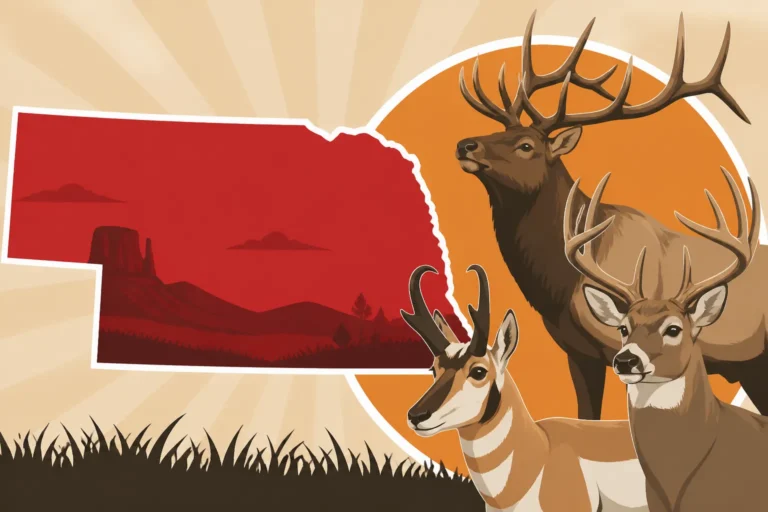
In Nebraska, the "once-in-a-lifetime" rule primarily applies to two magnificent big game animals: bighorn sheep and elk. Both represent unique hunting challenges and incredible trophies, but they are managed very differently due to their population status and distribution across the state. Understanding these distinctions is crucial for anyone planning to apply.
Bighorn Sheep: The Pinnacle of Nebraska Hunting
There's no denying that a Nebraska bighorn sheep tag is perhaps the most coveted hunting permit in the state, if not one of the most difficult to draw in the entire country. The bighorn sheep population in Nebraska is extremely small, primarily residing in the rugged, beautiful Pine Ridge region. The state has made incredible strides in Bighorn Sheep Restoration in Nebraska, but numbers remain low, leading to highly restricted hunting opportunities.
Each year, typically only one or two lottery permits are issued to residents or non-residents through a random draw, in addition to one special auction permit. Once you draw and purchase a Nebraska bighorn sheep lottery permit, that's it—you're done for life. You'll never be able to apply for another lottery permit for bighorns in Nebraska. This makes drawing a bighorn tag an almost mythical event, a truly life-changing experience for the few who are lucky enough. The odds are astronomically low, which only adds to the mystique and desirability. For serious hunters, monitoring the Nebraska Bighorn Sheep Lottery is a rite of passage, even if the chances are slim.
The existence of a single auction tag also helps fund conservation. This permit is sold to the highest bidder, and while it doesn't fall under the once-in-a-lifetime lottery rule (meaning the purchaser could potentially buy it again, though few do), it serves the same purpose of providing vital funding for the species. Hunters who buy this tag are often committed conservationists, willing to pay significant sums to support the species they cherish.
Elk: A Resident-Only Dream Hunt
Unlike bighorn sheep, Nebraska's elk permits are strictly for residents only. This is a critical distinction that often catches non-residents off guard. The state's elk herds, primarily located in the Pine Ridge, Monroe, and other scattered units, have seen remarkable growth over the years, but remain carefully managed. As such, permits are limited, and drawing an elk tag is also a once-in-a-lifetime opportunity for Nebraska residents. Once you successfully draw and purchase an elk permit, you cannot apply for another elk permit in Nebraska ever again.
This rule applies whether you draw a bull permit or an antlerless permit. Even if you hold an antlerless permit (which can sometimes be easier to draw) and harvest an animal, you've used your once-in-a-lifetime opportunity. This makes the decision of which elk unit to apply for, and whether to go for a bull or antlerless tag, a significant strategic choice for Nebraska hunters. For more detailed information on eligibility and herd locations, you can look into Nebraska Elk Permit Eligibility and Nebraska Elk Permit Numbers. The goal is the same as with bighorns: to spread the opportunity among as many residents as possible, fostering a broad base of support and experience with these magnificent animals.
Navigating the Application and Draw Process
Applying for once-in-a-lifetime permits in Nebraska is a distinct process from general deer or antelope permits. There are no preference points for these specific species, meaning every applicant (who meets the residency requirements for elk) has an equal chance each year they apply. This makes the draw a true lottery, exciting and nerve-wracking in equal measure.
Key Dates and Deadlines
The application period for most Nebraska big game permits, including these special tags, typically runs through June. It's an absolute must to mark your calendar for the Nebraska Draw Application Dates in June. Missing the deadline means missing your only chance for that year. The Nebraska Game and Parks Commission releases specific dates well in advance, and it's always wise to double-check their official website or the latest hunting guide.
Once the application window closes, the waiting game begins. The draw results are usually posted in late June or early July. This period can feel like an eternity, filled with anticipation and hopeful speculation. When the results finally drop, it's either exhilaration or a reminder to apply again next year. For many, it's a tradition to check When Nebraska Draw Results Are Posted with a cup of coffee, fingers crossed.
The Lack of Preference Points
One of the most significant differences for once-in-a-lifetime permits is the absence of a preference point system. For species like deer or antelope, hunters can often buy a preference point if they don't draw a tag, increasing their odds in subsequent years. However, for bighorn sheep and elk, the draw is a pure lottery. Every application is treated equally, regardless of how many years you've applied previously.
This can be frustrating, especially for those who have been putting in for decades. You might hear stories of someone drawing an elk tag on their first try, while another hunter has applied for twenty years with no luck. That's the nature of a true random draw. It emphasizes the "luck" factor, but also means that anyone has a chance, which is part of the appeal. While you can accumulate Nebraska Preference Points for other species, don't expect them to help you with these unique tags.
Researching Odds and Managing Expectations
Given the low odds, especially for bighorn sheep (often less than 1% for a lottery tag), it's vital to manage your expectations. Applying is an act of hope and a contribution to conservation, but it's rarely a guarantee. For serious trophy hunters, tools like GoHunt can provide invaluable data and insights into draw odds and historical trends for various units. While there are no preference points to track, you can research historical draw odds on platforms such as GoHunt to get a realistic picture of the competition.
It's also worth researching the specific units. For elk, some units may have slightly better draw odds than others, or offer different types of terrain and hunting experiences. GoHunt also offers detailed unit profiles that can help you make an informed choice, even if the odds remain low across the board. The goal isn't just to draw any tag, but the right tag for your dream hunt, should fortune favor you.
Strategic Planning and Key Considerations
Drawing a once-in-a-lifetime permit is just the first step. The real work begins afterward. These hunts are often physically demanding, require extensive scouting, and demand a level of preparation far beyond a typical general season tag.
Physical and Mental Preparation
A bighorn sheep hunt in the Pine Ridge, or an elk hunt in remote units, can push your physical limits. The terrain is rugged, with steep inclines, deep canyons, and often vast distances to cover. If you're fortunate enough to draw one of these tags, immediately begin a rigorous physical training regimen. Hiking with a weighted pack, cardiovascular endurance, and strength training will be your best friends.
The mental game is just as important. These hunts can be emotionally taxing, with long days of no sightings, challenging weather, and the pressure of a "once-in-a-lifetime" opportunity. Maintaining a positive attitude, persistence, and patience are crucial. It's easy to get discouraged, but the reward is worth every ounce of effort.
Scouting and Professional Guidance
Pre-season scouting is paramount. For bighorn sheep, gaining an understanding of their typical haunts in the Nebraska Pine Ridge is essential. For elk, understanding the specific unit you drew, including potential Nebraska Elk Herd Locations, bedding areas, and water sources, will give you a significant advantage. This could involve several trips to the area, glassing from vantage points, looking for sign, and familiarizing yourself with the landscape.
Many hunters who draw these tags choose to hire a guide. While Nebraska doesn't require a guide for these hunts, a reputable outfitter can dramatically increase your chances of success, especially for species like bighorns that live in extremely challenging terrain and require specialized knowledge. Guides know the land, the animal behavior, and can assist with logistics, tracking, and recovery, which can be invaluable when you're hunting in remote areas.
Financial Planning for the Hunt
Beyond the permit cost, a once-in-a-lifetime hunt can be a significant financial investment. Consider the costs of:
- Gear: High-quality optics (spotting scope, binoculars), boots, clothing layers for varied weather, a reliable rifle or bow setup.
- Travel and Lodging: Multiple scouting trips, travel to the hunt area, and accommodations during the hunt.
- Guide Fees: If you opt for professional guidance, these can range from several thousand to tens of thousands of dollars, especially for bighorn sheep.
- Meat Processing and Taxidermy: If successful, you'll want to preserve your trophy and the meat.
- Permit Fees: While the lottery permit fees are generally reasonable, the auction tag for bighorns sells for very high amounts.
Creating a detailed budget is a critical step once you've drawn a tag. It ensures you can fully embrace the experience without unexpected financial stress. Many hunters use services like GoHunt to stay on top of application deadlines and rule changes, but also to research gear options and hunt planning resources. A GoHunt membership might be a worthwhile investment for the serious big game hunter.
The Importance of Ethical Hunting
With such rare opportunities, maintaining the highest ethical standards is non-negotiable. This means:
- Fair Chase: Adhering strictly to fair chase principles, ensuring the animal has a reasonable chance to escape.
- Respect for the Animal: Making a clean shot, efficient recovery, and proper field dressing. For tips on this, consider reading up on Field Dressing and Cooling Game in Warm Weather.
- Following Regulations: Knowing and abiding by all Nebraska Game and Parks Commission rules, including tagging, reporting, and transport requirements.
- Landowner Relations: If any part of your hunt involves private land access (which is rare for these particular species, but still important), maintaining excellent relations with landowners is key. You can learn more about Getting Private Land Permission in Nebraska, even for less restrictive hunts.
These hunts are a privilege, and every hunter has a responsibility to represent the hunting community in a positive light. The success of conservation efforts, and the continuation of these hunting opportunities, depends on it.
| Species | "Once-in-a-Lifetime" Rule Applies | Typical Permit Numbers (Annual Lottery) | Residency Requirement | Primary Hunt Area(s) | Draw Odds (General Estimate) |
|---|---|---|---|---|---|
| Bighorn Sheep | Yes (Lottery Permit) | 1-2 | None | Pine Ridge (North & South) | Extremely Low (Sub 1%) |
| Elk | Yes (All Permits) | Varies by Unit (typically 10-50 per unit) | Resident Only | Pine Ridge, Monroe, Hat Creek, etc. | Low (Varies by Unit, <5%) |
Managing Expectations and Embracing the Journey
For most hunters, drawing a once-in-a-lifetime tag in Nebraska will remain a distant dream. The odds are simply that long. However, that doesn't mean you shouldn't apply! Every application supports conservation, and every year offers a fresh chance at an incredible experience. Think of it as buying a lottery ticket that also contributes to a good cause.
Many seasoned hunters find joy in the annual ritual of applying, the anticipation of the draw, and the detailed research that goes into picking units and planning a dream hunt, even if that hunt never materializes. It's part of the broader hunting experience, a connection to the wild and the possibility of a truly epic adventure. Remember, applying for Nebraska Big Game Permits and How to Get One is always the first step. Even if you don't draw an elk or bighorn tag, there are many other incredible hunting opportunities in Nebraska, such as Bowhunting Nebraska's Four-Month Archery Season or pursuing pheasants in the CRP fields.
Disclaimer
The information provided in this guide is for general informational purposes only and is subject to change. Hunting regulations, permit availability, and season dates are determined by the Nebraska Game and Parks Commission and can be modified annually. Always consult the official Nebraska Game and Parks Commission website and current hunting guides for the most accurate and up-to-date information before applying for permits or planning any hunting activity.