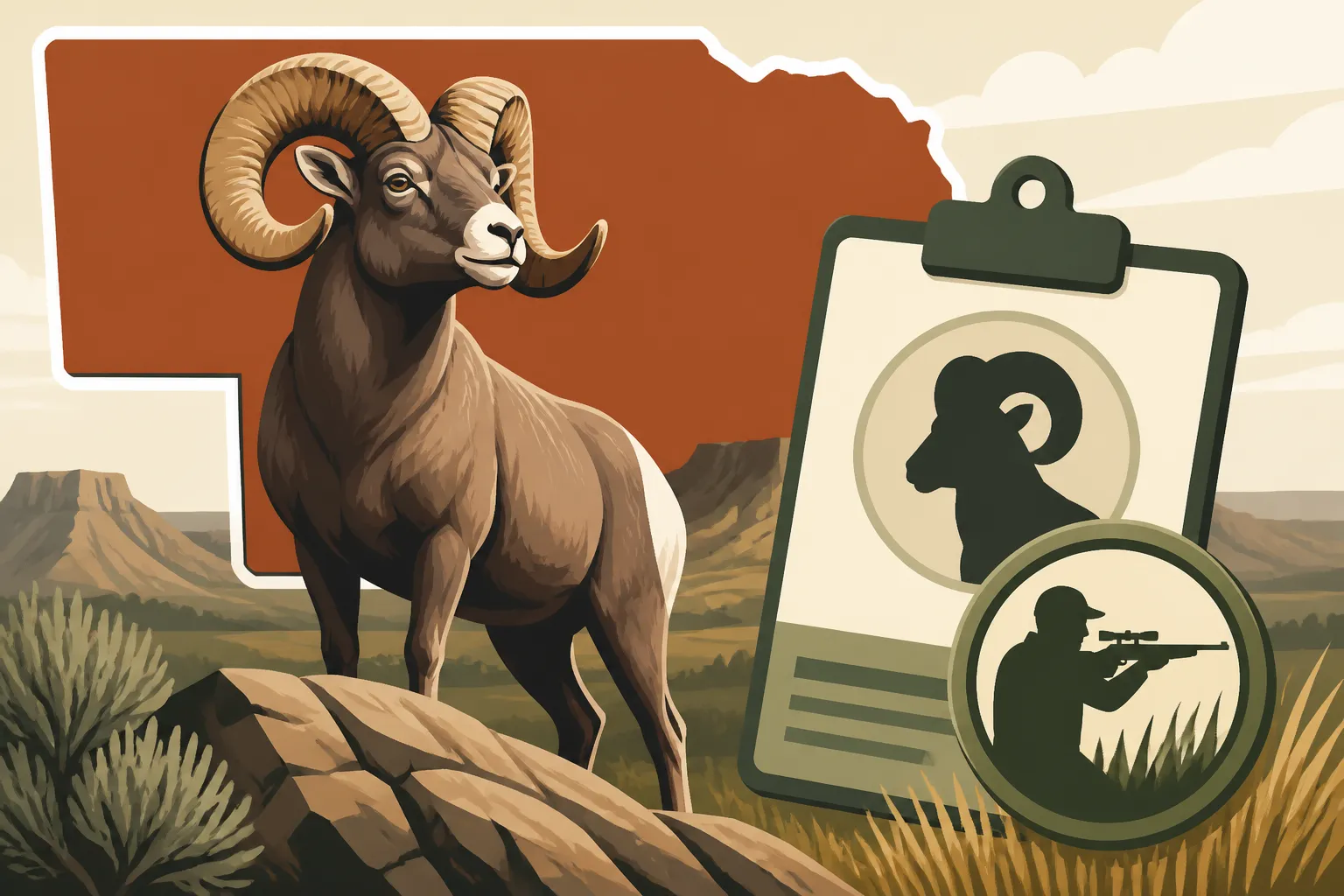
Nebraska Bighorn Sheep Auction Permit
For most hunters, the idea of chasing a bighorn sheep in Nebraska sounds like a dream, often unattainable. The extreme rarity of these permits, especially the unique auction permit, can make understanding the process feel incredibly complex and out of reach. This comprehensive guide is here to demystify the Nebraska bighorn sheep auction permit, breaking down its purpose, how it works, and what it means for conservation in the Cornhusker State.
Understanding the Nebraska Bighorn Sheep Program
Nebraska's bighorn sheep program is a testament to dedicated conservation efforts, bringing these majestic animals back to their historic range. It’s a story of careful management, scientific understanding, and a passionate commitment to wildlife. The auction permit plays a critical, albeit limited, role in sustaining these efforts, providing crucial funding for a species that requires significant resources to thrive.
The History and Restoration of Bighorn Sheep in Nebraska
It's hard to imagine, but Nebraska was once home to bighorn sheep. Unfortunately, like in many other states, overhunting, disease, and habitat loss led to their disappearance by the early 1900s. For decades, the towering bluffs and rugged canyons of the Pine Ridge were silent of the clatter of ram horns. The journey to bring them back began in 1981, when the Nebraska Game and Parks Commission (NGPC) started reintroducing bighorns into the Wildcat Hills and Pine Ridge areas. These initial efforts faced challenges, but persistence paid off.
The herds slowly began to establish themselves, a truly remarkable conservation achievement. While still small compared to populations in western states, these herds are a vibrant part of Nebraska's wildlife heritage once more. For those keen to learn more about the specifics of the species, you can delve into articles like Bighorn Sheep in the Nebraska Pine Ridge. The success of this restoration is why we even have a permit, let alone an auction. It’s a delicate balance, ensuring that any hunting opportunities are sustainable and directly benefit the population's long-term health.
The Purpose of the Auction Permit in Conservation
The bighorn sheep auction permit isn't just about giving one hunter a chance at a ram; it's a vital financial engine for the entire bighorn sheep program. Each year, one permit for a single bighorn sheep is allocated to the Nebraska Bighorn Sheep Society, a non-profit organization dedicated to the conservation of this species. This society then auctions off the permit at a national convention, typically the Wild Sheep Foundation's annual event. The funds generated from this auction — often substantial, reaching hundreds of thousands of dollars — are then directed back to the NGPC exclusively for bighorn sheep management, research, and habitat projects.
This funding is critical because bighorn sheep management is incredibly expensive. It covers everything from disease monitoring (especially concerning illnesses like pneumonia, which can decimate herds, as explored in Bighorn Pneumonia in Nebraska Herds), habitat improvements, population surveys, and potential future reintroductions. Without the auction permit, many of these crucial initiatives would either be severely underfunded or simply wouldn't happen. It's a direct way for a dedicated conservationist to make an extraordinary financial contribution to the species they cherish, far beyond the cost of a typical hunting license.
How the Nebraska Bighorn Auction Permit Works
The mechanics of obtaining a Nebraska bighorn sheep auction permit are unique and cater to a specific type of conservation-minded hunter who is willing and able to contribute significantly to the species' future. It's a process distinct from the traditional lottery draws, designed to maximize financial returns for the conservation program.
Eligibility and Bidding Process for the Auction Permit
Unlike other permits, the Nebraska bighorn sheep auction permit is not part of the standard lottery system. Instead, it's sold to the highest bidder at a premier conservation auction. This means there are no draw odds to calculate or preference points to accumulate, like you might track for deer or elk permits on platforms like GoHunt. The primary "eligibility" requirement is the financial capability to bid at a level that secures the permit, often competing against other affluent and passionate conservationists from across the country.
The actual bidding takes place at large, well-known conservation conventions. These events attract individuals and organizations committed to wildlife conservation, and the auction permit is usually one of the highlights, raising significant funds. The successful bidder, whether an individual or a group, gains the right to hunt one bighorn ram in Nebraska during the specified season. They are still required to comply with all Nebraska hunting regulations, including holding a valid Nebraska hunting permit and habitat stamp, but the bighorn permit itself is acquired through this high-stakes auction process.
Financial Impact and Conservation Funding
The financial impact of the auction permit on Nebraska's bighorn sheep conservation is profound. While the state also offers a limited number of public draw permits each year (you can read more about these in Nebraska Bighorn Sheep Lottery Odds), the revenue generated from those, while important, pales in comparison to the single auction permit. The auction often brings in anywhere from $200,000 to well over $400,000 in a given year. For instance, recent auction permits have garnered impressive sums, directly fueling the state's efforts to maintain and expand the bighorn herds. This income stream is crucial for the long-term health of the species.
The funds are managed carefully by the Nebraska Game and Parks Commission, specifically earmarked for projects that directly benefit bighorns. This could include purchasing new trap nets for population studies, funding research into bighorn genetics, controlling predator populations in bighorn ranges, or improving water sources and forage in the rugged Pine Ridge. For any hunter looking to make a massive, tangible difference to a species, the auction permit represents an unparalleled opportunity to contribute directly to the future of Nebraska's bighorns. It’s a significant investment, but one that leaves a lasting legacy for the species.
Here's a quick comparison of the two primary ways to obtain a Nebraska bighorn sheep permit:
| Feature | Auction Permit | Lottery Permit |
|---|---|---|
| Availability | One permit per year | 1-4 permits per year (highly variable) |
| Acquisition | High bid at a conservation auction | Random draw from eligible applicants |
| Cost | Typically $200,000 – $400,000+ | Standard permit fee (e.g., ~$200 for residents) |
| Eligibility | Financial capacity to bid (no residency rules) | Primarily residents, with some nonresident options |
| Funds Go To | 100% to bighorn conservation programs | General hunting and wildlife funds |
| Odds of Getting | Highest bidder wins | Extremely low (often <1% for residents) |
| Focus | Major conservation funding | Fair opportunity for hunters |
The Experience of Hunting a Nebraska Auction Bighorn
Securing a Nebraska bighorn sheep auction permit isn't just about the financial transaction; it's about embarking on one of the most exclusive and challenging hunting adventures available. This isn't your average deer hunt; it's an intense, guided pursuit in some of Nebraska's most stunning and demanding terrain.
Planning Your Once-in-a-Lifetime Hunt
Once the auction permit is secured, the real planning begins for what truly is a once-in-a-lifetime hunt. The Nebraska Game and Parks Commission works closely with the auction tag holder to coordinate their hunt. Due to the rarity and value of the permit, and the challenging terrain where bighorns live, these hunts are almost always guided. Reputable outfitters specializing in mountain hunts are often recommended or even required, ensuring the hunter has the best possible chance of success while adhering to ethical hunting practices and conservation goals.
The hunt will typically take place in the rugged Pine Ridge or Wildcat Hills regions of the Nebraska Panhandle. This isn't the flat farmland many associate with Nebraska; this is country that demands physical fitness, patience, and excellent glassing skills. Hunters will spend days, potentially weeks, glassing slopes and canyons for a mature ram. The importance of quality optics cannot be overstated; gear like Optics for Glassing the Nebraska Sandhills will be essential here, as will a reliable rifle setup capable of ethical long-range shots, similar to those discussed in Rifle Setups for Nebraska's Open Country. It's an immersive experience, connecting with the landscape and the unique challenges of hunting wild sheep.
Unique Opportunities and Responsibilities
The auction permit holder isn't just a hunter; they become a direct partner in Nebraska's bighorn sheep conservation. This means the hunt often comes with unique opportunities and responsibilities. Biologists from the NGPC may accompany the hunt, not only to ensure compliance but also to gather valuable data on the harvested animal. This could involve taking tissue samples for disease testing, measuring horn growth, or assessing the ram's overall health – all contributing to a better understanding of the herd. This hands-on involvement with the scientific side of conservation is a unique aspect of this permit.
Beyond the hunt itself, auction permit holders often become ambassadors for bighorn conservation. Their stories and experiences help raise awareness and inspire others to support wildlife initiatives. It's a chance to see firsthand the fruits of decades of restoration labor, from the first tentative reintroductions to the thriving, albeit small, herds that now roam the Pine Ridge. The harvest of a bighorn ram under this permit is more than just a trophy; it's a symbolic success for conservation, a tangible outcome of financial commitment and biological stewardship, mirroring the pride felt during The First Bighorn Season Since Restoration. This unique permit offers a chance to be part of a truly special chapter in Nebraska's hunting and conservation history.
Disclaimer
Please remember that hunting regulations, permit availability, and conservation programs can change. Always consult the most current Nebraska Game and Parks Commission regulations and official publications before planning any hunting activity. The information provided here is for general guidance and informational purposes only.