Nebraska Pheasant Season Opening Date
There's nothing quite like the anticipation of Nebraska's pheasant opener. For many of us, it marks the true beginning of fall, a time to dust off the shotgun, leash up the dogs, and hit the fields. But pinning down that exact date, especially when you're planning travel or coordinating with buddies, can sometimes feel like trying to catch a rooster in a blizzard – confusing and frustrating. This comprehensive guide is here to clear the air, giving you all the nitty-gritty details about when Nebraska's pheasant season typically kicks off, what to expect, and how to make the most of those cherished opening days.
Understanding Nebraska's Annual Pheasant Opener
Nebraska’s pheasant season is a long-standing tradition, deeply ingrained in the culture of the state. It's an event that draws hunters from all corners, eager to walk the stubble fields and experience the thrill of a flushing rooster. Knowing when the season officially opens is the first crucial step in planning your hunt, and while it's generally consistent, there are nuances to be aware of.
The General Season Opening Date
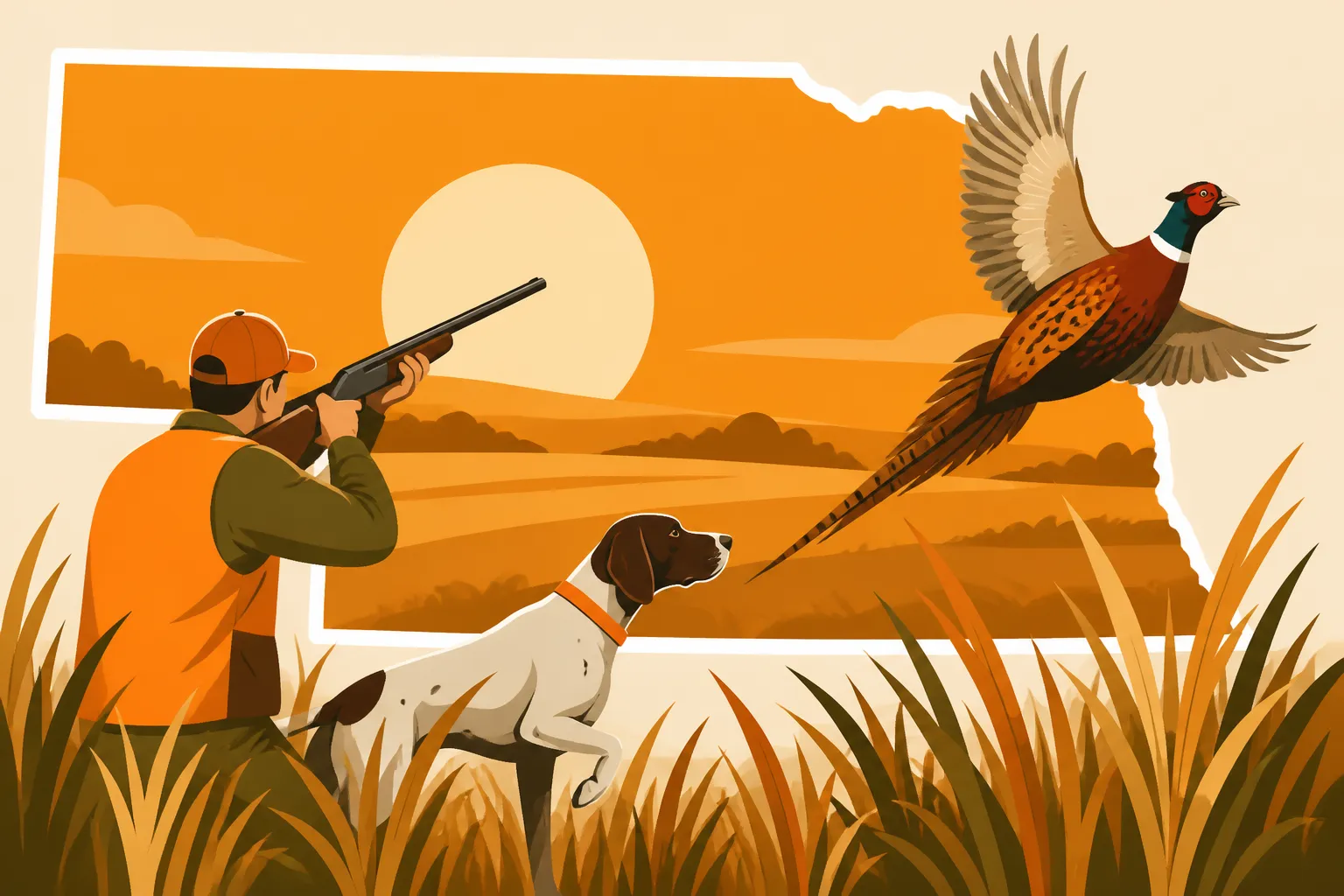
For most of us, the general pheasant season opening date is the one we mark on our calendars with a big, red circle. In Nebraska, the general pheasant season traditionally opens on the last Saturday in October. This timing is consistent year after year, offering a reliable benchmark for planning. So, if you're looking at your calendar for the upcoming fall, just pinpoint the last Saturday of October, and that's your general opener. This date usually gives the birds a bit more time to mature and allows for some cooler weather to set in, which is always a welcome relief for both hunters and dogs when you're Walking Nebraska Pheasant Cover With a Dog. It also tends to coincide with some crops being harvested, which can change bird distribution significantly.
The Nebraska Game and Parks Commission (NGPC) sets these dates well in advance, usually publishing the full slate of Upland Season Dates and Bag Limits in the spring or early summer. It’s always a good practice to double-check the official regulations each year, as minor adjustments can sometimes occur, though the general pheasant opener is quite stable. Websites like GoHunt are fantastic resources for quick reference on these dates, offering state-specific breakdowns that are easy to navigate, cutting down on the guesswork. You don't want to show up a week early, or worse, a week late, to the party!
Youth Pheasant Season: A Head Start for Young Hunters
Before the general season officially opens its gates, Nebraska offers a fantastic opportunity for its younger hunters with a dedicated youth pheasant season. This special season typically runs for a weekend, usually the weekend immediately preceding the general opener. So, if the general season starts on the last Saturday of October, the youth season would be the Saturday and Sunday before that. This provides a less crowded, more focused experience for youth aged 15 and younger, allowing them to hone their skills without the added pressure of a large crowd.
It’s an invaluable program aimed at fostering the next generation of conservationists and hunters. Mentored hunts during this period are common, with experienced adults guiding youngsters through the fields. It's also a great way for parents or mentors to scout areas without the full pressure of opening day, observe bird behavior, and create lasting memories. This early start can also lead to better success rates for youth, as the birds haven't been as pressured. The rules for the youth season are generally the same as the general season regarding bag limits, but the age restriction is strictly enforced. It's a testament to Nebraska's commitment to hunter recruitment and retention, understanding that a positive early experience can hook a young hunter for life.
Why the Dates Are Chosen
The selection of these opening dates isn't arbitrary; it's a careful balance of biological factors, hunter opportunity, and agricultural considerations. The last Saturday in October for the general opener is strategic for several reasons. Biologically, it ensures that most of the pheasant broods have matured. Pheasants hatched in the spring need time to grow to full size and develop their vibrant plumage. An earlier opener might result in smaller, less developed birds, which isn't ideal for hunters or the long-term health of the population.
From an agricultural standpoint, by late October, a significant portion of the row crops, especially corn and milo, has been harvested across the state. This is crucial because standing crops provide dense cover that can make hunting incredibly difficult and less effective. Once the crops are off, pheasants are concentrated in remaining cover like grass fields, shelterbelts, and cattail sloughs, making them more accessible to hunters. The timing also aims to avoid peak deer hunting activity in some areas, though there's still considerable overlap with archery deer season. The Nebraska's Ring-Necked Pheasant Story is a fascinating one, and the season dates play a big part in managing this beloved game bird. The NGPC works diligently to analyze population data, weather patterns, and harvest reports to ensure sustainable hunting opportunities year after year.
Essential Preparations for Opening Day Success
Knowing the date is just the beginning. To truly enjoy and succeed on Nebraska's pheasant opener, a good chunk of preparation is in order. From bureaucratic paperwork to physical conditioning, getting ready for the season is part of the fun and significantly boosts your chances of success.
Getting Your Permits and Habitat Stamp
Before you even think about loading up your shotgun, ensure all your legal ducks (or pheasants!) are in a row. Every hunter in Nebraska, resident or nonresident, needs a valid Nebraska hunting permit. On top of that, you'll also need a Nebraska Habitat Stamp. This stamp is vital, as the funds generated directly support the acquisition, development, and maintenance of wildlife habitats across the state, which benefits pheasants and countless other species. Even if you're only targeting upland birds, this stamp is a non-negotiable requirement. You can find detailed information on these requirements in resources like Nebraska Habitat Stamp Requirements.
For those looking to save time and hassle, buying these permits online through the NGPC website or authorized vendors is the easiest way. Don't wait until the last minute on opening morning; technical glitches or long lines can ruin your plans. If you're a nonresident, especially, confirm any specific requirements or potential limitations. While pheasant permits aren't usually subject to draws like big game tags, it's always smart to be prepared. Utilizing a platform like GoHunt can help you consolidate all your research on permits and ensure you haven't missed any critical deadlines or requirements for a seamless start to your hunt.
Scouting Before the Season Kicks Off
Successful pheasant hunting isn't just about showing up; it's about showing up in the right spot. Scouting, even for pheasants, is a game-changer. Driving around likely areas a few weeks before the opener can give you invaluable insights into bird numbers and where they're holding. Look for fields with good residual cover, shelterbelts, creek bottoms, and areas adjacent to harvested crops. These are the places pheasants will gravitate to once their primary food and cover sources are gone.
Paying attention to crop rotation and harvest status is paramount. A field that held birds last year might be a bean field this year, offering little cover. Also, identify potential public access points, whether through Wildlife Management Areas or Nebraska's Open Fields and Waters Program lands. Many of these Open Fields and Waters tracts are specifically managed for upland birds, and their boundaries and access points are clearly marked. A little pre-season legwork, driving country roads and studying maps, can save you hours of fruitless walking on opening day. Remember, early season birds in standing cover can be incredibly tough to find without solid intel.
Gear Check and Dog Training
The opener is not the time to discover your shotgun has a rusted firing pin or your hunting boots have a new hole. A thorough gear check is essential. This includes your shotgun (cleaned and patterned), your ammunition (ensure you have the right shot size for early season birds, perhaps #5 or #6 lead shot for traditional areas, or steel shot if hunting on a WMA requiring nontoxic shot), and your hunting vest. Consider the specific type of shotgun and loads that work best for Shotguns and Loads for Nebraska Pheasants. Don't forget essentials like a blaze orange hat and vest, plenty of water for yourself and your dog, and a quality game bag.
If you hunt with a dog, their preparation is just as critical. The weeks leading up to the opener should include conditioning walks to get them back in shape and some refresher drills on commands like "whoa," "fetch," and "heel." Even if you're Hunting a Pheasant Field Without a Dog, physical conditioning for yourself is important, as walking miles of dense cover can be surprisingly demanding. Early season weather can still be warm, so ensure your dog is acclimated and has access to water frequently to prevent overheating. A well-conditioned dog is a happy dog, and a happy dog finds more pheasants!
What to Expect on Nebraska's Pheasant Opener
Opening day in Nebraska is a unique experience. It's a blend of camaraderie, excitement, and sometimes, a little frustration. Understanding the dynamics of the day can help manage expectations and lead to a more enjoyable hunt.
Navigating Crowds and Public Land Pressure
Let's be real: opening day, especially on public land, is going to be busy. There's just no way around it. Hunters from all over the state, and many nonresidents who specifically come to Nebraska for the pheasants, will be out in force. Popular areas on WMAs and Open Fields and Waters tracts will see significant pressure. This is where your pre-season scouting truly pays off. Knowing less-trafficked corners or being willing to walk a little further from the truck can make all the difference. Insights from Nebraska Pheasant Opener Crowds will tell you that the early bird truly gets the worm, or at least a less-pressured field.
If you prefer to avoid the crowds, consider targeting smaller, less obvious patches of cover, or look into Hunting Open Fields and Waters Tracts for Pheasants that might be off the main roads. Some hunters even coordinate with buddies to 'block and drive' fields, a tactic that can be very effective but requires good communication and safety protocols. Patience is key. If your first spot is crawling with trucks, simply move to your second or third option. The beauty of Nebraska is that there's usually another promising spot just a short drive away.
Early Season Bird Behavior and Cover
Early season pheasants are often a bit less wary than their late-season counterparts, but they can still be challenging. They'll primarily be found in dense cover: tall grass, thick shelterbelts, cattail sloughs, and any standing row crops that haven't been harvested yet. The phrase "knee-high by the Fourth of July" for corn is long past, meaning standing corn can be shoulder-high or taller, providing incredible concealment.
Birds tend to hold tight in thick cover, often requiring a dog or a methodical walking pace to flush. Expect longer flushes than you might see later in the season; these birds haven't been shot at yet, and they're more likely to run or flush wild if they sense danger from a distance. A strong, steady dog is invaluable during this time, helping to pin down running birds and retrieve downed ones from dense vegetation. Remember to follow up on every flush, as sometimes birds will fall unseen in the heavy cover.
Weather Conditions to Anticipate
Nebraska weather in late October can be incredibly unpredictable. You could have a warm, sunny day in the 60s, or it could be blustery with temperatures in the 30s, or even a sudden cold snap with a dusting of snow. This variability means layering your clothing is crucial. Think moisture-wicking base layers, an insulating middle layer, and a wind- and water-resistant outer shell. Gear & Optics articles on Clothing for Nebraska Wind and Cold offer great advice on this.
Warm weather can be tough on dogs, so carrying extra water and taking frequent breaks in the shade are non-negotiable. Cold, windy days can be fantastic for pheasants, often making them hold tighter, but they're a challenge for hunters. Be prepared for mud if there's been recent rain, and always pack a change of clothes for the ride home. Checking the local forecast right up until the morning of your hunt is a wise move, helping you make those last-minute adjustments to your clothing and game plan.
Key Regulations Beyond the Opening Date
While knowing the opening date is paramount, a successful and legal hunt requires understanding a few other critical regulations. Ignorance of the law is never an excuse, and Nebraska Game and Parks takes its rules seriously.
Daily Bag and Possession Limits
Once you've successfully flushed and harvested a rooster, it's essential to know your limits. Nebraska has specific daily bag and possession limits for pheasants, designed to ensure sustainable hunting pressure. Currently, the daily bag limit is generally three roosters, and the possession limit (the total number of birds you can have on your person or in your vehicle at any given time) is typically twelve roosters. It's crucial to verify these numbers each year in the current regulations, as they can occasionally be adjusted based on population surveys and habitat conditions.
These limits apply to both the general and youth seasons. Only male pheasants (roosters) can be harvested. Hen pheasants are protected to ensure breeding populations for the following year. This is where proper identification comes into play, especially in thick cover. A rooster's vibrant plumage, long tail, and distinct crow are usually unmistakable, but always be 100% sure before you shoot. Overlooking these basic rules can lead to significant penalties, including fines and loss of hunting privileges.
Blaze Orange and Safety Requirements
Safety is always the top priority when hunting, and Nebraska has specific requirements regarding blaze orange for upland bird hunters. During the general pheasant season, hunters are required to wear at least 400 square inches of blaze orange on their head, chest, and back. This makes you highly visible to other hunters, especially in dense cover, and significantly reduces the risk of accidents. For more specific details, you might want to review Nebraska's 400-Square-Inch Orange Rule.
This requirement applies to both public and private lands during the general season. The youth season often has similar requirements. Always wear a blaze orange hat and a vest that meets the minimum square inch requirement. This isn't just a rule; it's a critical safety measure that protects everyone afield. Additionally, always follow basic firearm safety rules: treat every gun as if it's loaded, be sure of your target and what's beyond it, keep your finger off the trigger until ready to shoot, and know your hunting partners' locations at all times, especially when walking a field.
Tagging and Transporting Your Birds
Once you've harvested your pheasants, the job isn't quite done. While Nebraska doesn't typically require physical tags for pheasants in the same way big game animals do, there are still rules about their transportation. Generally, you need to ensure that at least one fully feathered wing remains attached to the bird while in transport from the field to your home or processing facility. This allows game wardens to identify the species and, if necessary, the sex of the bird, ensuring compliance with bag limits.
Once you get home, or to your camp, you can then fully process the birds. If you're traveling across state lines, be aware of the rules for transporting game birds in any state you pass through, as well as your destination state. Many states have similar requirements about a wing being attached. Always keep your hunting permit and habitat stamp handy, as well as any relevant identification, as you might be asked to show them by law enforcement or game officials. This small but important step helps preserve the integrity of the hunt and ensures fair play for all.
Disclaimer
Please remember that hunting regulations can change. While this guide aims to provide accurate and up-to-date information, it is always your responsibility to consult the official Nebraska Game and Parks Commission's current hunting guide and regulations before heading into the field. State laws, season dates, bag limits, and other requirements are subject to change.