Nebraska CWD Sampling for Hunters
When you head out into the Nebraska landscape, whether it’s the Sandhills or a familiar river bottom, the last thing you want to worry about is the health of the deer you’ve harvested. Yet, chronic wasting disease (CWD) is a very real concern that impacts our deer and elk populations, and as responsible hunters, understanding the sampling process is a vital part of helping manage this issue. This guide will walk you through everything you need to know about CWD sampling in Nebraska, from what it is to how you can contribute.
Understanding Chronic Wasting Disease and Its Impact
Let's be honest, hearing about wildlife diseases can be a bit unsettling. You're out there enjoying nature, making memories, and suddenly there's this invisible threat. But understanding CWD isn't just about fear; it's about being informed and taking proactive steps to protect the herds we love to hunt and observe.
What CWD Means for Deer and Elk in Nebraska
Chronic Wasting Disease is a nasty neurological disease that affects cervids – that's deer, elk, and moose. It's caused by abnormal proteins called prions, not a bacteria or virus, and it's always fatal. Think of it like a slow, degenerative brain disease that eventually leads to emaciation, abnormal behavior, and death. It's truly heartbreaking to see an animal suffering from it.
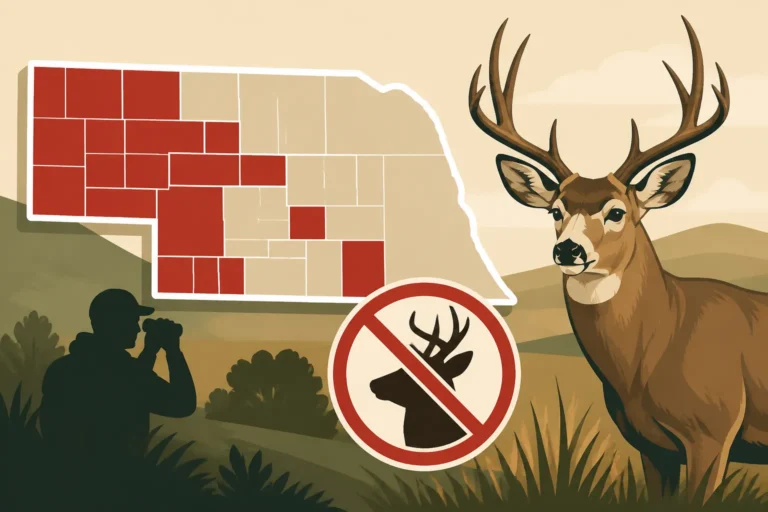
Unfortunately, CWD has a long incubation period, meaning an infected animal can appear perfectly healthy for months, even years, before showing symptoms. This makes it incredibly difficult to track and control. It has been present in Nebraska for quite some time now, slowly spreading through various regions. The Nebraska Game and Parks Commission (NGPC) has been diligently monitoring its presence, and you can find detailed information on Chronic Wasting Disease in Nebraska, including Where CWD Has Been Found in Nebraska and even CWD Prevalence by Deer Unit, which shows the specific areas where the disease is more common. This knowledge is crucial for us as hunters, as it helps us understand the landscape of this challenge.
Why Hunter Participation in Sampling is Crucial
As hunters, we're not just consumers of wildlife; we're often the first line of defense and critical partners in conservation. The data collected from CWD sampling is absolutely vital for the Nebraska Game and Parks Commission. It's how they get a real-time pulse on the disease's distribution and prevalence across the state. Without our help, their ability to monitor and manage CWD would be severely hampered.
Every single deer head turned in for sampling contributes to a larger picture that helps biologists understand where the disease is spreading, if certain management units have higher rates, and how best to adapt regulations. This information directly influences decisions like issuing special antlerless permits in certain areas to manage herd numbers, which can potentially slow the spread. While there's no confirmed evidence of CWD transmitting to humans, health organizations like the CDC still recommend not consuming meat from CWD-positive animals. By participating in sampling, you're not only helping wildlife but also ensuring the safety and peace of mind for you and your family. Your efforts are a direct contribution to how Game and Parks, and organizations like GoHunt, track and share this important data for the hunting community, building on the critical work of scientists who figure out How Game and Parks Counts Wildlife.
How and Where to Get Your Harvest Sampled in Nebraska
So, you've successfully harvested a deer, and now you're wondering, "Okay, what do I do with it regarding CWD?" The process might seem a little daunting at first, but NGP has made it as straightforward as possible for hunters to contribute. Knowing the rules and where to go makes all the difference.
Mandatory vs. Voluntary Sampling Zones
It's important to know that CWD sampling in Nebraska isn't always mandatory across the entire state for every deer. Historically, NGPC has designated specific deer management units, often those with higher CWD prevalence, as mandatory sampling areas for certain seasons or permit types. However, this can change from year to year based on disease dynamics, so always check the latest regulations before your hunt.
Even if you're hunting outside a mandatory sampling zone, voluntary sampling is always encouraged. Every sample helps fill in the map and provides valuable data. These regulations are subject to change, so staying up-to-date with the Nebraska Deer Unit Boundary Changes is crucial. This helps you know if your permit falls under mandatory testing or if you're just voluntarily helping out. The best practice is always to assume you should test, especially if you plan on consuming the meat.
Finding a Sampling Location Near You
NGPC has established a robust network of sampling locations to make it easier for hunters. These typically include Nebraska Game and Parks Commission district offices, designated check stations during peak hunting seasons (especially the November firearm season), and a list of cooperating veterinarians who can collect samples.
For example, you might find drop-off sites at regional NGP offices in places like Ak-Sar-Ben Aquarium (Gretna), Kearney, Alliance, Norfolk, or North Platte. Many of these are staffed during regular business hours, but some might have specific CWD drop-off procedures outside those times. Your best bet is to check the official NGPC website or the current hunting guide for a list of specific locations, operating hours, and any special instructions. The Nebraska Public Access Atlas Mobile App can also be a fantastic tool, often updated with links or information about sampling sites. It’s a great idea to plan your sampling strategy before you even head out, especially if you're going to be in a more remote area. Websites like GoHunt often integrate mapping data that can pinpoint these vital locations, helping you make an informed decision on where to take your harvest.
The CWD Sampling Process for Hunters
Alright, let's get into the nitty-gritty of what actually happens when you decide to get your deer tested for CWD. It's a fairly simple process, but there are a few key things you need to do to ensure the sample is collected correctly and yields accurate results.
Preparing Your Harvest for Sampling
First things first: you need to properly prepare your deer. For CWD testing, what's usually needed are the lymph nodes and a section of the brainstem, which are found in the head and upper neck region. This means you'll need to remove the head from the carcass.
After you've successfully field dressed your animal, ensuring that you've followed best practices for Field Dressing and Cooling Game in Warm Weather, carefully remove the head and about 4-6 inches of neck attached. It's critical to keep the head cool, especially if you're not going directly to a sampling station. Place it in a cooler with ice, but try to keep the head itself out of direct water contact if possible to prevent degradation of the tissue. A plastic bag around the head, inside the cooler, often works well. The sooner you can get the sample to a station or collect it yourself, the better the quality of the sample will be for testing. Don't leave it in the sun or a warm vehicle for extended periods, as this can make the sample unusable.
The Self-Sampling Option: What to Expect
For those who hunt in more remote areas or prefer to handle the process themselves, NGP might offer self-sampling kits. These kits typically contain everything you need to collect the lymph node tissue yourself, along with detailed instructions, gloves, and packaging for mailing.
If you opt for a self-sampling kit, make sure you follow the instructions exactly. This usually involves locating specific lymph nodes at the base of the skull or the back of the jaw. These are delicate tissues, and getting the right sample without contamination is crucial for accurate results. Once collected, you'll package the sample according to the kit's instructions, fill out all the necessary paperwork (including your permit number and harvest location), and then mail it back to the designated lab. It's a fantastic option for convenience, but the responsibility for accurate collection falls squarely on your shoulders. Checking resources from the Nebraska Game and Parks Commission, or even guides found on platforms like GoHunt, can often provide clear diagrams or video tutorials to help you confidently collect the sample.
Receiving and Interpreting Your CWD Test Results
Once your sample is submitted, patience is key. The lab needs time to process the tissue and conduct the tests. Typically, it can take several weeks to receive your results, especially during peak hunting seasons when the labs are swamped.
NGPC usually provides a way for hunters to check their results online using their permit number or a unique ID given at the sampling station. If your animal tests negative for CWD, you'll generally receive a notification stating "no detectable CWD." It's important to understand this isn't a "CWD negative" certification, but rather that CWD was not detected in the sample provided. If, unfortunately, your animal tests positive, NGPC will likely contact you directly to discuss the results and provide recommendations for proper disposal of the carcass. They will advise against consuming the meat. Remember, adherence to Carcass Transport Rules Out of Nebraska is also paramount, especially if you plan to move any part of your harvest outside the state, regardless of test results.
Best Practices and Hunter Responsibility
Being a responsible hunter goes beyond just ethical harvesting. It means understanding and actively participating in the management of wildlife, especially when it comes to diseases like CWD. Our collective actions can make a real difference in the long-term health of Nebraska's deer and elk.
Minimizing CWD Spread
One of the most effective ways we can help limit the spread of CWD is by understanding and adhering to carcass transport regulations. Nebraska, like many states, has strict rules about transporting deer carcasses, particularly across state lines or even between certain deer management units. The general rule of thumb is to bone out your animal in the field and only transport the meat, hide, skull cap, and antlers. Leaving the spinal column, brain, and other high-risk tissues at the harvest site or disposing of them properly is crucial.
Proper disposal means taking those high-risk carcass parts to a permitted landfill or burying them deeply on private land (with landowner permission, of course). Never just dump carcass parts on public land or along a roadway. This simply creates new potential infection sites. Also, be mindful of where you hunt and how deer congregate. Avoiding artificial feeding sites, where deer can gather in close proximity, can reduce transmission risk. For detailed information, always refer to the latest Nebraska Deer Transport Requirements published by NGPC.
Personal Safety and Consumption Guidelines
While there have been no confirmed cases of CWD transferring to humans, health organizations like the Centers for Disease Control and Prevention (CDC) advise extreme caution. They recommend not consuming meat from any animal that tests positive for CWD. It's a "better safe than sorry" approach that every hunter should take seriously.
Beyond CWD testing, general hygiene during field dressing and processing is always important. Wear gloves, minimize contact with brain and spinal tissues, and thoroughly clean your knives and processing equipment with soap and water or a bleach solution after handling any game meat. These are simple steps that ensure your safety and that of anyone who might consume your harvest. Reputable hunting information sources, including those found on GoHunt, consistently reinforce these crucial personal safety guidelines for hunters everywhere.
Staying Informed with Nebraska Game and Parks
The CWD situation is dynamic, meaning regulations and recommendations can change. New areas might be designated as mandatory sampling zones, or new research might lead to updated best practices. As hunters, it's our responsibility to stay informed.
Make it a habit to regularly check the Nebraska Game and Parks Commission website, especially before the start of each hunting season. They are the authoritative source for the most up-to-date information on CWD, including current hot spot areas, sampling station locations, and any changes to carcass transport rules. Attending local hunter education courses or workshops can also provide valuable updates and a chance to ask questions directly to NGP staff. Your active engagement ensures you're always hunting ethically and contributing positively to conservation efforts, including submitting your Reporting a Nebraska Deer Harvest information accurately.
Important Disclaimer
The information provided in this guide is for general educational purposes only and is not a substitute for official regulations. Hunting regulations, CWD management zones, and sampling procedures can change annually. Always consult the most current Nebraska Game and Parks Commission hunting guide and official website before participating in any hunting activities or CWD sampling efforts.