CWD Prevalence by Deer Unit
It's completely understandable to feel a knot in your stomach when you hear about Chronic Wasting Disease (CWD) and what it could mean for your hunting season. The idea of investing time, effort, and money into a hunt, only to potentially harvest an animal affected by CWD, is a real concern for many of us. This guide aims to pull back the curtain on CWD prevalence across Nebraska's deer units, helping you understand the landscape of this disease so you can make informed decisions about where and how you hunt.
Understanding Chronic Wasting Disease (CWD) and Its Impact
Let's start by getting a clear picture of what CWD actually is. It’s a progressive, fatal neurological disease that affects deer, elk, and moose. It belongs to a family of diseases known as transmissible spongiform encephalopathies (TSEs), and it's caused by abnormal proteins called prions. These prions essentially turn a healthy animal's brain into a spongy mess, leading to neurological symptoms that are ultimately fatal. You might see deer that appear emaciated, exhibiting abnormal behaviors, or struggling with coordination.
The really tough part about CWD is that once an animal is infected, there's no cure, and it's always fatal. It's a slow-acting disease, meaning an animal can be infected for a long time before showing any symptoms, which makes detection challenging. This isn't just a concern for the individual animal; it poses a significant threat to the long-term health and stability of deer populations. When we talk about Chronic Wasting Disease in Nebraska, it's a conversation that touches on everything from herd management to hunter ethics.
Why CWD Matters to Nebraska Hunters
Beyond the obvious concern for the animals themselves, CWD carries a heavy weight for hunters. First, there's the potential impact on public health. While there haven't been any confirmed cases of CWD transmission to humans, health organizations generally advise against consuming meat from CWD-positive animals. For many of us, providing healthy, wild game meat for our families is a primary reason for hunting, and CWD introduces an element of uncertainty into that.
Then, there's the aesthetic and ethical aspect of the hunt. No one wants to harvest a sick animal. It impacts the quality of the hunting experience and raises questions about responsible wildlife management. Over time, if prevalence rates climb in certain areas, it could even lead to reduced deer populations and stricter hunting regulations, which would be a blow to Nebraska's rich hunting heritage. Hunters are often the first line of defense in monitoring wildlife health, and understanding CWD is crucial for us to play that role effectively.
Tracking CWD: How Nebraska Monitors Deer Units
Nebraska Game and Parks (NGP) takes CWD monitoring seriously, and their efforts are critical for understanding the disease's spread and impact across the state. Their surveillance program involves collecting samples from harvested deer, particularly in areas where CWD has been detected or is suspected. Hunters play a huge part in this, often submitting lymph node samples from their deer voluntarily at check stations or designated collection sites. This comprehensive sampling is how the state determines Where CWD Has Been Found in Nebraska and helps track its progression.
The agency focuses its sampling efforts strategically, often targeting specific deer management units that have historically shown higher prevalence, or those that border affected areas in neighboring states. They also look at areas with high deer densities, as more animals in close proximity can increase the potential for disease transmission. It's an ongoing, year-round effort that relies heavily on hunter participation and cooperation.
What "Prevalence" Really Means for Hunters
When we talk about "CWD prevalence" in a deer unit, what we're really discussing is the percentage of tested animals within that specific geographical area that have come back positive for CWD. It's not a count of every infected deer, but rather a snapshot of the disease's presence based on the samples collected. A unit with a 2% prevalence rate means that, out of all the deer tested in that unit, 2 out of every 100 were CWD-positive.
For a hunter, understanding prevalence is key to making informed decisions. A low prevalence rate doesn't mean there's no CWD, but it suggests a lower likelihood of encountering an infected animal. Conversely, units with higher prevalence rates might lead a hunter to consider extra precautions, such as getting their harvested deer tested or choosing a different unit altogether. It’s about weighing the known risks against your personal comfort level and hunting goals.
It's also important to remember that these numbers are dynamic. Prevalence can shift from year to year due to various factors like deer population dynamics, environmental conditions, and continued disease spread. That's why NGP's ongoing monitoring and hunter participation in testing are so vital. If you’re ever unsure about the status of a specific area, contacting the local NGP office or checking their most recent reports is always a good idea. Getting a Nebraska Deer Tested for CWD is one of the most proactive steps you can take after a harvest.
A Closer Look at CWD Prevalence by Nebraska Deer Unit
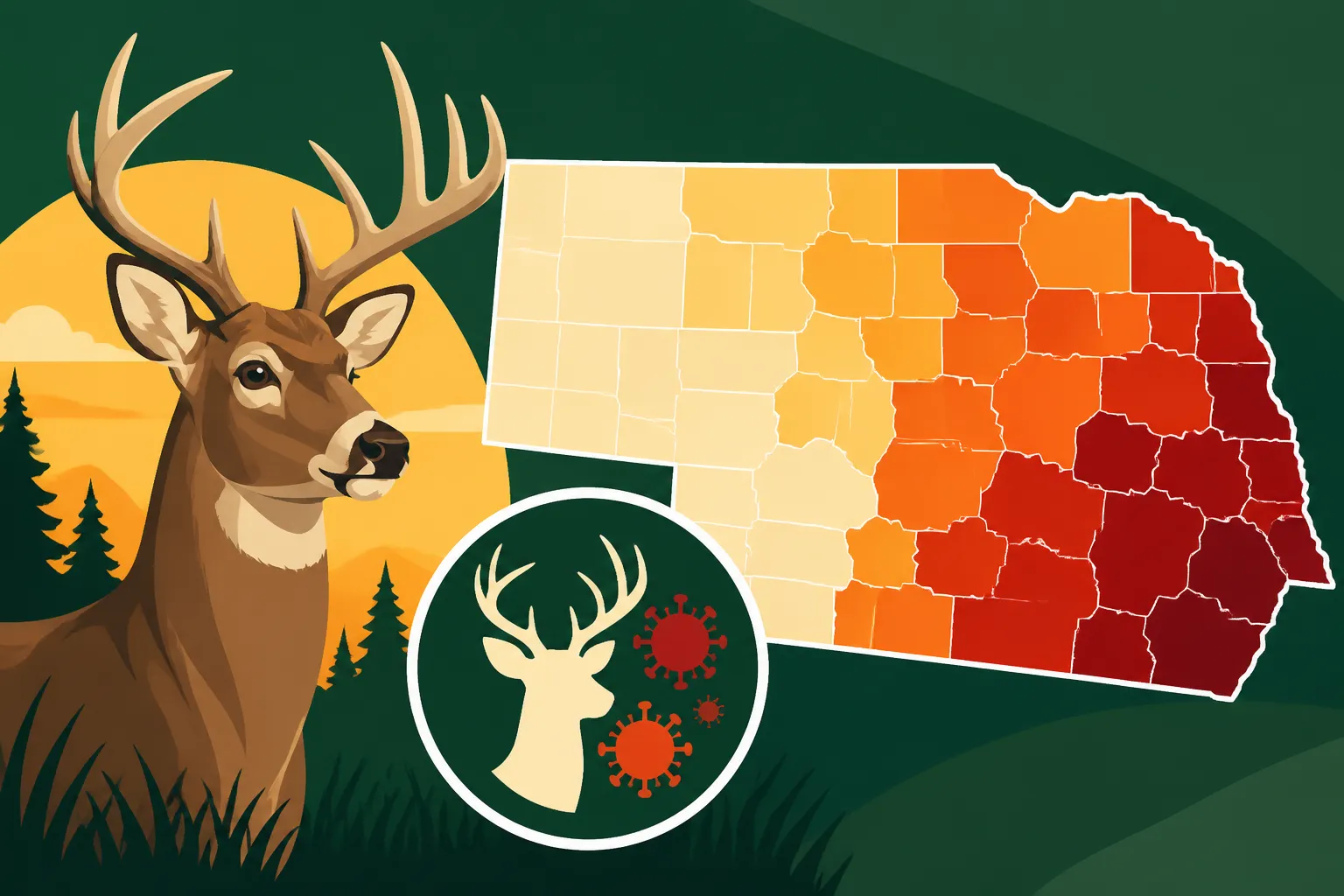
The distribution of CWD across Nebraska isn't uniform; it's a dynamic and somewhat patchy landscape, with certain regions showing higher prevalence rates than others. Generally speaking, CWD was first detected in western Nebraska, particularly in the Panhandle, and has since slowly spread eastward. This historical trajectory means that units in the western parts of the state, especially those bordering states with established CWD populations, tend to have a longer history with the disease and, consequently, sometimes higher observed prevalence.
For instance, areas in the Pine Ridge often show a higher percentage of CWD-positive deer compared to some central or eastern units. The landscape there, with its mixed habitats and deer movement patterns, likely plays a role. In contrast, many of the rich agricultural units of eastern Nebraska historically reported lower rates, but even those areas have seen CWD detections, indicating a slow but steady eastward expansion. It's never static, and Nebraska Deer Unit Boundary Changes or even subtle shifts in deer behavior can influence prevalence.
Factors Influencing Unit-Specific Prevalence
Several factors contribute to why CWD prevalence can differ so significantly from one deer unit to another:
- Deer Density: Units with higher deer populations can sometimes see increased prevalence because there are more opportunities for deer-to-deer transmission. More deer congregating around food sources, water, or bedding areas can facilitate the spread of prions.
- Habitat and Geography: Certain habitats, like dense river bottoms or specific forest types, might concentrate deer more, increasing contact. Units with varied terrain, such as the Sandhills or the Pine Ridge, also present unique challenges for disease monitoring and spread.
- Deer Movement: The natural movement patterns of deer, especially bucks during the rut, can play a significant role in spreading CWD to new areas. If a deer from a high-prevalence area moves into a new unit, it can introduce the disease.
- Human Factors: Hunter harvest rates and carcass disposal practices also influence prevalence. Improper disposal of infected carcasses can contaminate the environment, making prions available to other deer for years. This is why rules around Carcass Transport Rules Out of Nebraska are so important.
- Surveillance Intensity: It's worth noting that units with more intensive sampling efforts might appear to have higher prevalence simply because more animals are being tested. This doesn't necessarily mean the disease is more widespread, just that it's being more thoroughly documented.
When planning a hunt, checking current prevalence data for your chosen unit, or at least the general region, is a practical step. Tools like GoHunt can help you visualize unit boundaries and potential access points, allowing you to cross-reference with CWD data available from Nebraska Game and Parks.
Here's a generalized look at how CWD prevalence might be characterized across different regions of Nebraska:
| Nebraska Region | General CWD Prevalence Trend | Contributing Factors | Hunter Considerations |
|---|---|---|---|
| Western Panhandle | Historically higher; established presence for many years. | Proximity to affected states (e.g., Wyoming, Colorado), early detection, denser mule deer populations in some areas. | High awareness needed. Consider testing all harvested deer. Familiarize yourself with Carcass Transport Rules Out of Nebraska. |
| Pine Ridge | Elevated and sometimes increasing, particularly in white-tailed deer. | Mixed habitat (forest, breaks), deer movement, historical detection. | Important to get deer tested. Understand specific unit regulations. |
| Central Sandhills | Lower, but with sporadic detections and potential for slow increase. | Generally lower deer densities in vast open areas, but CWD is present. | Remain vigilant. Testing is a good idea. Use resources like Reading a Nebraska Deer Unit Boundary for area specifics. |
| Platte River Valley | Varied; localized increases in some river bottom units. | High white-tailed deer densities in rich habitat, potential for deer congregation and movement along riparian corridors. | Be informed about specific units. Proper field dressing and disposal are crucial. |
| Eastern Farm Country | Generally lower, but with increasing detections and potential for emergence in new areas. | Proximity to human population centers, high deer numbers in fragmented habitat, continued slow eastward spread. | Stay updated on local unit data. Consider testing, especially if deer looks unusual. |
Remember, this table provides a generalized overview. Always consult the latest reports from Nebraska Game and Parks for the most current, unit-specific information. The situation can change, and being informed is your best defense. When using maps to plan your hunt, whether physical maps or digital ones from a service like GoHunt, pay close attention to the Nebraska Deer Management Unit Permits you're applying for and their associated boundaries.
Hunting Smart in a CWD-Present Landscape: Best Practices
Hunting in a state like Nebraska where CWD is present means taking a proactive and responsible approach. It's not about giving up hunting, but rather adapting your practices to ensure you're part of the solution in managing this challenging disease. Your vigilance helps protect the health of Nebraska’s deer herds, which is vital for both White-Tailed Deer Across Nebraska and Mule Deer in the Nebraska Sandhills and Panhandle.
Informed Unit Selection
Before you even head out, take the time to research the CWD status of the deer units you're considering. Nebraska Game and Parks provides invaluable resources, including maps and data on where CWD has been detected and, in some cases, prevalence rates. If you’re able, perhaps consider units with historically lower prevalence, especially if you have particular concerns about CWD. However, don't let CWD completely dictate your hunting strategy; rather, let it inform your preparation and post-harvest actions.
Some hunters might choose to focus on areas that are more isolated or have lower deer densities, theorizing that the risk of transmission might be reduced. While there's no guarantee, diversifying your hunting areas can be a good strategy. Using mapping tools like those offered by GoHunt can help you overlay CWD data with public land access, making it easier to plan your movements.
Carcass Handling and Disposal
This is a critical area where hunters can make a real difference. If you harvest a deer, proper carcass handling is essential to prevent the spread of CWD prions.
- Minimize Movement: If you harvest a deer in an area known to have CWD, try to field dress it at the kill site. This leaves potential CWD-infected materials (like the brain and spinal cord) in the area where the animal was harvested, rather than transporting them to a new location.
- Designated Disposal: Always dispose of carcass waste responsibly. Nebraska has regulations about Nebraska Deer Transport Requirements, particularly concerning which parts of a deer can be transported out of certain CWD management zones. Check these rules carefully before you move your animal. Often, you're encouraged to leave the brain, spinal cord, eyes, spleen, and lymph nodes at the kill site or at a licensed landfill. Never dump carcass parts indiscriminately in new areas.
- Hygiene: Use separate knives and tools for field dressing if possible, and clean all equipment thoroughly with a bleach solution (50/50 bleach and water) after handling any deer, especially if you plan to process meat.
Testing Your Harvest
Getting your deer tested for CWD is one of the most proactive steps you can take. Nebraska Game and Parks often provides free CWD testing for harvested deer, especially during key seasons. After you've successfully harvested and completed your Nebraska Deer Tagging and Checking Rules, locate a CWD sampling station or contact NGP for instructions on submitting a sample. They will usually ask for the lymph nodes from the neck. This relatively simple step provides peace of mind and, crucially, helps the state track the disease, leading to better management decisions.
The testing process typically involves submitting specific tissues to a lab. You'll usually get results back in a few weeks. If your deer tests positive, you'll be notified, and it's generally advised not to consume the meat. This isn't just about personal health; it's about being a responsible steward of the wildlife resource. Don't forget to complete your Reporting a Nebraska Deer Harvest as required, regardless of CWD status.
Tools and Resources for Hunters
Staying informed means knowing where to look for reliable information.
- Nebraska Game and Parks Website: This is your primary source for the latest CWD data, regulations, testing locations, and disposal guidelines. They often update their information annually.
- Public Access Atlas: While primarily for locating public hunting lands, this resource can also help you understand unit boundaries and plan your movements, which is indirectly related to CWD management.
- Hunting Apps: Platforms like GoHunt offer detailed mapping layers that can show public/private land, unit boundaries, and topography. While they might not have real-time CWD prevalence data, they are excellent for scouting and visualizing the areas you're interested in, allowing you to cross-reference with NGP’s CWD reports. Using such tools to understand the geographical context of prevalence data can make a big difference in your hunt planning.
By staying educated, practicing responsible field hygiene, and participating in voluntary testing, you become an essential partner in Nebraska's efforts to manage CWD and protect its deer populations for future generations of hunters.
Disclaimer
This article is for general informational purposes only and does not constitute professional advice. Laws, prices and regulations vary by location and change over time. Consult a qualified professional for guidance on your specific situation.