How Many Pronghorn Nebraska Holds
For hunters dreaming of chasing speed goats across the open prairie, a common frustration is simply not knowing where to start or how many of these incredible animals are even out there. You might scour maps, talk to other hunters, and still feel like you're just guessing. This guide is here to shed light on Nebraska's pronghorn population, offering you a realistic look at their numbers, where they live, and what influences their herds, helping you approach your pursuit with greater confidence and understanding.
Understanding Nebraska's Pronghorn Population Numbers
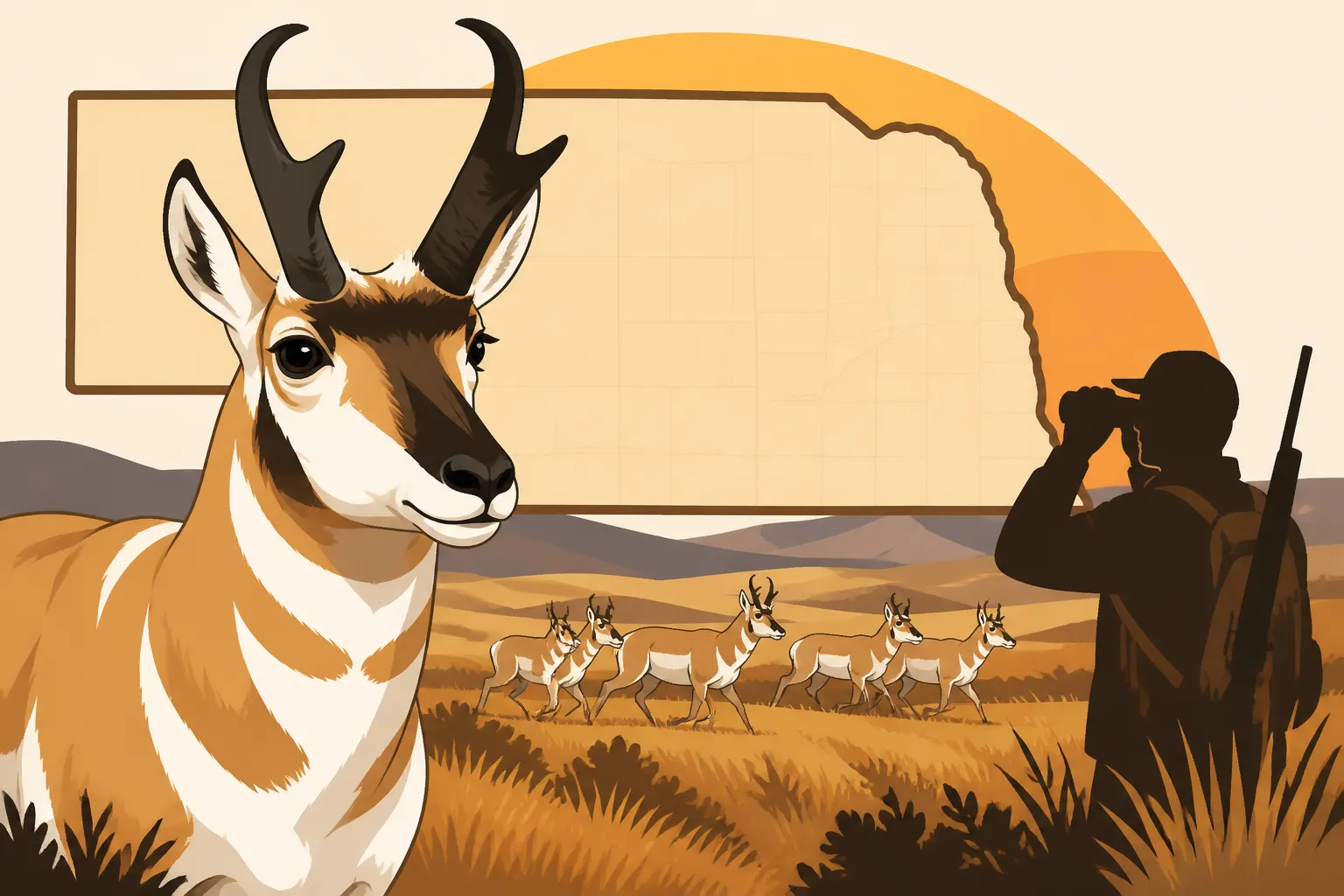
It's natural to wonder, "Just how many pronghorn are roaming Nebraska?" These iconic animals, often mistakenly called antelope, are a true symbol of the western plains. While they aren't found statewide like white-tailed deer, their presence in the western and Sandhills regions adds a unique flavor to the state's hunting landscape. Pinpointing an exact, real-time number can be elusive, but wildlife agencies dedicate significant resources to population surveys and estimates to give us the best possible picture. These estimates are crucial for setting seasons and managing herd health.
These population figures aren't just arbitrary numbers pulled from thin air; they are the result of careful aerial surveys, ground observations, and habitat assessments. Wildlife biologists spend countless hours flying transects in helicopters or fixed-wing aircraft, counting visible animals, and then extrapolating those counts across larger management units. It’s a painstaking process, but it’s the most effective way to understand the health and distribution of these wide-ranging animals. This data helps us appreciate the scale of their presence and the challenges involved in managing them effectively across such vast landscapes.
How Nebraska Game and Parks Estimates Pronghorn Herds
The Nebraska Game and Parks Commission (NGPC) relies primarily on aerial surveys to estimate pronghorn populations. Imagine flying low over vast stretches of the Sandhills or the Panhandle, systematically covering grids, and counting every pronghorn you see. This is often done in late fall or early winter when snow cover can make animals more visible against the landscape, and after the hunting seasons have concluded. These surveys provide density estimates that are then applied to the total range within specific management units.
It’s not just about a simple count; biologists also look at herd composition. They try to classify animals into bucks, does, and fawns during these surveys. This buck-to-doe ratio and fawn recruitment rate are vital indicators of herd health and future population trends. A low fawn count might signal a tough fawning season due to weather or predator pressure, while an imbalance in buck-to-doe ratios could affect genetic diversity. Understanding these dynamics is paramount for sustainable management, ensuring that hunting opportunities align with the population's ability to rebound.
Recent Trends in Pronghorn Numbers
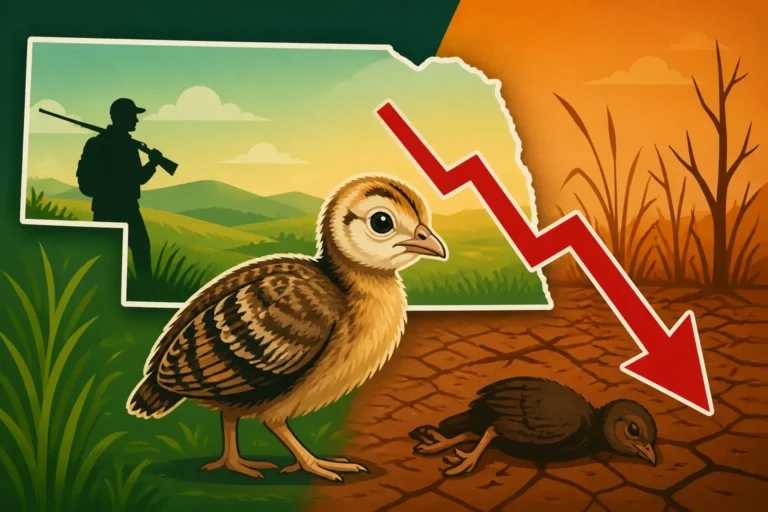
Over the years, Nebraska's pronghorn population has seen its share of ups and downs, influenced by a complex interplay of environmental factors and management strategies. Generally, the herds have remained relatively stable, though specific units can experience fluctuations. Weather patterns, especially severe winters with heavy snow cover or prolonged droughts, can significantly impact survival rates and fawning success. Habitat changes, like the conversion of native rangeland to agriculture, also play a role, as do disease outbreaks or shifts in predator populations.
It's important for hunters to stay informed about these trends, as they directly affect permit allocations and hunting opportunities. For example, a few mild winters followed by good moisture could lead to an increase in fawn survival and better overall numbers, potentially translating to more available permits in subsequent years. Conversely, a harsh winter can decimate parts of a herd, leading to reduced tag numbers to allow the population to recover. Resources like the GoHunt platform can be invaluable for tracking these trends and understanding how they might influence your hunting strategy.
Historical Trends and Factors Influencing Pronghorn Herds
Pronghorn have always been synonymous with the American West, but their numbers have not always been consistent. Understanding the historical context of Nebraska's pronghorn population helps us appreciate their resilience and the ongoing efforts to maintain healthy herds. From near extirpation to significant comebacks, their story is one of adaptation and careful management.
Pronghorn Population Declines and Recoveries
Like many big game species in North America, pronghorn populations experienced dramatic declines in the late 19th and early 20th centuries. Unregulated hunting, coupled with widespread habitat loss and agricultural expansion, pushed their numbers to alarmingly low levels across their range, including in Nebraska. It's hard to imagine now, but at one point, it was thought they might disappear entirely from many states. This period serves as a stark reminder of the impact human activity can have on wildlife.
Thankfully, concerted conservation efforts, including the establishment of wildlife agencies, regulated hunting, and habitat protection, led to significant recoveries. In Nebraska, strategic reintroductions and better land management practices allowed pronghorn to gradually expand their range and numbers, primarily re-establishing strongholds in the western and Sandhills regions. This comeback is a testament to the effectiveness of modern wildlife management and the dedication of conservationists and hunters alike. Today, while we have healthy herds, vigilance is still required to protect them from new threats.
Key Environmental Factors Affecting Pronghorn Survival
Pronghorn are uniquely adapted to open grasslands and semi-arid environments, which means their survival is intricately linked to the health of these ecosystems. A critical factor is available forage and water. During dry years, when grasses are sparse and water sources diminish, pronghorn can suffer, especially does trying to raise fawns. Healthy rangelands with diverse plant species provide the essential nutrition they need to thrive, particularly during the harsh Nebraska winters.
Another significant environmental factor is weather. Deep, prolonged snow cover can be particularly devastating for pronghorn. Their narrow hooves aren't designed for deep snow, making it difficult for them to move and access forage. Pronghorn Winter Kill in the Panhandle can become a real concern after severe storms, leading to substantial reductions in local populations. Mild winters, on the other hand, generally contribute to higher survival rates for both adults and fawns, allowing herds to grow. Disease, though less frequent, can also play a role, impacting localized populations.
Where Nebraska's Pronghorn Thrive: Key Habitats and Concentrations
Nebraska is a diverse state geographically, but when it comes to pronghorn, their distribution is far from uniform. These magnificent animals are creatures of the open country, thriving where there's ample space to roam, suitable forage, and minimal human disturbance. Understanding their preferred habitats is key to finding them and appreciating the challenges of managing them across the state.
Pronghorn Range in Nebraska
The vast majority of Nebraska's pronghorn population is concentrated in the western half of the state. This includes the expansive Sandhills region, with its rolling grasslands, wet meadows, and occasional hayfields, and the rugged Panhandle, characterized by buttes, canyons, and vast tracts of shortgrass prairie. These areas offer the ideal blend of open terrain, diverse vegetation, and often, less dense human development that pronghorn require to thrive. You'll rarely, if ever, encounter a pronghorn in the eastern, more agricultural parts of the state.
Within these broad regions, pronghorn aren't evenly spread. They tend to congregate in specific areas that offer the best mix of food, water, and cover from the elements. This is where researching specific units and understanding local topography becomes crucial for hunters. Where Nebraska Antelope Concentrate details these hotspots, and scouting on public access areas or getting permission on private land in these regions will significantly increase your odds of encountering them. Digital mapping tools, such as those offered by GoHunt, can also help hunters pinpoint potential pronghorn habitat and public access points within these prime areas, making pre-season scouting much more efficient.
Ideal Pronghorn Habitat Characteristics
What exactly makes a piece of land ideal for pronghorn? It's a combination of specific habitat characteristics that cater to their unique biology and behaviors. First and foremost, they need expansive, unobstructed views. Their incredible eyesight, often compared to that of a human with binoculars, is their primary defense mechanism against predators. They prefer flat to gently rolling terrain where they can spot potential threats from a long distance.
Secondly, diet is paramount. Pronghorn are selective foragers, preferring a diverse array of forbs, shrubs, and some grasses, rather than solely grazing on tall, lush grasses. Sagebrush, silverleaf scurfpea, and various wildflowers are all crucial components of their diet, providing essential nutrients. Areas with a mosaic of these plant communities, along with accessible water sources like stock ponds, windmills, or natural springs, represent prime pronghorn real estate. Overgrazed pastures or dense woodlands are generally avoided, as they don't offer the food or visibility these animals require.
The Challenges Pronghorn Face in Nebraska
While Nebraska's pronghorn herds are generally stable, they are not without their challenges. Understanding these hurdles is vital for both hunters and conservationists to ensure the long-term health and vitality of these remarkable animals. From the direct impact of severe weather to indirect threats from human expansion, a variety of factors can make life tough for a pronghorn on the prairie.
Habitat Loss and Fragmentation
One of the most persistent threats to pronghorn across their range, including in Nebraska, is habitat loss and fragmentation. While the Sandhills and Panhandle remain largely intact, agricultural expansion, especially in areas bordering prime pronghorn range, can chip away at their available habitat. Converting native grasslands to row crops removes essential forage and alters the open landscapes they depend on.
Even seemingly minor developments, such as new roads, fences, or energy infrastructure, can fragment existing habitat. Pronghorn are known for their long-distance movements, especially during migrations or in search of better forage. Extensive fencing can impede these movements, isolating populations and reducing their ability to adapt to changing conditions or find new resources. This fragmentation can lead to reduced genetic diversity and increased vulnerability to other threats. Landowners enrolling in programs like Nebraska's Open Fields and Waters Program can help mitigate some of these issues by providing accessible habitat.
Disease and Predation Pressures
Pronghorn, like all wildlife, are susceptible to various diseases, though widespread outbreaks are less common than in some other species. Respiratory illnesses or parasitic infections can occur, particularly when animals are stressed due to poor nutrition or harsh environmental conditions. While not a constant threat, localized disease events can impact herd numbers and are closely monitored by wildlife officials.
Predation is a natural part of the ecosystem, and pronghorn have evolved strategies to cope with predators like coyotes. However, a significant increase in predator populations, particularly coyotes, can put additional pressure on pronghorn herds, especially fawns. Fawn survival rates are a critical component of population growth, and high predation during the fawning season can directly limit a herd's ability to increase. While coyotes play an important role, an imbalance can sometimes tip the scales against young pronghorn. Programs that help manage predator populations where necessary, or improve fawn cover, can be beneficial for pronghorn recruitment.
Conservation and Management Efforts for Nebraska's Antelope
The health of Nebraska’s pronghorn population is not left to chance; it’s the result of ongoing, dedicated conservation and management efforts. These initiatives, driven by wildlife biologists, land managers, and supported by hunters, aim to maintain robust and resilient herds for future generations. It’s a delicate balance of science, observation, and strategic decision-making.
Role of Nebraska Game and Parks Commission
The Nebraska Game and Parks Commission (NGPC) is the primary steward of the state’s pronghorn population. Their responsibilities are comprehensive, ranging from conducting annual population surveys to setting hunting regulations and implementing habitat improvement projects. They use the data collected from aerial surveys, hunter harvest reports, and landowner input to make informed decisions about permit allocations, season structures, and management unit boundaries. This scientific approach ensures that hunting pressure remains sustainable and that the population can continue to thrive.
The NGPC also plays a crucial role in monitoring the health of the herds, watching for signs of disease or unusual mortality events. Their biologists collaborate with landowners and other agencies to address habitat concerns, such as promoting rangeland health or identifying areas where fencing might impede pronghorn movement. It's a continuous process of adaptation and evaluation, aimed at responding to environmental changes and ensuring the long-term viability of pronghorn in Nebraska. If you're looking for detailed information on how permits are allocated, Nebraska Antelope Permits and Seasons provides an excellent overview of the process.
Habitat Improvement and Collaboration
Effective pronghorn conservation often boils down to habitat. Land managers, conservation organizations, and private landowners work together to implement practices that enhance pronghorn habitat. This might involve prescribed grazing to promote a diverse mix of forbs and grasses, removing invasive plant species, or even modifying fencing to make it more pronghorn-friendly. Traditional barbed wire fences can be deadly barriers for pronghorn, who prefer to crawl under rather than jump over obstacles. Modifying the bottom wire to allow for easier passage can make a significant difference in movement patterns.
Collaboration with private landowners is absolutely critical, as a vast majority of pronghorn habitat in Nebraska is on private property. Incentive programs, educational outreach, and cooperative management agreements are essential tools for fostering good stewardship of the land. When landowners understand the needs of pronghorn and are supported in implementing beneficial practices, it creates a much larger, more contiguous habitat base for these animals. This collaborative approach underscores the community effort required to sustain wildlife populations.
Hunting Pronghorn in Nebraska: Balancing Opportunity with Conservation
Hunting is a vital component of pronghorn management in Nebraska, serving as a powerful conservation tool while offering unique recreational opportunities. It’s a privilege that comes with responsibility, and understanding how hunting fits into the broader conservation picture is essential for every hunter.
How Hunting Permits are Allocated
Pronghorn hunting in Nebraska is managed through a limited permit system, designed to control harvest levels and maintain healthy populations. Unlike some other species where over-the-counter permits might be available, most pronghorn permits are allocated through a draw system. This means hunters apply for a permit in a specific management unit, and then permits are drawn from that pool of applicants. The number of permits available in each unit is directly tied to the population estimates and management goals for that particular area.
The draw system ensures that only a sustainable number of animals are harvested each year, preventing overhunting and allowing the population to remain robust. Hunters often accumulate preference points over several years to increase their odds of drawing a coveted tag. Understanding Nebraska Antelope Draw Odds and the various permit types, including archery and firearm options, is crucial for anyone hoping to pursue these animals. Resources like GoHunt can help you research draw odds and analyze unit data, empowering you to make informed application decisions.
Ethical Hunting Practices and Fair Chase
Ethical hunting is paramount in pronghorn pursuit, especially given the challenging nature of these animals. Fair chase principles dictate that hunters do not take unfair advantage of the animal. This means respecting legal shooting hours, adhering to weapon restrictions, and understanding carcass tagging and transport rules. Beyond the regulations, it’s about having a deep respect for the animal and the landscape it inhabits.
Given the vast, open terrain where pronghorn live, shot distances can often be long. This necessitates proficiency with your chosen weapon, whether it’s a rifle or a bow. Practicing regularly, understanding bullet ballistics, and knowing your effective range are all critical. For archers, mastering skills for Archery Antelope From a Water Blind or learning to Stalking Pronghorn Across Open Nebraska Ground requires dedication. Using appropriate optics, like those discussed in Optics for Glassing the Nebraska Sandhills and Rangefinders in Open Nebraska Country, is also essential for making ethical shot judgments. Ultimately, it’s about ensuring a clean, humane harvest and upholding the integrity of the hunt.
Nebraska Pronghorn Hunting Season Overview
Nebraska offers both archery and firearm seasons for pronghorn, providing opportunities for different hunting styles. The archery season typically opens in August, providing a warm-weather hunt often focused on water holes or spot-and-stalk tactics. This early season can be challenging due to heat and thick summer vegetation, but it offers a unique experience. Many archers find success by setting up ground blinds near known water sources, waiting for thirsty pronghorn to come in during the hotter parts of the day.
The firearm season, usually occurring in the fall, is much shorter and highly sought after. These permits are generally harder to draw due to their popularity. During the firearm season, hunters often employ long-range glassing strategies and strategic stalks, taking advantage of the pronghorn's keen eyesight and open country habitat. Nebraska Antelope Rifle Season Tactics often involves spotting animals from a distance, using terrain to approach undetected, and making careful shot placements. Regardless of your chosen method, preparation and an understanding of the specific season dates and regulations for your chosen unit are key to a successful and ethical hunt.
| Pronghorn Management Unit | Primary Habitat Type | Population Trend (Last 5 Years) | Typical Permit Availability | Hunting Difficulty |
|---|---|---|---|---|
| Hat Creek | Panhandle Canyons | Stable to Slightly Increasing | Limited, Draw Only | High |
| Ash Creek | Panhandle Prairie | Stable | Limited, Draw Only | Moderate to High |
| Bordeaux | Pine Ridge | Stable | Limited, Draw Only | Moderate |
| Buffalo | Central Sandhills | Stable to Slightly Decreasing | Limited, Draw Only | Moderate |
| Calamus West | Eastern Sandhills | Stable | Very Limited, Draw Only | High |
Disclaimer
This article is for general informational purposes only and does not constitute professional advice. Laws, prices and regulations vary by location and change over time. Consult a qualified professional for guidance on your specific situation.