Deer Meat Yield From a Nebraska Buck
You've finally tagged that Nebraska buck, and while the adrenaline is still pumping, a practical question quickly sets in: "How much actual venison am I going to get from this?" It's a question every hunter asks, whether it's your first deer or your fiftieth, and the answer isn't always as straightforward as you might think. This guide will walk you through the many factors influencing your deer meat yield, from the moment your deer hits the ground to the delicious venison in your freezer, helping you set realistic expectations for your hard-earned harvest.
Factors Influencing Your Deer Meat Yield
The amount of venison you ultimately bring home from a Nebraska buck isn't a fixed number. It's a dynamic equation influenced by several key factors, from the deer itself to how you handle it in the field and during processing. Understanding these variables can help you manage your expectations and even improve your yield in the future.
Live Weight Versus Dressed Weight
One of the most significant factors is the initial size of the deer. A larger, healthier buck will naturally yield more meat than a smaller, younger one. However, the weight you might see posted at a check station, often referred to as "dressed weight" or "field-dressed weight," is not the animal's true live weight. Live weight refers to the deer's weight before any processing, while dressed weight typically means the animal has had its internal organs removed. This initial step, often done right after the shot, dramatically reduces the overall weight.
For instance, a mature Nebraska whitetail buck might have a live weight of 200 pounds, but once field-dressed, that weight could drop to 160 pounds or even less. The difference accounts for the stomach, intestines, heart, liver, and other internal organs. Field Dressing and Cooling Game in Warm Weather is a critical skill here, as quick and efficient field dressing not only helps cool the meat but also prepares the animal for accurate dressed weight measurement. Remember, the healthier and more robust the deer, the higher both its live and dressed weight will be, laying the foundation for a better meat yield.
Deer Species and Age
Nebraska is home to both white-tailed deer and mule deer, and while both are fantastic table fare, there can be subtle differences in their average size and build, which impacts yield. Mule deer, particularly the mature bucks in the Sandhills or Pine Ridge, often grow larger and have a stockier build than many whitetails found in the river bottoms or agricultural fields of eastern Nebraska. A big Sandhills muley buck might easily push 250 pounds live weight, whereas a large whitetail might top out around 200-220 pounds in prime habitat.
Age also plays a crucial role. A young, yearling buck, while tender, simply hasn't put on the muscle mass of a fully mature 3.5 or 4.5-year-old animal. While you might be thrilled to fill your tag with any buck, knowing that a younger animal will yield less meat is important for managing expectations. Conversely, an older, mature buck, while potentially tougher if not properly aged and cooked, will provide a substantially larger volume of venison for your freezer. Think of it as investing in your food supply; a bigger, older deer means more return.
Shot Placement and Damage
The way you harvest the animal has a direct impact on how much meat you can recover. A clean, ethical shot that passes through the vitals (lungs and heart) with minimal destruction to muscle tissue is ideal. A shoulder shot, while effective at anchoring a deer quickly, can sometimes destroy a significant portion of the front shoulder meat, rendering it unusable for steaks or roasts. The same goes for shots that hit the hindquarters or spine. While every hunter aims for a perfect shot, sometimes circumstances lead to less-than-ideal impacts.
Understanding the potential meat loss from certain shot placements is part of being a responsible hunter. If you do have a shot that impacts a major muscle group, don't despair – that meat might still be salvageable for ground venison or stew meat, even if it's not prime steak material. It just requires careful trimming to remove any blood-shot or damaged tissue. This diligent trimming is essential for both taste and safety.
The Numbers Game: Estimating Your Venison Output
So, after all these variables, how do you actually calculate a realistic meat yield? It involves understanding a few key percentages and recognizing that these are estimates, not guarantees. Every deer is different, and every processor (or home butcher) has a slightly different approach.
From Live Weight to Boneless Meat Yield
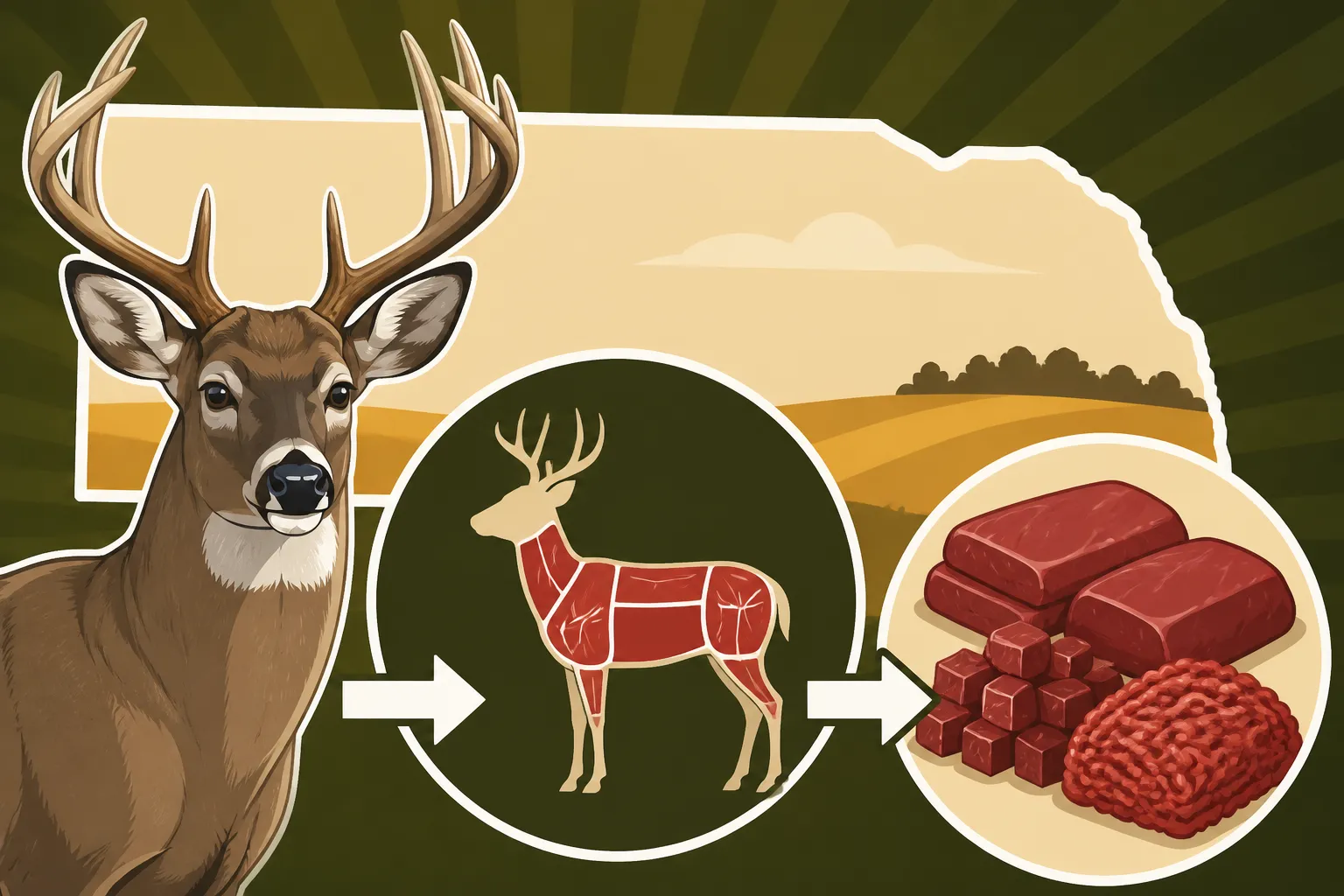
The journey from live animal to boneless cuts typically involves a few stages, each with its own reduction in weight. Here's a general breakdown:
- Live Weight to Dressed Weight: As mentioned, field dressing removes the internal organs. This usually accounts for about 20-25% of the live weight. So, a 200-pound live weight buck might dress out at 150-160 pounds.
- Dressed Weight to Deboned Meat: After skinning, deboning, and trimming, you're left with boneless meat. This stage involves removing the hide, head, lower legs, and all the bones, fat, and connective tissue. This typically results in about 50-60% of the dressed weight as boneless meat. Or, looking at it from the live weight perspective, you're usually looking at 25-35% of the live weight as boneless venison.
Let's put some numbers to it with an example:
| Stage | Weight (Example: 200 lb Live Weight Buck) | Percentage Reduction (Approx.) |
|---|---|---|
| Live Weight | 200 lbs | N/A |
| Dressed Weight | 150-160 lbs | 20-25% from live weight |
| Boneless Meat Yield | 75-96 lbs | 50-60% from dressed weight |
| (or 37.5-48% from live weight) |
So, our hypothetical 200-pound live weight buck might yield roughly 75 to 96 pounds of boneless venison. This range accounts for differences in shot placement, how meticulously the meat is trimmed, and the deer's natural build. Nebraska Record Book Whitetails and Nebraska Record Book Mule Deer often have impressive live weights, which means their yield can be on the higher end of these estimates. When you're using resources like GoHunt to scout areas, looking for units known to produce larger-bodied deer can give you a better chance at these higher yields.
Comparing Yields: Processor vs. Home Butcher
The final yield can also depend on who processes your deer. A professional meat processor might have very efficient methods and equipment, but their goal is often to maximize cuts for a variety of products, and they might trim a bit more aggressively to ensure clean, lean cuts. They also typically charge by the dressed weight, so understanding the initial reduction is key for budgeting.
If you process your deer at home, you have complete control over what comes off the bone and what stays. Many home butchers are willing to be more meticulous with trimming and might keep more of the "scrap" meat for grinding into hamburger, sausage, or stew meat, which can slightly increase your overall yield. However, this also requires significant time, proper tools, and knowledge to ensure hygiene and quality. It's a trade-off between convenience and hands-on control. When learning to process at home, resources like Bone Saws Versus the Gutless Method can offer insights into different techniques that might affect your personal yield.
From Field to Freezer: Maximizing Your Harvest
Getting the most venison from your Nebraska buck isn't just about a good shot; it's about a series of careful steps from the moment the animal is down until the meat is safely stored. Every decision you make along the way can impact both the quantity and quality of your final product.
Prompt Field Dressing and Cooling
The single most important step in maximizing meat quality and quantity begins immediately after the harvest: prompt and thorough field dressing. In Nebraska, especially during the early archery season or a warm November firearm season, temperatures can be surprisingly high. Bacteria begins to multiply quickly, and if the carcass isn't cooled down rapidly, meat can spoil or develop off-flavors, forcing you to trim away more than necessary.
Once the deer is down, get to work. Remove the entrails as quickly and cleanly as possible. This allows the body cavity to cool. If you're on public land, this is often done where the deer falls. For more remote retrieves, especially in areas like the Sandhills, you might need to plan ahead on how to get the deer out efficiently. Getting a Deer Out of a Nebraska Sandhills Basin can be a real challenge, so having a game cart or a plan with hunting partners is crucial. After field dressing, prop the cavity open with a stick or use game bags to protect the meat while allowing air circulation. If possible, get the deer to a cooler or processing facility within a few hours, especially in warmer conditions.
Handling and Transport
Once field-dressed, how you handle and transport the carcass significantly affects meat quality. Avoid dragging the deer over rough terrain any more than necessary, as this can bruise meat and pick up debris. If you must drag, try to do it with the head up to protect the chest cavity. Using a tarp or sled can help keep the carcass cleaner. In warmer weather, having Coolers and Game Bags for a Nebraska Opener ready is essential. You'll want sturdy game bags to protect the meat from flies and dirt, and plenty of ice, especially if you have a long drive home.
Remember, Nebraska has specific Nebraska Deer Tagging and Checking Rules and Carcass Transport Rules Out of Nebraska that you need to follow. Always keep your tag with the deer, and understand the regulations for transporting carcasses, particularly if you are leaving the state, due to concerns about Chronic Wasting Disease (CWD). Proper handling ensures you comply with regulations and, more importantly, keeps your venison in prime condition until it reaches the processor or your home.
Trimming, Deboning, and Packaging
Whether you take your deer to a professional processor or do it yourself, the final trimming and deboning stage is where the boneless meat yield is truly determined. Meticulous trimming means removing all fat, silverskin, hair, and blood-shot areas. Deer fat tends to have a strong, waxy flavor that most people find unpalatable, so removing it entirely is key for good-tasting venison. Silverskin, the tough membrane covering some muscle groups, is also best removed as it makes the meat chewy.
Once the meat is deboned, it's crucial to package it properly for the freezer. Air is the enemy of frozen meat, leading to freezer burn. Vacuum sealing is the gold standard for long-term storage, but heavy-duty freezer paper or freezer bags, with as much air removed as possible, can also work well. Label everything clearly with the cut and the date. While scouting with tools like GoHunt helps you find the deer, it's these final, painstaking steps that really pay off in delicious meals months down the line. For further guidance on getting your meat home safely, explore topics like Ice Requirements for Hauling a Deer and Freezing and Shipping Game Meat.
Common Misconceptions and Realistic Expectations
The world of deer hunting is full of myths and exaggerated tales, and meat yield is no exception. It's easy to get caught up in stories of massive deer yielding hundreds of pounds of meat, but maintaining realistic expectations will make your experience much more satisfying.
The "Hundred Pounds of Meat" Myth
One common misconception, especially for newer hunters, is that a "big" buck will automatically yield 100 pounds or more of boneless venison. While it's possible for an exceptionally large, heavy-bodied buck to hit or exceed that mark, it's far from the average. As our table above illustrated, a 200-pound live weight buck (which is a substantial deer in Nebraska) will likely give you closer to 75-96 pounds of boneless meat. Deer that dress out at 200 pounds are truly monsters, and those are the ones that might approach 100-120 pounds of boneless venison.
Most average-sized adult bucks harvested in Nebraska will provide between 50 and 80 pounds of boneless meat. This is still a fantastic amount of lean, organic protein for your family! Don't feel like your hunt was less successful if your yield falls within this typical range. Celebrate every pound you bring home. Understanding the true ratios helps you appreciate the animal you've harvested and plan your freezer space accordingly.
Importance of Quality Over Quantity
While it's natural to want a good amount of meat, focusing on quality should always be paramount. A smaller deer that was properly field-dressed, quickly cooled, and meticulously processed will provide far more enjoyable meals than a larger deer that was neglected in the field, resulting in spoiled or strong-flavored meat. A tough, gamey steak, no matter how big, isn't nearly as satisfying as a tender, flavorful cut from a smaller animal.
The care you take from shot placement to packaging is what truly defines the value of your venison. Proper Meat Care Gear for Warm Nebraska Openers and the knowledge of how to use it are far more valuable than simply chasing the biggest antler size if your goal is primarily table fare. Each cut of venison, from backstraps to ground meat, represents a part of your hunting adventure and should be treated with respect and care to ensure it's delicious on the plate.
The Value of Every Pound
Ultimately, every pound of venison you recover from a Nebraska buck is valuable. It's lean, organic, free-range protein that you worked hard to acquire. Even if you only get 50 pounds from a smaller deer, that's still a significant contribution to your family's food supply, replacing countless trips to the grocery store. It's also an opportunity to experiment with different recipes, from steaks and roasts to chili, burgers, and jerky.
Don't let perceived "low yield" diminish the success of your hunt. The experience of being in the field, the challenge of the chase, and the satisfaction of providing for your family are what truly matter. The venison is the delicious bonus, a tangible reward that connects you to the wild landscapes of Nebraska and the incredible game species that inhabit them.
Disclaimer
This article is for general informational purposes only and does not constitute professional advice. Laws, prices and regulations vary by location and change over time. Consult a qualified professional for guidance on your specific situation.