Deer-Vehicle Collisions and Herd Size
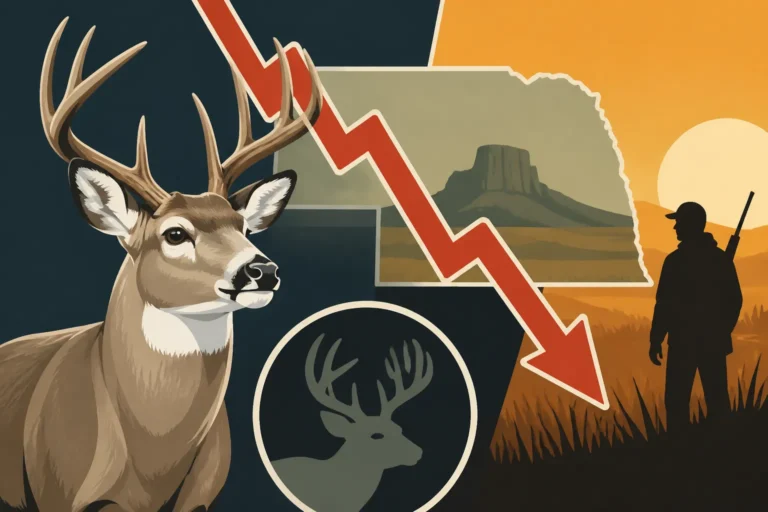
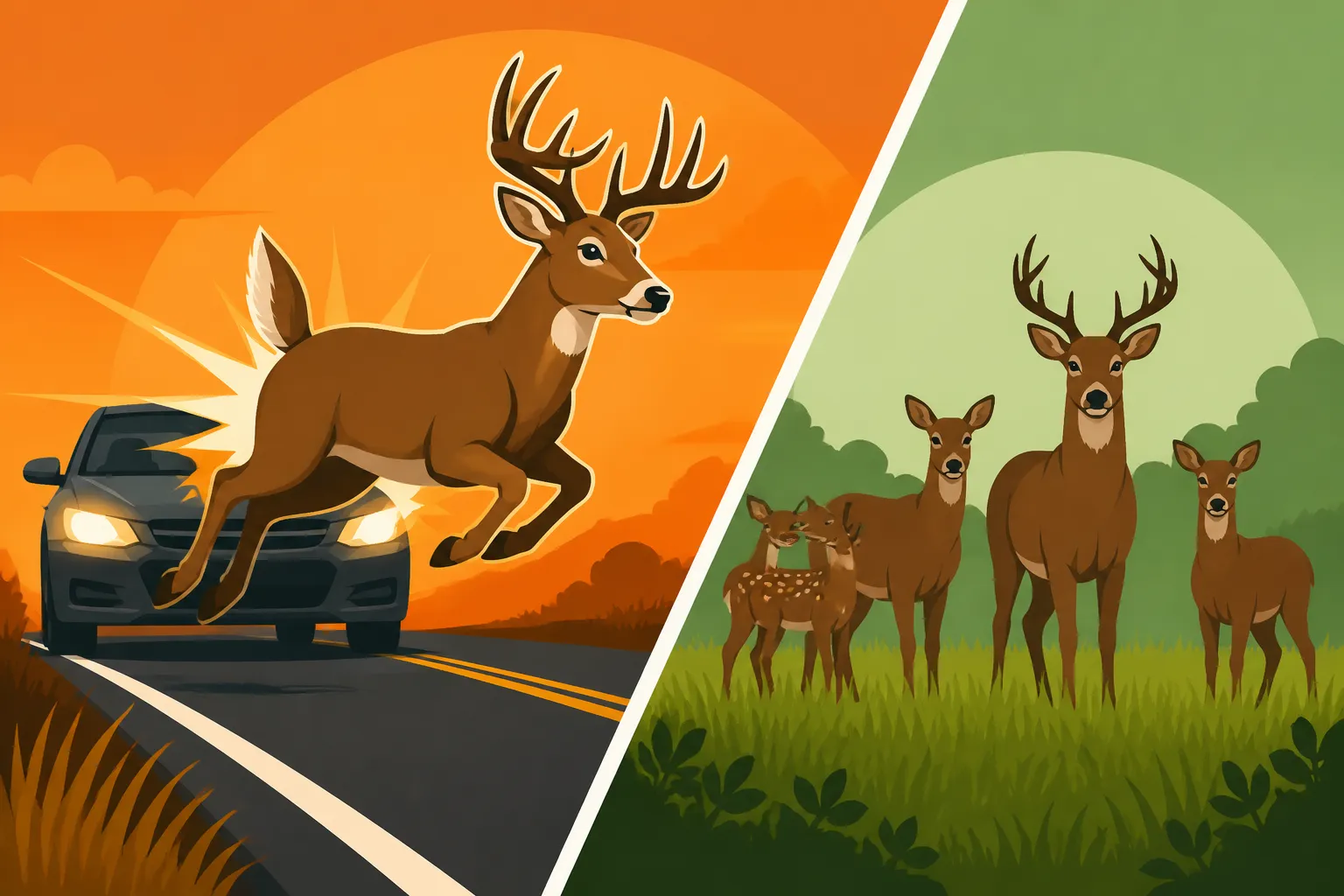
Driving on Nebraska's highways and rural roads often means sharing the asphalt with our abundant deer population, a reality that unfortunately leads to thousands of deer-vehicle collisions every year. These incidents are not just an inconvenience or a fender bender; they can cause significant property damage, serious injuries, and even fatalities, for both humans and deer. This guide delves into the intricate relationship between deer herd sizes and the frequency of these collisions, exploring the underlying factors and offering insights into how we can all navigate Nebraska's roadways more safely.
The Direct Link Between Deer Populations and Road Hazards
It might seem obvious, but the more deer we have roaming our landscapes, the higher the potential for them to cross paths with vehicles. Nebraska is a state blessed with thriving deer populations, both whitetail and mule deer, spread across diverse habitats from the eastern river bottoms to the western Sandhills and Pine Ridge. While this is fantastic news for hunters and wildlife enthusiasts, it also means that deer are a constant presence in many areas, often venturing out from cover to feed or seek new territory. When deer numbers are high, especially in areas adjacent to busy roads or near agricultural fields that provide ample food sources, the likelihood of a deer darting into traffic increases significantly.
You see it every year, especially during peak migration periods or the rut. A buck, focused solely on chasing a doe, isn't paying attention to oncoming headlights. Or a doe, leading her fawns, misjudges the speed of a passing vehicle. It’s a sad reality, but these collisions are a direct consequence of a healthy, sometimes overabundant, wildlife population interacting with our human infrastructure. Understanding the approximate Nebraska Whitetail Population Estimate and Nebraska Mule Deer Population Estimate gives us a glimpse into the sheer numbers of animals sharing our space.
How Herd Density Impacts Collision Frequency
It's not just the overall number of deer in the state, but their density in specific localized areas that truly dictates collision frequency. Imagine a stretch of highway running alongside a lush river bottom surrounded by cornfields. This area provides ideal deer habitat – food, water, and cover – leading to a high concentration of deer. Even if the statewide population isn't at an all-time high, a localized hotspot with high deer density will inevitably experience more deer-vehicle collisions. This is particularly true if that area lacks sufficient natural predators or if hunting pressure isn't effectively managing the herd within those specific locales.
Conversely, areas with lower deer density, perhaps due to less favorable habitat or more consistent deer harvest, tend to see fewer collisions. Wildlife agencies often use collision data, alongside hunter harvest numbers and aerial surveys, as one indicator of deer population health and distribution. They use this information to inform management strategies, including setting permit quotas in different deer management units, aiming to balance healthy deer populations with human safety concerns. If you're a hunter, you know how crucial it is to understand these local dynamics, and tools like GoHunt can help you research specific unit data that might correlate with denser deer populations and thus higher collision risks in those areas.
Beyond Just Numbers: Other Factors Driving Deer-Vehicle Collisions
While deer herd size is a major player, it's far from the only factor contributing to vehicle collisions. Several other elements, both environmental and behavioral, play critical roles in determining when and where these unfortunate encounters occur. It’s a complex equation, and recognizing these additional variables can help us understand the problem more fully and, hopefully, avoid becoming another statistic.
Seasonal Peaks and Deer Behavior
Anyone who drives rural Nebraska roads regularly can tell you that certain times of the year are far riskier than others. The fall, particularly October through December, is prime time for deer-vehicle collisions. Why? It all comes down to deer behavior.
- The Rut: This is perhaps the biggest factor. During the breeding season (the rut), primarily in November for whitetails, bucks are often on the move, sometimes covering miles in search of does. They're less cautious, more focused on breeding, and incredibly prone to crossing roads without hesitation. Does are also on the move to avoid persistent bucks or to find new mates. Hunters know this is when you're likely to see When the Whitetail Rut Peaks in Nebraska and when deer movement is at its highest.
- Harvest and Dispersal: As crops like corn and soybeans are harvested in late fall, deer lose a significant amount of cover and food. This forces them to move more frequently in search of new resources and better hiding spots, often crossing roads in the process. What Changes in Nebraska After the Corn Comes Off details this significant shift in habitat.
- Hunting Pressure: Hunting seasons, especially the firearm seasons, can cause deer to become more active and move into areas they might typically avoid, including near roads, as they seek refuge from pressure. While hunting helps manage overall populations, localized pressure can temporarily increase deer movement patterns.
- Fawning Season (Spring/Early Summer): While less dramatic than the rut, fawning season in late spring and early summer also sees an increase in deer activity. Pregnant does seek secluded spots to give birth, and young fawns may wander as they explore their new world, sometimes leading them onto roads.
Roadway Design and Environmental Conditions
The physical environment where roads meet deer habitat also profoundly impacts collision rates. It’s not just about how many deer are around; it’s about how easily they can access and cross a road, and how visible they are to drivers.
- Habitat Fragmentation: Roads often cut through prime deer habitat, creating unavoidable crossing points. A road bordered by dense timber on one side and a cornfield on the other is a natural deer corridor.
- Visibility: Curves, hills, and dense vegetation right up to the road edge can drastically reduce a driver's reaction time. Deer can burst out of cover with almost no warning. Hunting a Shelterbelt Between Nebraska Fields highlights how deer use these linear features.
- Speed Limits: Higher speed limits reduce a driver's ability to react and stop in time, making collisions more severe when they do occur.
- Weather: Fog, heavy rain, or snow can reduce visibility for drivers, making deer even harder to spot. Conversely, a fresh snowfall can sometimes make deer more visible against a white background, but the slick roads present their own hazards.
- Time of Day: Deer are crepuscular, meaning they are most active at dawn and dusk. These are also times when human traffic is often high, and ambient light conditions are challenging, creating a perfect storm for collisions.
Mitigating the Risk: Strategies for Drivers and Management Agencies
Understanding the problem is the first step; finding solutions is the next. While we can’t eliminate deer-vehicle collisions entirely, there are proactive steps both drivers and wildlife management agencies can take to reduce their frequency and severity. It’s a collaborative effort that blends responsible driving with informed wildlife management.
What Drivers Can Do to Stay Safe
As drivers, we are often the first line of defense against these collisions. Our habits and awareness can make a significant difference.
- Be Extra Vigilant During Peak Times: As mentioned, dawn, dusk, and the fall months (October-December) are critical. Be hyper-aware during these periods, especially on rural roads or stretches known for deer activity. You can often see deer sign like tracks or droppings near roads, particularly on dirt shoulders or trails.
- Slow Down in Deer Zones: When you see a deer crossing sign, take it seriously. Reducing your speed gives you more time to react. If you spot one deer, assume there might be others. Deer rarely travel alone; where there's one, there are often two or three more following closely behind. This is especially true with does and their fawns or during the rut when bucks are chasing.
- Use High Beams When Possible: On dark roads with no oncoming traffic, use your high beams to increase your visibility of the road and surrounding areas. This can give you precious extra seconds to spot a deer's reflective eyes in the distance.
- Don't Swerve Wildly: This is tough advice to follow in the heat of the moment, but swerving to avoid a deer can often lead to more dangerous accidents, such as hitting another vehicle, a tree, or rolling your car. If a collision is unavoidable, it's often safer to brake firmly and hit the deer rather than risk a more severe incident.
- Stay Alert: Avoid distractions like cell phones. A split second of inattention can be the difference between safely passing a deer and a collision.
- Know What To Do Post-Collision: If you do hit a deer, pull over to a safe location, turn on your hazard lights, and assess the situation. Contact law enforcement and your insurance company. Remember to never approach an injured deer; they can be unpredictable and dangerous. Also, be aware of Carcass Transport Rules Out of Nebraska if you plan to keep the animal.
The Role of Wildlife Management
State agencies, like the Nebraska Game and Parks Commission, play a crucial role in managing deer populations to help reduce DVCs. This involves a multi-faceted approach.
- Population Monitoring and Harvest Management: Game and Parks biologists continually monitor deer populations through various methods, including hunter harvest reports, aerial surveys, and roadkill data. This helps them understand herd health and density in different management units. They then set permit quotas and season structures – like allowing additional antlerless permits in areas with high deer densities – to encourage hunters to manage specific populations. This direct management of deer populations through hunting is a primary tool to keep numbers in balance. When Why Nebraska Deer Harvest Has Declined is observed, it often signals changes in herd dynamics or management strategies that could, in turn, affect DVC rates.
- Habitat Management: Improving or maintaining habitat away from busy roads can sometimes draw deer away from high-traffic areas. However, often roads intersect critical habitats, making this a complex challenge.
- Roadside Management: In some cases, agencies work with highway departments to clear vegetation along roadsides to improve driver visibility or install deer fencing in extremely high-collision areas. Wildlife crossings – underpasses or overpasses – are also highly effective but very expensive solutions for specific problem areas.
- Public Awareness Campaigns: Educating the public about deer behavior and safe driving practices is a continuous effort, often timed to coincide with peak collision seasons.
Here's a quick look at common factors influencing DVCs:
| Factor | Impact on DVC Risk | Explanation |
|---|---|---|
| Deer Herd Size | High | More deer in an area naturally increases the probability of encountering one on the road. |
| Time of Day | High | Deer are most active at dawn and dusk, coinciding with lower visibility and increased commuter traffic. |
| Season (Fall/Winter) | High | The rut (breeding season), crop harvest, and hunting pressure lead to increased deer movement and dispersal. |
| Roadside Vegetation | Medium | Dense cover immediately adjacent to roads reduces driver visibility and reaction time when deer emerge. |
| Driver Speed | High | Higher speeds reduce a driver's ability to stop or react safely, increasing collision severity. |
| Weather Conditions | Medium | Fog, rain, and snow can reduce driver visibility, making it harder to spot deer in time. |
| Habitat Fragmentation | High | Roads cutting through prime deer habitat create necessary crossing points, increasing encounters. |
| Hunting Pressure | Varies | Can temporarily increase deer movement as they seek refuge, but overall sustained harvest helps manage populations and reduce long-term risk. GoHunt can assist hunters in scouting areas for deer movement patterns. |
Understanding Deer Movement and Behavior to Reduce Risk
The more we understand how deer move and why, the better equipped we are to anticipate their presence and avoid collisions. Deer are creatures of habit, but they are also adaptable and respond to their environment, food sources, and threats.
Predictable Patterns and Unpredictable Moments
Deer often follow established travel corridors between bedding areas, feeding grounds, and water sources. These corridors might be along creek bottoms, tree lines, fencelines, or even through dense shelterbelts. Sometimes, these corridors inevitably cross roads. Using topographical maps or tools like GoHunt, hunters often identify these patterns, which can also inform drivers about high-risk areas. For instance, knowing Where Nebraska Whitetails Bed in Row-Crop Country can give you an idea of where deer might cross roads to access different fields. Likewise, understanding Entry and Exit Routes on Flat Farm Ground or how deer use Reading a Cedar Draw for Deer Movement can highlight specific points where deer are more likely to appear unexpectedly.
However, deer can also be incredibly unpredictable. A sudden scare, the scent of a predator (or a passing dog), or the urge to pursue a mate can send a deer bolting into traffic without a moment's notice. This is why constant vigilance is key, even in areas where you don't typically see a lot of deer activity.
The Impact of Human Presence and Development
As Nebraska continues to grow and develop, human presence encroaches further into what was once undisturbed deer habitat. Residential developments, new roads, and expanding agricultural operations all fragment habitat and force deer into closer proximity with human activity. This increased interaction naturally leads to more opportunities for deer-vehicle conflicts. While deer are remarkably adaptable, capable of living in close proximity to humans, this adaptation doesn't negate the risks when their paths literally cross on the highway.
Ultimately, while the raw number of deer in an area certainly correlates with collision rates, it’s the intersection of deer behavior, environmental conditions, time of day, and driver awareness that truly defines the risk. By being mindful of these factors and driving defensively, we can all contribute to making Nebraska's roads safer for both ourselves and its iconic deer.
Disclaimer
This article is for general informational purposes only and does not constitute professional advice. Laws, prices and regulations vary by location and change over time. Consult a qualified professional for guidance on your specific situation.