When Pheasants Were Brought to Nebraska
It's easy to take for granted the vibrant pheasant populations we enjoy across Nebraska today, especially when you're out there, boots on the ground, listening to the crunch of corn stubble underfoot. But have you ever stopped to wonder just how these magnificent birds, which have become such an integral part of our hunting culture, actually got here? They weren't always native, and their arrival and eventual thriving in the Cornhusker State is a fascinating tale of perseverance, dedicated conservation, and a bit of good fortune. This guide will walk you through the surprising history of when pheasants were first brought to Nebraska, the challenges they faced, and how they became the beloved game bird we know today, deepening your appreciation for every rooster that flushes.
The Early Days: The Long Journey of the Ring-necked Pheasant to Nebraska
The story of the ring-necked pheasant in Nebraska isn't one of natural migration; it's a testament to human endeavor, curiosity, and a desire to introduce a valuable game species. These beautiful, colorful birds, native to Asia, were first brought to North America long before Nebraska ever saw its first wild flock. While some earlier attempts at introduction in the East fizzled out, the late 19th and early 20th centuries saw a concerted effort to establish them across the Great Plains, driven by a growing interest in sport hunting and food production.
An Exotic Bird for a New World
Imagine the prairie landscape before the pheasants arrived – vast expanses of tallgrass, buffalo grass, and open country, home to native grouse and quail. The idea of introducing a flashy, fast-flying bird from a distant land must have seemed quite novel at the time. Yet, the appeal was clear: pheasants are hardy, prolific breeders, and provide excellent table fare, making them an ideal candidate for introduction into agricultural landscapes that were rapidly changing the face of the Great Plains. Hunters were looking for new opportunities, and these birds offered just that, promising an exciting new chapter for upland hunting.
Early introductions across the United States were often piecemeal, initiated by private citizens, sportsmen's clubs, or state game commissions. These first birds were typically released in small batches, and their success was far from guaranteed. The challenges were numerous, from adapting to new climates and predators to simply finding enough suitable cover and food to survive. It was a grand experiment on a continental scale, with Nebraska eventually becoming a prime location for the pheasants to truly flourish.
Early Attempts and Early Failures
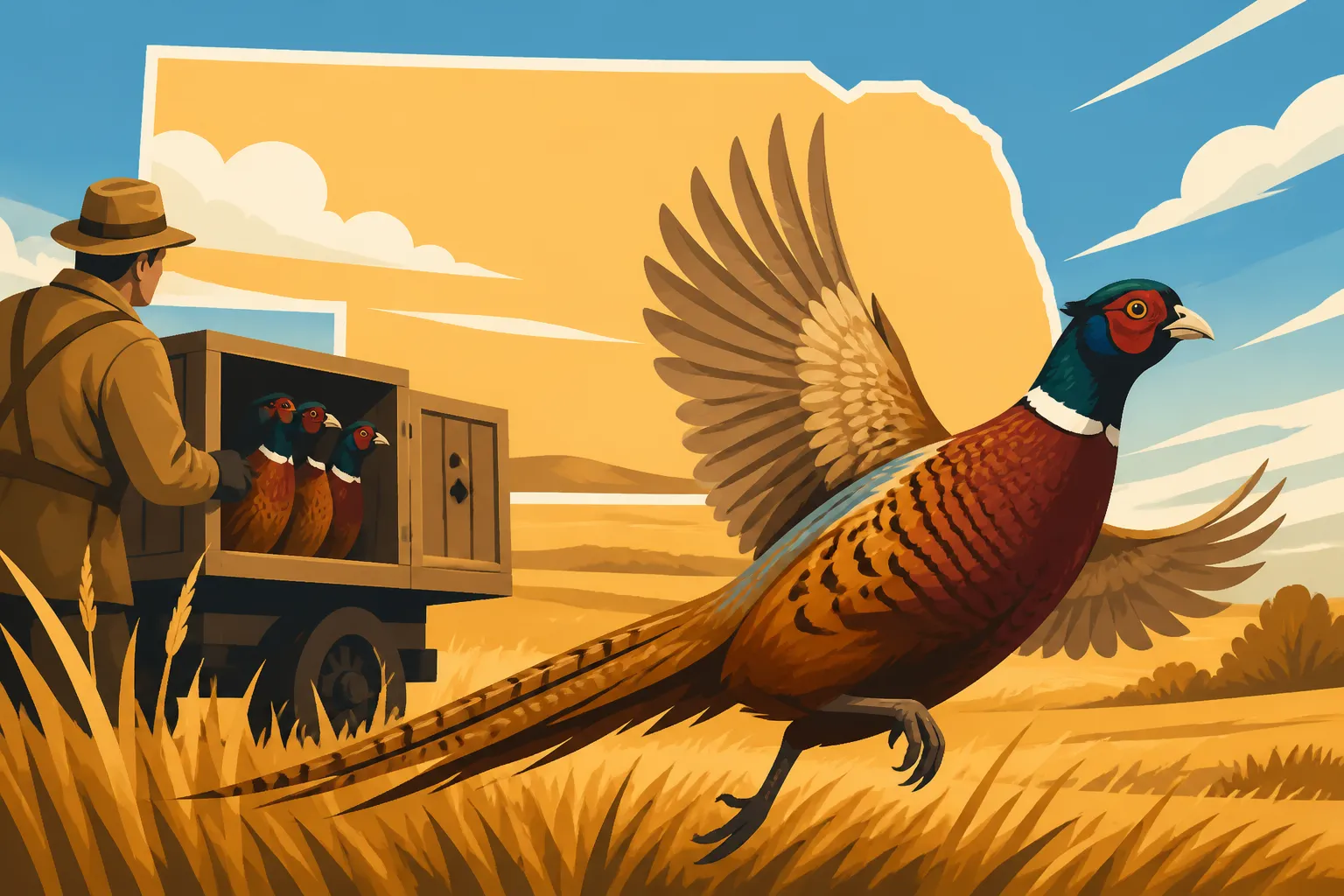
Nebraska's first recorded efforts to introduce ring-necked pheasants date back to the late 1800s. While pinpointing the absolute "first" bird with perfect accuracy can be tricky given the informal nature of some early releases, historical accounts generally place the initial significant efforts around the 1890s. These weren't always state-sponsored mega-stocking programs; often, they were passionate individuals or local hunting clubs pooling resources to bring in a few dozen birds, hoping they would take hold.
Many of these early releases, however, were unfortunately unsuccessful. The birds might have been released in areas with inadequate habitat, fallen prey to predators unfamiliar with their new species, or simply failed to adapt to Nebraska's often harsh winters and dry summers. It was a learning process, with each attempt providing valuable, albeit sometimes frustrating, lessons about what it would truly take for these foreign birds to thrive. The state was a puzzle, and finding the right pieces—habitat, timing, and sufficient numbers—was the key to unlocking pheasant success.
Key Figures and Their Vision
The persistence of a few visionary individuals and organizations ultimately turned the tide. By the early 1900s, more organized efforts began to take shape. While specific names might be lost to time in every local endeavor, the spirit of these early conservationists was undeniable. They saw the potential for pheasants to become a cornerstone of Nebraska's wildlife, providing recreation and food. These were the folks who understood that it wasn't enough to just release birds; you needed to protect them, provide for them, and allow them to establish self-sustaining populations.
These efforts often involved establishing small game farms where pheasants could be raised and then released in greater numbers, increasing their chances of survival and reproduction. It was a long-term vision, looking beyond immediate hunting opportunities to establish a lasting wildlife resource. This groundwork laid the foundation for the massive success that would eventually follow, transforming Nebraska's uplands forever.
Establishing a Foothold: The State's Role in Pheasant Propagation
By the early 20th century, the state of Nebraska began to recognize the immense potential of the ring-necked pheasant. Moving beyond scattered private releases, a more coordinated and scientific approach was adopted, turning what was once a hopeful experiment into a strategic conservation effort. This period marked a significant shift, as the state actively invested in establishing viable pheasant populations across its varied landscapes.
State-Sponsored Stocking Programs
The Nebraska Game and Fish Commission (the precursor to today's Nebraska Game and Parks Commission) became a key player in pheasant introduction efforts. They understood that widespread, consistent stocking was necessary to overcome the earlier failures. Between roughly 1915 and the 1930s, the Commission undertook significant pheasant stocking programs, importing birds from established populations in other states and raising thousands of their own at state game farms. These efforts were often focused on areas with suitable agricultural land mixed with dense cover, recognizing that the birds needed specific types of habitat to not just survive but also reproduce successfully.
The scale of these stocking efforts was impressive for the time. Rather than releasing a few dozen birds, thousands were put into the wild annually across many counties. This sheer volume, combined with an increasing understanding of pheasant biology and habitat needs, was crucial. It created the necessary "critical mass" for the birds to establish breeding populations that could weather challenges like predation and harsh weather. You can often see the legacy of this initial push reflected in where some of the Best Nebraska Counties for Pheasants are even today.
The Importance of Habitat in the Early 20th Century
One of the greatest advantages the pheasants encountered upon their widespread introduction was the abundant and often ideal habitat that Nebraska offered in the early to mid-20th century. This was a time when agriculture was expanding, but often in a way that left significant amounts of edge habitat, fence rows, small woodlots, and diverse crop rotations. Farmers grew small grains like wheat, oats, and barley, which provided excellent nesting cover and food sources.
Crucially, many farms were smaller and less intensely managed than they are today. This meant more undisturbed grasslands for nesting, more diverse food plots, and plenty of brushy cover for winter survival. The pheasants are incredibly adaptable, and they quickly capitalized on this mosaic of agricultural fields and natural cover. This rich, varied landscape provided the perfect canvas for the birds to spread and thrive, allowing their numbers to swell year after year.
Initial Successes and Expanding Range
The combination of dedicated stocking and prime habitat led to undeniable success. By the 1920s, pheasant populations were booming in many parts of Nebraska, particularly in the central and eastern regions where agriculture provided ideal conditions. The first open pheasant season was held in 1927 in 10 counties, a significant milestone that signaled the birds had truly taken hold. This was a moment of triumph for conservationists and hunters alike, proving that their vision and hard work had paid off.
From these initial strongholds, pheasants continued to expand their range, colonizing new areas as habitat allowed. Their rapid reproduction rates, combined with a relatively new and underutilized food source, meant their numbers grew exponentially. This period was truly transformative, as the ring-necked pheasant became not just established, but a dominant game bird across much of Nebraska. It's a testament to how quickly an introduced species can integrate and flourish when conditions are just right.
The Golden Era: How Pheasants Shaped Nebraska Hunting Culture
As pheasant populations exploded across Nebraska, a new era of hunting dawned. The mid-20th century became known as the "Golden Era" of pheasant hunting, a time when limits were generous, and stories of overflowing game vests were common. This wasn't just about successful hunts; it was about the forging of traditions, the strengthening of rural economies, and the creation of a distinct hunting culture that endures to this day.
The Boom Years and Unforgettable Hunts
Starting from the 1930s and extending through the 1960s and even into the 1970s, Nebraska experienced truly remarkable pheasant numbers. Hunters flocked to the state, drawn by tales of abundant birds. Daily bag limits were often much higher than they are today, and it wasn't uncommon for groups of hunters to bag their limits within a few hours. I’ve heard old-timers recount stories of literally kicking roosters out of every clump of grass, creating memories that lasted a lifetime. Back then, simply finding birds wasn't the challenge; it was often picking the biggest, brightest rooster out of a covey rise.
This abundance fostered specific hunting styles, too. Dog work became paramount, with setters and pointers becoming revered companions in the field. The thrill of a flushing rooster, often bursting from cover with its distinct cackle, became the sound of autumn across the state. These were the years that solidified pheasant hunting as a rite of passage for many Nebraskans and an annual pilgrimage for hunters from other states. While Nebraska Pheasant Numbers Today might not match those historic highs, the echoes of those boom years still resonate.
Economic Impact and Rural Heritage
The influx of hunters during the Golden Era had a significant economic impact on rural Nebraska. Small towns that might have otherwise struggled found new life as hunters purchased fuel, food, lodging, and supplies. Local diners buzzed with activity, hardware stores sold shotgun shells, and small-town motels were booked solid during the season. This wasn't just about hunters spending money; it was about the connections forged between visitors and locals, often leading to lasting friendships and annual returns.
Pheasant hunting became deeply intertwined with Nebraska's rural heritage. It was an activity that brought families together, taught younger generations about conservation and responsible gun handling, and celebrated the bounty of the land. For many, the opening day of pheasant season was as much a community event as it was a hunting trip, a time when schools might even let out early so kids could join their parents in the fields. This tradition continues, albeit with adaptations, reminding us of the enduring value of these birds.
The Challenge of Maintaining a Legacy
While the Golden Era might evoke feelings of nostalgia, it's also important to acknowledge that maintaining such abundant populations is an ongoing challenge. The very agricultural practices that initially supported pheasants—diverse small grains, hedgerows, and idle lands—began to change. Larger farms, monocultures of corn and soybeans, and more intense land management practices led to significant habitat loss.
Understanding this history helps us appreciate why conservation efforts like the CRP Loss Since the 1990s Peak and other initiatives are so vital today. We've learned that without dedicated habitat, even the hardiest pheasant populations can decline. The legacy of the Golden Era isn't just about remembering the good old days; it's about learning from them and applying those lessons to ensure that future generations can still experience the thrill of a Nebraska pheasant hunt.
Looking Back, Hunting Forward: Lessons from Nebraska's Pheasant History
Understanding the history of pheasant introduction and proliferation in Nebraska isn't just an interesting anecdote; it provides crucial context for appreciating the birds we hunt today and informs how we approach conservation for the future. Every cackle heard in a Nebraska field is a direct link to the tireless efforts of those who first brought these birds to our state.
Understanding Current Population Dynamics
The journey of the ring-necked pheasant in Nebraska, from a foreign introduction to a wild success and then a managed resource, offers profound insights into Nebraska Pheasant Numbers Today. We know that initial stocking was vital, but sustained populations rely heavily on available habitat. When we see fluctuations in pheasant numbers, especially considering factors like Winter Weather and Pheasant Survival or Spring Rain and Pheasant Nesting, we can trace those influences back to the fundamental requirements the birds have always had. Today, habitat loss remains a primary driver of population changes.
Understanding this dynamic helps hunters and conservationists prioritize efforts. It's why programs that encourage habitat development, like the Open Fields and Waters program, are so critical. It reminds us that pheasant hunting isn't just about chasing birds; it's about being stewards of the land that supports them. Platforms like GoHunt can be invaluable for hunters to scout and find these crucial habitat areas, helping them understand where conservation efforts are paying off and where the birds are likely to be found.
The Enduring Value of Habitat and Conservation Efforts
The historical success of pheasants in Nebraska unequivocally demonstrates the power of quality habitat. Without the diverse agricultural landscapes and undisturbed cover of the early 20th century, even massive stocking efforts would likely have failed. This lesson is perhaps the most important takeaway for today's hunters. Conservation isn't just a buzzword; it's the bedrock of our hunting heritage. Every acre of planted switchgrass, every restored wetland, and every field corner left wild contributes directly to pheasant survival and reproduction.
Organizations like Pheasants Forever and other local conservation groups continue the legacy of those early introducers, working tirelessly to create and maintain habitat. As hunters, supporting these initiatives, whether through membership, volunteering, or simply choosing to hunt on properties managed for wildlife, is essential. When planning your hunt, consider looking for Open Fields Tracts Best for Pheasants, which often represent land where landowners have partnered with the state to provide excellent habitat.
Planning Your Hunt with Historical Context
Armed with this historical understanding, you can approach your pheasant hunting with a renewed perspective. Knowing the origins of the birds, the factors that led to their boom, and the challenges they face today can make every flush feel a little more special. When you're out there, remember the journey these birds have taken to reach your fields. This deeper appreciation can even inform your hunting strategy.
Consider the following table, which summarizes key historical periods for Nebraska pheasants:
| Period | Key Characteristics | Habitat Conditions | Population Trend | Hunting Experience |
|---|---|---|---|---|
| Late 1800s – Early 1900s | Private, scattered introductions | Varied, early agricultural integration | Scattered, limited | Highly experimental, rare |
| 1915s – 1930s | State-sponsored stocking begins, habitat expansion | Ideal mix of agriculture and natural cover | Rapid growth | First open seasons, increasing success |
| 1940s – 1970s | Golden Era of pheasant hunting | Peak diverse agricultural habitat | Abundant, peak | High bag limits, easy success, iconic hunting culture |
| 1980s – Present | Intensive agriculture, habitat loss, conservation | Declining diverse habitat, CRP efforts | Managed, fluctuating | More challenging, habitat-dependent, focused conservation |
Today, tools like GoHunt provide valuable resources for planning your hunt, from researching units to understanding regulations. This can help you focus your efforts on areas where habitat is still strong and pheasant populations have the best chance to thrive. Whether you're considering the Upland Season Dates and Bag Limits or looking into Shotguns and Loads for Nebraska Pheasants, remember that every part of the experience is built on a rich history of conservation and the amazing adaptability of these introduced birds. The spirit of those early pioneers, who brought the pheasant to Nebraska, lives on in every hunter who walks the fields today, ensuring this incredible hunting tradition continues for generations to come. For more detail on the specific mechanisms of how these birds arrived, you might explore How Pheasants Reached Nebraska.
Disclaimer
This article is for general informational purposes only and does not constitute professional advice. Laws, prices and regulations vary by location and change over time. Consult a qualified professional for guidance on your specific situation.