Nebraska’s Peak Pheasant Population
For many long-time upland hunters in Nebraska, there's a certain wistful longing when they talk about pheasant hunting "back in the day." They'll spin tales of booming coveys, limit after limit, and fields so thick with birds you almost couldn't believe it. It can be frustrating to hear those stories when you're out there now, walking mile after mile for just a few flushes. This guide dives deep into that golden era, exploring exactly when Nebraska's pheasant population reached its zenith and, more importantly, why it did, giving us a clearer picture of what once was and the challenges we face today.
A Look Back: When Did Nebraska's Pheasant Population Peak?
If you were to ask veterans of Nebraska's pheasant fields, many would point to the late 1950s, 60s, and extending into the 1970s, with a significant resurgence in the 1990s. While there isn't one single "peak day" or "peak year" that stands out universally, these periods represented times of incredible abundance, where the ring-necked pheasant truly thrived across much of the state. It was a time when Nebraska lived up to its reputation as a pheasant hunting mecca, drawing hunters from all corners of the country. The sheer density of birds in certain areas made for hunting experiences that are, sadly, hard to replicate today.
The Golden Era: Post-War Boom and CRP's Early Impact
The initial pheasant boom after World War II was largely a serendipitous result of agricultural practices. Smaller family farms, with their diverse crop rotations, fallow fields, fence rows, and uncut grasslands, provided an intricate mosaic of habitat. Imagine a landscape peppered with small corn and bean fields, interspersed with pastures, hayfields, and weedy corners – it was a smorgasbord for pheasants, offering perfect nesting cover, abundant food sources, and crucial winter protection. Many hunters recall driving down gravel roads and seeing pheasants erupt from every ditch and CRP field.
Then came the late 1980s and especially the 1990s, when the Conservation Reserve Program (CRP) truly hit its stride. Acres and acres of marginal cropland were taken out of production and planted with native grasses, creating vast blocks of ideal pheasant habitat. This wasn't just small patches; these were expansive grasslands that provided unprecedented nesting success and winter survival for pheasants. It was during this period that Nebraska again saw incredible numbers, with reports of hunters struggling to find enough shells to keep up with the flushes. For many, these CRP-fueled years were the pinnacle, creating hunting opportunities that still echo in their memories. You might not have needed advanced scouting tools then, but the sheer volume of birds meant good hunting was practically everywhere.
The Numbers Game: How We Tracked the Peak
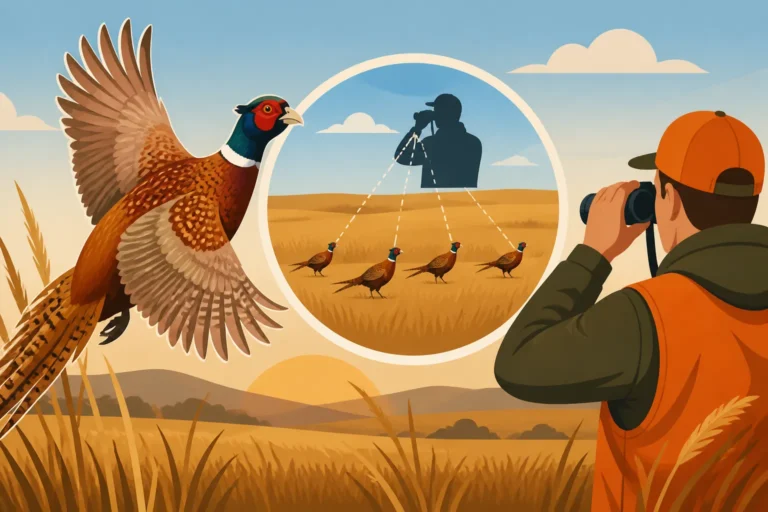
Understanding when and where pheasants peaked relies heavily on historical data, much of which came from dedicated surveys. One of the most long-standing and valuable tools for tracking pheasant populations in Nebraska has been The Nebraska Rural Mail Carrier Survey. For decades, volunteer rural mail carriers have counted pheasants observed along their routes during specific times of the year, particularly in August, providing a consistent index of bird numbers. While not a precise census, these surveys offer invaluable trend data, showing rises and falls in the population over many years.
These surveys, alongside specific roadside counts conducted by wildlife biologists, paint a clear picture of the historical highs. Researchers would often publish maps indicating areas of high pheasant density, which corresponded directly to regions with extensive grassland and diverse agricultural landscapes. By comparing the results from these annual surveys, we can pinpoint those periods when the pheasant counts consistently registered at their highest, offering empirical evidence to back up the nostalgic tales of plentiful birds. This data is critical for understanding Nebraska's Ring-Necked Pheasant Story over time.
What Fueled the Pheasant Boom? The Habitat Connection
It's impossible to talk about peak pheasant populations without talking about habitat. Pheasants are habitat specialists, and their numbers directly reflect the quality and quantity of suitable cover, food, and nesting areas available to them throughout the year. The golden eras of pheasant hunting in Nebraska weren't just about good weather; they were fundamentally about a landscape that perfectly catered to the needs of these colorful game birds.
The Role of Small Farms and Diverse Agriculture
Prior to the significant consolidation of farms and the rise of industrial agriculture, the Nebraska landscape was a patchwork quilt of smaller operations. Farmers often planted a greater variety of crops, and importantly, they left more "waste" areas. Think about it: fencerows were often overgrown with brush and weeds, providing excellent travel corridors and winter thermal cover. Small, irregular fields had uncultivated corners and drainage ditches that served as prime nesting sites. Hayfields, often cut later in the summer, allowed pheasant hens to successfully hatch their broods before the mower came through. These diverse landscapes minimized the risks pheasants faced, providing a constant supply of insects for chicks, seeds for adults, and dense cover to escape predators and harsh weather.
This kind of farming created a resilient environment where pheasants could not only survive but truly thrive. There was always a nearby food source, always cover for escape, and always a safe place to raise young. It was a beautiful symbiosis between human agriculture and wildlife, a balance that has unfortunately shifted dramatically in recent decades. The sheer amount of undisturbed ground, even in an agricultural setting, was astounding, making hunting a genuine challenge in finding the birds within the cover, not just finding any birds.
Conservation Reserve Program (CRP) – A Pheasant Paradise
While diverse farming certainly laid a foundation, it was the Conservation Reserve Program (CRP) that truly ignited the pheasant boom in the late 1980s and 1990s. This federal program incentivized farmers to take highly erodible or environmentally sensitive land out of crop production and plant it with long-term, resource-conserving cover such as native grasses. The results for pheasants were nothing short of phenomenal. Suddenly, vast acreages of former cropland, which offered little to no benefit for wildlife, were transformed into lush, dense grasslands – perfect for nesting hens, brood rearing, and winter refuge.
These CRP fields provided critical undisturbed nesting habitat that dramatically increased pheasant reproductive success. They also acted as massive buffers against harsh winter conditions, offering protection from blizzards and cold winds. Hunters remember mile after mile of these CRP fields, often holding incredible numbers of birds. While scouting for these areas is still vital today, using tools like the Public Access Atlas, and even advanced mapping programs from GoHunt, helps hunters locate available CRP ground. The early, extensive enrollment in CRP created a pheasant paradise, proving that habitat, above all else, drives game populations. The program effectively turned millions of acres into productive pheasant factories, which had a direct and measurable impact on CRP Loss Since the 1990s Peak.
The Slow Decline: Why We Don't See Those Numbers Anymore
The stories of abundant pheasants from decades past can be tough to hear today, especially when you've put in a long day walking and only flushed a handful of birds. It's a stark reminder that the landscape has changed profoundly. The factors leading to the decline are complex, but they primarily revolve around the erosion of that once-ideal habitat and increased pressures on the remaining populations. Understanding this shift is key to appreciating the hunting opportunities we have left and informing future conservation efforts.
Changing Agricultural Practices and Landscape Homogenization
One of the biggest culprits in the decline of Nebraska's pheasant population is the radical shift in agricultural practices. The trend has been towards larger farms, monoculture (planting vast expanses of a single crop like corn or soybeans), and "clean farming." This means virtually every inch of land is put into production. Gone are many of the weedy fencerows, small odd corners, and unharvested strips that once offered invaluable cover and food. Fields are tilled right up to the roads, and ditches are mowed or sprayed.
This homogenization of the landscape leaves pheasants with fewer places to nest, fewer safe havens from predators, and limited food sources outside of specific growing seasons. When an entire section of land is solid corn or soybeans, there's nowhere for a hen to nest, and no escape cover when a hawk or coyote comes calling. Modern farming is incredibly efficient at producing food for humans, but it has, by and large, left little room for pheasants to thrive. This transformation of the rural landscape has severely impacted Nebraska's Pheasant Population Decline.
The Evolving Face of CRP and Other Conservation Programs
While CRP was a huge success story for pheasants in its heyday, the program itself has faced changes and challenges. Over time, CRP enrollment acres have fluctuated significantly. Many original CRP contracts expired, and while some land was re-enrolled, other acres went back into crop production. Economic pressures and commodity prices often dictate whether landowners can afford to keep land in CRP, especially when crop prices are high. This means that the consistent, widespread blocks of cover that once defined large areas of Nebraska have become more fragmented and less reliable.
Furthermore, the design and management of CRP acres can vary. Not all CRP is created equal in terms of pheasant habitat; some plantings might be less diverse or less effectively managed for wildlife. Other conservation programs have emerged, but none have matched the sheer scale and impact of CRP during its peak years for creating pheasant habitat. This reduction in continuous, quality cover directly impacts nesting success and winter survival, making it harder for pheasant numbers to rebound naturally, even with mild winters. You can see these trends reflected in historical data, which resources like GoHunt might use to show changes in habitat over time.
Weather Extremes and Predator Pressures
Beyond habitat, weather plays a critical, albeit sometimes unpredictable, role in pheasant populations. Harsh winters with deep, prolonged snow cover can lead to significant winter kill, especially if adequate thermal cover is lacking. These deep snows make food inaccessible and expose birds to extreme cold and predators. Similarly, wet, cold springs can decimate pheasant broods. Young chicks are highly vulnerable to hypothermia and a lack of insect protein during prolonged periods of cold rain. A couple of bad nesting seasons back-to-back can severely depress overall numbers, and recovery can be slow if habitat is already compromised. You can learn more about this in Winter Weather and Pheasant Survival and Spring Rain and Pheasant Nesting.
Predator populations also factor in, particularly in fragmented landscapes. When pheasants are concentrated in smaller, isolated pockets of cover, they become easier targets for coyotes, raccoons, skunks, and raptors. The lack of expansive, contiguous habitat means there are fewer places for pheasants to hide and disperse, making them more susceptible to predation pressure. It's a complex interplay of factors, but when habitat is poor, weather extremes and predators can have an outsized negative impact on bird numbers.
Lessons from the Past: What We Can Learn for Today's Hunts
While it's easy to lament the "good old days," there's immense value in understanding why Nebraska's pheasant population peaked. It provides crucial insights into what pheasants truly need to thrive and helps us focus our efforts, both as hunters and conservationists, on creating better conditions for these iconic birds. Hunting today requires a different approach than it did 30 or 40 years ago, but the core principles of understanding pheasant behavior and habitat remain constant.
Focusing on Quality Habitat, Not Just Quantity
Given the changes in the landscape, the modern pheasant hunter must become a true habitat detective. Instead of expecting birds in every field, the focus shifts to finding and prioritizing areas that still offer that crucial mix of dense nesting cover, reliable food sources, and protective wintering areas. This means looking for unkempt corners, uncut grassland, specific CRP enrollments that favor pheasants, and areas with good thermal cover like cattail sloughs or cedar breaks. Quality trumps quantity now.
Scouting becomes paramount. Using aerial maps, public access resources like The Nebraska Public Access Atlas, and even modern mapping applications from GoHunt can help you identify these pockets of prime habitat before you ever step foot in the field. Understanding pheasant biology – what they eat, where they rest, and how they react to weather and hunting pressure – is more important than ever. The birds are still out there, but they are concentrated in the best available cover. This is also why programs like What the Berggren Plan Set Out to Do are so important for targeted habitat improvement.
The Future of Pheasant Hunting and Conservation Efforts
The future of pheasant hunting in Nebraska, and indeed across the Great Plains, hinges on continued and expanded habitat conservation efforts. Programs like CRP, while changed, remain vital. Hunters themselves play a huge role by supporting conservation organizations, purchasing habitat stamps, and advocating for policies that promote wildlife-friendly land management. Without these efforts, even the limited opportunities we have today could diminish further.
There's also a growing emphasis on targeted habitat improvements, even on smaller scales. Working with landowners to plant food plots, establish filter strips, or simply delay mowing hayfields can make a real difference locally. As hunters, adapting our strategies – whether it's Walking Milo and Corn Stubble for Pheasants or focusing on Hunting Cattail Sloughs Late in the Season – and understanding that finding good public access often means utilizing Hunting Open Fields and Waters Tracts for Pheasants are essential. The glory days of limitless birds might be in the past, but with dedication to habitat and smart hunting, Nebraska will continue to offer rewarding pheasant pursuits for generations to come.
Disclaimer
This article is for general informational purposes only and does not constitute professional advice. Laws, prices and regulations vary by location and change over time. Consult a qualified professional for guidance on your specific situation.