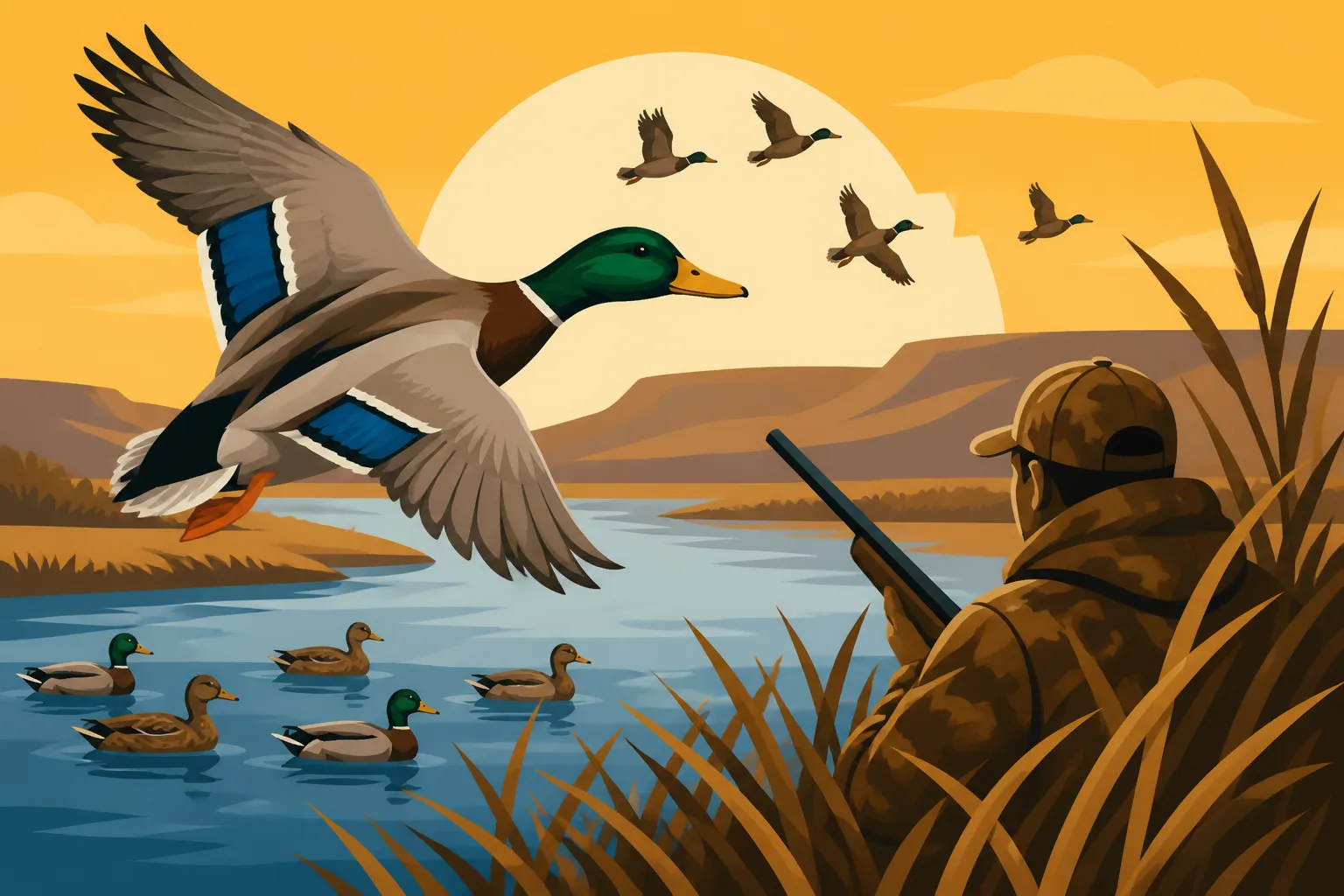
Mallard Numbers on the Platte River
There's a special kind of magic that comes with hearing the whistling wings of mallards on a cold Nebraska morning, especially if you're set up somewhere along the majestic Platte River. But as much as we love that tradition, it can be incredibly frustrating to hit your favorite spots only to find the duck numbers just aren't what they used to be, or they're wildly inconsistent. This guide isn't just about finding ducks; it's about understanding the fascinating, sometimes baffling, ebb and flow of mallard numbers on the Platte River, and what factors really drive their presence in this iconic waterfowl corridor.
Understanding Mallard Migration on the Platte River
The Platte River isn't just a river in Nebraska; it's a critical, irreplaceable highway for migrating waterfowl, a true jewel in the crown of the Central Flyway. Mallards, in particular, rely heavily on its braided channels, sandbars, and surrounding wet meadows as they make their epic journeys north and south each year. If you've ever wondered why some years feel like a mallard bonanza and others are a bust, it often comes down to the intricate dance of migration.
The Platte as a Central Flyway Superhighway
Think of the Platte River as a vital service station and rest stop on a major interstate. Mallards from as far north as the Canadian prairies and even Alaska funnel down through the Central Flyway, and the Platte offers them essential food, water, and shelter. It's not just a place they fly over; it's a place they actively seek out to break up their long flights, rest, and refuel. This makes the Platte incredibly important for their survival and for our hunting opportunities. The presence of ample food sources, whether it's waste grain in surrounding fields or natural aquatic vegetation, dictates how long they'll stay and how many will choose to stop. When the conditions are right, literally thousands upon thousands of mallards can concentrate on the Platte, creating truly unforgettable spectacles.
Timing and Environmental Triggers for Migration
When those mallards decide to stop on the Platte, and how many arrive, is largely dictated by environmental triggers. Temperature is a huge one. As arctic air masses push south, they often bring the first waves of migrating ducks. I've seen years where a sudden cold snap up north practically dumps birds into Nebraska overnight. Water conditions play another massive role. Ducks need open water, and as smaller sloughs and potholes freeze solid further north, the Platte, with its often flowing water, becomes a sanctuary. Snow cover also pushes birds south, covering up those crucial food sources in northern states. Knowing these triggers helps us understand why When Ducks Migrate Through Nebraska might vary significantly year to year. A prolonged warm spell in early winter can delay their arrival, leading to frustratingly slow early season hunting. Conversely, an early, harsh winter can bring them in thick and fast.
Factors Influencing Mallard Numbers on the Platte River
The sheer number of mallards you see on the Platte isn't just random; it's a complex equation influenced by a variety of factors, some local to Nebraska, and some far, far away on their breeding grounds. Understanding these elements can help you predict, or at least rationalize, what you're seeing in the field.
Breeding Ground Conditions and Production
Before a single duck even thinks about flying south, its numbers are largely determined by what happened way up north on the breeding grounds. Think of it like a factory production line. If the prairie pothole region in North Dakota, South Dakota, and Canada experiences a wet spring with abundant shallow wetlands, mallard pairs have more nesting success, and more ducklings survive to fledge. This leads to a strong fall flight. Conversely, drought conditions on the breeding grounds, which we've certainly seen in recent years, mean fewer wetlands, poorer nesting success, and ultimately, fewer ducks migrating south. This is a huge factor, often overriding local conditions, and is one reason why Duck Production in the Rainwater Basin matters so much to the broader Central Flyway.
Local Habitat and Food Availability
Even with a strong fall flight, the Platte River needs to offer what mallards are looking for if they're going to stick around. Habitat is king. The Platte's braided channels provide critical roosting areas, while adjacent wetlands and flooded fields offer feeding opportunities. The proximity of flooded cornfields, managed wetlands, and natural marsh areas directly impacts how many mallards choose to stay and for how long. If the food is scarce, or if water levels are low, birds will move on, often flying further south to places like the Rainwater Basin or beyond. Drought years, for instance, can leave much of the prime feeding areas dry, concentrating birds into smaller, often more pressured spots. Tools like GoHunt can be invaluable here, helping you identify areas with good water and food resources, even if it means checking out adjacent public or private land.
Weather Patterns and Water Levels
We've touched on weather as a migration trigger, but it's also a major factor in how mallards behave once they're on the Platte. Extremely cold temperatures can freeze over large sections of the river, pushing birds to smaller open water pockets or completely off the river to large reservoirs. Heavy snowfall can bury food sources, forcing birds to work harder to feed. On the flip side, mild winters can see birds spread out across a much larger area, making them harder to pinpoint. Water levels on the Platte are another critical component. Controlled releases from upstream reservoirs, or lack thereof, can dramatically change the river's character, affecting everything from roosting areas to accessible feeding grounds. Hunters often lament the "bathtub rings" when water is low, which reduces the effective habitat for birds.
Hunting Pressure and Disturbance
Let's be real, mallards are smart birds, and they learn quickly. Intense hunting pressure can absolutely push birds off easily accessible stretches of the Platte River. If certain areas are hammered day after day, mallards will seek refuge in quieter spots, often flying later in the morning or moving to private refuges where they're less disturbed. This is a natural defense mechanism. Understanding this can inform your hunting strategy; sometimes, less pressured public ground, even if it requires a longer walk, can be more productive than a popular, easily accessible spot that's seen constant disturbance. Finding quieter sections of the river, or seeking out areas with managed rest periods, can make a huge difference in your success.
Challenges and Conservation Efforts for Platte River Mallards
While the Platte River remains a crucial stopover, mallard numbers face ongoing challenges, both broad and specific to this region. Recognizing these issues is the first step towards appreciating the vital conservation work being done, and understanding how we, as hunters, play a part.
Wetland Loss and Degradation
One of the biggest historical and ongoing threats to waterfowl populations, including mallards, is the loss and degradation of wetlands. Across the prairie pothole region and along migration corridors like the Platte, wetlands have been drained for agriculture or development. While significant efforts are being made to restore and protect these vital habitats, the sheer scale of historical loss is staggering. For mallards, this means fewer places to rest, feed, and breed. Even if a bird makes it to the Platte, if the surrounding wetland complexes are diminished, its overall survival odds decrease. This makes programs aimed at wetland protection, like those active in Rainwater Basin Wetland Access, absolutely critical for the future of mallards in Nebraska.
Drought and Water Allocation Issues
Nebraska, like much of the West, frequently grapples with drought. Prolonged dry periods severely impact mallard numbers on the Platte. Lower water levels mean less available habitat on the river itself, and often dry up adjacent wetlands and seasonal sheet water in agricultural fields that ducks rely on for feeding. Water allocation for agriculture, municipal use, and wildlife can be a contentious issue, but ensuring adequate flows and wetland management on the Platte is paramount for maintaining its ecological function for waterfowl. When the water isn't there, the birds simply can't be either.
Disease Outbreaks
While not an annual certainty, disease outbreaks can have a devastating impact on waterfowl populations. Avian influenza, for example, has impacted Avian Influenza in Prairie Waterfowl across the flyway, including Nebraska. When large concentrations of birds gather, as they often do on the Platte, the risk of disease transmission can increase. These outbreaks can lead to significant mortality, further reducing overall mallard numbers. Conservation agencies monitor these situations closely, but they serve as a stark reminder of the delicate balance in these ecosystems.
Conservation Initiatives and Hunter Contributions
Despite the challenges, many dedicated individuals and organizations are working tirelessly to conserve mallard populations and their habitats. Groups like Ducks Unlimited, Pheasants Forever, and state agencies, in partnership with private landowners, are restoring wetlands, managing water levels, and protecting crucial migration habitat along the Platte. Hunters play a pivotal role in this. Through purchasing hunting licenses, habitat stamps (like the Nebraska Habitat Stamp Price), and federal duck stamps (Nebraska Federal Duck Stamp Cost), we directly fund these conservation efforts. Our dollars go into land acquisition, habitat improvements, and scientific research that ultimately benefits the birds we cherish. It's a direct investment in the future of our sport.
How Hunters Can Stay Informed About Mallard Trends
As hunters, we're not just passive observers; we're integral parts of the ecosystem and our sport. Staying informed about mallard numbers and trends on the Platte River can significantly improve your success and your understanding of the resource. There's a wealth of information out there, if you know where to look.
Utilizing Online Resources and Reports
The Nebraska Game and Parks Commission is your go-to source for official information. They conduct aerial surveys and receive reports from field staff that provide invaluable insights into waterfowl numbers. While they might not provide daily real-time counts for specific stretches of the Platte, their weekly migration reports during the season can give you a general idea of how many birds are in the state and where they're concentrated. Pay close attention to reports that specifically mention the Platte River corridor. Other national organizations, like Ducks Unlimited, often publish updates on breeding ground conditions, which, as we discussed, heavily influence the fall flight. Websites and apps, such as GoHunt, can also provide layers of public land information, scouting tools, and community forums where hunters share observations (use with discretion, of course!).
Interpreting Weather Forecasts and Water Conditions
Becoming an amateur meteorologist and hydrologist will give you a significant edge. Watch the long-range forecasts for both Nebraska and the states directly north of us. A cold front pushing out of the Dakotas and bringing snow often means fresh waves of birds are on their way to the Platte. Similarly, monitor river gauges and streamflow data for the Platte River. Many online resources provide real-time water levels. If you see a significant drop in water levels, it might mean traditional spots will be less productive. Conversely, if water levels are stable, or even rising slightly, it can open up new feeding areas.
Scouting and Local Observations
There's no substitute for boots on the ground, or in this case, eyes on the river. Regular scouting trips are crucial. Drive the roads that run parallel to the Platte, especially during key migration periods. Look for concentrations of birds, especially in areas with available food sources like waste grain fields. Pay attention to local intel from other hunters, bait shops, and even farmers. They often have an ear to the ground and can tell you where the birds have been seen consistently. While you might not get precise "mallard numbers," you'll get a real-time snapshot of bird presence and movement. GoHunt's mapping features can help you identify public access points and potential scouting routes, making your time in the field more efficient, whether you're looking for prime Platte River Public Access or just trying to get eyes on the birds.
Understanding Harvest Data
After the season is over, state and federal agencies compile harvest data, including Nebraska Duck Harvest Numbers. While this doesn't tell you real-time numbers, it provides a valuable long-term trend. If harvest numbers for mallards on the Platte are consistently down over several years, it points to a broader issue in the population or habitat. Conversely, strong harvest numbers indicate a healthy population and good migration conditions. Looking at these trends over time helps us understand the bigger picture and how various factors are impacting the mallard resource. It's a way to step back and see the forest, not just the individual trees.
| Factor | Impact on Platte River Mallard Numbers | Notes |
|---|---|---|
| Breeding Ground Habitat | High production = more birds | Wet springs in prairie potholes crucial for strong fall flight |
| Northward Cold Fronts | Pushes birds south to Platte | Sudden drops in temperature and snow cover trigger migration |
| Open Water Availability | Essential resting and roosting | Smaller waters freezing increases Platte importance |
| Food Sources (Waste Grain) | Attracts and holds birds | Flooded cornfields, managed wetlands provide critical energy |
| Local Wetland Health | Provides secondary feeding/roosting | Intact marshes and sloughs augment river habitat |
| Drought Conditions | Reduces numbers, concentrates birds | Low water in Platte and surrounding areas limits habitat |
| Hunting Pressure | Displaces birds, makes them wary | Heavy pressure moves birds to quieter refuges |
| Disease Outbreaks | Can significantly reduce populations | Avian influenza in high-concentration areas is a concern |
| Conservation Funding | Positive long-term impact | Hunter dollars (stamps, licenses) fund vital habitat projects |
Disclaimer
This article is for general informational purposes only and does not constitute professional advice. Laws, prices and regulations vary by location and change over time. Consult a qualified professional for guidance on your specific situation.