Pronghorn Winter Kill in the Panhandle
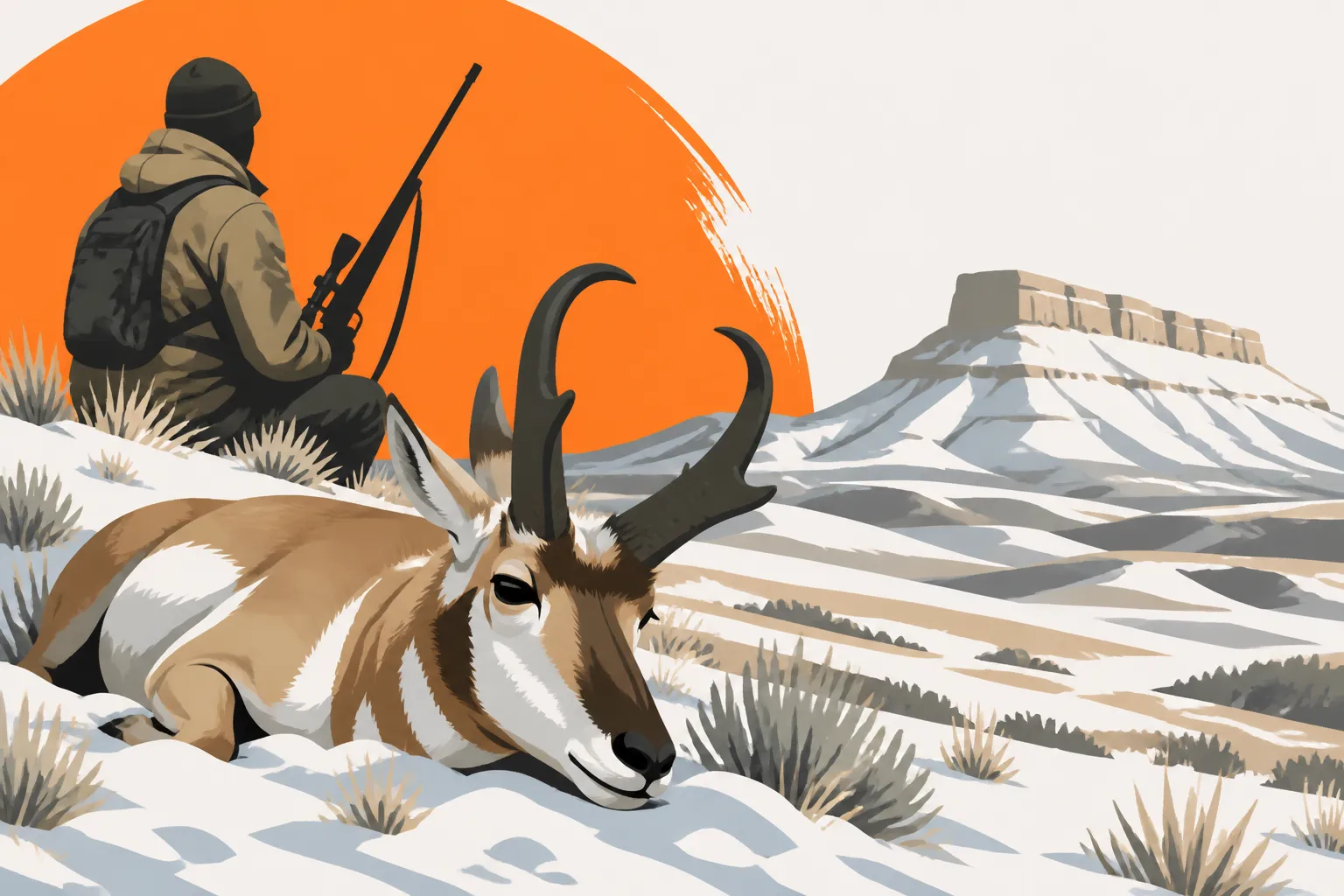
Anyone who has spent time chasing pronghorn across the wide-open spaces of the Nebraska Panhandle knows just how tough and resilient these animals are. They're built for speed and survival in a harsh environment. But even with their incredible adaptations, the brutal realities of a severe Nebraska winter can sometimes prove too much, leading to what hunters and wildlife managers refer to as "winter kill." This phenomenon isn't just a number on a spreadsheet; it's a stark reminder of nature's power and can dramatically impact hunting opportunities and population health for years. This guide will delve into what causes pronghorn winter kill in the Panhandle, how it affects the population, and what it means for the future of hunting these magnificent animals.
Understanding Pronghorn Vulnerability to Winter
When you picture pronghorn, you probably imagine them bounding across vast grasslands under a clear blue sky, maybe in the heat of a late summer morning. But these animals, often mistakenly called "antelope," are residents of the plains year-round, which means they endure the full spectrum of Nebraska weather. The Panhandle, in particular, can throw some truly extreme conditions their way, making them uniquely susceptible to the kind of winter events that can decimate herds. It's not just about one bad snowfall; it's a complex interplay of factors that can stack the odds against them.
The Unique Challenges of the Nebraska Panhandle Winter
The Nebraska Panhandle isn't just "cold" in winter; it experiences a relentless combination of bitter cold, often accompanied by high winds, and significant snowfall that can persist for weeks or even months. Unlike deer, which might seek the shelter of Hunting the Wildcat Hills Rimrock or the thick timber of Hunting the Nebraska Pine Ridge for thermal cover, pronghorn largely live in open, expansive rangelands. This means they have little to no protection from the wind, which amplifies the cold, turning a calm winter day into a punishing ordeal. The landscape itself, with its rolling hills and sparse vegetation, offers scant refuge.
Furthermore, the type of snow that falls in the Panhandle can be a major factor. Often, it's a dry, powdery snow that drifts extensively, piling up in draws and along fence lines. These drifts can become incredibly deep, easily exceeding the height of a pronghorn's legs. This isn't just an inconvenience; it can be a death sentence, as moving through such snow expends an enormous amount of energy, far more than these animals can afford when forage is already scarce. It's a stark contrast to the deeper, wet snows that might compact and become more passable in other regions.
Pronghorn's Adaptations and Their Limits
Pronghorn are undeniably marvels of evolution, incredibly well-suited to their prairie home. They have excellent eyesight, allowing them to spot predators or distant food sources across vast distances. Their legendary speed—they're the fastest land animal in North America—is their primary defense. When it comes to handling cold, they possess a unique coat of hollow hairs that provides exceptional insulation, trapping air close to their bodies to keep them warm even in freezing temperatures. They also have a relatively high metabolic rate, which helps generate body heat.
However, even these remarkable adaptations have their limits. The hollow hairs are great for insulation, but they aren't designed to shed moisture like a deer's coat might. If a pronghorn gets wet and then the temperatures plummet, that insulation can become compromised, leading to rapid heat loss. More critically, their physical build—long, slender legs and small hooves designed for running on firm ground—is a severe disadvantage in deep, crusty snow. They simply aren't built to "plow" through snow like a moose or even a mule deer with broader hooves might. This makes deep snow a critical limiting factor for their survival, overriding many of their other strengths.
Historical Context of Winter Kill Events
While no one wishes for a winter kill, it's important to understand that these events are a natural, albeit harsh, part of the ecosystem's cycle. Throughout history, before human intervention and modern management, wildlife populations would naturally fluctuate, often dramatically, in response to environmental pressures like severe winters, droughts, or disease. In Nebraska, there have been notable winter kill events in the past, particularly in the more western parts of the state where pronghorn populations are concentrated.
These historical events serve as a sobering reminder that pronghorn populations, while generally robust, are not immune to the forces of nature. A particularly harsh winter, perhaps following a dry summer that reduced forage quality or a period of high population density, can amplify the effects of winter kill. Wildlife agencies continually monitor these trends, using tools like GoHunt to understand population dynamics, and learning from past events to inform current management strategies, hoping to build more resilient herds for the future. Understanding these cycles helps us contextualize current events rather than seeing each one as an isolated disaster.
The Mechanisms of Winter Kill
Winter kill isn't usually a single, dramatic event where animals suddenly freeze to death. Instead, it's often a cumulative process, a slow wearing down of an animal's reserves until it can no longer cope. It's a battle against energy depletion, limited mobility, and the relentless demands of a freezing environment. When several of these factors align, the mortality rates can climb sharply, impacting a significant portion of the herd.
Deep Snow and Forage Access
The most significant factor in pronghorn winter kill is often deep snow, particularly when it's widespread and lasts for an extended period. Pronghorn are primarily grazers, preferring forbs and grasses. When the snow cover becomes too deep – even as little as 10-12 inches can start to be problematic for them – it effectively locks away their primary food source. They can't paw through snow efficiently like deer or elk, whose stronger legs and broader hooves are better suited for digging. Imagine trying to run a marathon while constantly slogging through knee-deep mud; that's the energy expenditure pronghorn face trying to reach a few blades of grass.
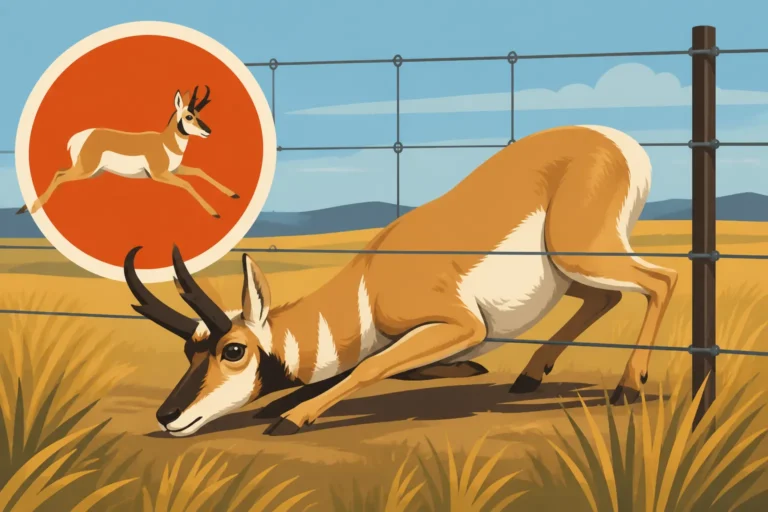
Even if they can access some forage, the quality might be poor, offering minimal nutritional value at a time when their bodies desperately need every calorie. The energy they burn trying to find and reach food often exceeds the energy they gain from eating it. This creates a negative feedback loop where they become weaker, less able to move, and increasingly susceptible to other environmental stressors. Fence lines, while not direct causes of winter kill, can also exacerbate the problem. Deep drifts along fences can trap animals, preventing them from accessing areas with less snow or more available forage, leading to starvation in otherwise accessible fields. This can be especially devastating during mass migrations for Hunting Antelope After a Wet Summer.
Extreme Cold and Energy Demands
Beyond the struggle for food, the sheer cold itself is a massive energy drain. To maintain their core body temperature, pronghorn must constantly burn calories. This metabolic furnace works overtime in freezing temperatures, especially when exposed to biting winds that strip away their body heat. If their caloric intake is already compromised by lack of food, it creates an unsustainable balance. It's like trying to heat your home in a blizzard with a half-empty fuel tank—eventually, the heat goes out.
Pronghorn can survive periods of cold, but prolonged extreme cold, especially without adequate nutrition, leads to hypothermia and starvation. Younger animals, the old, and those already in poorer condition (perhaps from a preceding drought or an illness) are the first to succumb. Does that entered winter pregnant or having recently nursed fawns are also particularly vulnerable as their energy reserves are already stretched thin. This cumulative effect makes a long, cold winter far more dangerous than just a few isolated frigid days.
Disease and Predation as Contributing Factors
While deep snow and extreme cold are the primary culprits, disease and predation can become significant secondary factors during a severe winter kill event. A herd weakened by starvation and cold is far more susceptible to illness. Common ailments that might be minor issues for healthy animals can become fatal when an animal's immune system is compromised. Think of it like a human getting a bad flu when already run down; the recovery is much harder.
Predation also plays a role, particularly coyotes, which are abundant in the Panhandle. Healthy pronghorn are incredibly difficult for coyotes to catch, thanks to their speed. However, an animal that is emaciated, struggling to move through deep snow, or too weak to maintain its burst of speed becomes an easy target. While predation might not cause the initial winter kill, it can certainly clean up the weakened and dying, accelerating the decline in numbers. In essence, the harsh winter acts as a natural selection mechanism, culling the weakest from the herd. Knowing these dynamics helps wildlife managers understand the full picture of herd health. Coyote Calling on Winter Grassland is a common tactic, but their impact on healthy pronghorn is usually minimal compared to their impact on weakened animals.
Here's a quick look at the compounding challenges pronghorn face in a tough winter:
| Factor | Impact on Pronghorn | Severity Increase |
|---|---|---|
| Deep Snow | Blocks access to forage, high energy expenditure to move | Prolonged duration, crusting, fence line drifts |
| Extreme Cold | Requires high caloric burn to maintain body temperature | High winds (wind chill), extended below-zero temps |
| Poor Forage | Low nutritional intake, limited energy reserves | Drought-stressed summer, overgrazing, late spring snow |
| Predation | Weakened animals become easy targets | High predator density, widespread animal debilitation |
| Disease | Compromised immune system, increased susceptibility | Stress from cold/starvation, high population density |
Assessing and Mitigating Winter Kill Impacts
When a severe winter hits, the immediate concern is, of course, the well-being of the animals. But for wildlife managers and hunters alike, understanding the full extent of the damage and planning for recovery is crucial. This involves careful assessment, adaptive management strategies, and a long-term focus on habitat health. It's a delicate balance of science, observation, and proactive measures to ensure the future of Nebraska's pronghorn.
Post-Winter Surveys and Population Estimates
After a harsh winter, the Nebraska Game and Parks Commission (NGPC) conducts extensive aerial surveys and ground observations to assess the impact on pronghorn populations. This isn't a simple task; counting animals across vast, often remote, landscapes takes considerable effort and expertise. They fly transects, looking for carcasses and live animals, and use statistical models to estimate the overall population size and composition—how many bucks, does, and fawns survived. These surveys are absolutely critical because they provide the hard data needed to make informed management decisions.
Comparing post-winter numbers to pre-winter estimates gives wildlife managers a clear picture of the mortality rate. They look for trends in different units, trying to identify areas hit hardest and understand why. This data helps them determine if the population can absorb normal hunting pressure, or if more drastic measures, like permit reductions, are necessary for the following season. Organizations like GoHunt utilize this publicly available data, often presenting it in accessible formats, to help hunters understand potential draw odds and herd health before applying for permits. Nebraska Antelope Permit Cost and Nebraska Antelope Draw Odds are directly influenced by these population estimates.
Management Strategies and Hunter Opportunity
The primary goal following a significant winter kill is to allow the pronghorn population to rebound. This often means adjusting hunting seasons and permit allocations. In severe cases, the number of available permits might be drastically reduced, or certain units might even be closed to hunting for a year or more. This can be frustrating for hunters who look forward to chasing antelope, but it's a necessary step to ensure the long-term health and sustainability of the herd. The decision-making process involves balancing hunter demand with the biological needs of the species.
Beyond permit adjustments, managers also consider other strategies. This might include focused efforts on habitat improvement, such as prescribed burns to stimulate new forage growth in subsequent years, or working with landowners to reduce barriers like certain types of fencing that can impede pronghorn movement in deep snow. The idea is to create a more resilient landscape that can better support the animals through future challenging winters. It's a marathon, not a sprint, and these management actions reflect that long-term vision.
The Role of Habitat and Land Management
Ultimately, the best defense against severe winter kill is robust, well-managed habitat. Healthy rangelands provide diverse forage options, even in tough conditions, and offer some natural windbreaks or areas of shallower snow accumulation. Landowners and land managers play a crucial role in this. Practices that promote native grass health, manage grazing pressure appropriately, and consider wildlife needs when constructing fences or developing water sources can all contribute to a more resilient pronghorn population.
For instance, removing unnecessary interior fences or modifying existing ones with wildlife-friendly designs can help pronghorn move more freely to find less snow-bound forage or escape predators when conditions are severe. Working with conservation groups and utilizing programs that incentivize habitat improvement can make a real difference on the ground. Hunters can also contribute by supporting conservation organizations and purchasing Nebraska Habitat Stamp Price, which directly funds habitat projects across the state. Every little bit helps to build a stronger foundation for these iconic plains inhabitants against the inevitable harshness of winter. Stalking Pronghorn Across Open Nebraska Ground is far more successful when there's good habitat.
The Nebraska Panhandle is a wild and beautiful place, and its pronghorn are a testament to the resilience of nature. While winter kill can be a difficult reality to face, understanding its causes and implementing sound management strategies ensures that these magnificent animals will continue to thrive for generations to come. It’s a continuous effort, a partnership between wildlife, the land, and those of us who cherish the opportunity to experience them.
Disclaimer
This article is for general informational purposes only and does not constitute professional advice. Laws, prices and regulations vary by location and change over time. Consult a qualified professional for guidance on your specific situation.