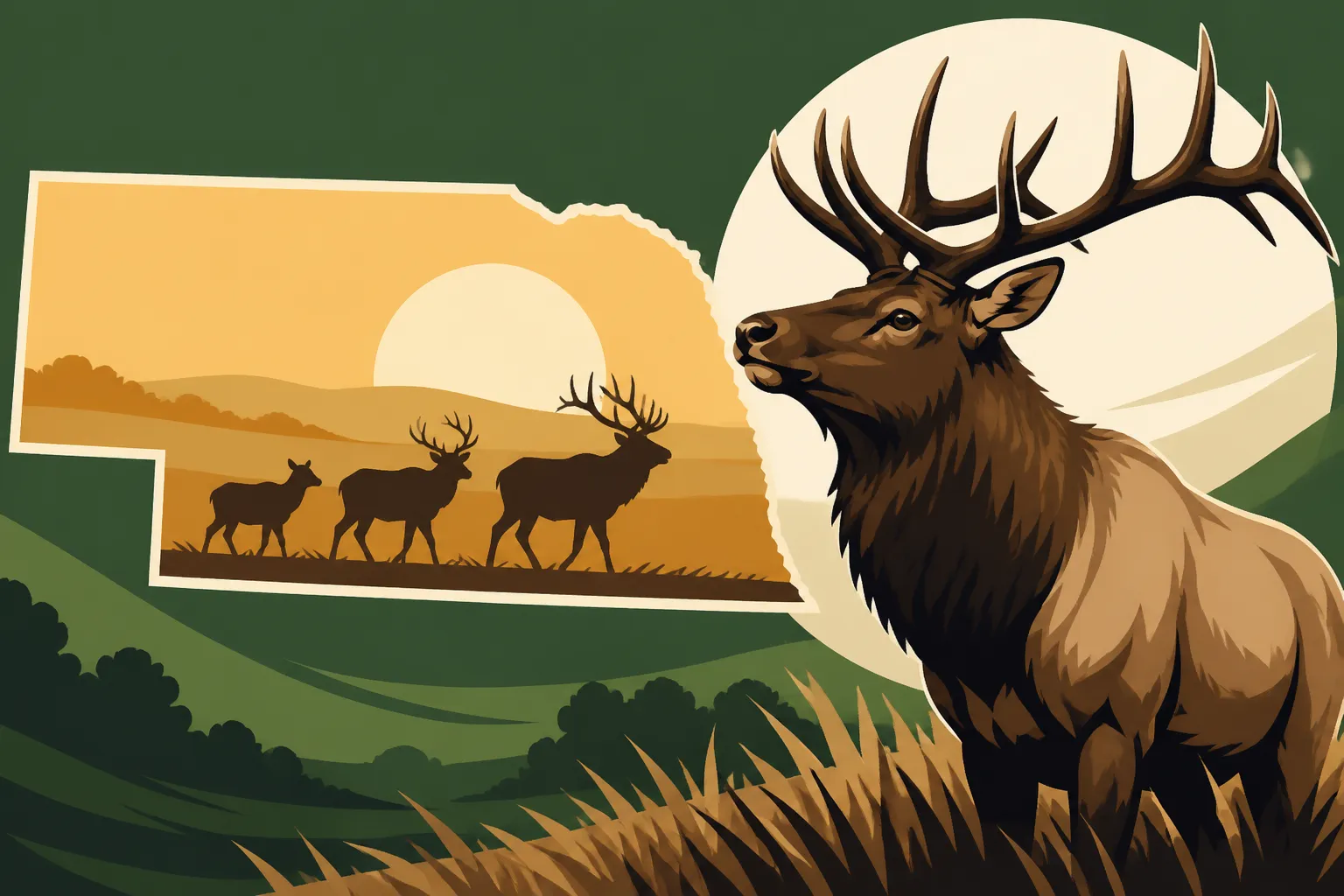
Nebraska Elk Herd History
It's easy to think of Nebraska as a land solely for deer and pheasants, but many folks are surprised to learn that this state is also home to wild elk herds. Their presence is a testament to conservation efforts, but also brings unique challenges for wildlife managers and landowners alike. This guide dives deep into the fascinating journey of elk in Nebraska, from their historical roots to their modern-day resurgence and the efforts to keep these majestic animals thriving.
The Original Nebraska Elk: A Storied Past
Before the vast agricultural fields and ranchlands defined much of Nebraska, the landscape was incredibly diverse, supporting a rich tapestry of wildlife, including elk. These magnificent animals were once widespread across the Great Plains, not just confined to the mountainous regions we typically associate with them today.
Historical Presence Across the Plains
Imagine the early 1800s in Nebraska. The prairies weren't just waving grasses; they were dotted with timbered river bottoms and rugged breaks, ideal habitat for vast herds of elk. These were likely the Merriam's elk subspecies, although some accounts suggest a mix of subspecies or even a distinct Plains elk that roamed from the Missouri River west. They weren't just in the western panhandle; historical records and fossil evidence indicate their presence across nearly the entire state. They roamed the Platte River valley, the Sandhills, and even into what is now eastern Nebraska, coexisting with bison, deer, and antelope. It’s a stark contrast to the sparse populations we see today, highlighting the profound changes the landscape has undergone.
The Impact of Westward Expansion and Disappearance
The mid-19th century brought an era of rapid transformation to Nebraska. As settlers moved west, bringing agriculture, ranching, and an increasing demand for resources, the elk faced insurmountable pressure. Habitat destruction was a primary factor; vast prairies were plowed under for crops, and timbered river bottoms were cleared. Market hunting also played a devastating role, with elk hunted relentlessly for their meat and hides to feed growing settlements and supply burgeoning markets. There was little regulation, and the concept of conservation was virtually nonexistent. By the early 1900s, the once-thriving elk populations in Nebraska, like much of the Great Plains, had been completely extirpated. It was a tragic loss, a clear example of how unchecked human activity can erase a species from its historical range in a remarkably short period.
The Elk's Return: Early Restoration Efforts
For decades, the idea of wild elk roaming Nebraska was merely a historical footnote. But as conservation became more prevalent in the mid-20th century, the possibility of bringing these animals back started to gain traction.
Initial Reintroductions and Challenges
The story of elk reintroduction in Nebraska is one of determination, starting with small, sometimes unofficial, attempts. The official efforts truly began in the late 1950s and early 1960s when the Nebraska Game and Parks Commission, recognizing the ecological and recreational value of elk, initiated formal reintroduction programs. Elk were typically sourced from other states with healthy populations, like Colorado and Wyoming, and released into specific areas deemed suitable for their survival.
These early releases weren't without their difficulties. Survival rates were often low due to various factors: adaptation to a new environment, predation, poaching, and conflicts with agricultural interests. A small herd was released near the Halsey National Forest, for example, which provided some initial hope. However, establishing a self-sustaining population proved challenging, requiring ongoing monitoring, habitat improvements, and careful management to minimize human-wildlife conflicts. Getting public and landowner buy-in was crucial, as these reintroduced animals sometimes strayed onto private land, causing issues with fences or crops.
The Niobrara River Valley: A Crucial Corridor
While the Panhandle often gets the spotlight for elk, the Niobrara River Valley played an unsung, yet crucial, role in their comeback. In the 1960s, a small number of elk, potentially wanderers from neighboring South Dakota herds or descendants of earlier releases, began to establish a presence along the Niobrara. This river corridor, with its mix of timbered canyons, rough breaks, and isolated stretches, offered the perfect blend of cover, water, and forage. It was a natural sanctuary that allowed these pioneering animals to thrive with less direct human intervention than some of the planned reintroductions.
This slow, natural expansion proved vital for the overall recovery of elk in Nebraska, demonstrating that given suitable habitat and a reduction in direct persecution, elk could indeed find a home again. The Niobrara became a vital source population, contributing to the genetic diversity and range expansion of elk in the state, even if these animals largely stayed hidden in the river's rugged terrain, making them elusive for both hunters and wildlife observers.
Establishing Footholds: Current Herd Locations and Growth
Today, Nebraska's elk herds, though modest in comparison to some western states, are a remarkable conservation success story. They are primarily concentrated in a few key regions that offer the expansive habitat and isolation they require.
Pine Ridge and Wildcat Hills: The Primary Strongholds
When most Nebraskans think of elk, their minds immediately turn to the rugged, timbered landscape of the Pine Ridge in the northwestern part of the state. This region, characterized by its ponderosa pine forests, steep canyons, and vast expanses of public land like the Nebraska National Forest and the Oglala National Grassland, is the undisputed heart of Nebraska's elk country. The diverse terrain provides excellent cover, browse, and water, allowing herds to grow and spread. The herds here are healthy and have strong recruitment, making it the most consistent area for elk activity.
Further south in the Panhandle, the Wildcat Hills also hold a smaller but significant elk population. This area, with its unique geological formations and mixed prairie and cedar breaks, offers different but equally valuable habitat. Both the Pine Ridge and Wildcat Hills benefit from being relatively sparsely populated by humans, reducing the potential for direct conflict and allowing elk to maintain their wild nature. These areas are truly special and provide incredible scenic beauty alongside the chance to encounter these majestic animals.
The Niobrara River Valley: Continued Presence and Expansion
While the Pine Ridge and Wildcat Hills are the largest and most well-known elk strongholds, the Niobrara River Valley continues to host a smaller, more dispersed population. These elk tend to be more elusive, utilizing the dense timber and deep canyons of the river breaks for cover. Unlike the larger herds in the Panhandle, the Niobrara elk often exist in smaller, more fragmented groups, which can make them harder to track and manage. However, their continued presence along the Niobrara is a testament to the resilience of the species and the quality of that unique riparian habitat.
Hunters often find themselves scouting these remote areas, sometimes using tools like GoHunt to understand permit allocation and draw odds specific to these distinct units. The Niobrara's contribution to the overall Nebraska elk population should not be underestimated, as it represents a crucial eastern range for the species within the state.
Managing a Growing Herd: Challenges and Opportunities
The return of elk to Nebraska, while a triumph, also brings a complex set of management challenges and unique opportunities for hunters and wildlife enthusiasts.
Balancing Wildlife and Landowner Interests
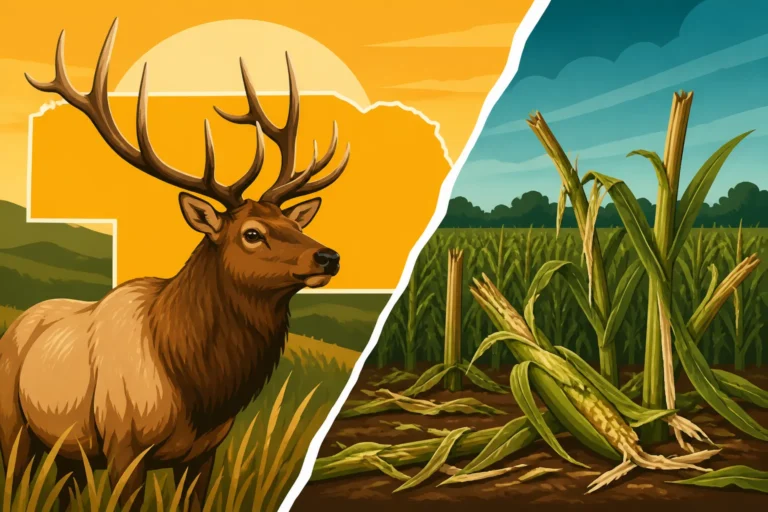
One of the most persistent challenges in managing Nebraska's growing elk herds is balancing the health and expansion of the population with the concerns of private landowners. Elk are large, migratory animals, and their presence can lead to significant issues for ranchers and farmers. These can range from fence damage as elk push through or jump barriers, to crop depredation where herds feed on corn, alfalfa, or hay fields. Given that a vast majority of land in Nebraska is privately owned, securing access for hunting and addressing these conflicts becomes paramount.
The Nebraska Game and Parks Commission works closely with landowners to mitigate these issues, offering programs for depredation control and sometimes issuing special permits to landowners to help manage localized problems. This delicate balance is crucial, as landowner tolerance is key to the long-term success of elk populations outside of extensive public lands. Hunters, too, play a vital role in this management by participating in controlled harvests, which can help keep herd numbers in check and distribute elk more evenly across the landscape. Understanding these dynamics is essential for anyone interested in elk in Nebraska.
Permit Allocation and Hunting Opportunities
Hunting opportunities for elk in Nebraska are highly coveted and extremely limited. The state issues a small number of permits each year through a lottery draw system, reflecting the relatively small size of the herds and the careful management approach. These permits are incredibly valuable, with draw odds often being very low, especially for "any elk" tags. Permits are typically unit-specific, meaning hunters apply for a particular geographic area, such as the Pine Ridge or Hat Creek units.
The Nebraska Elk Permits Are Residents Only, which makes the draw particularly competitive for in-state hunters who dream of harvesting a Nebraska bull. There's usually a distinction between bull and antlerless permits, with antlerless tags generally having slightly better odds as they are used to manage overall herd numbers and population growth. The application process and deadlines are something hunters eagerly track, often relying on resources that compile draw statistics, which some might find available through platforms like GoHunt. The limited nature of these hunts makes them an incredibly special and challenging experience, often requiring years of applying for a chance.
Population Trends and Future Outlook
Nebraska's elk population trends are generally stable to slowly increasing in their core ranges. While precise numbers can fluctuate, the overall trajectory since reintroduction has been positive. Management strategies focus on maintaining healthy herds within ecological carrying capacity, ensuring genetic diversity, and preventing overpopulation that could exacerbate landowner conflicts or lead to disease issues. The state also continues to monitor factors like habitat availability, calf recruitment, and winter mortality.
The future outlook for elk in Nebraska appears cautiously optimistic. Continued conservation efforts, careful management of permits to achieve harvest objectives, and ongoing dialogue with landowners will be critical. There’s a constant effort to understand How Many Elk Nebraska Has and how they are distributed. The goal is not necessarily to have elk everywhere, but to sustain viable, healthy herds in areas where they can thrive and contribute to Nebraska's diverse wildlife heritage, providing those unique, once-in-a-lifetime hunting and viewing opportunities that make Nebraska truly special.
Looking to the Future: Conservation and Coexistence
The story of elk in Nebraska is a powerful narrative of resilience and the enduring spirit of wildlife. As we look ahead, the focus remains on ensuring these majestic animals continue to be a part of the state's natural heritage for generations to come.
Ongoing Conservation Efforts
Conservation efforts for Nebraska's elk extend beyond just managing hunting permits. They encompass a broader approach to habitat preservation and enhancement. This includes protecting and restoring vital ecosystems, particularly in the Pine Ridge, Wildcat Hills, and Niobrara River Valley. Land trusts and conservation organizations often work alongside the Nebraska Game and Parks Commission to secure crucial corridors and wintering grounds. Programs aimed at improving forest health in areas like the Pine Ridge also benefit elk by ensuring a steady supply of quality forage and cover.
Additionally, disease monitoring, such as surveillance for Chronic Wasting Disease (CWD), is an important part of herd health management. Understanding factors like Elk Crop Damage in Nebraska also informs strategies to maintain positive relationships with landowners, which is vital for the continued expansion and acceptance of elk in the state. These comprehensive efforts underscore a commitment to not just maintaining, but fostering, healthy and robust elk populations.
The Unique Appeal of Nebraska Elk Hunting
For hunters, drawing a Nebraska elk permit is truly a dream come true, offering a unique experience often overshadowed by the state's more famous deer and pheasant hunting. The challenges are immense, from navigating vast public and private lands to understanding the elusive nature of elk in non-mountainous terrain. It requires dedication, extensive scouting, and often a bit of luck. The landscape itself presents its own tests; calling an elk in the deep canyons of the Pine Ridge is a far different experience than in a vast Rocky Mountain basin.
The pursuit of these animals is a testament to the unique opportunities Nebraska offers, even if it's considered an "off-the-beaten-path" elk destination. It's an opportunity that resonates deeply with those who appreciate the wildness and challenge that comes with pursuing such an iconic species in a less conventional setting. Many hunters use tools like GoHunt to research potential units and improve their draw odds over time, preparing for that incredible moment if their name is finally pulled.
Nebraska Elk Timeline
To truly appreciate the journey of elk in Nebraska, it's helpful to visualize their historical presence and the efforts to bring them back. This timeline provides a general overview of significant periods:
| Period | Status in Nebraska | Key Events/Characteristics |
|---|---|---|
| Pre-1850s | Widespread and abundant | Native subspecies (likely Merriam's) across much of the state, coexisting with bison. |
| 1850s – Early 1900s | Rapid Decline to Extirpation | Westward expansion, market hunting, habitat conversion for agriculture; last wild elk gone. |
| Mid-1900s (1950s-1960s) | Initial Reintroduction Efforts | Small releases from other states; some natural re-establishment in Niobrara River Valley. |
| Late 1900s – Present | Established and Growing Herds | Pine Ridge and Wildcat Hills emerge as strongholds; limited hunting permits issued. |
| Future | Continued Management and Conservation | Focus on balancing landowner interests, habitat preservation, and sustainable hunting. |
The story of Nebraska's elk is far from over. It's an ongoing chapter of conservation, adaptation, and the enduring connection between wildlife and the landscapes they call home. For those who cherish these majestic animals, their presence in Nebraska is a powerful reminder of what dedicated efforts can achieve.
Disclaimer
This article is for general informational purposes only and does not constitute professional advice. Laws, prices and regulations vary by location and change over time. Consult a qualified professional for guidance on your specific situation.