The Nebraska Rural Mail Carrier Survey
For hunters who spend countless hours afield, understanding the health and trends of game populations can feel like trying to solve a puzzle with half the pieces missing. It’s hard to know if the birds or deer you’re seeing (or not seeing) are reflective of a larger trend, or just a snapshot of your local patch. This guide dives deep into one of Nebraska’s most foundational tools for tracking wildlife: the Rural Mail Carrier Survey, explaining how this unique citizen science effort helps shed light on game numbers and provides crucial insights for both wildlife managers and the everyday hunter.
What is the Nebraska Rural Mail Carrier Survey?
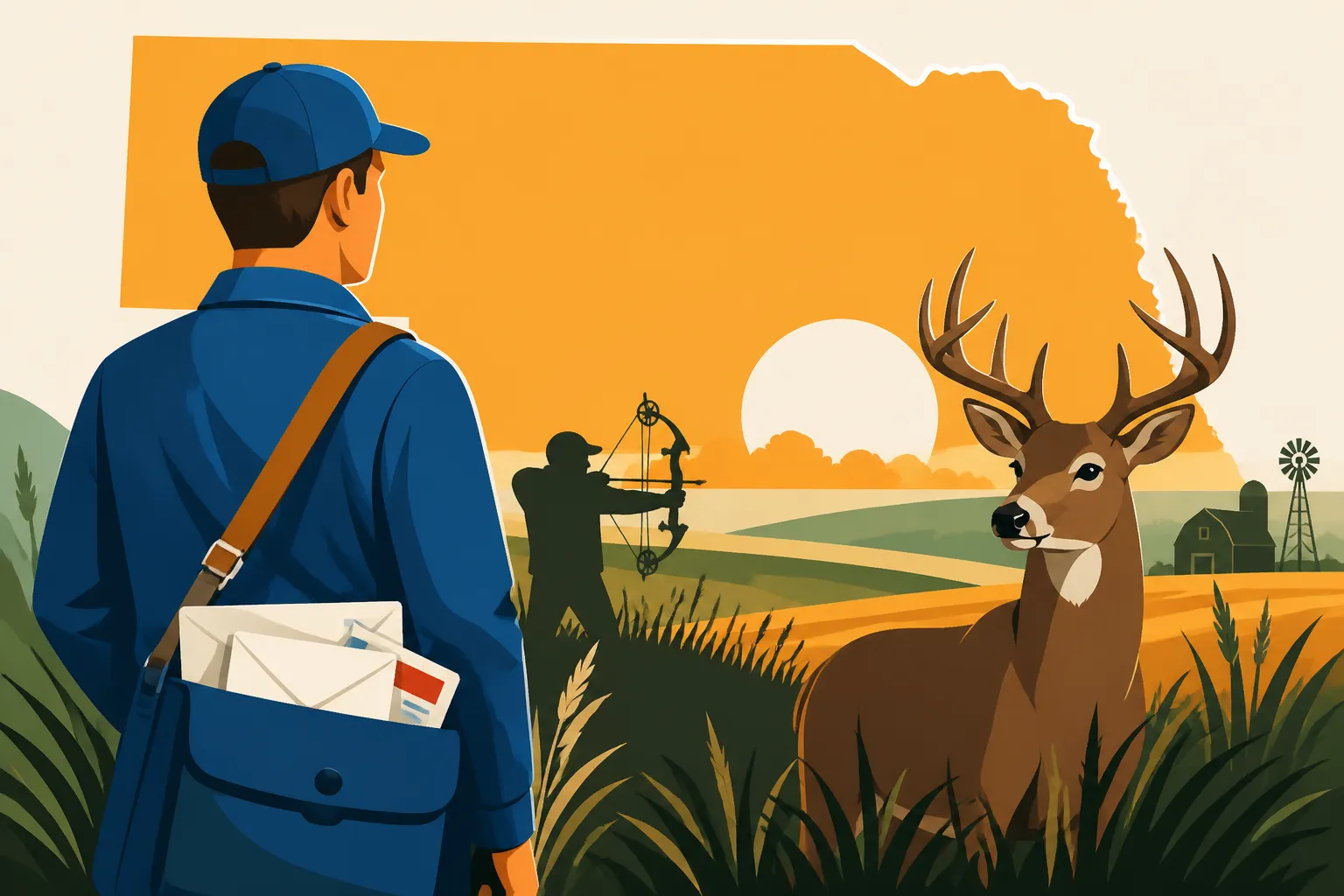
The Nebraska Rural Mail Carrier Survey isn't some high-tech drone operation or a massive team of biologists traipsing through every field. Instead, it’s a remarkably simple, yet effective, method rooted in consistency and local observation. Imagine a network of people who drive the same routes, day in and day out, covering vast stretches of rural Nebraska. That's exactly what our rural mail carriers do, and for decades, their keen eyes have been an invaluable asset in tracking the ebb and flow of Nebraska’s wildlife populations, particularly upland birds.
Origins and Purpose of the Survey
This survey method isn't new; it has a rich history, particularly in states like Nebraska where agriculture and wildlife intertwine so closely. It began primarily as a way to monitor pheasant populations, which, as we know, can fluctuate significantly from year to year due to weather, habitat changes, and farming practices. The Nebraska Game and Parks Commission realized early on that rural mail carriers were perfectly positioned to provide consistent, widespread observations. They travel hundreds of thousands of miles collectively each year, seeing firsthand what's happening on the ground in all kinds of conditions.
The core purpose is straightforward: to gather consistent, statistically relevant data on game sightings across various parts of the state. This helps the Game and Parks Commission understand population trends, identify areas of decline or growth, and ultimately make informed decisions about season lengths, bag limits, and habitat improvement initiatives. Without such a broad-reaching, consistent dataset, wildlife management would be far more challenging, relying on more localized or less frequent observations. It offers a broad brushstroke of what's happening across the landscape.
How the Survey Works: A Look at the Methodology
The actual mechanics of the Rural Mail Carrier Survey are deceptively simple. Each year, volunteer rural mail carriers across designated routes in Nebraska are asked to record the number of certain game species they observe during a specific, predetermined period – typically during June, when young birds and fawns are active and more visible. They record the species, the number of individuals, and the date. This isn't about counting every single animal; it's about providing a rate of observation, like "pheasants per 100 miles driven."
For instance, a carrier might note seeing five pheasant hens with 30 chicks over a week along their 100-mile route. Another carrier in a different area might see one hen and seven chicks over the same mileage. These raw numbers are then aggregated and analyzed. The strength of the survey lies in its consistency: the same routes are driven, by individuals who are familiar with their local wildlife, during the same window each year. This allows biologists to compare year-over-year data reliably. The more participants, the more robust the dataset, painting a clearer picture of how game populations are faring across vast, diverse landscapes. It’s a classic example of citizen science contributing significantly to real-world conservation and management efforts. You can often find detailed breakdowns of this information when doing research, even on platforms like GoHunt, which aggregates various state data points for hunters.
Key Species Monitored by the Survey
While the Rural Mail Carrier Survey might sound like a general wildlife census, it's particularly effective for certain types of game due to their visibility and typical habitats along rural roadways. Knowing which species benefit most from this consistent observation helps us understand the survey's strengths and how to interpret its findings.
Pheasants and Upland Birds: The Primary Focus
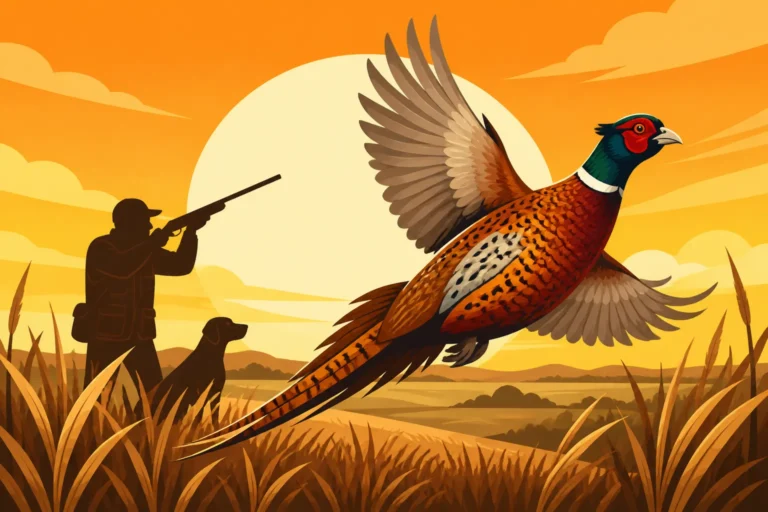
Without a doubt, pheasants are the poster child for the Nebraska Rural Mail Carrier Survey. These colorful birds are often found in roadside ditches, along field edges, and in hay meadows adjacent to agricultural lands – precisely the areas rural mail carriers traverse daily. The timing of the survey, typically in early summer, is crucial because it coincides with the pheasant hatch. This allows observers to count hens with broods, providing vital information about nesting success and chick survival. A high number of small pheasant broods indicates a successful nesting season, while fewer or smaller broods might signal challenges like harsh spring weather or predator pressure.
This direct correlation between sightings and reproductive success makes the survey an incredibly powerful tool for predicting the upcoming pheasant hunting season. How Pheasant Numbers Are Counted is a related topic that often references this survey. If the survey reports a significant increase in broods, hunters can anticipate a better season. Conversely, a poor survey year might temper expectations. This information is key for understanding Nebraska's Pheasant Population Decline over the long term and evaluating the success of habitat initiatives like the Berggren Plan. Carriers also report sightings of other upland birds like quail and even grouse, though pheasants remain the primary species of focus due to their widespread distribution and visibility in agricultural landscapes.
Deer and Other Big Game: Opportunistic Sightings
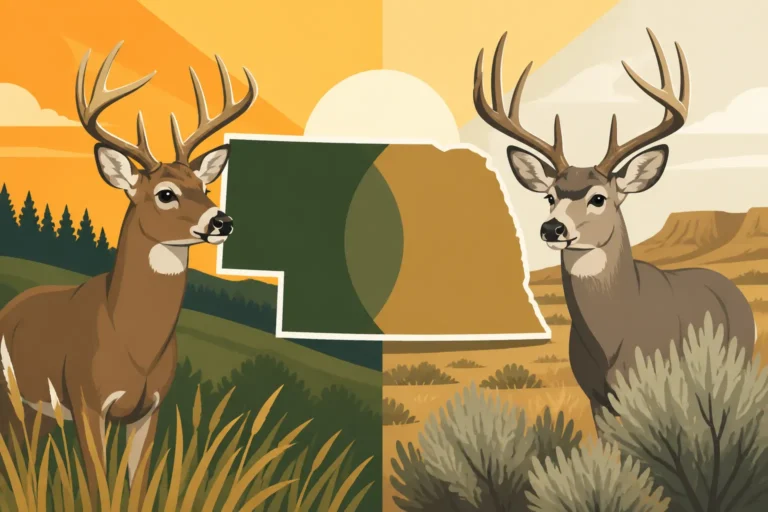
While the Rural Mail Carrier Survey was initially designed with upland birds in mind, it also provides valuable supplementary data on deer and other big game species. Carriers regularly encounter deer, particularly whitetails, as they move between bedding cover and feeding areas, often crossing roads in the process. During the summer survey period, observations of does with fawns contribute to an understanding of deer reproductive success and overall population health in different units.
It's important to understand that deer observations from this survey are typically considered opportunistic rather than its core, statistically robust measure. Unlike pheasants, which are specifically targeted for brood counts, deer sightings offer a broader indication. However, when combined with other data sources, such as spotlight counts, aerial surveys, and hunter harvest reports (like those that inform Nebraska Whitetail Population Estimate), these mail carrier observations contribute to a more comprehensive picture. For species like mule deer, which often inhabit more expansive, open country further from established roads, the survey's utility might be less pronounced than for the more ubiquitous whitetail. Nonetheless, any consistent sighting data across the state is valuable for understanding general trends and complementing the broader wildlife management puzzle.
The Data and Its Importance for Hunters
So, you might be thinking, "That's great for the Game and Parks Commission, but how does a mail carrier counting birds help me?" The truth is, the data collected through the Rural Mail Carrier Survey has direct and indirect benefits for every hunter looking to find success in Nebraska's fields and forests. It's about empowering you with better information to make more informed hunting decisions.
Population Trends and Management Decisions
The most significant impact of the Rural Mail Carrier Survey is on wildlife management itself. The Game and Parks Commission analyzes years of this data, looking for patterns, rises, and falls in game numbers. For instance, if the survey consistently shows declining pheasant brood counts over several years in a particular region, it signals a problem. This might prompt habitat improvement projects, a review of hunting regulations, or specific outreach to landowners. This is part of the larger effort to answer " How Game and Parks Counts Wildlife".
Conversely, strong numbers can indicate healthy populations, allowing managers to maintain stable season structures. This kind of data is crucial for setting Nebraska Pheasant Season Opening Date or determining if late-season antlerless deer permits are warranted in an area based on fawn recruitment. When you see changes in hunting regulations or new habitat initiatives announced, odds are that data from the Rural Mail Carrier Survey, alongside other surveys, played a role in those decisions. It's a foundational piece of the puzzle that ensures sustainable hunting opportunities for future generations. Understanding these trends can also explain broader issues like Why Nebraska Deer Harvest Has Declined in certain years or regions.
Scouting Insights for Hunters
Beyond official management decisions, the Rural Mail Carrier Survey provides invaluable scouting insights for the savvy hunter. Imagine you’re planning your pheasant hunt for the upcoming fall. By reviewing the annual survey results, often published by Nebraska Game and Parks in late summer, you can identify which regions experienced a good hatch and potentially have higher bird numbers. This can help you decide where to focus your efforts, whether it's driving a bit further to a county with better prospects or concentrating on your local areas if they also show promise. For those using advanced scouting tools, services like GoHunt might even integrate or reference this public data, allowing you to cross-reference it with specific unit information or public land access points.
For example, if the survey shows a strong year for pheasant broods in the Panhandle region but a down year in Southeast Nebraska, you might adjust your hunting plans accordingly. This isn't about giving you exact coordinates to birds, but rather providing a macro-level overview that narrows down your search. It informs your pre-season scouting, helping you prioritize areas that statistically have a higher likelihood of holding game. It's like getting an early weather report for the hunting season – not a guarantee, but a strong indicator to help you prepare. Similarly, deer sightings in specific regions can hint at Nebraska Antlerless Permit Availability by Unit for those looking to fill additional tags.
Here's a simplified look at how survey data might influence hunting prospects (actual numbers vary widely and are far more complex):
| Survey Result (Example) | Implication for Hunters (Pheasant Season) | Actionable Insight |
|---|---|---|
| High Brood Counts | Good pheasant population heading into fall, especially for young birds. | Focus on areas with good cover and food sources; expect more birds. |
| Low Brood Counts | Potentially tougher season, fewer young birds, relies more on carryover adults. | Target thicker cover; consider areas less impacted by weather. |
| High Hen-to-Rooster Ratio | Strong hen population, good for future breeding; less roosters per hen. | May indicate a need to focus on finding pockets of roosters. |
| Consistent Deer Sightings | Healthy deer population in the area; good fawn recruitment. | Look for quality deer habitat in regions with consistent sightings. |
| Increased Rabbit Sightings | General health of small game populations, good for predator base. | May indicate good small game hunting opportunities in general. |
Note: This table is a simplified example. Actual survey data is far more nuanced and should be interpreted alongside other information.
Limitations and Complementary Data Sources
While the Rural Mail Carrier Survey is an incredibly valuable tool, it's essential to understand that no single data source provides a complete picture of complex wildlife populations. Every survey has its limitations, and the Game and Parks Commission wisely uses a variety of methods to ensure a holistic understanding of Nebraska's game species.
Inherent Challenges and Biases
One of the primary challenges with any observational survey, including the Rural Mail Carrier Survey, is the potential for inherent biases. Sightings can be heavily influenced by factors outside of actual population numbers. For instance, weather conditions during the survey period play a huge role. If it’s been raining heavily, birds might be hunkered down, leading to lower reported sightings even if populations are healthy. Conversely, a prolonged drought might force wildlife closer to roadsides in search of greener vegetation, potentially inflating perceived numbers.
Visibility is another factor. Early morning or late evening observations might differ from midday. The type of roadside cover, the speed at which carriers drive, and even individual carrier diligence can introduce variability. Furthermore, it's a roadside count, meaning species that prefer deep cover or expansive, roadless areas might be underrepresented. The survey also doesn't provide precise age or sex ratios for all species, which are critical for detailed population modeling. While statisticians work to account for these variables, it’s a constant challenge that necessitates corroboration from other sources. These are factors hunters consider when Wind Direction on Open Nebraska Prairie Stands affects visibility or Deep Snow and Deer Movement impacts observations.
Other Surveys and Methods for a Fuller Picture
Recognizing these limitations, Nebraska Game and Parks doesn't rely solely on the Rural Mail Carrier Survey. Instead, it integrates this data with a suite of other monitoring programs to build a comprehensive view of wildlife health. For pheasants and other upland birds, supplemental brood surveys are often conducted by biologists who specifically target prime habitats, providing more detailed information on brood size and chick survival. Roadside counts are also done by agency staff using standardized protocols.
For deer, harvest data from hunters submitting their permits is incredibly important, as it provides a direct measure of what's being removed from the population. Spotlight surveys, conducted at night, help estimate deer density in specific units, and aerial surveys can cover vast, inaccessible areas for species like mule deer or elk. Nebraska Antelope Draw Odds or Nebraska Elk Permit Numbers are often derived from multiple data sets, not just one. For species like turkeys, poult surveys and hunter reports also contribute to understanding Nebraska Turkey Population Estimate. Ultimately, the Rural Mail Carrier Survey is a foundational layer in a multi-faceted approach to wildlife management, one that blends consistent, widespread observations with more intensive, targeted studies to provide the most accurate picture possible for the benefit of both wildlife and hunters.
Disclaimer
This article is for general informational purposes only and does not constitute professional advice. Laws, prices and regulations vary by location and change over time. Consult a qualified professional for guidance on your specific situation.