Plains Unit Mule Deer Harvest
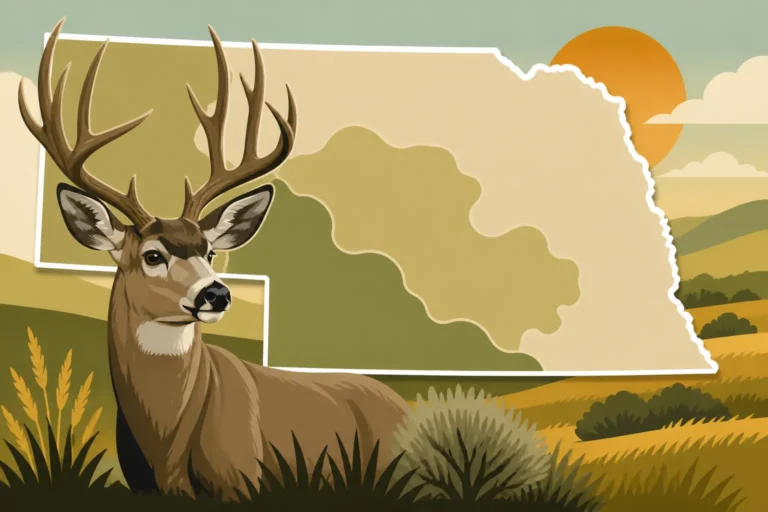
Hunting mule deer in Nebraska's famed Plains Unit can be a truly incredible experience, but it also comes with unique challenges that often leave hunters scratching their heads. The sheer vastness of the Sandhills, combined with the often-elusive nature of mule deer, means that understanding the unit's specific harvest trends and tactics is crucial for anyone hoping to punch a tag. This guide will walk you through what to expect, how to improve your odds, and the realistic picture of mule deer hunting in this iconic Nebraska landscape.
Understanding the Plains Unit Mule Deer Landscape
The Plains Unit, largely encompassing the sprawling Sandhills region, is a unique beast when it comes to mule deer hunting. It's not your typical whitetail woods; here, open grasslands, rolling dunes, and cedar-choked canyons define the habitat. This landscape dictates everything from deer behavior to hunting strategies, and if you go in expecting a treestand hunt, you're in for a rude awakening.
Habitat Features and Mule Deer Preferences
Mule deer in the Plains Unit are masters of their environment. They thrive in the vast, broken country of the Sandhills, utilizing the topography for cover and feed. You'll find them gravitating towards areas with a mix of grassland for grazing, along with draws, canyons, and scattered cedar thickets that provide bedding cover and thermal protection from the brutal Nebraska winds and sun. Think about those little pockets of cedar in a vast sea of grass, or the steep, shaded sides of a deep canyon; these are prime mule deer hangouts.
Unlike their whitetail cousins who might stick to a small woodlot, mule deer in the Plains Unit often have expansive home ranges. They're built for covering ground, and they'll move significant distances between feeding and bedding areas, sometimes just to catch a different thermal current or find a quieter spot. This nomadic tendency means that a successful hunt often hinges on covering ground and finding where they are currently holding, rather than relying on historical patterns in a small area. Understanding Where Nebraska Mule Deer Range is key to appreciating this dynamic.
Mule Deer Population and Harvest Trends in the Plains Unit
The Plains Unit has historically been a strong producer of mule deer, but like any wildlife population, it experiences fluctuations. While Nebraska's mule deer numbers have had their ups and downs, there's been a noticeable trend over the years. We've seen periods where the population was robust, offering plenty of opportunities, and other times when Mule Deer Buck Harvest at a 45-Year Low has been a real concern for hunters. This is often due to factors like harsh winters, disease outbreaks, or even habitat changes.
Recently, there's been some encouraging news regarding How Mule Deer Numbers Have Rebounded. This recovery is a testament to careful management and, in some cases, more favorable environmental conditions. For hunters in the Plains Unit, this means a cautiously optimistic outlook. While you might not see mule deer behind every dune, there are still solid numbers, and the potential for a mature buck remains high for those willing to put in the effort. Always check the latest harvest data from Nebraska Game and Parks to get the most up-to-date picture for the Plains Unit specifically.
Strategies for Hunting Mule Deer in the Plains Unit
Hunting mule deer in the Plains Unit is a truly unique challenge, demanding patience, a good pair of boots, and keen eyes. It's an experience that tests your resolve and rewards methodical effort. Forget sitting in a stand; this is primarily a spot-and-stalk game, where understanding the terrain and the deer's behavior is paramount.
The Art of Spot-and-Stalk Hunting
When you're out in the Plains Unit, the first thing you'll notice is the sheer scale of the landscape. This is where your optics become your best friend. Employing Glassing the Nebraska Sandhills for Mule Deer is absolutely critical. You'll spend a significant amount of time perched on high points, meticulously scanning distant hillsides, draws, and cedar pockets for any sign of a mule deer. Don't just look for an entire deer; sometimes it's an ear, a patch of antler, or the subtle outline of a bedded animal that gives them away. Many seasoned hunters use a good spotting scope on a tripod for this, slowly dissecting the landscape grid by grid.
Once you've spotted a buck, the real challenge begins: the stalk. The open nature of the Sandhills means cover can be sparse, and the wind is almost always a factor. You need to use every fold in the terrain, every patch of tall grass, and every cedar clump to your advantage. Planning your approach to account for Wind and Thermals in the Sandhills is non-negotiable. Mule deer have incredible senses, and one wrong move, one gust of wind carrying your scent, or one flash of movement in the open can send them bounding away. This is where tools like GoHunt can be invaluable for studying topography and potential approach routes before you ever leave your glassing point. It's about being slow, silent, and smart.
Utilizing Topography and Cover for Success
The Sandhills might look like an endless expanse of grass, but it's full of subtle undulations, deep canyons, and scattered thickets that provide crucial cover for mule deer. Learning to "read" this landscape is a skill that comes with time afield. Mule deer often bed on north-facing slopes to stay cool on warm days, or on south-facing slopes to catch the sun in colder weather. They'll also use the bottoms of deep draws to escape the wind or to travel undetected.
When planning your hunt, think about elevation. Gaining a vantage point is almost always beneficial for spotting, but remember that descending into a canyon or draw can hide your approach. Pay close attention to "blowouts" – the sandy depressions formed by wind erosion. These can hold surprising pockets of vegetation and, more importantly, offer natural funnels or bedding areas. Similarly, any substantial cedar patch is worth a thorough glassing, as mule deer will often seek refuge in these dense stands. Check out tactics like Hunting a Creek Crossing in the Sandhills, as these can be natural travel corridors.
Drawing a Plains Unit Permit
Getting a Plains Unit mule deer permit isn't always as simple as walking into a sporting goods store. While Nebraska offers various deer permits, the demand for mule deer opportunities, especially in units known for trophy potential, can make drawing a tag competitive. You'll definitely want to understand Nebraska Big Game Permits and How to Get One. The state typically utilizes a lottery or draw system for many of its desirable big game permits, and the Plains Unit often falls into this category for nonresident hunters, and sometimes even for residents seeking specific "any deer" or "any antlered deer" tags.
The process usually involves applying within a specific window, often in June. You might consider purchasing preference points if available, especially if your initial draw odds for the Plains Unit are low. This strategy can increase your chances in subsequent years. For specific details on application dates, permit types, and Nebraska Sandhills Any Deer Draw Odds, it's always best to consult the Nebraska Game and Parks Commission's official website or their annual hunt guide. Sometimes, leftover permits might become available over-the-counter later in the summer, but these are often limited and sell out quickly. Being prepared and understanding How the Nebraska Big Game Lottery Works, possibly even using a tool like GoHunt's draw odds data, can significantly help in your permit acquisition strategy.
Essential Gear for Plains Unit Mule Deer
Tackling the vastness of the Plains Unit for mule deer demands more than just a rifle and some enthusiasm. The environment itself will test your gear, from the ever-present wind and sun to the deep sand and long distances you'll be covering. Having the right tools won't guarantee a buck, but it will certainly make your hunt more comfortable and effective.
Optics: Your Most Important Tool
In the open country of the Sandhills, your eyes are your greatest asset, and good optics are simply an extension of them. A quality pair of binoculars, ideally 10x or 12x magnification, is non-negotiable for spotting deer at a distance. Don't skimp here; clear glass with good low-light performance will pay dividends at dawn and dusk. For a deeper dive, check out Binocular Magnification for the Sandhills. Beyond your binos, a spotting scope becomes essential for identifying deer from several miles away and for judging antler size without having to stalk closer, potentially spooking the animal. Look for something in the 60-80mm objective range with variable magnification, mounted on a sturdy tripod.
A reliable rangefinder is also crucial. Knowing the exact distance to your target in open country, where visual estimations can be wildly off, is vital for ethical shot placement. Consider a model with angle compensation, as you'll often be shooting across draws or up/down hills. Many hunters prefer a laser rangefinding binocular, combining two tools into one, to save weight and time in the field. Remember, you'll be doing a lot of glassing, often from exposed positions, so a comfortable neck strap or bino harness is a must.
Rifles and Ammunition for Long Shots
When hunting mule deer in the Plains Unit, you need a rifle setup capable of accuracy at extended ranges. While ethical hunters strive for close shots, the reality of the open Sandhills often means shots can push past what many whitetail hunters are accustomed to. Therefore, choosing a caliber that performs well at distance and practicing with it extensively is paramount. Consider calibers known for their flat trajectory and energy retention, such as a .270, 7mm Rem Mag, or the increasingly popular 6.5 Creedmoor. For more on this, check out Best Rifle Caliber for Nebraska Mule Deer.
Equally important is your ammunition. Select a bullet designed for consistent expansion and penetration on deer-sized game at varying ranges. Practice regularly at 200, 300, and even 400 yards if you anticipate those distances. A high-quality rifle scope with clear glass, a forgiving eye box, and a reliable dialing system or BDC (Bullet Drop Compensator) reticle is also critical. Don't forget a sturdy bipod or shooting sticks, as stable shooting positions can be hard to come by in the rolling terrain. Understanding Rifle Ranges Realistic in Open Country, and zeroing your rifle accordingly, is a non-negotiable step before hitting the field.
Clothing and Footwear for Variable Conditions
The Nebraska Sandhills can be famously unpredictable, weather-wise. A warm, sunny morning can quickly give way to a howling, bone-chilling wind or even a sudden thunderstorm. Layering is the name of the game. Start with a moisture-wicking base layer, add insulating layers like fleece or down, and top it off with a windproof and waterproof outer shell. Remember that blaze orange requirements apply during certain firearm seasons, so integrate a vest or hat accordingly.
Your footwear is just as important, if not more so, than your clothing. You'll be covering many miles on uneven terrain, often through deep sand or prickly pear cactus. A comfortable, supportive, and durable pair of hunting boots is essential. Look for models with good ankle support, a stiff sole to handle rough ground, and breathability to prevent blisters. Many hunters opt for waterproof boots to handle dew-soaked grass or unexpected creek crossings. And absolutely do not forget quality, moisture-wicking socks! Your feet will thank you at the end of a long day of walking. For more footwear insights, explore Boots for Walking Nebraska Grass and Sand.
Preparing for Your Plains Unit Hunt
A successful hunt in the Plains Unit isn't just about what you do in the field; it's heavily influenced by your preparation before you even set foot in Nebraska. From physical conditioning to detailed scouting, every step you take beforehand contributes to your overall success and enjoyment of the hunt.
Physical Conditioning and Navigation
The Sandhills are beautiful, but they are also physically demanding. The rolling hills, deep sandy blowouts, and long distances can wear you down quickly if you're not prepared. You'll likely be hiking several miles a day, often with a pack, climbing up and down hills, and traversing uneven ground. Regular cardiovascular exercise, strength training focusing on your legs and core, and even some practice hikes with your loaded pack will make a huge difference in your endurance and ability to stay focused throughout the day. Don't underestimate how taxing covering ground in sand can be.
Beyond physical fitness, navigating this vast, often featureless landscape is critical. While a paper map and compass are always good backups, a reliable GPS unit or a hunting app on your smartphone, like GoHunt's mapping features, is indispensable. These tools allow you to mark waypoints, track your path, stay aware of property boundaries, and navigate back to your vehicle in low light or fog. Always carry a power bank to keep your devices charged, as cell service can be spotty in remote areas of the Plains Unit. Understanding Reading Sign on a Nebraska Sandhills Two-Track, along with your digital maps, helps you stay oriented.
Scouting and Research
Even if you're an experienced hunter, scouting and research for the Plains Unit are invaluable. This isn't just about looking at maps, though that's a great start. Tools like the Nebraska Public Access Atlas are crucial for identifying public lands, including Open Fields and Waters tracts that might provide additional access. Utilizing satellite imagery to identify potential bedding areas, water sources, and travel corridors before your hunt can save you countless hours of unproductive walking. Look for those dark green cedar thickets, the breaks in the terrain, and the edges of agricultural fields if they exist in your chosen area.
If possible, make a scouting trip to the unit well before the season opens. Walk some of the ground you've identified, look for shed antlers, rubs, and tracks to confirm deer presence. Pay attention to prevailing winds and how they might affect thermals in specific draws. Talk to local landowners if you can, always with respect and a polite request for information or access. Sometimes, even if you can't hunt their property, they can offer insights into deer movement in the broader area. Knowledge is power when hunting big, wild country.
Respecting Landowners and Regulations
Hunting in Nebraska, especially on the fringes of private land or within the Open Fields and Waters program, means always being mindful of Nebraska's Posted-Land and Trespass Rules. Always know where you are and whose land you are on. If you're hunting private land, ensure you have explicit, ideally written, permission. A good relationship with landowners is paramount for continued hunting access across the state. Even on public ground, be courteous to other hunters and recreationists.
Familiarize yourself thoroughly with the current Nebraska Game and Parks regulations for the Plains Unit. This includes season dates, bag limits, antler point restrictions (if any), blaze orange requirements, and any specific rules about firearm types or ammunition. Ignorance of the law is never an excuse, and violations can result in significant fines and loss of hunting privileges. Always ensure you have your proper permits, stamps, and licenses, including the Nebraska Habitat Stamp, before heading into the field. Knowing your Nebraska Deer Tagging and Checking Rules, as well as carcass transport regulations, will prevent any headaches after a successful harvest.
| Mule Deer Hunting Strategy | Description | Key Considerations |
|---|---|---|
| Spot & Stalk | Locate deer from a distance with optics, then use terrain and wind to approach within shooting range. | Requires high-quality binoculars/spotting scope, patience, understanding of wind/thermals, physical fitness. |
| Glassing | Systematically scan vast landscapes from high vantage points, often for extended periods. | Essential for finding mule deer in open country; use tripods, scan in grids, look for subtle cues (ears, antlers). |
| Terrain Utilization | Using draws, canyons, cedar thickets, and rolling hills for cover during stalks and for deer bedding. | Plan approach routes carefully, understand how deer use different slopes for bedding, identify natural funnels. |
| Permit Acquisition | Applying for draw permits or purchasing over-the-counter tags, often requiring preference points. | Research draw odds, application deadlines (often June), consider preference points, check for leftover permits. |
| Gear Selection | Choosing appropriate optics, long-range rifle setups, layered clothing, and durable footwear. | Invest in good glass, practice long-range shooting, dress for variable Sandhills weather, prioritize comfortable boots. |
| Pre-Season Scouting | Using maps (digital/physical) and on-the-ground reconnaissance to identify promising hunting areas. | Study satellite imagery, identify public access, look for sign, understand habitat features before the hunt. |
Disclaimer
This article is for general informational purposes only and does not constitute professional advice. Laws, prices and regulations vary by location and change over time. Consult a qualified professional for guidance on your specific situation.