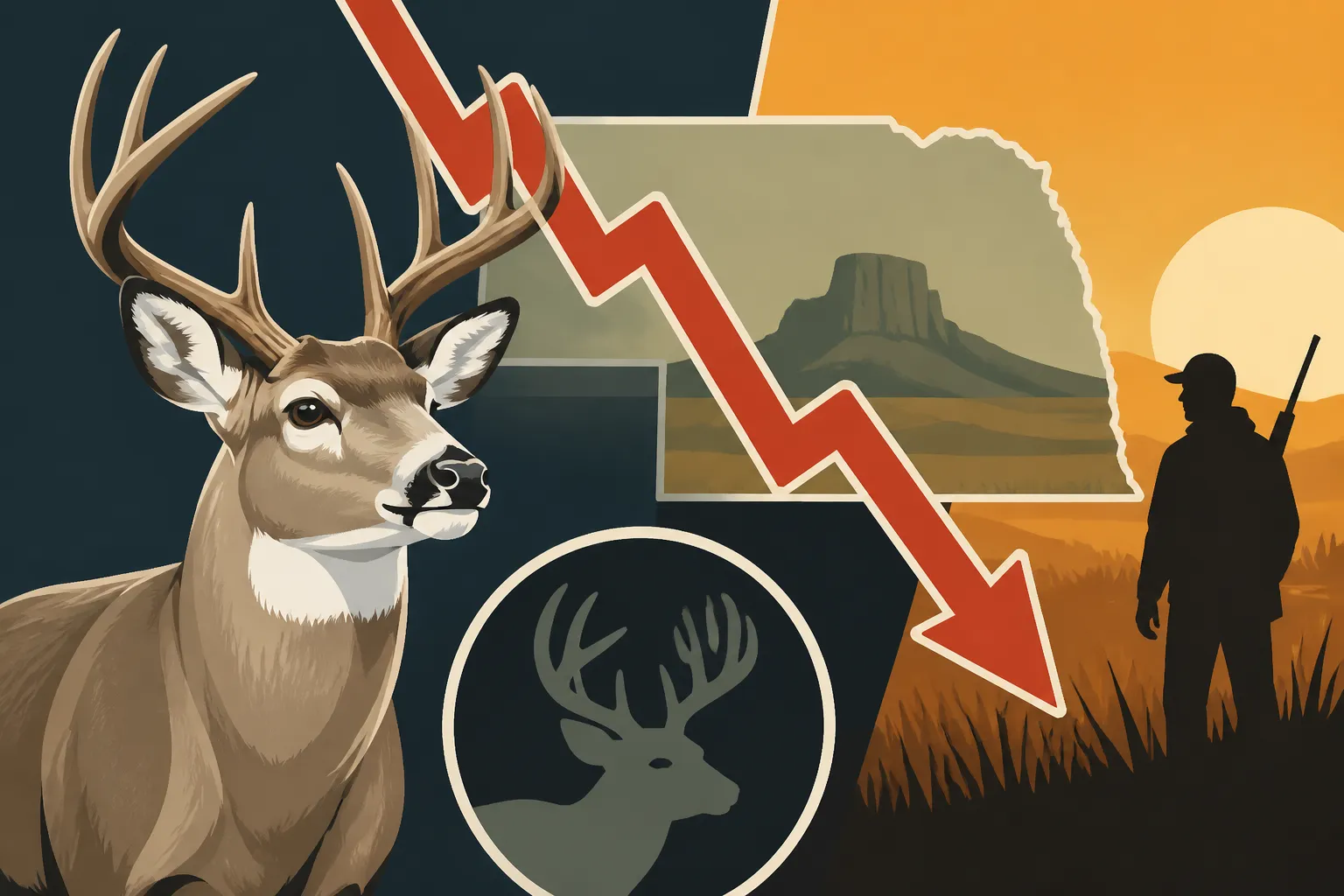
Mule Deer Buck Harvest at a 45-Year Low
It's a tough pill to swallow for many hunters who have spent years chasing mule deer across Nebraska's vast landscapes: the mule deer buck harvest has, at times, reached historically low points. This isn't just a number on a report; it's a real frustration felt when tags go unfilled, and once-reliable spots seem empty. This guide dives into the complex reasons behind these declining numbers and offers practical advice for hunters looking to adapt and still find success in a changing environment.
Understanding the Decline in Nebraska's Mule Deer Harvest
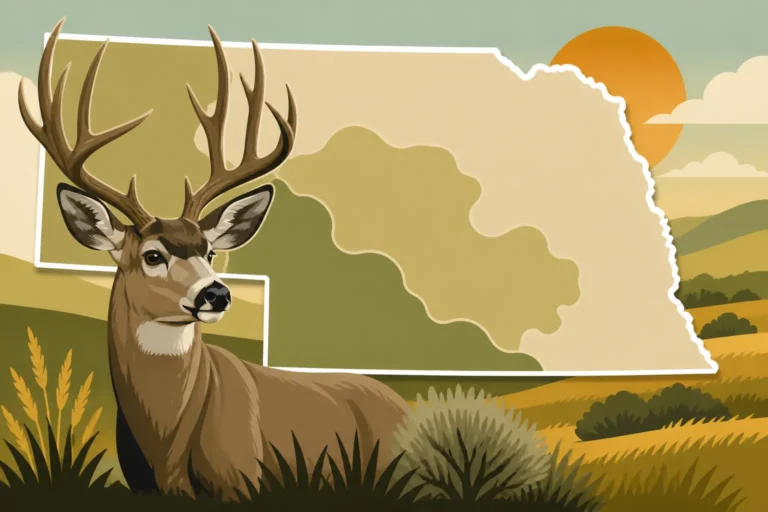
For those of us who cherish the wide-open spaces of Nebraska, particularly the Sandhills and the Panhandle, the sight of a mature mule deer buck has always been a highlight of the hunting season. However, recent years have brought a noticeable shift, and many hunters are keenly aware that something has changed. The perception isn't just anecdotal; it’s reflected in harvest data that shows a significant downturn in buck numbers compared to decades past.
Historical Trends and Hunter Observations
If you've been hunting mule deer in Nebraska for a while, you've likely witnessed firsthand the peaks and valleys of their population. There were seasons when finding a solid buck seemed almost a given, particularly in certain areas known for their robust mule deer herds. Those were the days when success rates were higher, and the overall experience felt more abundant. However, over the last few decades, the trend has become increasingly challenging. What was once considered a "slow year" can now feel like the new normal, prompting serious reflection among dedicated hunters.
This isn't just about hunter perception, either. State wildlife agencies meticulously track harvest data, and those records confirm what many hunters have been feeling in the field. The overall number of mule deer bucks taken each season has shown a notable decline, reaching figures that are concerning when compared to historical averages. This long-term trend signifies more than just a bad year; it points to deeper, systemic issues affecting the health and size of Nebraska's mule deer population. Understanding these historical fluctuations, and acknowledging the current downturn, is the first step in adapting our hunting strategies.
For newer hunters, or those considering a trip to the state, it's important to set realistic expectations based on these current trends. While Nebraska still offers incredible hunting opportunities, particularly for those willing to put in the work, the days of high-density mule deer populations across broad areas seem to be in the rearview mirror. This doesn't mean giving up; it means hunting smarter, learning more, and focusing our efforts where the odds are more favorable.
Environmental Factors at Play
Nebraska's environment, while often beautiful and vast, can also be incredibly harsh and unforgiving. Mule deer are creatures finely tuned to their surroundings, and when those surroundings undergo significant changes, the deer populations inevitably feel the impact. We're talking about things like prolonged drought, severe winter storms, and shifts in natural vegetation patterns – all elements that directly affect a deer's ability to thrive. These aren't isolated incidents but often part of larger, long-term climatic shifts that compound over time.
For example, extended periods of drought can drastically reduce the quality and availability of forage, especially in the more arid regions of the Panhandle and western Sandhills. Mule deer rely on a diverse diet of forbs, browse, and grasses, and when these resources dry up, does may not be able to adequately nourish their fawns, leading to lower fawn survival rates. Bucks, too, suffer, often entering winter in poorer condition, which can impact antler development and overall health, making them more vulnerable to disease or harsh weather.
Conversely, unusually severe winters, characterized by deep snow and prolonged cold, can also take a heavy toll. While mule deer are adapted to cold, extreme conditions can lead to increased energy expenditure, making it harder for them to access food. These conditions are particularly brutal on fawns and older animals, further reducing the population's ability to rebound. Understanding these environmental pressures helps paint a clearer picture of why mule deer numbers fluctuate and why recent trends have been particularly challenging.
Key Contributors to Lower Mule Deer Numbers
The decline in Nebraska's mule deer buck harvest isn't attributable to a single cause. Instead, it's a complex interplay of various factors, each contributing in its own way to the overall health and population dynamics of these iconic animals. From changes in their natural habitat to the silent spread of disease, these elements combine to create a challenging environment for mule deer to thrive.
Habitat Loss and Fragmentation
One of the most insidious threats to mule deer populations, and indeed much of our wildlife, is the gradual loss and fragmentation of their natural habitat. In Nebraska, this often comes in the form of agricultural expansion, urban sprawl, and development that encroaches upon what was once prime deer country. While agriculture is vital to our state, it undeniably transforms the landscape, replacing diverse native ecosystems with monoculture crops that offer limited year-round cover and forage for mule deer.
Consider areas where new pivot irrigation systems are installed, turning vast tracts of native grassland or brush into corn or soybean fields. This might seem like progress to some, but to a mule deer, it means losing critical bedding cover, fawning grounds, and diverse food sources. When these changes occur across large regions, they can isolate herds, making it harder for deer to move freely, find mates, and access seasonal resources. This fragmentation can also increase their exposure to roads and human activity, leading to higher mortality rates.
Furthermore, the quality of remaining habitat can degrade over time due to invasive species or altered land management practices. Areas that once provided rich forage and secure cover might become less productive, pushing deer into marginal habitats where they face more competition or stress. The cumulative effect of these changes in both quantity and quality of habitat directly impacts how many deer an area can support, ultimately reflecting in harvest numbers. We can't expect the same number of deer if their homes are shrinking or becoming less hospitable.
Disease and Predator Impacts
Diseases can sweep through deer populations with devastating effects, and mule deer in Nebraska are no strangers to this challenge. Epizootic Hemorrhagic Disease (EHD) and Chronic Wasting Disease (CWD) are two of the most significant concerns for deer managers and hunters alike. EHD, though cyclical and often associated with hot, dry conditions that favor the biting midge that transmits it, can cause localized die-offs that decimate herds in specific areas, sometimes impacting mule deer more heavily than whitetails in certain regions.
The long-term threat of Chronic Wasting Disease is equally, if not more, concerning. CWD is a fatal neurological disease that affects cervids, including mule deer. It's a slow-acting disease, but it's relentless, gradually increasing in prevalence in infected herds. While Nebraska actively monitors CWD, and hunters are often encouraged to participate in Nebraska CWD Sampling for Hunters, the insidious nature of the disease means it can reduce herd health and longevity over time, especially impacting older, trophy-class bucks. Hunters often voice concerns about seeing fewer mature animals, and CWD can certainly play a role in that.
In addition to disease, predator populations also exert pressure on mule deer, particularly fawns. While natural predation is a healthy part of any ecosystem, an imbalance can exacerbate population declines already struggling with other factors. Coyotes and even mountain lions in the Pine Ridge area can contribute to fawn mortality, especially in years when doe condition is poor or habitat provides insufficient cover for fawns to hide effectively. It's another piece of the puzzle that managers consider when looking at overall herd health.
Drought and Weather Extremes
Nebraska's climate can be one of extremes, and these dramatic swings in weather patterns directly impact mule deer health and survival. We’ve touched on drought, but it’s worth reiterating its profound effect. Prolonged periods of insufficient rainfall, especially during crucial spring and summer months, means less lush vegetation. This isn't just about food scarcity; it also means less water availability, forcing deer to travel farther, expending more energy, and potentially congregating at fewer water sources, which can increase disease transmission.
The impact of drought hits pregnant does and fawns particularly hard. A doe that is nutritionally stressed during gestation will likely have a fawn with lower birth weight and reduced vigor. If these conditions persist, fawn survival rates plummet, directly impacting the recruitment of new deer into the population. Fewer fawns making it to adulthood means fewer young bucks maturing into harvestable animals in subsequent years, contributing to the "Mule Deer Buck Harvest at a 45-Year Low" phenomenon.
Then there are the harsh winters that can follow dry summers. Imagine a deer that enters winter already compromised from a long, dry season, only to be hit with deep snow and prolonged sub-zero temperatures. Their fat reserves are minimal, and finding food under heavy snow becomes an exhausting, often futile, effort. This combination of drought-weakened herds facing extreme cold can lead to significant winter mortality, further eroding the population base. It’s a relentless cycle that can take years for herds to recover from, even if conditions improve.
Navigating the Challenges as a Mule Deer Hunter
The reality of lower mule deer buck harvest numbers means hunters need to adjust their expectations and strategies. The days of simply showing up and expecting to fill a tag might be behind us in many areas. Success now often hinges on smart preparation, strategic decision-making, and a willingness to adapt to the current landscape.
Permit Availability and Draw Odds
One of the most immediate impacts of declining mule deer numbers, coupled with sustained hunter interest, is on permit availability and draw odds. For specific units, particularly those known for quality mule deer, drawing a desirable permit can become increasingly challenging. Nonresidents, especially, often face tougher odds due to allocation limits, and understanding How Nebraska Splits Resident and Nonresident Permits is crucial. This means that simply deciding to hunt mule deer in Nebraska requires forethought, often involving planning several seasons ahead.
Hunters often find themselves navigating a complex system of applications and preference points. For those serious about hunting a trophy mule deer in a prime unit, accumulating preference points might be the most realistic long-term strategy. This often means applying year after year, sometimes forgoing a hunt in the interim, to build up enough points to draw a coveted tag. Tools like GoHunt can be invaluable here, offering insights into draw odds and permit availability by unit, helping hunters make informed decisions about where and when to apply. It’s a long game, but it's often necessary to access the better units.
For those who prioritize hunting every year over chasing a specific trophy unit, exploring over-the-counter opportunities or units with higher draw success rates, even if they historically produce fewer large bucks, becomes a viable alternative. This might involve hunting antlerless-only permits or focusing on areas that still have decent general population numbers. Being flexible with your target—whether it’s any legal mule deer or a specific age class—can open up more opportunities in a tightened permit landscape.
Adjusting Your Scouting and Hunting Strategies
When mule deer populations are lower, and bucks are harder to find, your old reliable hunting spots and tactics might need a serious overhaul. The traditional approach of covering ground and hoping to stumble upon a buck is less effective now. Instead, a more deliberate, analytical approach to scouting and hunting is paramount. This starts long before opening day.
Extensive pre-season scouting, both physically in the field and digitally from home, becomes non-negotiable. Utilizing mapping tools and scouting apps to identify potential water sources, key travel corridors, and secure bedding cover in mule deer country can give you a significant advantage. Learning to Reading Sign on a Nebraska Sandhills Two-Track or understanding Wind and Thermals in the Sandhills are crucial skills that elevate your success rate. This level of detail helps you narrow down vast landscapes to areas with the highest potential. GoHunt can also assist in overlaying land ownership and topography, revealing overlooked pockets of public access.
During the hunt, adapting your methods is key. Rather than simply walking aimlessly, consider employing more strategic techniques. Glassing the Nebraska Sandhills for Mule Deer from high vantage points, spending hours patiently dissecting terrain with quality optics, becomes far more effective than just still-hunting. Stalking skills, precision shooting, and the ability to close the last hundred yards on a wary buck are more important than ever. Focus on identifying and targeting specific deer rather than relying on chance encounters. This also ties into being prepared with the right Optics for Glassing the Nebraska Sandhills to even spot these animals from afar.
Adapting for Future Mule Deer Success
While the news about mule deer buck harvest being at a historically low point can be discouraging, it doesn't mean the end of mule deer hunting in Nebraska. It simply means a shift in focus, a deeper understanding of the animal and its environment, and a commitment to more thoughtful and adaptable hunting practices. Success is still possible, but it requires a strategic mindset and patience.
Focus on Core Mule Deer Strongholds
In times of lower overall populations, mule deer tend to concentrate in their core strongholds—those areas that consistently offer the best combination of habitat, forage, and security. For Nebraska, this means focusing your efforts primarily on the Sandhills and the Panhandle. These regions, while facing their own challenges, still represent the best chance for encountering healthy mule deer populations. Understanding Where Nebraska Mule Deer Range is the first step.
Within these strongholds, seek out areas that haven't been as heavily impacted by habitat fragmentation or disease. Look for large, contiguous blocks of private or public land that offer diverse terrain, including rolling hills, deep canyons, cedar draws, and access to reliable water. These areas provide the necessary resources for mule deer to thrive and often hold pockets of higher density, even when the broader population is down. Tools that show historical harvest data by unit, which some platforms like GoHunt provide, can offer clues to these more resilient areas, though past performance is no guarantee.
It's also worth investigating public lands within these regions. Places like the Oglala National Grassland Hunting and portions of the Nebraska National Forest and Grasslands Hunting offer vast expanses where mule deer can still be found. While these areas can experience hunting pressure, the sheer size means that determined and well-prepared hunters willing to venture away from easy access points can often find undisturbed pockets of deer.
Embrace New Tactics and Technology
The modern hunting landscape demands modern solutions. Relying solely on tactics from decades past when deer populations were different won't yield consistent results today. Hunters must be open to adopting new strategies and leveraging technology to increase their odds. This includes everything from advanced scouting techniques to precision shooting.
High-quality optics are no longer a luxury but a necessity for mule deer hunting in Nebraska's expansive terrain. Investing in good binoculars and a spotting scope allows you to efficiently cover vast areas, locate deer from a distance, and thoroughly evaluate potential bucks without disturbing them. Coupled with a reliable rangefinder, this optical setup forms the backbone of effective spot-and-stalk hunting. Learning how to properly Glassing the Nebraska Sandhills for Mule Deer for hours can make all the difference.
Furthermore, integrating mapping applications on your smartphone or a dedicated GPS unit can revolutionize your scouting and navigation. These tools allow you to mark waypoints, track your movement, identify property boundaries, and analyze terrain features with incredible precision. This is particularly valuable on large public tracts where landmarks can be scarce. Combine this with diligent pre-season research into weather patterns, historical movements, and known bedding areas, and you start building a comprehensive plan that maximizes your time afield, even when deer are sparse. Understanding the nuances of tactics like Stalking Pronghorn on Nebraska Grassland can also transfer to mule deer in similar open country.
Disclaimer
This article is for general informational purposes only and does not constitute professional advice. Laws, prices and regulations vary by location and change over time. Consult a qualified professional for guidance on your specific situation.