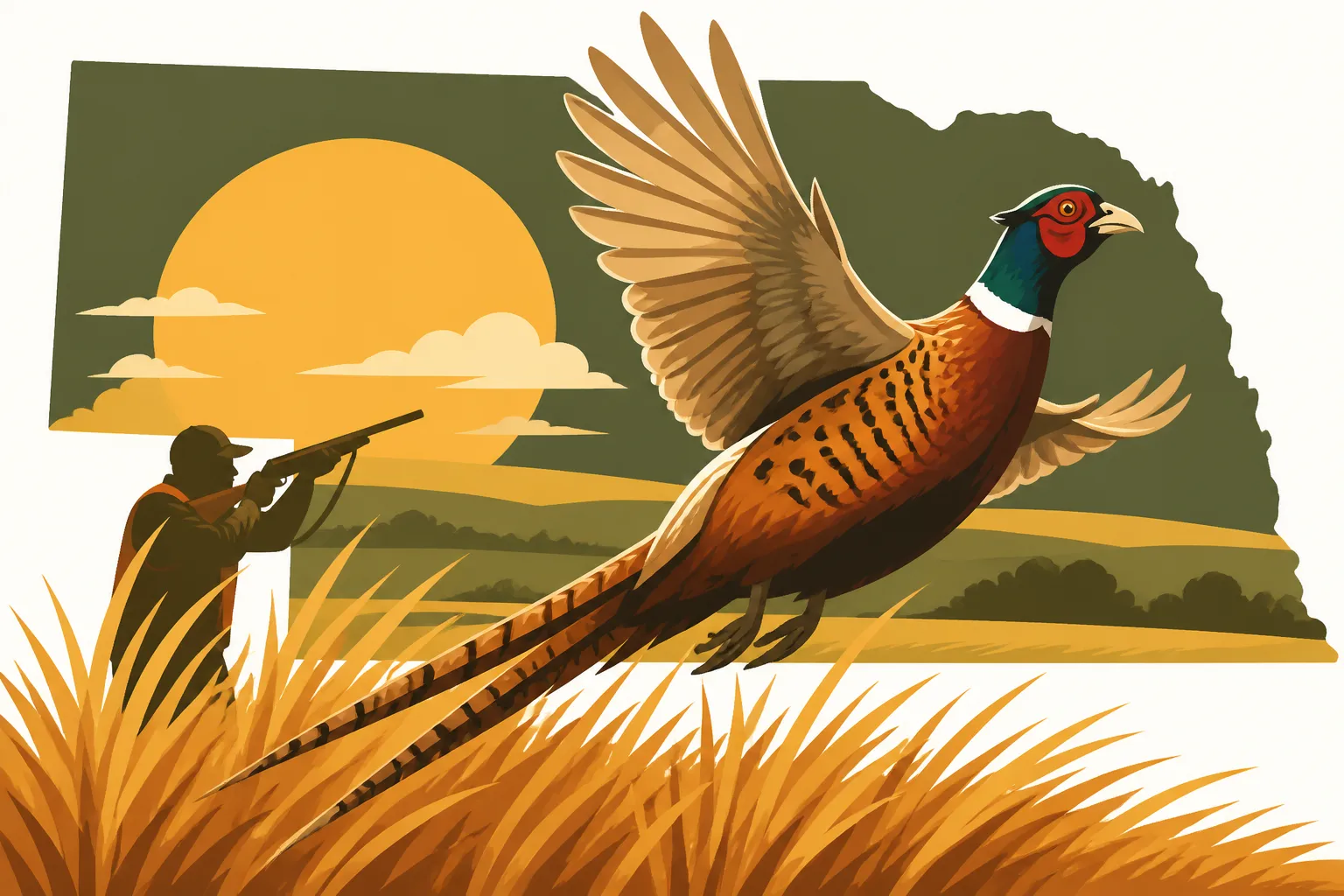
The Berggren Pheasant Plan
The feeling of kicking up pheasants in a good Nebraska field is something deeply ingrained in our state's hunting heritage. But let's be honest, for a while there, it felt like those explosive flushes were becoming fewer and farther between, leaving many of us wondering if the golden days of pheasant hunting were behind us. This guide dives deep into the Berggren Pheasant Plan, a crucial initiative designed to tackle that decline head-on and bring back those bustling pheasant populations we all cherish.
The Lingering Question: Why Did Pheasant Numbers Decline?
Before we can truly appreciate the Berggren Pheasant Plan, it’s important to understand the landscape that necessitated its creation. Hunters across Nebraska, especially those of us who have walked these fields for decades, started noticing a concerning trend. The once-booming pheasant populations were just not what they used to be, and it wasn't just anecdotal evidence; the numbers confirmed it.
Loss of Critical Habitat
The primary culprit behind the decline of Nebraska's ring-necked pheasants has always been tied to habitat. As agricultural practices intensified and evolved over the years, many of the diverse habitat components that pheasants rely on began to disappear. Think about it: fencerows were removed to accommodate larger equipment, pastures were converted to row crops, and areas that once held a mix of grasses, shrubs, and weeds, essential for nesting and winter cover, were either tilled under or managed in a way that offered little to no benefit for upland birds. This fragmentation of suitable land meant pheasants had fewer places to nest successfully, raise broods, and find refuge from predators and harsh winter weather. It's a tough reality to face when you remember the expansive cover that used to define much of our rural landscape.
When we talk about habitat loss, it's not just about what's gone, but also the quality of what remains. Even fields set aside can sometimes be monocultures of grass that don't provide the diverse cover pheasants need throughout their life cycle. A field of tall, dense grass might seem ideal, but without forb diversity for insect production, it can be a "green desert" for pheasant chicks. Understanding these nuances is vital to appreciating the comprehensive approach of the Berggren Plan. For a deeper dive into the historical context, check out our piece on Nebraska's Pheasant Population Decline.
Changing Agricultural Practices
Modern agriculture, while incredibly efficient for food production, often leaves little room for wildlife. The push for larger fields, more effective herbicides, and changes in crop rotation have all played a part in reducing pheasant numbers. Where once fields might have been left fallow for a season, or crops harvested later in the year, practices now favor quick turnaround and clean fields. This impacts pheasants at every stage: nesting hens are disrupted by early mowing or tillage, chicks lose critical insect food sources in herbicide-treated fields, and winter cover diminishes with efficient harvest practices that remove crop residue.
Farmers are often caught in a bind, trying to maximize yields while also being good stewards of the land. The challenge for conservation has been to find ways to integrate wildlife-friendly practices into economically viable farming operations. This recognition was a driving force behind the development of the Berggren Plan, aiming to work with landowners, not against them, to bring back the birds. The landscape truly changed, and the pheasants felt it first.
Introducing The Berggren Pheasant Plan
The decline in pheasant numbers wasn't going unnoticed, particularly among the hunting community and conservationists. This growing concern eventually led to a significant, statewide effort to address the issue head-on: The Berggren Pheasant Plan. Named after the visionary conservationist and former Nebraska Game and Parks Commissioner, Don Berggren, this plan wasn't just another small initiative; it was a comprehensive, long-term strategy aimed at reversing the trend and restoring Nebraska's pheasant populations to their former glory.
A Coordinated, Science-Based Approach
What set the Berggren Plan apart was its emphasis on a coordinated, science-based approach. It wasn't about quick fixes or isolated projects; it was about understanding the biological needs of pheasants and implementing habitat improvements on a landscape scale. This meant bringing together state agencies, conservation organizations, landowners, and hunters, all working towards a common goal. The plan recognized that simply adding more birds to the landscape wouldn't work if the habitat couldn't support them. Instead, the focus was on creating and improving the nesting, brooding, and winter cover essential for pheasant survival and reproduction. This long-term view acknowledged the complex ecological factors at play, including how winter weather patterns affect bird survival and how crucial early spring nesting cover is for successful broods.
The plan was ambitious, aiming to make a measurable difference across key pheasant habitats in the state. It sought to identify priority areas where habitat improvements would have the greatest impact, maximizing the return on investment in terms of pheasant production. This involved significant data collection and analysis, which, for hunters wanting to do their own scouting, is similar to the kind of in-depth research you might do on platforms like GoHunt before heading afield, looking at satellite imagery and habitat maps to inform your strategy.
Funding and Partnerships
Any large-scale conservation effort requires significant resources, and the Berggren Plan was no exception. It involved substantial funding from various sources, including state appropriations, federal grants, and contributions from non-profit conservation organizations like Pheasants Forever and Ducks Unlimited. A critical component was the partnership with private landowners, whose land constitutes the vast majority of potential pheasant habitat in Nebraska. The plan offered incentives and technical assistance to farmers and ranchers willing to implement habitat improvements on their property.
These partnerships were, and still are, absolutely crucial. Without the willingness of landowners to dedicate portions of their land to pheasant habitat, even the best-laid plans would fall flat. It's a testament to the shared passion for pheasants that so many individuals and groups came together to support this initiative. The concept was simple: invest in habitat, and the pheasants will follow. This collaborative spirit is what makes large-scale conservation possible in a state dominated by private land ownership.
Key Strategies and Components of the Plan
The Berggren Pheasant Plan isn't a single, monolithic action; it's a multi-faceted approach built on several key strategies designed to address the core reasons for pheasant decline. It recognized that pheasants need different things at different times of the year, and habitat work needed to reflect that.
Habitat Creation and Enhancement
At its heart, the Berggren Plan is about creating and improving habitat. This isn't just about planting a few trees or letting a field go fallow; it’s a strategic effort to provide diverse and abundant cover. Key components include establishing dense nesting cover, developing brood-rearing habitat, and creating vital winter shelter.
- Nesting Cover: The plan strongly emphasized the establishment of large blocks of perennial nesting cover, often using diverse grass and forb mixes. These areas provide safe havens for hens to lay eggs and raise their young, reducing nest predation and disturbance from agricultural activities. Think of those undisturbed patches of switchgrass or native prairie mixes; they are absolute lifelines for breeding pheasants. The idea is to have enough contiguous cover so that hens aren't forced to nest in vulnerable, isolated strips.
- Brood Rearing Habitat: Once chicks hatch, they need access to areas rich in insects, which are their primary food source. Brood-rearing habitat often includes areas with a mix of forbs and legumes, which attract a high density of insects. These areas also provide protective overhead cover from predators, while allowing easy movement for the small chicks below. It’s a delicate balance, providing both food and safety for the most vulnerable stage of a pheasant’s life.
- Winter Cover: Nebraska winters can be brutal, with deep snow and biting winds. Adequate winter cover, such as thick stands of cattails, shelterbelts, or dense plum thickets, is absolutely critical for pheasant survival. Without it, birds can succumb to exposure or become easy prey for predators. The plan focused on developing these robust winter sanctuaries, often connected by corridors of suitable cover, allowing birds to move safely between food sources and shelter.
Working with Private Landowners
Recognizing that the vast majority of Nebraska's landscape is privately owned, the success of the Berggren Plan hinges on strong partnerships with landowners. It’s not just about telling them what to do; it’s about providing the tools, incentives, and technical know-how to make conservation a viable option for them.
- Incentive Programs: The plan leverages various state and federal programs, like the Conservation Reserve Program (CRP), to incentivize landowners to convert marginal cropland into perennial cover. These programs offer rental payments for land taken out of production, making habitat creation financially attractive. While these payments don't always match crop prices, for some, it's a great way to manage less productive ground while benefiting wildlife. Understanding programs like this is key for anyone trying to impact CRP Acres and Nebraska Bird Numbers.
- Technical Assistance: Beyond financial incentives, the plan provides crucial technical assistance. Wildlife biologists and conservation specialists work directly with landowners to develop customized habitat plans for their property. This includes advice on species selection for planting, proper establishment techniques, and ongoing management practices like prescribed burning or controlled grazing, all tailored to benefit pheasants and other upland game. This expert guidance is invaluable, transforming intentions into tangible habitat on the ground.
Impact and Results: Has it Worked?
The ultimate question for any large-scale conservation effort is whether it achieved its goals. The Berggren Pheasant Plan has been a long-term commitment, and its impact is best understood by looking at the trends and challenges faced since its inception. While there haven't been overnight miracles, the plan has certainly made a difference in Nebraska's pheasant story.
Shifting Pheasant Populations
When the Berggren Plan was initiated, pheasant populations were undeniably struggling. The plan aimed to stabilize and then increase these numbers. Over the years, tracking methods like The Nebraska Rural Mail Carrier Survey have provided crucial data. While year-to-year fluctuations are natural due to weather, breeding success, and other factors, areas where the Berggren Plan's habitat initiatives have been most intensively implemented often show more resilient pheasant populations compared to those with less dedicated habitat work. We've seen pockets of recovery, particularly in landscapes where large blocks of quality habitat have been established.
It's important to be realistic. The plan didn't, and couldn't, instantly bring back the numbers from the 1950s or 60s, a golden era that benefitted from different agricultural and land-use patterns. However, it has been instrumental in creating a baseline of sustainable habitat that helps birds weather tough years and rebound more quickly. The improvements are often localized, meaning that some counties or regions have seen more pronounced benefits than others, directly correlating with the amount and quality of habitat created under the plan.
Challenges and Adaptations (Berggren 2.0)
Despite its successes, the Berggren Plan has faced its share of challenges. Fluctuations in commodity prices can make it difficult to compete with agricultural production for land, and extreme weather events (like harsh winters or prolonged droughts) can set back gains. Furthermore, the plan had to adapt as new scientific understanding emerged and as land-use pressures continued to evolve. This led to the development of "Berggren Plan 2.0," an evolution of the original strategy.
Berggren Plan 2.0 emphasized several key adjustments:
- Targeted Landscapes: A greater focus on specific "focus landscapes" where habitat efforts could be concentrated for maximum impact, rather than a scattergun approach across the entire state. This meant identifying regions with existing pheasant populations or strong potential for recovery.
- Habitat Quality over Quantity: While acreage is important, the new focus placed a higher premium on the quality and diversity of habitat. This meant not just planting grass, but ensuring it was the right mix of species to provide year-round benefits, including forbs for insect production and sturdy cover for winter.
- Connecting Habitat: Greater attention was given to creating habitat corridors, linking smaller patches of cover to create larger, more functional landscapes where pheasants could move safely and access all their seasonal needs without being exposed to excessive predation or disturbance.
- Continued Landowner Engagement: Reinforcing the crucial role of private landowners, Berggren 2.0 continued to refine incentive programs and technical assistance, making it easier and more appealing for producers to participate in habitat conservation.
These adaptations demonstrate a commitment to continuous improvement, learning from experience, and adjusting strategies to achieve the best possible outcomes for Nebraska's pheasants.
| Habitat Component | Primary Function for Pheasants | Example Cover Types | Berggren Plan Strategy |
|---|---|---|---|
| Nesting Cover | Safe sites for egg-laying & brooding | Native warm-season grasses, CRP fields, undisturbed hayfields | Large, diverse blocks, managed for low disturbance |
| Brood Rearing | Food (insects) & protection for chicks | Forb-rich areas, field edges, diverse grasslands | Promote flowering plants, reduce herbicide use |
| Winter Cover | Shelter from snow, wind, & cold | Cattail sloughs, cedar thickets, dense shelterbelts | Establish robust, interconnected thermal cover |
| Escape Cover | Quick refuge from predators | Plum thickets, brushy draws, tall weeds | Interspersed throughout the landscape, near food |
| Food Source | Grain, seeds, insects | Crop stubble, grain food plots, unharvested strips | Leave waste grain, plant food plots in winter cover |
The Future of Pheasant Hunting in Nebraska
While the Berggren Plan has laid a solid foundation, the work of pheasant conservation is never truly "finished." It's an ongoing effort that requires continuous adaptation, commitment, and participation from everyone who loves the chase of a Nebraska rooster. The future, while always uncertain, looks brighter with these dedicated efforts in place.
Ongoing Conservation Efforts
Beyond the direct initiatives of the Berggren Plan, the spirit of its mission lives on through various ongoing conservation efforts. Organizations like Pheasants Forever continue to work tirelessly with landowners and state agencies to implement habitat projects on the ground. Programs like Nebraska's Open Fields and Waters Program provide public access to private lands that often include excellent pheasant habitat, bridging the gap between habitat creation and hunter opportunity.
There's a constant push for innovation in habitat management, too. Researchers are always looking into new seed mixes, management techniques, and ways to make conservation practices more effective and economically appealing for landowners. As hunters, supporting these organizations through memberships and purchasing permits like the Nebraska Habitat Stamp Requirements is a direct way to contribute to the future of pheasant hunting. Every little bit helps.
What Hunters Can Do to Help
We, as hunters, have a vital role to play in the future of pheasant hunting in Nebraska, extending far beyond simply buying a permit. Our actions, our voices, and our support are critical.
- Support Conservation: Join organizations like Pheasants Forever or Quail Forever. Their local chapters are often the boots on the ground, directly implementing habitat projects in your area. Your membership dollars directly translate into more cover for birds.
- Be a Responsible Hunter: Practice ethical hunting, follow all regulations, and be a good ambassador for the sport. Respect private property, always ask for permission, and leave no trace. Positive interactions with landowners are crucial for maintaining access and fostering goodwill.
- Advocate for Habitat: Speak up for policies that support habitat conservation. Contact your elected officials, participate in public forums, and share information about the importance of programs like CRP and other incentive-based conservation initiatives.
- Scout and Research: Leverage tools like the Nebraska Public Access Atlas or mapping apps like GoHunt to identify areas with good habitat and access. The more knowledgeable you are about where healthy pheasant populations exist, the more successful and enjoyable your hunts will be, and the more you'll understand the impact of habitat work. Knowing how to read the landscape for optimal Walking Milo and Corn Stubble for Pheasants or how to approach Working a Cattail Slough in January means you're understanding and utilizing the very habitat the plan aims to create.
- Consider Landowner Relations: If you have the opportunity to interact with landowners, thank them for any conservation efforts they undertake. Their work is the backbone of pheasant recovery.
By understanding the Berggren Pheasant Plan and actively participating in its mission, we can all contribute to a future where the cackle of a flushing rooster remains a vibrant sound across the Nebraska landscape. It's about more than just numbers; it's about preserving a cherished part of our outdoor heritage for generations to come.
Disclaimer
This article is for general informational purposes only and does not constitute professional advice. Laws, prices and regulations vary by location and change over time. Consult a qualified professional for guidance on your specific situation.