Nebraska Whitetail Population Trends
It’s no secret that many of us who chase whitetails in Nebraska have noticed some shifts in the deer woods over the past few years. Whether you've seen fewer deer on your favorite hunting grounds or felt the pinch of tightening permit numbers, these observations spark a lot of questions about the health and trajectory of our deer herds. This comprehensive guide is here to shed light on Nebraska's whitetail population trends, examining the factors at play and what these changes mean for hunters across the state.
Understanding Nebraska's Whitetail Population Dynamics
Nebraska's landscape is incredibly diverse, from the rugged Pine Ridge to the vast Sandhills, and the rich agricultural lands of the east. This variety shapes where whitetails thrive and how their populations fluctuate. To truly grasp what's happening with our deer, we need to look beyond anecdotal sightings and delve into the larger ecological and management picture.
Historical Overview and Peak Populations
For decades, particularly from the 1980s through the early 2000s, Nebraska's whitetail population experienced significant growth. It was a golden era for deer hunting, driven largely by expanding agricultural practices that provided abundant food sources and resilient deer adapting well to fragmented habitats. We saw whitetails expand their range, flourishing in river bottoms, timbered draws, and even moving into areas previously dominated by mule deer. This period of rapid expansion led to incredibly high deer densities in many parts of the state, offering fantastic hunting opportunities and often ample deer to fill a freezer. Many veteran hunters fondly remember seasons where seeing multiple bucks in a day was common, and antlerless tags were readily available to help manage burgeoning herds.
The peak years often meant hunters had a wide array of options, from archery season that spanned months to ample firearm and muzzleloader opportunities. The deer were there, and their numbers seemed almost limitless. This prosperity, however, also brought challenges, like increased deer-vehicle collisions and crop damage complaints, which are often indicators of a population reaching or exceeding its carrying capacity in certain areas.
Current Population Estimates and Regional Differences
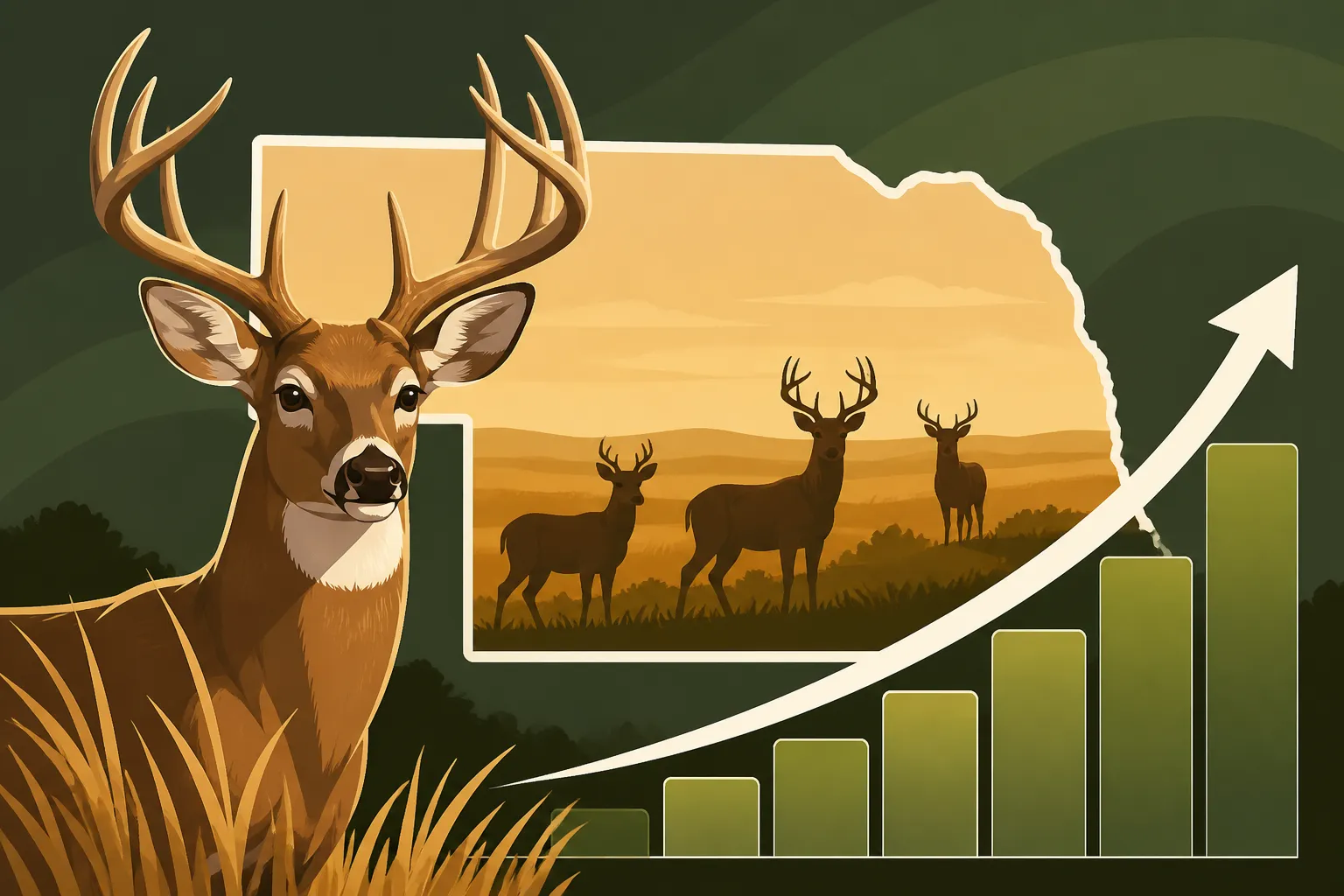
Today, the overall picture of Nebraska's whitetail population is a bit more nuanced. While some regions still hold healthy numbers, statewide trends have shown a decline from those peak years. For instance, the Nebraska Game and Parks Commission (NGPC) reports that the statewide whitetail buck harvest has hit a 30-year low in recent seasons, a statistic that certainly grabs a hunter's attention. This isn't a uniform decline, though; what you see in the Missouri River bottomlands of eastern Nebraska might be very different from the whitetail presence in the Pine Ridge or the scattered pockets in the Sandhills.
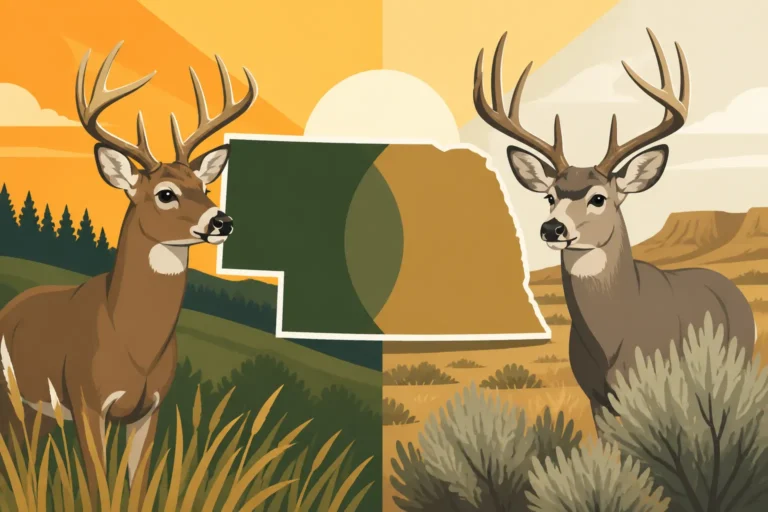
The eastern and central parts of the state, particularly the river corridors and agricultural areas, historically boasted the highest whitetail densities. These areas still contain significant numbers of deer, but even here, localized reductions are being observed. In contrast, the western Sandhills and Panhandle regions, traditionally mule deer strongholds, have smaller, more localized whitetail populations, often restricted to riparian areas or isolated timber pockets. These regional variations are critical because they inform how the NGPC manages permits and how hunters should approach their scouting and hunting efforts. Understanding specific areas, perhaps through resources like the Nebraska Whitetail Population Estimate, can give hunters a clearer picture of what to expect in their chosen unit.
The Role of Hunter Harvest in Population Management
Hunter harvest is not just about putting meat in the freezer; it's one of the most vital tools the Nebraska Game and Parks Commission uses to manage whitetail populations. By regulating the number and type of permits issued, and setting seasons, the NGPC directly influences deer numbers, herd health, and antler quality. When populations are high and managers want to reduce numbers, they increase antlerless permit availability. Conversely, when populations need to rebound or stabilize, antlerless opportunities might be reduced, or specific buck-only restrictions might be implemented.
The objective is always a balance: maintain a healthy, sustainable deer herd that provides recreational opportunities for hunters while minimizing conflicts with agriculture and urban development. This often means making tough decisions that can sometimes be frustrating for hunters. If you’ve wondered why it feels harder to draw certain tags, or why there are more antlerless-only permits in some units, it's often a direct response to these population dynamics. For those looking to maximize their opportunities, understanding the nuances of Nebraska Deer Management Unit Permits is crucial, as is keeping an eye on where antlerless permits are most readily available.
Key Factors Influencing Whitetail Trends
Understanding the ebb and flow of whitetail numbers requires looking at the bigger picture. It's rarely one single cause but rather a complex interplay of environmental conditions, human activity, and the deer's own biological responses.
Habitat Changes and Land Use Impact
One of the most profound drivers of whitetail population changes in Nebraska is habitat alteration. Over the decades, we've witnessed significant shifts in land use across the state, and these changes have a direct impact on where deer live, feed, and find cover. The conversion of grasslands and diverse native habitats into expansive monoculture row crops, primarily corn and soybeans, creates a feast-or-famine scenario for deer. While standing corn can provide incredible cover and food during certain times of the year, it often leaves deer exposed and vulnerable once the harvest occurs. This is a common frustration, as hunters often notice a drastic shift in deer movement and visibility once What Changes in Nebraska After the Corn Comes Off.
Furthermore, the loss of shelterbelts, riparian timber, and diverse early successional growth due to development, intensive farming practices, or even natural succession without management, reduces the critical cover deer need for bedding, fawning, and escaping pressure. Urban expansion in eastern Nebraska also encroaches on traditional deer habitat, pushing deer into smaller, more fragmented pockets, which can lead to overbrowsing and increased disease transmission. For hunters, this means deer patterns become highly dependent on remaining pockets of quality cover, often leading to more concentrated deer in fewer locations. Finding quality cover is always a key, whether you’re considering Choosing a Treestand Site on Nebraska Farmland or trying to figure out Where Nebraska Whitetails Bed in Row-Crop Country.
Disease Outbreaks and Their Devastating Effects
Disease can decimate deer populations in a way that often feels sudden and catastrophic to hunters. Nebraska's whitetails have faced significant challenges from diseases, particularly Epizootic Hemorrhagic Disease (EHD) and Chronic Wasting Disease (CWD). EHD outbreaks in Nebraska deer are cyclical and tied to specific midge vectors, usually flaring up during hot, dry summers and persisting until a hard frost kills the insects. EHD can wipe out large numbers of deer in localized areas, particularly along river systems and in regions with high deer densities. The sight of dead deer along creek beds is a heartbreaking reality of a severe EHD year, and it takes time for populations to recover from such heavy losses.
Chronic Wasting Disease (CWD), on the other hand, is a neurological disease that is always fatal and slowly spreading across the state. While it doesn't cause the rapid, dramatic die-offs seen with EHD, CWD is a long-term threat to herd health and sustainability. Its insidious nature means it can be present in a herd for years before hunters or managers even realize its prevalence. The NGPC actively monitors CWD, and hunters play a crucial role in its management through submitting samples for testing. Understanding more about Chronic Wasting Disease in Nebraska and participating in testing efforts is vital for the future of our herds. The cumulative impact of these diseases, particularly in specific geographic areas, contributes significantly to the overall Why Nebraska Whitetail Buck Harvest Hit a 30-Year Low.
Weather Patterns and Their Influence on Survival
Mother Nature plays an undeniable role in the health and numbers of our whitetails. Extreme weather patterns, both hot and cold, wet and dry, can profoundly impact deer survival and reproduction. Severe winters with deep, prolonged snow cover can make it incredibly difficult for deer to find adequate forage, leading to starvation, particularly for fawns and older deer. Harsh cold snaps can also increase energy expenditure, making deer more vulnerable to predators and disease.
On the other end of the spectrum, extended droughts can reduce natural food sources and water availability, concentrating deer around limited resources and increasing stress. This can also exacerbate the conditions for EHD outbreaks, as discussed earlier. Conversely, mild winters followed by favorable springs with good rainfall often lead to higher fawn survival rates and improved antler growth, providing a much-needed boost to the population. The unpredictable nature of Nebraska weather means that whitetail populations are constantly adapting, and these annual fluctuations have a significant bearing on what hunters observe each season. This variability is something many hunters track, often referencing past weather events when trying to predict deer patterns or gauge overall herd health.
The Nebraska Game and Parks Commission's Approach to Management
The Nebraska Game and Parks Commission (NGPC) shoulders the immense responsibility of managing the state's diverse wildlife, and whitetail deer are a top priority. Their management strategies are rooted in scientific data, hunter input, and a commitment to maintaining healthy, sustainable populations for future generations. It's a complex task, balancing ecological health with the expectations of hunters and landowners.
Data Collection Methods and Surveys
At the heart of effective wildlife management is robust data collection. The NGPC employs several key methods to gather information on whitetail populations, which then informs their management decisions. One long-standing and crucial tool is the annual rural mail carrier survey. This program enlists mail carriers across the state to record deer observations during specific routes and times, providing valuable indices of deer density and trends over vast areas. It's a fantastic way to get a pulse on widespread population changes and helps estimate overall numbers. For more insight into this important data source, you might want to look into The Nebraska Rural Mail Carrier Survey.
Beyond the mail carrier survey, harvest data collected from hunters is paramount. Every hunter who successfully harvests a deer is required to report their take, providing essential details like the deer's sex, species, and the hunting unit. This data allows the NGPC to track harvest rates, understand age structures, and assess the impact of previous season regulations. Coupled with spotlight surveys, trail camera studies, and direct observation by biologists, these methods paint a comprehensive picture of herd health and population dynamics across different regions. Advanced analysis tools, often used by platforms like GoHunt, can help hunters interpret this publicly available data to better understand local trends and plan their hunts.
Permit Allocation Strategies and Their Goals
Based on the extensive data collected, the NGPC crafts its permit allocation strategies, which directly influence hunting opportunities. The primary goal is to use hunter harvest as a tool to achieve specific population objectives within each deer management unit. If data indicates a unit has a growing or stable population, permits, especially antlerless permits, might be more abundant to maintain herd health and address landowner concerns. Conversely, if a unit's population is declining or needs to recover, permit numbers may be reduced, and antlerless opportunities scaled back.
This is why you'll see varying permit types and availabilities across Nebraska. For example, some units might have "Any Deer" permits, allowing for either a buck or a doe, while others might primarily offer "Antlerless Only" permits to focus harvest pressure on does and encourage population growth or stability. The Commission also considers factors like hunter density, landowner preferences, and the presence of specific diseases when setting permit numbers. It's a dynamic process, and annual changes in permit availability are a direct reflection of current population trends and management objectives. Keeping up with the specifics of Nebraska Big Game Permits and How to Get One each year is essential for any serious deer hunter.
Conservation Efforts and Habitat Improvement Initiatives
Beyond direct population control through permits, the NGPC is deeply invested in broader conservation efforts and habitat improvement initiatives that indirectly benefit whitetails. Programs focused on restoring and enhancing native grasslands, planting diverse food plots, and managing riparian corridors create better living conditions for deer and countless other wildlife species. These initiatives often involve working with private landowners, offering technical and financial assistance to implement conservation practices that benefit both agriculture and wildlife.
Organizations like Pheasants Forever and Nebraska Game and Parks partner on projects that enhance nesting cover for pheasants, but these same projects often create critical cover and forage for deer. Protecting and restoring river bottoms and cedar draws, for example, provides crucial wintering areas and travel corridors for whitetails. These efforts are long-term investments in the health of our ecosystems, recognizing that healthy habitat underpins healthy deer populations. Hunters, through the purchase of permits and habitat stamps, directly contribute to the funding of these vital programs, ensuring a future for Nebraska's wildlife.
What Hunters Are Seeing on the Ground
While scientific data and management plans paint a broad picture, the most direct indicators of whitetail trends come from hunters themselves. Our experiences in the field, the bucks we see, and the deer we harvest provide real-time feedback on what's happening with the population.
Shifting Buck-to-Doe Ratios and Age Structures
One of the most talked-about observations among hunters is the perceived shift in buck-to-doe ratios and the age structure of the bucks they encounter. In areas where populations have declined, or where management aims for higher quality bucks, hunters might notice fewer deer overall, but perhaps a better age class of bucks. This can be a double-edged sword: fewer deer sightings might be discouraging, but the bucks you do see might be older and more mature. Conversely, in areas with high doe populations and high harvest pressure on bucks, you might see many does and fawns, but fewer mature bucks.
The NGPC strives for a balanced buck-to-doe ratio and a healthier age structure, where bucks have a chance to age beyond their first year. This is often achieved through regulations like antler point restrictions in specific units or by promoting the harvest of antlerless deer. Hunters observing fewer young bucks or more mature bucks (or vice-versa) can offer valuable insights to biologists. Platforms like GoHunt and local hunter forums are great places to share these observations and get a sense of what others are experiencing, providing a useful complement to official data.
Challenges and Opportunities in Specific Units
Hunting in Nebraska means navigating a mosaic of localized conditions, and what holds true for one deer management unit might not for another. In some units, intense hunting pressure, coupled with habitat loss or disease, presents significant challenges. Hunters might have to work harder, scout more thoroughly, and be more selective. This could involve more hours spent still-hunting Nebraska cedar draws, or carefully planning entry and exit routes on flat farm ground to avoid disturbing deer.
However, these challenges also create unique opportunities. With detailed scouting and an understanding of deer behavior, hunters can still find success. For example, focusing on overlooked pockets of cover, hunting during the often-underutilized archery season, or targeting specific food sources like Late-Season Food Sources in Nebraska can yield rewards. Some units, particularly those with strong private land conservation efforts or less accessible public land, may offer better quality hunting, even if overall deer numbers are slightly lower. Success in these units often comes down to meticulous preparation and adapting tactics to the specific environment.
Adapting Hunting Strategies to Current Trends
Given the dynamic nature of Nebraska's whitetail population, successful hunters are those who are willing to adapt their strategies. Relying on tactics that worked five or ten years ago without adjustment might lead to frustration. If deer numbers are lower in your preferred area, you might need to broaden your scouting efforts, exploring new public lands or seeking additional private land permission. This could mean focusing on high-quality cover near primary food sources, or understanding how deer use topographical features like terrace benches for travel and bedding.
Furthermore, if the goal is to consistently harvest deer, focusing on antlerless permits when available is often the most reliable path. These permits not only provide meat but also contribute directly to herd management. For those dedicated to hunting mature bucks, understanding the nuances of how Hunting the Pre-Rut in Late October differs from When the Whitetail Rut Peaks in Nebraska becomes even more critical, as every advantage counts. Adaptability, persistent scouting, and a willingness to learn from each season are key traits for today's Nebraska deer hunter.
Future Outlook for Nebraska Whitetails
Looking ahead, the future of Nebraska's whitetail population will largely depend on continued adaptive management, evolving land use, and the resilience of the deer themselves. It's a future that hunters, landowners, and the NGPC all have a hand in shaping.
The Impact of Evolving Agricultural Practices
Agriculture is the backbone of Nebraska's economy and defines much of its landscape. As farming practices continue to evolve, so too will their impact on whitetails. Advances in technology, changing commodity prices, and conservation incentives will all play a role. We might see shifts in crop rotations, increased adoption of cover crops, or even more land enrolled in conservation programs. While intense monoculture can reduce habitat diversity, some practices, like no-till farming or strategic buffer strips along waterways, can offer benefits to deer in terms of food and cover.
The challenge lies in finding a balance where agricultural productivity coexists with robust wildlife populations. Continued dialogue and collaboration between landowners, farmers, and wildlife managers are essential. Understanding these changes on a local level—perhaps by using advanced mapping layers available in platforms like GoHunt that show crop types and land use—can help hunters predict deer movement and anticipate habitat changes over time.
Managing for a Healthy and Sustainable Population
The Nebraska Game and Parks Commission is committed to managing whitetails for a healthy and sustainable future. This involves continuously monitoring populations, adapting permit allocations, and investing in habitat initiatives. The goal isn't necessarily to return to the peak numbers of decades past in every unit, but rather to ensure stable, healthy populations that are in balance with the available habitat and human tolerance levels. This may mean that hunters will continue to see targeted antlerless harvest opportunities in some areas to maintain optimal numbers, while other areas might have more restrictive buck regulations to promote older age classes.
Disease management, particularly for CWD, will remain a critical focus. This includes continued surveillance, research, and public education. The more we understand these diseases and how to mitigate their impact, the better equipped we will be to protect our deer herds. This proactive management approach is vital for ensuring that whitetails remain a cornerstone of Nebraska's hunting heritage.
The Role of Hunter Engagement and Advocacy
Hunters are arguably the most important stakeholders in the future of Nebraska's whitetails. Our passion for the sport, our financial contributions through permit and stamp purchases, and our eyes on the ground all play a crucial role. Engaging with the NGPC, attending public meetings, and providing thoughtful feedback on proposed regulations are essential ways hunters can advocate for sound management.
Furthermore, supporting conservation organizations that work to improve habitat, volunteering for wildlife projects, and promoting ethical hunting practices are all direct ways to contribute positively. The future of Nebraska's whitetails isn't just up to biologists; it's a shared responsibility. By staying informed, being adaptable in our hunting strategies, and actively participating in conservation, we can help ensure that healthy whitetail populations continue to roam the Cornhusker State for generations to come.
Here's a quick look at some key whitetail trends in Nebraska over the last few years, reflecting the nuanced changes we've discussed:
| Year Range | Overall Population Trend | Harvest Focus | Key Influencing Factors | Typical Hunter Experience (General) |
|---|---|---|---|---|
| Early 2000s | Peak/High Density | Buck & Antlerless | Abundant habitat, mild winters, expanding range | High deer sightings, ample buck opportunities |
| Mid-2010s | Moderate Decline | Antlerless Emphasis | EHD outbreaks, habitat loss, CWD emergence | Noticeable drops in some areas, more doe tags |
| Late 2010s-Early 2020s | Stabilizing/Slight Decline | Selective Buck | Continued EHD, CWD spread, varied weather | Fewer overall sightings, focus on quality bucks, more scouting |
| Current (Recent Seasons) | Continued Monitoring | Adaptive Harvest | Climate variability, disease, land use changes | Requires adaptability, informed choices, local knowledge |
Disclaimer
The information provided in this guide is for general informational purposes only and is not intended as professional advice. Hunting regulations, population estimates, and disease prevalence can change rapidly. Always consult the most current Nebraska Game and Parks Commission regulations and official resources before planning any hunting activities.