Nebraska Turkey Population Estimate
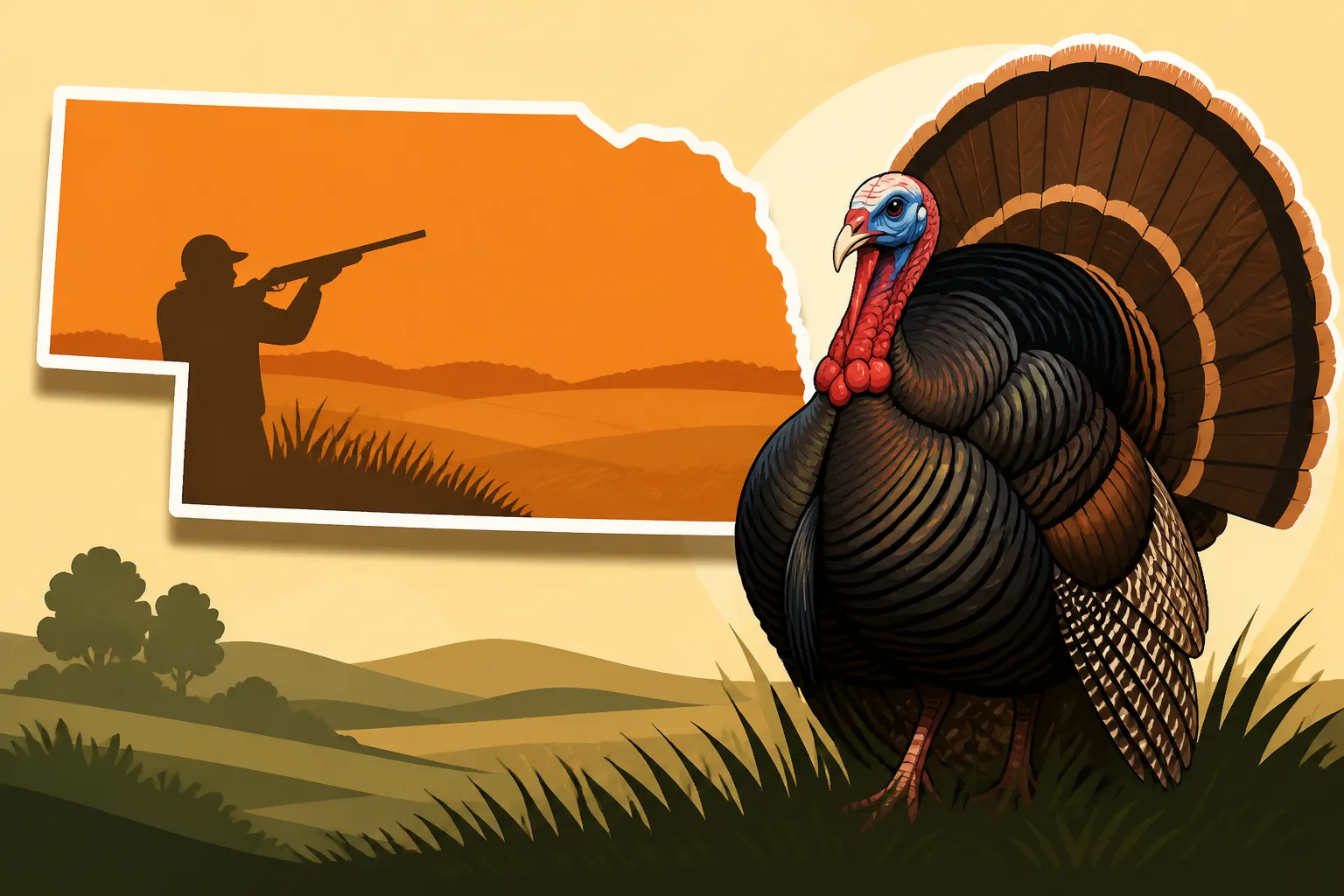
It can be incredibly disheartening for turkey hunters in Nebraska to feel like the gobblers they once pursued so eagerly are becoming harder and harder to find. You hear the whispers at the local diner, read the forum posts online, and often, you see it firsthand in the woods – fewer birds, quieter mornings, and a definite shift from the good old days. This guide is dedicated to pulling back the curtain on the Nebraska turkey population estimate, exploring how these numbers are gathered, what they actually tell us about the state of our wild turkeys, and what factors are truly shaping their future, offering some context and realistic expectations for your next hunt.
Understanding the Numbers: Where the Estimates Come From
Before we dive into the current status of Nebraska's wild turkey flocks, it's really important to understand that estimating wildlife populations is never an exact science. It's not like counting cattle in a feedlot. Wild turkeys live in diverse, often dense, habitats, and they're pretty good at staying out of sight. So, when wildlife agencies talk about population estimates, they're not pulling numbers out of thin air; they're relying on a combination of different data sources, each with its own strengths and limitations.
How Population Estimates Are Made
State wildlife agencies, like Nebraska Game and Parks, use several key methods to try and get a handle on how many turkeys are out there. One of the primary tools is what's called a brood survey. This involves volunteers, landowners, and agency staff observing turkey hens and their poults (young turkeys) during the summer months. They report the number of hens seen and how many poults are with each hen. This ratio gives biologists a crucial indicator of reproductive success, which is a massive driver of population trends. If hens are only bringing a few poults to maturity, or none at all, that's a red flag. Why Nebraska Turkey Poult Survival Dropped is a big piece of this puzzle. These surveys are often carried out along established routes or in specific observation areas to try and maintain some consistency year after year.
Another vital piece of the puzzle comes from hunter harvest data. When you fill out your turkey permit and report your harvest, that information feeds directly into the larger picture. Biologists look at the total number of birds harvested, the number of hunters, and the success rates across different units. This isn't a direct count of the population, of course, but it acts as an index. If hunter success rates are consistently dropping, and fewer birds are being taken overall, it suggests a decline in the available population. It's like taking the pulse of the population through hunting activity. Many hunters use platforms that compile and display this kind of historical harvest data, such as GoHunt, to get an idea of trends in specific areas.
Challenges in Data Collection
Getting accurate data on wild turkeys presents unique challenges, especially in a state like Nebraska with its varied landscapes. Turkeys aren't always cooperative. In dense river bottom timber or thick cedar draws, it can be incredibly difficult to spot hens and their poults, even for experienced observers. This means that reported numbers might sometimes underrepresent the actual birds on the ground in certain cover types. Furthermore, the reliance on voluntary participation for brood surveys can mean inconsistent coverage across the state, making it harder to get a complete, uniform picture.
Weather also plays a significant role in data collection. A hot, dry summer might push turkeys to more open water sources where they're easier to spot, potentially inflating survey numbers compared to a wet year when they have more dispersed water access. Conversely, a severe winter can impact overwinter survival, leading to fewer birds being available for surveys the following spring. It's a constant effort for biologists to account for these variables and interpret the data with a critical eye, ensuring they're seeing the real trend and not just a seasonal anomaly.
The Role of Hunter Harvest Data
Your active participation as a hunter in reporting your harvest isn't just a regulatory formality; it's a fundamental part of how wildlife managers track populations. Every time you tag and check in a bird, that data point contributes to a massive dataset that helps determine trends in population health and distribution. Biologists use this information to calculate harvest success rates, identify areas of high or low turkey density, and even assess the age structure of the harvest (e.g., how many jakes vs. adult gobblers are being taken).
Without reliable harvest data, the picture becomes much cloudier. This is why encouraging all hunters to accurately report their takes is so critical. It helps ensure that management decisions are based on the best possible information, which ultimately benefits everyone who loves to chase spring gobblers. This data, combined with population estimates and habitat assessments, allows for informed adjustments to things like season lengths, bag limits, and even Nebraska Spring Turkey Permit On-Sale Date and quantities.
The Current State of Nebraska's Turkey Population
Alright, so with an understanding of how the numbers are crunched, what are they actually telling us about the wild turkey population in Nebraska today? Well, if you've been feeling like there are fewer birds around, your observations are largely aligned with what the data has been showing for the past several years. Nebraska, like many other states in the Midwest, has experienced a notable decline in its wild turkey population. Wild Turkeys in Nebraska and Their Decline is a well-documented and often-discussed topic among hunters and conservationists alike.
Overall Population Trends
For many years, Nebraska's wild turkey population was on an incredible upward trajectory. After successful reintroduction efforts, turkeys expanded their range dramatically across the state, offering fantastic hunting opportunities. However, those boom times have, unfortunately, waned. Current estimates, derived from those brood surveys and harvest data we just discussed, indicate a significant decrease from peak numbers. The decline isn't a sudden crash but rather a sustained downward trend over the last decade or so.
This overall decline means that while there are still turkeys to be found, hunters are likely encountering lower densities of birds in many areas, and success rates, particularly for those targeting adult gobblers, have generally dipped. This shift has led to discussions and adjustments in permit availability and hunting regulations, as detailed in Turkey Permit Changes Since the Population Decline. The reality is, hunters are having to work harder, scout more, and often travel further to find consistent turkey action compared to previous generations.
Differences Between Subspecies
Nebraska is unique in that it hosts three distinct subspecies of wild turkeys: Eastern, Rio Grande, and Merriam's. While the overall trend is downward, the severity and timing of the decline can vary somewhat between these subspecies and their respective ranges.
- Eastern Turkeys: Primarily found in the timbered river bottoms and hardwood forests of eastern Nebraska, these birds have likely felt the pressure of habitat fragmentation and potentially higher human disturbance.
- Rio Grande Turkeys: Dominant in the central and western parts of the state, particularly along major river systems like the Platte and Republican, these birds are adapted to more open country with riparian corridors. Their numbers have seen significant drops in certain areas.
- Merriam's Turkeys: Residing in the Pine Ridge area of the Nebraska Panhandle, the Merriam's population is often more isolated and potentially less susceptible to some of the widespread issues affecting the other two, though they face their own set of challenges, particularly related to habitat quality in the unique Hunting the Nebraska Pine Ridge Escarpment.
Understanding these regional and subspecies differences helps biologists tailor management strategies, although the overarching goal remains to stabilize and eventually increase populations across the board.
Regional Variations Across the State
It's tempting to think of the "Nebraska turkey population" as one monolithic entity, but the reality on the ground is far more nuanced. Turkey numbers can vary dramatically from one region to another, even within adjacent hunting units.
- Eastern River Corridors: Areas like the Missouri, Platte, and Elkhorn river bottoms, once teeming with gobblers, have seen noticeable declines. While habitat is still present, factors like increased pressure, disease, and changes in agricultural practices have impacted these populations.
- Sandhills: The vast Sandhills region, with its scattered timber and excellent habitat around ranches, often holds pockets of Rio Grande turkeys. However, even here, hunters report a tougher go compared to a decade ago. Glassing the Nebraska Sandhills for Mule Deer might also give you a glimpse of turkeys if you're lucky.
- Pine Ridge: The Merriam's turkeys of the Pine Ridge are often a destination for hunters seeking that specific subspecies. While challenging, this area might offer a different experience, though it's not immune to population fluctuations.
These regional disparities mean that your personal experience as a hunter can differ greatly depending on where you focus your efforts. A bad year in one county doesn't necessarily mean a bad year everywhere, but the general consensus points to widespread challenges.
Factors Contributing to Population Changes
So, what's behind this downturn in Nebraska's wild turkey numbers? It's almost never one single culprit but rather a complex interplay of environmental factors, habitat changes, and pressures that, unfortunately, stack up against the birds. It’s the kind of multifaceted problem that makes wildlife management so incredibly challenging.
Habitat Loss and Fragmentation
One of the most significant long-term threats to wild turkey populations is the loss and fragmentation of suitable habitat. Turkeys need a mosaic of different cover types: mature timber for roosting, open woodlands or grasslands for bugging and foraging, and dense cover for nesting and poult rearing. When large tracts of this diverse habitat are broken up by development, converted to monoculture agriculture, or degraded by invasive species, turkeys struggle.
In Nebraska, this is particularly evident in the highly agricultural eastern part of the state. As timbered creek bottoms are cleared, and shelterbelts are removed, the connective tissue that allows turkeys to move safely and find all their necessary resources disappears. Even subtle changes, like altering grazing patterns in pastures adjacent to timber, can impact the availability of food and cover. This constant pressure on their living space makes it harder for flocks to rebound from other stressors.
Weather and Poult Survival
Another massive piece of the puzzle, and one that often causes significant year-to-year swings, is the weather, especially during the crucial nesting and brooding periods. Why Nebraska Turkey Poult Survival Dropped is a question that frequently comes up in conversations among hunters. Prolonged cold, wet springs can decimate poult survival. Young turkeys are highly susceptible to hypothermia and diseases when wet and chilled, and heavy rains can also flood nests or make it harder for poults to find the insects they need to grow rapidly.
Conversely, very hot and dry conditions can reduce insect populations, again limiting poult growth, and force birds to concentrate around limited water sources, making them more vulnerable to predators. A string of poor hatch years can have a cumulative, devastating effect on the overall population, as fewer young birds are recruited into the adult population to replace those that are lost to natural mortality or hunting.
Disease and Predation
Wild turkeys, like any wildlife species, are susceptible to various diseases. While not always as dramatic as an EHD outbreak in deer, diseases can silently chip away at turkey populations, especially when birds are stressed or concentrated. Avian influenza is a concern for all bird species, and other less common diseases can also occur.
Predation is another natural, constant pressure. Coyotes, bobcats, raccoons, opossums, and even raptors all prey on turkeys, their nests, and poults. While predation is a natural part of the ecosystem, when turkey populations are already stressed by habitat loss or poor weather, an increase in predator numbers or efficiency can exacerbate the decline. It's rarely the sole cause but can be a significant contributing factor when other conditions are unfavorable for turkey survival.
What This Means for Hunters and Conservation Efforts
The reality of declining turkey populations might be a tough pill to swallow for many, especially those of us who remember the "good old days" of abundant birds. However, understanding these population estimates and the factors influencing them is the first step toward effective conservation and adapting our hunting strategies. It's about being realistic, proactive, and committed to the future of this incredible game bird.
Impact on Hunting Opportunities
A declining population almost always translates to changes in hunting opportunities. In Nebraska, we've already seen some of these shifts. While the state still offers a generous spring season, the overall bag limits and permit structures have been reviewed and sometimes adjusted to reflect the current population status. For instance, discussions around limiting nonresident permits are frequent, aiming to distribute hunting pressure more equitably and protect the resource. How Many Spring Turkey Permits You Can Buy might see changes in the future depending on population recovery.
Hunters themselves are feeling the impact on a personal level. It means more scouting, more patience, and often lower success rates. You might find yourself having to move more, employing Run-and-Gun Turkey Tactics on Nebraska Public Ground, or spending more time just locating birds rather than setting up on known roosts. It encourages a shift from expecting easy opportunities to embracing the challenge and rewarding the hard-won success even more. For those planning a trip, looking at historical data through tools like GoHunt can help set realistic expectations for a given unit.
Conservation Initiatives
Nebraska Game and Parks and various conservation organizations are actively working to address the turkey decline. These efforts often focus on habitat improvement projects, such as prescribed burns to enhance forest health and create better brooding cover, or planting native vegetation to provide food and shelter. Landowners are also encouraged to manage their properties with turkeys in mind, recognizing the crucial role private land plays in statewide populations.
Research is also ongoing to better understand the specific drivers of the decline in different regions, particularly focusing on poult survival and hen success rates. These studies help fine-tune management strategies to ensure that conservation efforts are as effective as possible. Your permit fees and contributions to conservation organizations directly support these vital initiatives, helping to secure a future for wild turkeys.
The Hunter's Role in Future Management
As hunters, we have a critical role to play beyond just buying permits and reporting harvests. Our ethical choices and active participation in conservation are more important than ever. Being a responsible hunter means respecting bag limits, practicing ethical shot placement, and ensuring accurate harvest reporting. It also means advocating for and supporting habitat conservation efforts, even on lands you don't hunt.
Consider getting involved in local conservation groups, volunteering for brood surveys, or simply being a diligent observer and reporting any unusual sightings or concerns to Game and Parks. By working together, hunters and wildlife managers can help ensure that the iconic gobble of a Nebraska tom continues to echo through our spring woods for generations to come.
| Turkey Subspecies | Primary Range in Nebraska | Population Status (General) | Key Challenges |
|---|---|---|---|
| Eastern | Eastern river corridors, timbered areas | Declining | Habitat fragmentation, development |
| Rio Grande | Central & Western river bottoms, open areas | Declining | Weather impacts on poult survival, predation |
| Merriam's | Pine Ridge (Panhandle) | More Stable (localized) | Habitat specific to unique terrain, smaller range |
Disclaimer
This article is for general informational purposes only and does not constitute professional advice. Laws, prices and regulations vary by location and change over time. Consult a qualified professional for guidance on your specific situation.