How Far Nebraska Turkey Numbers Have Fallen
It's a tough pill to swallow when you've spent years chasing gobblers across Nebraska, only to feel like something has fundamentally shifted. That vibrant morning chorus seems quieter, the encounters are fewer, and the overall challenge of finding a bird has intensified. This guide is for every hunter who has noticed that disheartening change, diving deep into the specifics of how much turkey populations have declined in Nebraska, exploring the complex reasons behind it, and offering some perspective on adapting to this new reality.
The Stark Reality: Quantifying the Decline
For many of us who've been hunting turkeys in Nebraska for years, the signs have been impossible to ignore. What once felt like a consistent opportunity, with birds seemingly around every corner in good habitat, has become a much more demanding pursuit. You might be seeing fewer birds in your favorite spots, hearing fewer gobblers on the roost, or simply struggling to fill those permits that once felt like a sure thing. Your observations are not just anecdotal; they reflect a very real and concerning trend across the state.
Witnessing the Empty Woods
The conversations among hunters at the coffee shop, in deer camps, and across online forums echo the same sentiment: "Where have all the turkeys gone?" It's a question born of direct experience. We remember days when finding a willing gobbler was often just a matter of showing up in the right river bottom or timber patch at first light. Now, you might cover miles, scout diligently, and still come up empty-handed. This shift in hunter success and encounter rates is one of the most immediate ways we perceive the population downturn.
There's a palpable frustration that comes with this. Many of us have invested countless hours scouting, calling, and preparing for turkey season. To then experience a dramatic drop in turkey activity can feel like a punch to the gut. It's not just about the harvest; it's about the entire experience of being in the woods and interacting with these magnificent birds. When that interaction diminishes, so does a significant part of the tradition we hold dear. This decline isn't just a number on a spreadsheet; it's a profound change in our hunting heritage.
The Numbers Tell a Sobering Story
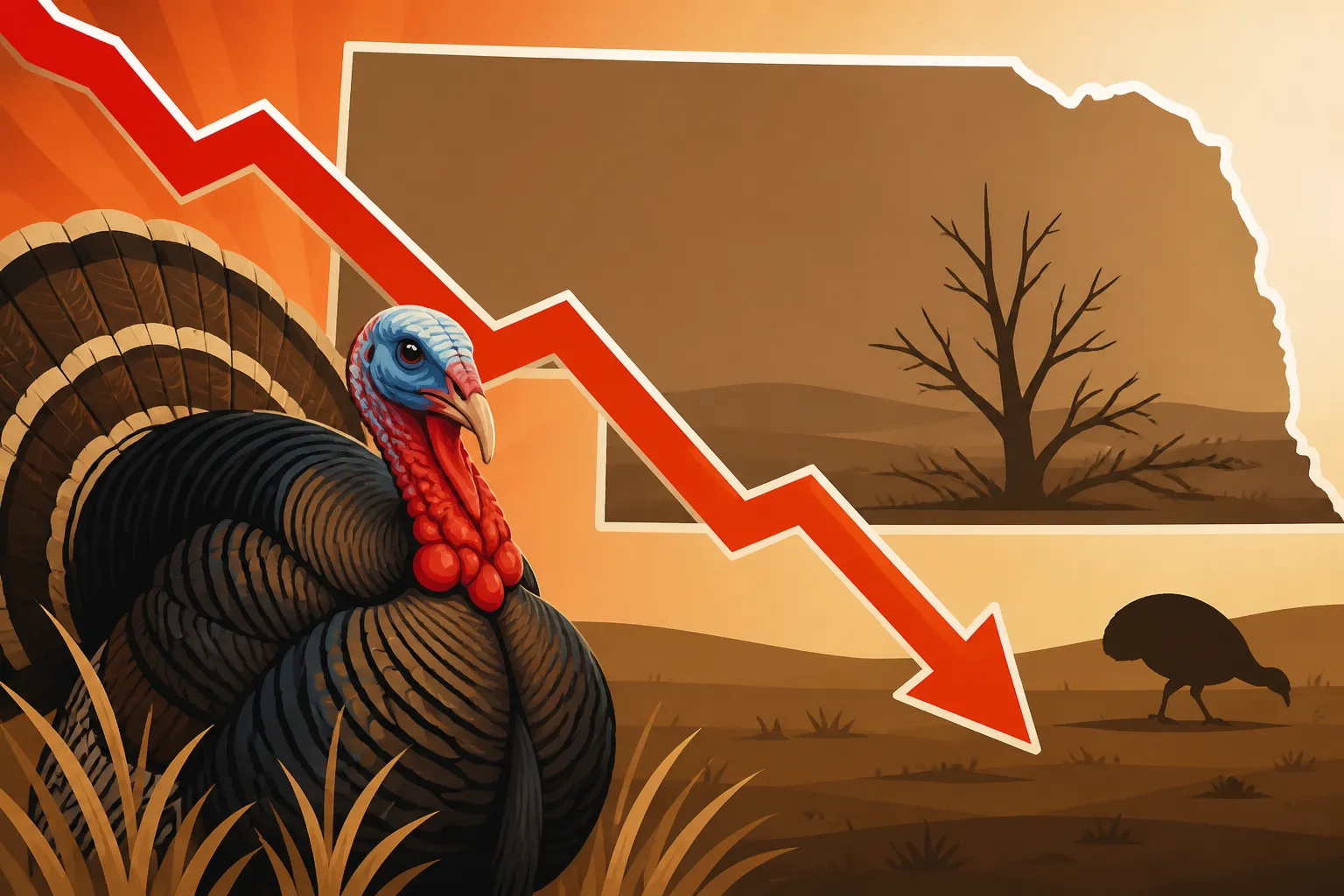
While our personal experiences paint a vivid picture, official data provides the broader, often more sobering, truth. While specific numbers fluctuate year to year and are constantly being reevaluated, the overall trajectory for wild turkeys in Nebraska has been downward for quite some time. This isn't a minor dip; it's a significant and sustained decline that has caught the attention of wildlife managers and hunters alike. The population has not just dropped, it has plummeted in many areas that were once considered strongholds.
Consider the harvest figures, which are often a good indicator of population health and hunter success. When the number of turkeys harvested by hunters consistently trends downwards over several years, despite consistent hunter effort or even increased permit availability in some instances, it points to a fundamental issue with the underlying population. This reduction in harvest reflects the fewer birds on the landscape. For a deeper dive into the overall health of the species, you might be interested in reading Nebraska Turkey Population Decline.
Here's a simplified look at the general trend observed over the past couple of decades:
| Time Period | General Population Trend | Hunter Experience |
|---|---|---|
| Early 2000s | Peak, widespread | Abundant encounters, high success rates |
| Mid 2010s | Moderate decline | Noticeable reduction, tougher hunts |
| Late 2010s – Early 2020s | Significant decline | Challenging, fewer birds, lower success |
This table illustrates what many of us have been feeling in the field. The glory days of abundant turkeys now seem like a distant memory in many parts of the state, particularly in areas where habitat changes or other pressures have been most acute.
Unpacking the "Why": Factors Contributing to the Drop
Understanding why Nebraska's turkey numbers have fallen so dramatically is a complex puzzle with many pieces. It's rarely one single factor, but rather a confluence of environmental changes, disease, predation, and even shifts in land use that have created a perfect storm for these birds. It’s important to acknowledge that this isn't unique to Nebraska; many states are grappling with similar declines.
Habitat Loss and Degradation
One of the most significant pressures on any wildlife species is the loss and degradation of its habitat, and wild turkeys are no exception. Nebraska has seen extensive changes to its landscape over the decades. Mature timber stands, river bottom corridors, and even diverse agricultural edges that once provided crucial roosting, nesting, and foraging opportunities have been altered or outright removed. Wild Turkeys in Nebraska and Their Decline goes into more detail about these habitat challenges.
Think about the conversion of diverse landscapes to monoculture farming, where vast fields of corn and soybeans replace mixed woodlands, grasslands, and riparian areas. While modern agriculture is vital, it often leaves little room for the varied cover and food sources turkeys need to thrive throughout the year. Even where timber remains, it might be heavily grazed or lacking in the understory crucial for nesting hens and poult survival. When prime real estate for raising young turkeys disappears, the population inevitably suffers.
Predation Pressures
Predation is a natural part of any ecosystem, but when turkey populations are already stressed, increased predation can exacerbate the problem, especially for eggs and young poults. Nest predators like raccoons, opossums, skunks, and even coyotes and bobcats can take a significant toll on nesting success. If hens are repeatedly disturbed or their nests are destroyed, their ability to successfully hatch and raise a brood is severely hampered.
It's a delicate balance. A healthy, robust turkey population can typically withstand a certain level of predation. However, when other factors, like poor habitat or disease, are already weakening the population, predation can become a much more impactful limiting factor. This is particularly true in areas where predator populations are thriving due to ample food sources or fewer natural controls, putting an even greater strain on the vulnerable turkey poults.
Disease and Weather Impacts
Disease outbreaks can sweep through wildlife populations, and turkeys are susceptible to various pathogens. While extensive widespread disease events might not always be publicly reported on a large scale for turkeys, localized outbreaks or persistent health issues can contribute to a gradual decline. Specific diseases or parasites might not immediately decimate adult birds but can weaken them, making them more vulnerable to other stressors or reducing their reproductive success.
Beyond disease, weather plays a critical role, especially for poult survival. Cold, wet springs can be devastating for young turkeys. Poults are incredibly vulnerable to exposure during their first few weeks of life. If heavy rains and unseasonably cool temperatures coincide with hatching, survival rates can plummet. This is a topic that resonates deeply with hunters, and Why Nebraska Turkey Poult Survival Dropped discusses this in more detail. Consecutive years of poor poult survival, even if adult numbers seem stable, will inevitably lead to a shrinking population in the long run.
The Hunter's Perspective: Adapting to New Realities
For those of us who cherish Nebraska's turkey hunting tradition, these declines mean a fundamental shift in how we approach the season. We can no longer take for granted the opportunities that once seemed boundless. Instead, hunters are being forced to adapt, think more strategically, and frankly, work a lot harder for their birds. It's a challenging time, but it also sparks a renewed dedication to conservation and understanding these resilient birds.
Changing Tactics and Expectations
The days of simply walking into any patch of timber and expecting to hear multiple gobblers might be behind us for now, at least in many areas. Hunters are finding they need to scout more intensely, often covering vast amounts of ground and leveraging technology to find those precious pockets of birds. This might mean spending hours driving rural roads listening at dawn, or getting out on foot long before the season opener to look for tracks, scat, and roosting areas. When you're trying to pinpoint where turkeys might still be thriving, a robust mapping platform can be incredibly useful. Many hunters are turning to advanced mapping services, such as those offered by GoHunt, to identify subtle terrain features, potential roosting sites, or overlooked pockets of habitat.
Our calling strategies are also adapting. Instead of aggressive calling that might work on abundant, less-pressured birds, many hunters are employing more subtle, patient tactics. It's about listening more than calling, trying to locate a bird, and then working to close the distance quietly and effectively. Sometimes, it means adopting a more "run-and-gun" approach, covering more ground to find that one responsive tom, as discussed in Run-and-Gun Turkey Tactics on Nebraska Public Ground. It's a testament to our passion that we're willing to put in this extra effort, but it definitely changes the dynamic of the hunt.
The Role of Technology in a Tough Season
In these challenging times, tools that help you dissect the landscape and plan your hunts effectively become invaluable. The modern hunter is often equipped with more than just a call and a shotgun. GPS devices and smartphone apps with detailed mapping layers can reveal subtle changes in elevation, property boundaries, and potential travel corridors that might hold birds. This kind of e-scouting is becoming a critical first step for many hunters, especially when looking at unfamiliar public lands. Using platforms like GoHunt can provide a comprehensive view of land types, potential access points, and historical data overlays that can inform your strategy.
Beyond scouting, technology can assist in other ways. Trail cameras, used ethically and within regulations, can provide insights into local turkey movements and population density without constant human presence. Understanding How Many Spring Turkey Permits You Can Buy and managing your permit applications can also be streamlined with digital tools and resources. Even simply using a good weather app can help you plan your hunt around optimal conditions for turkey activity, which becomes even more important when birds are scarce.
Looking to the Future: Conservation and Advocacy
The decline in turkey numbers isn't just a hunting problem; it's a conservation issue that impacts the overall health of Nebraska's ecosystems. As hunters, we have a vital role to play in advocating for habitat preservation and restoration, supporting wildlife research, and promoting responsible land management practices. This might involve supporting organizations dedicated to habitat work or engaging with state wildlife agencies to share observations and provide feedback. Even choosing where you buy your licenses and permits, knowing that a portion of those funds directly supports wildlife management efforts, makes a difference.
While the future of Nebraska's wild turkey population faces significant challenges, the dedication of hunters and conservationists offers hope. By adapting our approaches, embracing new tools, and most importantly, advocating for the habitats these birds rely on, we can work towards a future where the sound of a gobbling tom once again rings loudly across the plains and river bottoms of our beautiful state. Learning about Turkey Subspecies Found in Nebraska can also deepen your appreciation for the unique birds we have and the conservation efforts they need.
Disclaimer
This article is for general informational purposes only and does not constitute professional advice. Laws, prices and regulations vary by location and change over time. Consult a qualified professional for guidance on your specific situation.