Why Nebraska Deer Harvest Has Declined
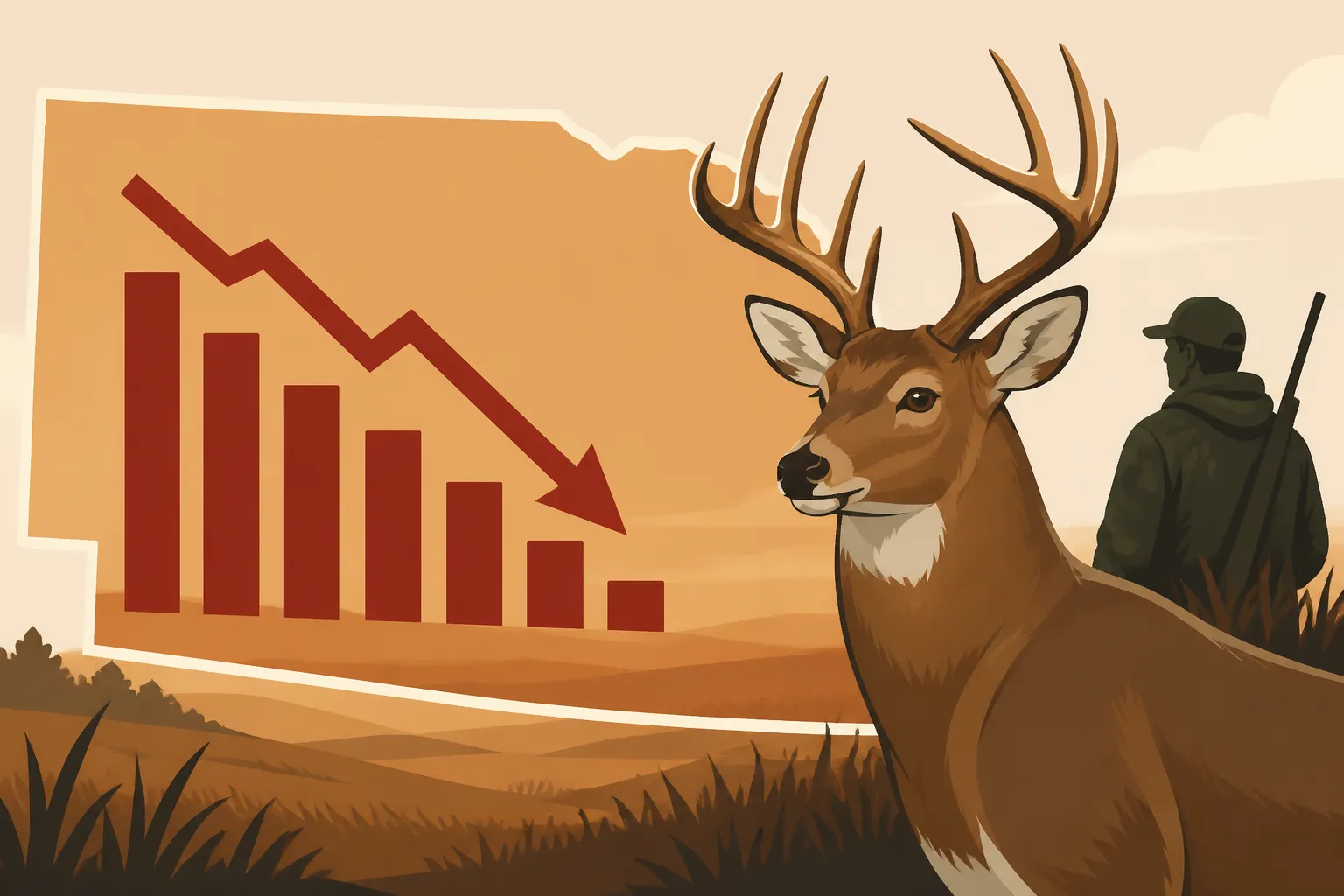
It's tough when you look at the deer harvest numbers coming out of Nebraska these past few years and see a downward trend. For many of us who've spent decades chasing whitetails and muleys across this incredible state, it can feel a little disheartening, even concerning. You might be wondering what's going on, and if it means your chances of punching a tag are shrinking. This guide will dive deep into the multifaceted reasons behind the decline in Nebraska's deer harvest, from ecological factors to shifts in hunting culture, and explore what it all means for hunters like us.
Understanding the Nebraska Deer Population Landscape
Before we can truly grasp why harvest numbers have dipped, it’s essential to understand the historical context and the dynamic nature of Nebraska's deer populations. It's not a static picture, and what we see today is a culmination of many years of natural cycles and management decisions.
Historical Context of Deer Management in Nebraska
For decades, Nebraska has worked hard to manage its deer herds, balancing agricultural concerns, ecosystem health, and hunting opportunities. In the past, deer populations, especially whitetails, saw incredible growth, spreading across the state and providing abundant hunting opportunities. This success was a testament to effective conservation efforts and adaptable deer that thrived in a diverse landscape of river bottoms, agricultural fields, and rolling prairies. Hunters were a critical part of that management, helping to control populations and provide valuable data. We've seen periods where deer were almost too plentiful, leading to increased crop damage and deer-vehicle collisions. The management goal has always been to find that sweet spot – a healthy, sustainable population that offers good hunting without becoming a nuisance.
Recent Trends in Whitetail and Mule Deer Populations
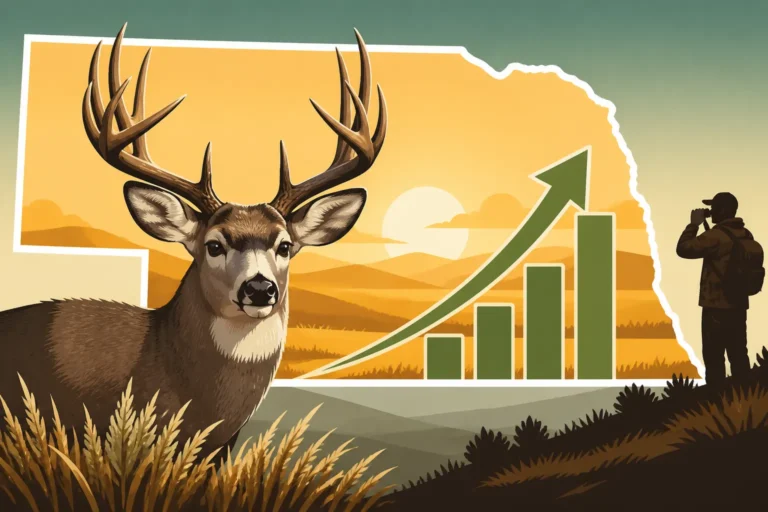
While overall deer numbers across the state have generally been robust, recent years have shown a more nuanced picture. When you look at the Nebraska Whitetail Population Trends, you'll notice fluctuations, with some areas experiencing more significant drops than others. Mule deer, primarily found in the western half of the state, also have their own distinct patterns. While some units have seen stable or even increasing numbers, others, particularly in eastern Nebraska's whitetail strongholds, have certainly experienced declines. This isn't just about hunter perception; the data, which you can often find compiled by services like GoHunt for specific units, reflects these changes. The drops are often not uniform across the state, making it a complex issue to address.
The Importance of Harvest Data in Deer Management
Harvest data is the backbone of deer management. Every time we tag a deer and report it, we're contributing to a larger dataset that wildlife managers use to make informed decisions. This data helps them understand population density, buck-to-doe ratios, age structures, and overall herd health. A decline in harvest numbers doesn't automatically mean a catastrophic drop in deer, but it certainly signals a need for closer examination. It can reflect fewer deer on the landscape, but it can also indicate fewer hunters participating, changes in hunter success rates, or even shifts in how and where people are hunting. Without reliable harvest reporting, wildlife agencies would be flying blind, making it nearly impossible to set appropriate permit quotas or identify problem areas. This is why accurately reporting your harvest, even if it's an antlerless deer, is so crucial.
Key Factors Contributing to the Decline in Harvest
The reasons behind the recent dip in Nebraska's deer harvest are rarely simple and often involve a combination of environmental, ecological, and even human-related factors. It's like a complex puzzle where every piece influences the others.
Habitat Changes and Loss
One of the most significant long-term pressures on deer populations is habitat. Deer need food, water, and cover to survive and thrive. Over the past few decades, Nebraska, like many agricultural states, has seen changes in its landscape that directly impact these essential elements. The conversion of grasslands and diverse natural habitats into monoculture row crops, while crucial for agriculture, often reduces the variety and quality of deer habitat. For instance, the significant CRP Loss Since the 1990s Peak has directly impacted areas that once provided prime bedding and fawning cover, especially for whitetails.
Even when fields are not entirely converted, changing farming practices—such as earlier and more efficient harvests—can reduce available food sources in critical late-season periods. Think about the difference between hunting standing corn into November versus fields that are picked clean by mid-October. That changes deer movement and their ability to find consistent nutrition. While deer are incredibly adaptable and can thrive on agricultural crops, a lack of secure cover, diverse browse, and consistent winter food sources can stress herds, leading to lower fawn survival rates and reduced overall health, which in turn impacts their ability to withstand other pressures.
Weather Patterns and Their Influence
Nebraska weather is rarely mild, and its extremes can play a dramatic role in deer survival and, consequently, harvest numbers. Severe winters with prolonged deep snow and extreme cold can lead to significant winter kill, particularly among fawns and older or weaker deer. These conditions increase energy demands while simultaneously making food harder to access. Conversely, prolonged droughts can impact forage quality and quantity, and reduce the availability of natural water sources, forcing deer to travel further and concentrate in fewer areas, which can also increase stress and disease transmission risk.
Beyond the direct impact on survival, weather can also influence hunter success. Mild autumns might keep deer less active during daylight hours, while early snows can make tracking easier but also make travel more difficult for hunters. For example, if you're out during Winter Weather and Pheasant Survival, you can extrapolate that severe conditions affect deer in similar ways, forcing them to conserve energy and impacting their nutritional intake. The timing and severity of weather events throughout the year, from fawning season to the dead of winter, can collectively put a dent in deer numbers before a single hunter even steps afield.
Hunter Behavior and Participation Shifts
It's not just about the deer; it's also about us, the hunters. Several shifts in hunter behavior and participation rates can influence harvest statistics. First, a general decline in hunter numbers in some areas means fewer people are out pursuing deer, which naturally leads to fewer deer being harvested, even if the population remains stable. This can be due to an aging hunter demographic, less free time, or other recreational pursuits.
Secondly, hunter effort and tactics evolve. If hunters are focusing more on trophy bucks and passing on smaller deer or antlerless opportunities, the overall harvest numbers will reflect that. We've seen a strong trend towards quality over quantity for many hunters, especially with online resources like GoHunt providing detailed draw odds and success rates for specific units. This focus on specific age-class bucks means fewer does or younger bucks are taken, which can impact management goals aimed at reducing overall herd size in certain areas. Furthermore, changes in hunting access, such as increased private land posting or difficulty securing permission, can concentrate hunters on public lands, making those areas feel more pressured and potentially reducing individual hunter success, even if deer are plentiful elsewhere.
Impact of Disease on Deer Numbers
Disease can be a silent, devastating force on deer populations, often causing significant localized or regional declines that go unnoticed until harvest numbers dramatically drop. Nebraska has certainly not been immune to the challenges posed by deer diseases.
Chronic Wasting Disease CWD and Its Spread
Chronic Wasting Disease (CWD) is a neurological disease that is always fatal to deer, elk, and moose. It's a particularly insidious threat because it’s slow-acting, making it hard to detect in live animals until the late stages, and it can persist in the environment for a long time. While CWD doesn't wipe out entire herds overnight, its long-term impact on herd health and age structure can be significant. The prevalence of Chronic Wasting Disease in Nebraska has been a growing concern, with cases being confirmed in more counties over time. As the disease spreads and becomes more entrenched in certain areas, it can reduce deer densities and lower the overall health of the herd, making them more susceptible to other stressors.
For hunters, CWD raises questions about meat safety and carcass disposal, which are important considerations. Wildlife agencies are diligent in monitoring its spread, and hunters play a vital role in this by cooperating with Nebraska CWD Sampling for Hunters efforts. While CWD might not be the sole cause of a statewide harvest decline, its ongoing presence is a factor that wildlife managers must continuously consider in their long-term strategies.
Epizootic Hemorrhagic Disease EHD Outbreaks
Unlike CWD, Epizootic Hemorrhagic Disease (EHD) is an acute, often rapid-acting viral disease that can cause sudden and dramatic deer die-offs. EHD is transmitted by biting midges (no-see-ums), and outbreaks are usually tied to hot, dry conditions followed by rain, which creates ideal breeding grounds for these insects. When deer populations are high and conditions are right, EHD can sweep through an area, sometimes killing a significant percentage of the local herd in a matter of weeks. The disease causes fever, swelling, and internal bleeding, often leading affected deer to seek water sources before they succumb.
Nebraska has experienced several significant EHD Outbreaks in Nebraska Deer over the years, and these events can cause sharp, localized drops in deer numbers that directly translate to lower harvest figures in subsequent seasons. While herds often recover over several years, a severe EHD outbreak in a prime hunting unit can certainly make it much harder for hunters to find deer and fill their tags in the seasons immediately following. These outbreaks are cyclical and unpredictable, adding another layer of complexity to deer management and harvest projections.
Monitoring and Mitigation Efforts
Wildlife agencies across Nebraska are constantly monitoring deer populations for signs of disease and working to understand their impact. This includes everything from routine disease surveillance to responding to reports of sick or dead deer. While there's no vaccine for CWD and no direct treatment for EHD, management efforts focus on limiting transmission and understanding population dynamics in affected areas. This might involve adjusting permit quotas to manage herd density, especially in CWD-positive areas, or encouraging the harvest of antlerless deer to manage overall population numbers and prevent over-browsing that can stress a herd. GoHunt's detailed unit statistics can also help hunters understand where disease might be having a greater impact by showing harvest trends over time in specific areas. Ultimately, mitigation is about adaptive management—responding to the challenges presented by these diseases while striving to maintain healthy, huntable deer populations.
Management Strategies and Future Outlook
Understanding the decline is one thing, but what's being done about it, and what does the future hold for Nebraska deer hunting? Wildlife agencies and hunters alike have a role to play in ensuring the health of our deer herds for generations to come.
Permit Structure Adjustments and Their Goals
Nebraska's Game and Parks Commission continually reviews deer populations and harvest data to make informed decisions about permit structures. If populations decline in certain areas, or if specific management goals aren't being met, they will often adjust the number and type of permits available. This might mean reducing the number of "any-deer" permits, increasing antlerless-only opportunities in areas where female deer populations need to be managed, or even offering more permits in units where populations are robust. The aim is always to use hunting as a tool to maintain healthy deer numbers that are in balance with the available habitat.
For example, when harvest numbers dip, you might see adjustments in Nebraska Deer Management Unit Permits for the following seasons. These changes aren't arbitrary; they are data-driven decisions made with the long-term health of the herd in mind. Keeping an eye on these permit changes is crucial for hunters planning their seasons, as it directly impacts where and how you can hunt. For those looking for an edge, services like GoHunt offer insights into permit allocations and draw odds, helping hunters strategize their applications.
Habitat Improvement Initiatives
Long-term deer population health hinges heavily on habitat quality. Recognizing this, Nebraska has various initiatives aimed at improving and restoring critical habitat for deer and other wildlife. This can include programs that incentivize private landowners to maintain grasslands, plant diverse cover crops, or restore riparian areas along rivers and streams. Public lands, too, often undergo habitat management practices like prescribed burns, tree planting, and invasive species removal to create more diverse and nutritious forage and better cover.
These efforts are vital because they address the root causes of some population declines. Healthier habitat means healthier deer, with better fawn survival rates, stronger immunity to disease, and greater resilience to harsh weather. Hunters contribute to these initiatives, often through the purchase of licenses and the Nebraska Habitat Stamp Requirements, which directly fund these crucial conservation efforts. Every acre of restored wetland or re-established native grassland creates more space and resources for deer to thrive.
The Role of Hunters in Conservation and Data Collection
As hunters, we are not just consumers of wildlife; we are its most dedicated stewards. Our participation is absolutely essential for effective deer management. Beyond purchasing permits and habitat stamps, which directly fund conservation, our actions in the field provide invaluable data. Reporting your harvest accurately and promptly, especially for How Game and Parks Counts Wildlife, is a direct contribution to understanding population trends. Participating in CWD sampling efforts is another critical way to help monitor disease spread and inform management decisions.
Furthermore, being ethical and responsible hunters means adhering to regulations, practicing good land stewardship, and advocating for sound conservation policies. When we retrieve game from private land, we ask permission. When we're on public land, we leave no trace. Every interaction we have, every deer we choose to harvest (or not harvest), and every piece of information we provide helps shape the future of Nebraska's deer hunting. The future of deer hunting in Nebraska is a shared responsibility, and by working together, we can help ensure that healthy deer populations continue to thrive across the state for years to come.
Disclaimer
This article is for general informational purposes only and does not constitute professional advice. Laws, prices and regulations vary by location and change over time. Consult a qualified professional for guidance on your specific situation.