Nebraska’s Elk Herds and Where They Live
It's easy to assume Nebraska, with its vast farmlands and rolling plains, is solely the domain of whitetail deer, pheasants, and waterfowl. Many hunters, even those within the state, are surprised to learn that Nebraska is home to thriving herds of elk. This comprehensive guide will pull back the curtain on these majestic animals, exploring where they live, their history, population dynamics, and the unique challenges and opportunities they present to hunters and conservationists alike.
A Surprising Story: Elk in the Cornhusker State
For generations, the thought of pursuing elk conjured images of towering peaks, dense evergreen forests, and rugged mountain terrain out West. Nebraska, by contrast, is often painted as a land of agriculture and prairies. Yet, deep in certain corners of the state, particularly the western reaches, elk are not just surviving, but flourishing. It's a testament to the resilience of these magnificent creatures and the dedicated efforts of conservationists and landowners to re-establish them in their ancestral ranges.
Dispelling the Myth: Elk Aren't Just for the Mountains
Let's be honest, the typical Nebraskan might drive for hours through cornfields and pastures, never imagining that a wild elk might be just over the next ridge. The perception that elk are exclusive to states like Colorado, Montana, or Wyoming is deeply ingrained. But Nebraska's landscape is more diverse than many outsiders (and even some insiders) realize. While we don't have towering snow-capped mountains, we do have significant tracts of rugged terrain, timbered river bottoms, and expansive grasslands that provide ideal elk habitat. These areas offer the cover, forage, and water sources necessary to support healthy elk populations. The sight of a bull elk bugling in the Nebraska Pine Ridge, or a herd moving across a Sandhills blowout, is a breathtaking experience that shatters preconceived notions about what a "Nebraska hunt" can be. It adds an entirely different dimension to the state's hunting heritage, one that often comes as a pleasant surprise.
The Comeback Trail: A Brief History of Nebraska Elk
The presence of elk in Nebraska isn't a new phenomenon; it's a remarkable story of reintroduction and natural resurgence. Historically, elk were native to Nebraska, roaming extensively across the prairies and timbered river valleys. However, overhunting, habitat loss, and westward expansion in the 19th century led to their extirpation from the state by the late 1800s. For decades, elk were merely a memory, a part of Nebraska's past wildlife heritage.
The turnaround began in the mid-20th century with small, unofficial movements of elk from neighboring states like Wyoming and Colorado. These pioneers found suitable, unpressured habitat in the rugged Pine Ridge and Niobrara River regions. Recognizing the potential for a sustainable population, the Nebraska Game and Parks Commission (NGPC) began more formal reintroduction efforts and robust management programs. If you're curious to dive deeper into the historical context, you can explore the full story of the Nebraska Elk Herd History. These early efforts, combined with natural dispersion and a focus on habitat protection, allowed the herds to grow. Today, Nebraska boasts several established elk populations, offering a unique big game opportunity right here in the heartland. It's a true conservation success story, showcasing what's possible when wildlife management and public support align.
Where the Wild Herds Roam: Nebraska's Key Elk Strongholds
Nebraska's elk herds aren't found just anywhere; they are concentrated in specific areas that offer the unique combination of habitat features these animals require. Knowing these key regions is the first step for anyone interested in observing or, if fortunate enough, hunting Nebraska elk. These areas provide the necessary cover, forage, and water, creating pockets of prime elk country amidst the broader agricultural landscape.
The Pine Ridge: Nebraska's Primary Elk Country
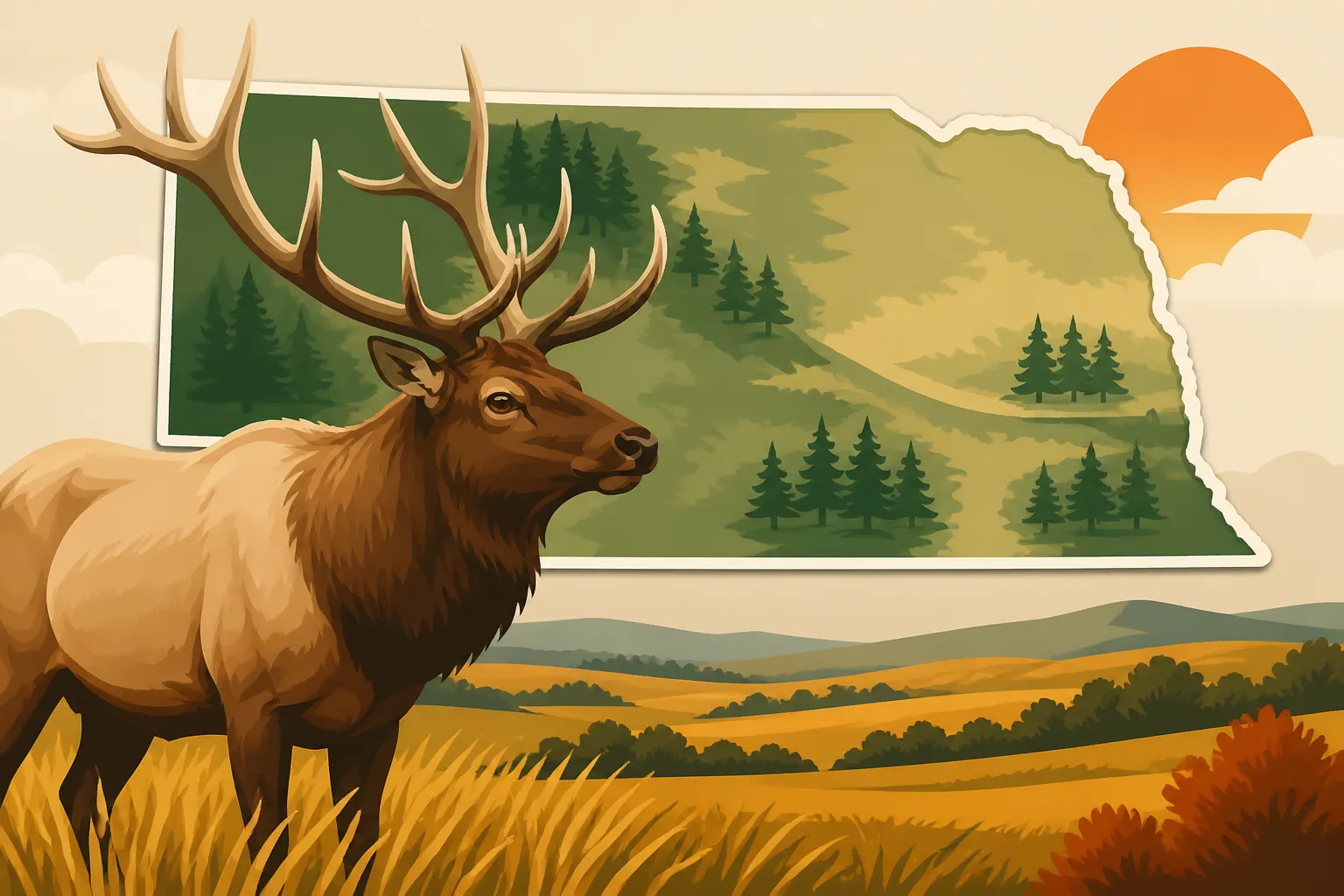
Without a doubt, the Pine Ridge in northwestern Nebraska is the state's most iconic elk country. This rugged escarpment, stretching across Dawes, Sioux, and Sheridan counties, is characterized by ponderosa pine forests, deep canyons, and steep, broken terrain. It's a stark contrast to the surrounding Sandhills and offers unparalleled habitat for elk. The dense pine forests provide crucial thermal cover during harsh winters and shade during hot summers, while the grassy meadows and openings offer abundant forage. Water is typically plentiful from springs and creeks.
This area is home to the largest and most well-established elk herds in Nebraska. Driving through the Pine Ridge, especially during the early morning or late evening, you stand a real chance of spotting a herd grazing in a pasture adjacent to the timber or crossing a remote road. It's a wild, beautiful place, and the presence of elk only enhances its untamed character. For hunters, this region is the holy grail of Nebraska elk permits, though drawing one is incredibly challenging. Understanding this landscape is key to successful Nebraska Panhandle and Pine Ridge Hunting for any species.
Niobrara River Valley: A Lesser-Known Gem
While the Pine Ridge often steals the spotlight, the Niobrara River Valley in north-central Nebraska is another significant, albeit smaller, elk stronghold. The Niobrara River, a designated National Scenic River, carves a deep, winding path through the Sandhills, creating a diverse riparian corridor. Along its banks, you'll find a mosaic of eastern deciduous forests, mixed-grass prairie, and even some scattered pines, providing a rich blend of habitats.
Elk in this region tend to utilize the dense timber and thick brush of the river breaks for cover, venturing out into the adjacent pastures and hayfields to feed. These herds are generally more fragmented and spread out compared to the concentrated populations in the Pine Ridge. Access to the Niobrara River Valley can be challenging, with much of the land being privately owned, but there are some public access points and opportunities along its length. For those willing to put in the scouting time, this area offers a truly unique backdrop for elk activity. Hunters looking for public access points will want to consult resources like the Niobrara River Valley Public Land maps.
The Sandhills Fringe: Scattered Pockets
Beyond the core areas of the Pine Ridge and Niobrara, smaller, more transient pockets of elk can occasionally be found along the fringes of the vast Nebraska Sandhills. These aren't established, large herds, but rather smaller groups or individual animals that have dispersed from the main populations or moved in from neighboring states. The Sandhills, with their immense grasslands and scattered wetlands, can support elk, especially in areas where there are deep, timbered river or creek drainages that provide cover.
These "fringe" elk are often found in counties bordering the Pine Ridge or the Niobrara, or in areas with extensive private land that offers sanctuary and ample forage. Spotting an elk in the open Sandhills can be a truly surprising experience, as they often blend remarkably well into the tall grasses. While not a primary destination for elk hunting, these areas do contribute to the overall How Many Elk Nebraska Has and demonstrate the species' adaptability. Hunting these scattered groups would require significant localized knowledge and landowner permission, making them particularly challenging targets for the average hunter.
Understanding Nebraska's Elk Demographics and Behavior
Knowing where elk live is only part of the puzzle. To truly appreciate (and potentially pursue) these animals, it's essential to understand their population dynamics, how they move through the landscape, and what drives their daily lives in Nebraska's unique environment. This insight provides a deeper connection to the species and helps hunters and wildlife enthusiasts alike in their efforts to locate them.
Herd Dynamics and Population Estimates
The Nebraska Game and Parks Commission actively monitors the state's elk populations to ensure sustainable management. While the exact numbers fluctuate year to year due to various factors like calf survival, harvest rates, and disease, the overall trend for Nebraska's elk has been positive, indicating a growing and healthy population since When Elk Returned to Nebraska. The primary herds in the Pine Ridge and Niobrara Valley are the focus of these counts.
Current estimates suggest that How Many Elk Nebraska Has in total, with the majority residing in the Pine Ridge. These herds are characterized by a healthy bull-to-cow ratio, which is vital for strong breeding cycles and robust populations. The management philosophy aims to maintain a balance, allowing for herd growth while also mitigating potential conflicts with landowners, which we'll discuss shortly. Regular aerial surveys, ground observations, and hunter harvest data contribute to these population assessments, providing the NGPC with the critical information needed to make informed management decisions. It's a testament to good stewardship that these populations are as robust as they are.
Seasonal Movements and Habitat Preferences
Just like elk in mountainous regions, Nebraska's elk exhibit seasonal movements, albeit driven by different factors than high-alpine snowpacks. While they don't migrate thousands of feet in elevation, their movements are influenced by forage availability, cover, water sources, and hunting pressure. During the spring and summer, elk typically disperse into smaller groups, with cows and calves seeking out lush forage in secluded meadows and timber pockets. Bulls, having shed their antlers, often form bachelor groups in denser cover, focusing on regaining body mass and growing new antlers.
As fall approaches and the rut kicks in, bulls become more active, bugling and challenging rivals, drawing cows together. This is a period of increased movement and visibility. Winter, especially in the Pine Ridge, sees elk seeking out thermal cover in the dense pine forests and sheltered canyons. They will move to areas where forage, such as browse and exposed grasses, is accessible. These seasonal shifts are crucial for hunters to understand, as locating elk often means anticipating where they'll be at different times of the year. Much like deer, understanding how they use the landscape based on time of year is paramount.
Diet and Foraging Habits of Nebraska Elk
Nebraska elk are primarily grazers, meaning grasses make up a significant portion of their diet. The abundant native prairie grasses found in their core ranges, along with introduced forage grasses in agricultural areas, provide a rich food source. However, they are also opportunistic browsers, especially during leaner times or when specific nutrients are needed. This means they will consume shrubs, forbs (herbaceous flowering plants), and even the tender shoots of trees.
In areas adjacent to agricultural lands, elk will readily feed on crops such as alfalfa, corn, and soybeans. This reliance on agricultural forage can be a double-edged sword: it provides a plentiful food source, supporting larger populations, but it also leads to significant conflicts with farmers and ranchers. During severe winters, when natural forage is buried under snow, elk may become even more reliant on agricultural feed, leading to increased depredation concerns. Foraging patterns can be influenced by weather, time of day, and the presence of predators or human activity. Understanding these patterns is key to predicting where and when you might encounter them, especially when hunting or scouting.
| Elk Stronghold | Primary Habitat | Key Counties | Typical Behavior | Primary Forage |
|---|---|---|---|---|
| Pine Ridge | Ponderosa Pine Forests, Canyons, Grassy Openings | Dawes, Sioux, Sheridan | Concentrated herds, seeking timber cover | Native grasses, forbs, pine browse, alfalfa |
| Niobrara River Valley | Riparian Timber, Mixed-Grass Prairie, Brush | Cherry, Keya Paha, Brown | More dispersed, utilizing river breaks for cover | Grasses, deciduous browse, corn |
| Sandhills Fringe | Open Grasslands, Deep Drainages, Scattered Timber | Various bordering counties | Small groups, transient, highly adaptable | Grasses, some agricultural crops |
The Challenges and Conflicts: Living with Elk
While the return of elk to Nebraska is a conservation success story, it's not without its complexities. Coexisting with large, wild ungulates in a largely agricultural state presents unique challenges for both wildlife managers and the rural communities that share the land with these majestic animals. These issues often become a significant part of the management discussions around population control and hunting seasons.
Agricultural Damage and Depredation
One of the most pressing issues associated with Nebraska's growing elk herds is the potential for agricultural damage. Elk are large, hungry animals, and a herd moving through a farmer's field can cause substantial losses. They will readily graze on alfalfa, corn, soybeans, and other crops, particularly during late summer and fall when crops are mature and palatable. This isn't just a matter of a few mouthfuls; a herd of 50 elk can devastate acres of cropland in a single night.
Beyond direct consumption, elk can also cause damage by trampling crops, breaking down fences, and disrupting livestock operations. This often leads to significant financial strain for landowners and understandably creates tension. The Nebraska Game and Parks Commission works closely with affected landowners to implement various strategies, including hazing, fencing assistance, and compensation programs, but the problem persists. It's a delicate balance to manage a thriving wildlife population while respecting the livelihoods of those who share the land. For more detailed information, exploring Elk Damage and Depredation in Nebraska provides a deeper understanding of these ongoing issues.
Vehicle Collisions and Public Safety Concerns
The presence of large, free-ranging elk also poses a significant risk to public safety, primarily through vehicle collisions. An elk, especially a bull, can weigh well over 700 pounds, and striking one with a vehicle can result in catastrophic damage, serious injury, or even death to vehicle occupants. While deer-vehicle collisions are common across Nebraska, elk pose an even greater threat due to their sheer size and dark coloration, making them difficult to see at night.
These collisions are more prevalent in areas with higher elk densities, such as the Pine Ridge, and along routes that bisect elk travel corridors. Signs warning of elk crossings are common in these regions, but drivers must remain vigilant, especially during dawn and dusk hours when elk are most active. Wildlife managers continuously monitor collision data to identify high-risk areas and implement mitigation strategies where possible, but ultimately, driver awareness is the most critical factor in preventing these dangerous encounters. It's a serious concern that impacts rural residents and travelers alike.
Disease Management and Herd Health
Maintaining the health of Nebraska's elk herds is a critical component of wildlife management. Like all wild ungulates, elk are susceptible to various diseases that can impact herd health, population stability, and potentially spread to livestock. Chronic Wasting Disease (CWD), a fatal neurological disease, is a particular concern. While CWD prevalence in Nebraska's elk is generally low compared to some deer populations, continuous monitoring and surveillance are essential to detect and manage any outbreaks.
The NGPC conducts regular disease testing, often through hunter-harvested animals, to track the presence and spread of CWD and other diseases. They also work to educate hunters and the public about best practices to prevent disease transmission. Beyond CWD, other factors like pneumonia, parasites, and environmental stressors can also affect elk health. A healthy habitat and balanced population numbers are key to bolstering the herd's natural resilience against disease. This ongoing vigilance is part of ensuring that Nebraska's Elk Herds remain strong and viable for future generations.
Hunting Nebraska Elk: A Coveted Opportunity
For the dedicated hunter, drawing a Nebraska elk permit is often considered the pinnacle of big game hunting opportunities within the state. It's an experience that rivals hunts found in more traditionally recognized elk states, offering the chance to pursue these magnificent animals in a unique, challenging, and often beautiful Nebraska landscape. However, it's an opportunity that requires patience, persistence, and a healthy dose of luck.
The Nebraska Elk Lottery: Odds and Application
Getting a Nebraska elk permit is tough, plain and simple. Permits are extremely limited and allocated through a highly competitive lottery draw system. This means that merely applying doesn't guarantee a tag; most applicants will go many years, if not decades, without drawing one. The draw is structured to give preference to residents, making it particularly challenging for non-residents. If you're a non-resident wondering if it's even worth it, you might want to look at Can Nonresidents Hunt Nebraska Elk? before getting your hopes up too high.
The application period typically opens in June, and hunters must select their preferred unit and permit type. Many hunters accumulate preference points year after year to increase their odds in future draws, understanding that it's a long-term strategy. Researching previous draw odds and understanding the point system is crucial for anyone serious about hunting elk in Nebraska. Resources like GoHunt's insider information can be invaluable for analyzing draw odds and unit breakdowns, giving you a statistical edge in an otherwise challenging draw. The anticipation of draw results is a nail-biting experience for hundreds of hopeful hunters each year.
Permit Types and Management Units
Nebraska offers various elk permit types, each with specific conditions, units, and seasons. The primary distinction is often between "Any Elk" permits, allowing the harvest of a bull or cow, and "Antlerless Only" permits, which target cows to help manage herd growth and mitigate depredation. These permits are assigned to specific management units, which roughly correspond to the known elk strongholds. The most sought-after permits are, of course, the "Any Elk" tags in the Pine Ridge units, where trophy potential is highest.
Understanding the specific regulations for each unit and permit type is paramount. Season dates, legal shooting hours, and weapon restrictions vary. For example, some units may have archery-only seasons, while others allow firearms during specific periods. The Nebraska Game and Parks Commission meticulously defines these units and regulations to manage herd health and provide hunting opportunities. Staying informed about the latest regulations and unit boundaries is essential before applying. You can find more specific details on Nebraska Elk Permit Numbers and When Nebraska's Elk Seasons Run by Unit in the official guides.
Tactics for Hunting Nebraska Elk
Drawing an elk tag in Nebraska is only the first hurdle; actually harvesting an elk is an entirely different challenge. Nebraska elk, particularly in the Pine Ridge, live in rugged, broken country that can be physically demanding to hunt. Successful tactics often involve a blend of western and midwestern hunting styles. For starters, having a reliable Rifle Setups for Nebraska's Open Country is crucial, as shots can often be long across open valleys or through sparse timber.
- Scouting is Key: Extensive pre-season scouting, both on foot and using optics from high vantage points, is critical. Learning elk travel patterns, bedding areas, and feeding grounds will significantly increase your odds. Identifying water sources and wallows can also be invaluable.
- Glassing: Due to the open nature of much of the Pine Ridge, effective glassing is a primary tactic. High-quality Optics for Glassing the Nebraska Sandhills, including binoculars and spotting scopes on tripods, will help you pick apart distant ridges and canyons for subtle signs of elk. Many hunters will spend hours behind their glass, patiently waiting for movement.
- Calling: During the early firearm and archery seasons, calling can be highly effective. Bugles, cow calls, and even social mews can draw in curious elk or challenge dominant bulls. Understanding elk vocalizations and when to use them is an art developed through practice.
- Stealth and Persistence: Elk are incredibly wary, especially on public or heavily hunted ground. Moving slowly, using the wind to your advantage, and being prepared for long stalks are essential. Be prepared to put in many miles on foot, navigating steep terrain and thick cover. Having landowner permission is also a huge advantage, as many large landowners participate in programs like Landowner Elk Permits in Nebraska. This means respecting private property is often part of the strategy.
Conservation Efforts and Future Outlook for Nebraska's Elk
The presence of elk in Nebraska is a testament to successful conservation. However, maintaining and expanding these herds while balancing the needs of landowners and local communities requires ongoing, dynamic efforts. The future of Nebraska's elk populations relies heavily on continued sound management, habitat protection, and collaborative partnerships.
Role of Nebraska Game and Parks Commission
The Nebraska Game and Parks Commission (NGPC) is the driving force behind elk conservation and management in the state. Their biologists and wildlife managers continuously monitor herd health, population dynamics, and habitat conditions. They are responsible for setting hunting seasons, establishing permit numbers, and allocating tags through the lottery system, all with the goal of maintaining a healthy, sustainable population while minimizing conflicts.
Beyond hunting regulations, the NGPC also leads research initiatives, implements habitat improvement projects, and responds to depredation complaints. Their dedicated efforts are crucial for ensuring that elk have the necessary resources to thrive and for addressing the challenges that arise from their presence. Their comprehensive approach, from biological surveys to public outreach, underscores their commitment to this unique Nebraska wildlife success story. They are constantly adapting their strategies as conditions and populations evolve, demonstrating a proactive approach to managing Nebraska Elk Herd Locations and numbers.
Landowner Partnerships and Habitat Improvement
Given that a significant portion of Nebraska's elk habitat is on private land, fostering strong partnerships with landowners is paramount to elk conservation. Farmers and ranchers provide critical winter forage, cover, and refuge for elk, but they also bear the brunt of agricultural damage. Programs that compensate landowners for damage, offer assistance with fencing, and provide technical guidance for habitat management are vital to maintaining these relationships.
Collaborative initiatives, such as voluntary agreements to allow public hunting access on private lands, can help manage elk populations in problem areas while also providing hunting opportunities. Furthermore, habitat improvement projects, whether on public lands or through private land incentive programs, ensure that elk have access to diverse and ample food sources, water, and cover. This includes managing timber stands, restoring native grasslands, and protecting riparian areas. These partnerships are the backbone of long-term elk success in the state.
Balancing Growth and Community Concerns
The ultimate challenge for Nebraska's elk program is to strike a delicate balance: allowing for healthy herd growth and providing robust hunting opportunities, while simultaneously addressing and mitigating the legitimate concerns of rural communities and landowners. As elk populations expand, so too does the potential for crop damage, fence destruction, and vehicle collisions. These issues can strain community relations and lead to calls for more aggressive population control.
The future outlook for Nebraska's elk herds remains positive, largely due to strong management and public support for wildlife. However, continued open dialogue between the NGPC, landowners, hunters, and the general public will be essential. Education on elk ecology, the benefits of their presence, and the methods used to manage them will foster a greater understanding and appreciation. By continually adapting management strategies and investing in both wildlife and community well-being, Nebraska can ensure that its majestic elk herds continue to grace the landscape for generations to come.
Disclaimer
Please note that hunting regulations, season dates, and permit availability are subject to change by the Nebraska Game and Parks Commission. Always consult the most current official Nebraska hunting guides and regulations before planning any hunting activity. This content is for informational purposes only and should not be considered legal or official advice.