How Many Elk Nebraska Has
It might come as a surprise to many, even some folks who've lived in the state their whole lives, but Nebraska absolutely has wild elk. While we're not talking about numbers that rival Colorado or Montana, these majestic animals are a testament to successful conservation efforts and the incredible diversity of Nebraska's landscapes. If you're wondering just how many elk call the Cornhusker State home, and where you might even catch a glimpse of them, you're in the right place. This guide will take a deep dive into Nebraska's elk population, their distribution, and the challenges and successes of managing these magnificent animals.
The Return of Nebraska's Elk: A History of Resurgence
Believe it or not, elk were once common across Nebraska, roaming the prairies and timbered river bottoms in vast numbers. However, like many other large game species, unchecked market hunting and habitat loss during westward expansion led to their complete eradication from the state by the late 1800s. For decades, the thought of wild elk in Nebraska was just a distant memory, a tale told by old-timers about a bygone era.
The idea of bringing elk back seemed like a dream for many years. It wasn't until the 1950s that the first serious reintroduction efforts began, driven by a growing understanding of wildlife management and a desire to restore native species. Initial attempts faced numerous hurdles, from securing suitable animals to finding areas with enough public and private support to allow a herd to thrive. It's a long, challenging road to bring back a species that was entirely extirpated, and it required vision and persistence.
Fast forward to the late 1990s and early 2000s, and we saw more focused efforts. Small herds began to establish themselves in key areas, primarily through natural dispersal from neighboring states like South Dakota and Wyoming, along with some targeted releases. These efforts were often met with cautious optimism, as it takes time for a population to become self-sustaining. The story of elk in Nebraska is one of patience, dedication, and the incredible resilience of wildlife when given a chance. If you're interested in the journey, you can read more about When Elk Returned to Nebraska.
Current Elk Population Estimates and Distribution in Nebraska
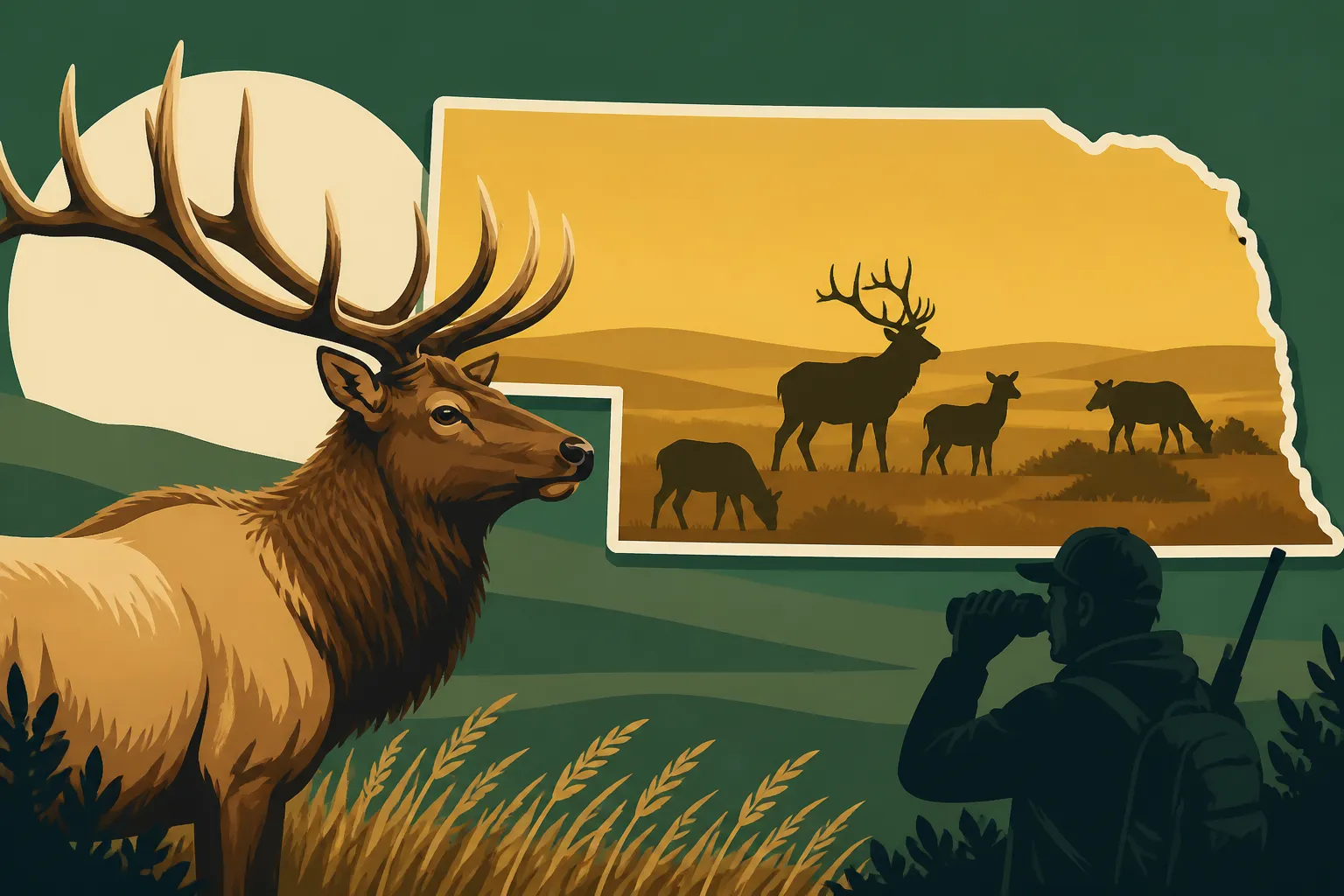
So, how many elk are we talking about today? It's important to understand that estimating wildlife populations is never an exact science. Numbers fluctuate based on factors like calving success, winter severity, disease, and hunting harvest. However, based on ongoing surveys and observations by the Nebraska Game and Parks Commission, the total statewide elk population generally hovers in the range of several hundred to just over a thousand animals. This isn't a massive number by Western state standards, but it represents a significant and healthy rebound from zero.
The majority of Nebraska's elk population is concentrated in the western part of the state, particularly in the rugged terrain of the Pine Ridge region. This area, with its deep canyons, ponderosa pine forests, and interspersed grasslands, provides excellent cover, forage, and water – everything a wild elk needs to survive and thrive. You'll also find smaller, more localized herds scattered in other parts of the state, often along major river systems that offer dense cover and agricultural fields for feeding. These populations are typically much smaller and more dispersed, making them harder to track and manage. For a more detailed look at where these animals roam, check out Nebraska's Elk Herds and Where They Live.
The table below gives a general overview of where Nebraska's elk herds are typically found and their general status:
| Region | Primary Habitat | General Herd Status | Hunting Opportunity |
|---|---|---|---|
| Pine Ridge | Forested canyons, rugged terrain, Ponderosa pine | Stable, primary managed herd | Limited, highly sought-after permits |
| Hat Creek | Mix of rangeland, breaks, agricultural fringe | Stable, smaller localized herd | Limited, permits sometimes available |
| Boyer Chute | Missouri River bottom, dense timber, riparian zones | Small, established, very dense cover | Extremely limited, rare permits |
| Niobrara Valley | River breaks, timbered hills, secluded pastures | Small, emerging, often transient | Extremely limited, very rare permits |
These are not Yellowstone-style elk congregations, but rather tight-knit, often reclusive herds that require significant effort and a bit of luck to locate. For hunters keen on finding these animals, understanding their preferred habitat and using tools like GoHunt to analyze topography and public access can be extremely beneficial. A reliable mapping system, combined with boots-on-the-ground scouting, is crucial for success in these areas.
Understanding Population Dynamics
Elk populations are dynamic, meaning their numbers are constantly changing. Birth rates, survival rates of calves, disease outbreaks (like EHD or CWD, though less prevalent in elk than deer), and depredation issues all play a role. Management agencies actively monitor these factors to ensure the population remains healthy and sustainable. Nebraska Elk Herd History shows us just how far these animals have come.
One of the unique aspects of Nebraska's elk management is dealing with their presence in agricultural landscapes. While the Pine Ridge offers more wild, expansive territory, other herds may frequently move between timbered cover and private crop fields. This can lead to conflicts with landowners, as elk can cause significant damage to crops. This is a constant balancing act for wildlife managers: fostering a healthy elk population while also addressing the concerns of landowners who share their land with these impressive animals. This leads us right into the challenges.
Factors Influencing Nebraska's Elk Numbers
Managing a big game species like elk in a state with diverse landscapes and significant agricultural interests presents a unique set of challenges and opportunities. Nebraska's elk numbers are influenced by several critical factors, from habitat availability to human tolerance. Understanding these elements is key to appreciating the efforts involved in sustaining these herds.
Habitat Availability and Quality
Elk are large animals with significant habitat requirements. They need diverse forage, ample water, and secure cover for bedding, calving, and escaping pressure. In Nebraska, the Pine Ridge provides some of the best natural habitat, with its rugged topography offering seclusion and a mix of browse and grasses. However, even here, habitat quality can be impacted by factors like drought, forest fires, or changes in land use. Outside of the Pine Ridge, elk often rely on dense river bottom timber and private lands where cover can be fragmented and food sources might be limited to agricultural crops. This makes their survival more precarious and their movements less predictable.
The ongoing conservation of natural spaces, and even the careful management of timber on private lands, plays a huge role. Projects that restore riparian zones or create more secure thermal cover can significantly benefit elk. When considering where to focus conservation efforts, land analysis tools are invaluable. Services like GoHunt allow wildlife managers and serious hunters alike to visualize land features, understand vegetation patterns, and identify critical corridors for elk movement.
Human Tolerance and Depredation Issues
Perhaps one of the most significant challenges to growing Nebraska's elk population is managing human-wildlife conflict, particularly depredation on agricultural lands. Elk, with their large appetites, can cause substantial damage to corn, alfalfa, and other crops. This can understandably lead to frustration and financial loss for farmers and ranchers. The Nebraska Game and Parks Commission works closely with landowners to mitigate these issues, often through special permits, exclusion fencing, or hazing efforts.
The success of any elk population, especially in a state like Nebraska, hinges on a delicate balance between public appreciation for wildlife and private landowners' ability to maintain their livelihoods. Without landowner cooperation and tolerance, the expansion of elk herds outside of dedicated public lands or large, contiguous private ranches becomes incredibly difficult. This is a conversation that never truly ends, as landscapes and agricultural practices evolve over time. To delve deeper into this specific challenge, you can read more about Elk Damage and Depredation in Nebraska.
Disease and Environmental Factors
Like all wildlife, Nebraska's elk are susceptible to various diseases, though fortunately, large-scale outbreaks haven't been a major limiting factor for these herds so far. Chronic Wasting Disease (CWD) is present in Nebraska deer populations, and while elk can contract CWD, its prevalence in the state's elk herds is monitored carefully. Other environmental factors, such as severe winter weather or prolonged drought, can also impact elk survival and reproductive success, particularly for calves. Harsh winters can make forage scarce, while droughts can reduce water sources and impact the quality of browse. These are natural pressures that wildlife populations have always faced, but in smaller, localized herds, their impact can be more pronounced.
Managing Nebraska's Elk for the Future
The presence of elk in Nebraska is a conservation success story, and careful management is crucial to ensure these herds continue to thrive for future generations. This involves a multi-faceted approach that balances population growth, landowner interests, and hunting opportunities.
Hunting as a Management Tool
Hunting plays a critical role in managing Nebraska's elk population. Because the herds are relatively small and localized, hunting opportunities are extremely limited and highly coveted. The primary goals of elk hunting in Nebraska are to manage herd numbers at sustainable levels, address depredation issues, and provide unique recreational opportunities. Permits are allocated through a lottery system, and draw odds are notoriously low, especially for bull tags.
For those lucky enough to draw a tag, it's often a once-in-a-lifetime opportunity to pursue a magnificent animal in a truly unique setting. Nebraska Elk Permit Numbers are quite restricted, reflecting the careful management needed for these smaller populations. Hunters often contribute valuable data to wildlife agencies through harvest reports and samples, aiding in ongoing population health assessments. The season dates and specific unit boundaries are carefully set each year; information on this can be found in When Nebraska's Elk Seasons Run by Unit.
Research and Monitoring Efforts
The Nebraska Game and Parks Commission continually invests in research and monitoring. This includes aerial surveys to estimate populations, tracking collared animals to understand movement patterns and habitat use, and collecting biological samples from harvested animals to monitor health and disease. This scientific approach provides the data necessary to make informed management decisions, ensuring that regulations are based on the best available information.
Technological advancements, including advanced mapping software and aerial photography, have greatly enhanced these monitoring capabilities. For those curious about the landscape these elk inhabit, exploring satellite imagery and topographic maps, especially those offered by platforms like GoHunt, can offer insights into the vastness and ruggedness of Nebraska's elk country.
Conservation and Landowner Partnerships
Ultimately, the future of Nebraska's elk depends heavily on continued conservation efforts and strong partnerships with private landowners. Programs that incentivize habitat improvement, provide assistance with depredation control, and facilitate public hunting access on private lands are vital. Many elk spend a significant portion of their lives on private property, so working collaboratively with landowners is not just a good idea – it's essential.
The dedication of landowners, who often share their fields and forests with these animals, cannot be overstated. Their willingness to coexist with elk is a cornerstone of the species' success in Nebraska. Similarly, the enthusiasm of hunters, who contribute significant funding through permit sales and stamps, helps power these conservation initiatives. To learn more about how specific permits, like Landowner Elk Permits in Nebraska, support these partnerships, it's worth exploring the details provided by the state.
Conclusion
The story of elk in Nebraska is a testament to what's possible when conservation efforts are sustained over decades. From being completely absent to now supporting a healthy, if modest, population, these animals add an incredible dimension to Nebraska's rich natural heritage. While you won't find them around every corner, knowing that these majestic creatures roam the Pine Ridge and other secluded corners of the state is a source of pride for many Nebraskans. Their continued presence relies on ongoing habitat conservation, diligent management, and the crucial cooperation between wildlife agencies, landowners, and the hunting community.
Disclaimer
This article is for general informational purposes only and does not constitute professional advice. Laws, prices and regulations vary by location and change over time. Consult a qualified professional for guidance on your specific situation.