Bobcat Harvest in Nebraska
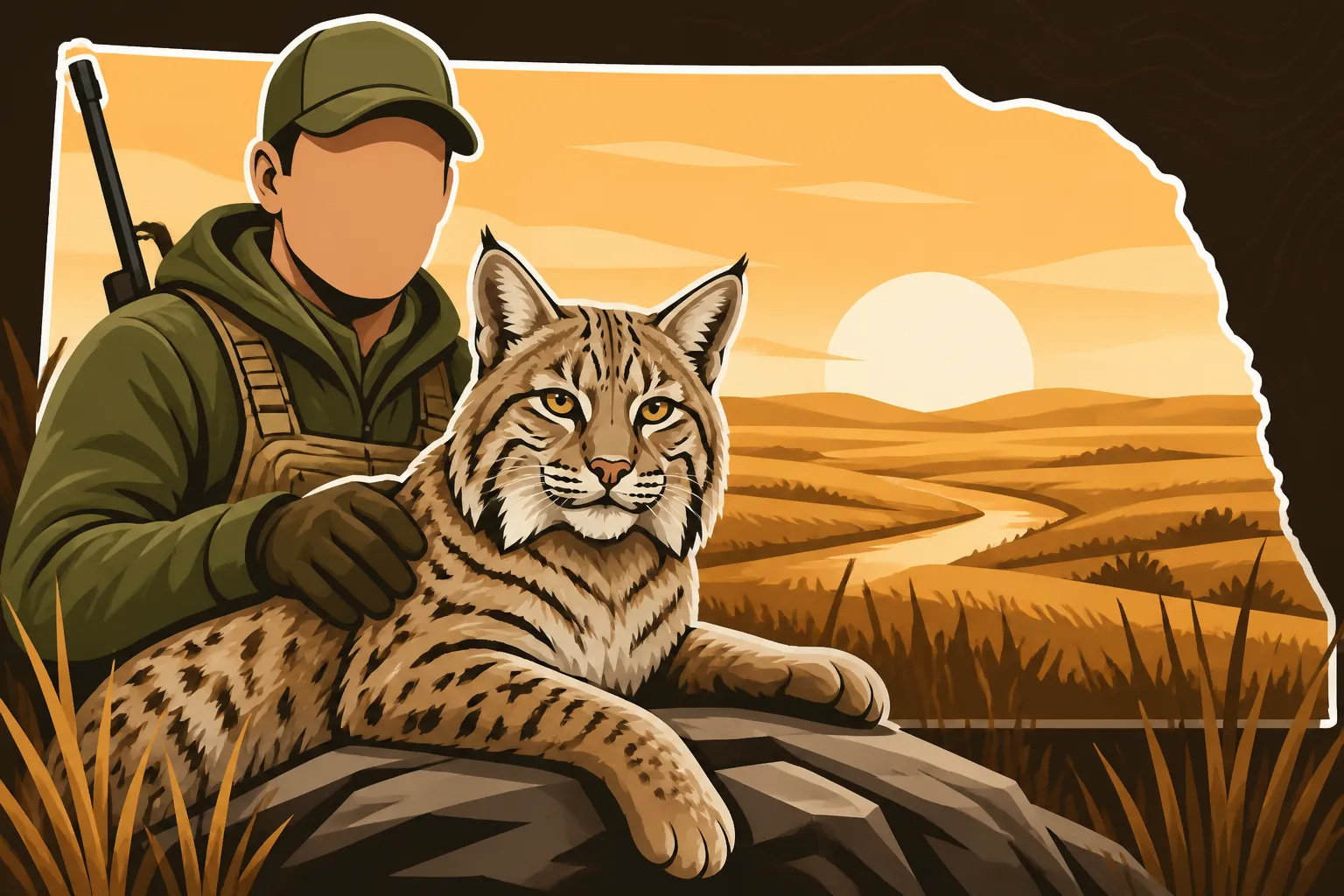
Many hunters and trappers across Nebraska find themselves drawn to the challenge of the bobcat. These elusive felines are shrouded in a certain mystique, often heard about more than they are seen, making their successful harvest a true badge of honor. This comprehensive guide will delve into the world of bobcat hunting and trapping in the Cornhusker State, exploring their behavior, the specific regulations you need to navigate, and the common methods used to pursue them, all while emphasizing responsible and ethical practices.
The Allure and Elusiveness of Nebraska Bobcats
There’s something truly captivating about a bobcat. Their secretive nature, striking appearance, and predatory prowess make them a sought-after species for both hunters and trappers. But don't let their allure fool you; successfully pursuing a bobcat in Nebraska is far from a walk in the park. It demands patience, keen observation, and a deep understanding of their habits.
Understanding Bobcat Behavior in Nebraska
Nebraska's bobcats are incredibly adaptable creatures, found in a variety of habitats across the state, though they tend to favor areas with dense cover, broken terrain, and ample prey. Think brushy draws, rocky bluffs, timbered river bottoms, and even the fringes of agricultural fields where they can find rodents, rabbits, and birds. They are primarily nocturnal, meaning much of their activity occurs under the cloak of darkness, which adds significantly to the challenge of encountering them during daylight hours.
Their home ranges can vary widely depending on food availability and habitat quality. A male bobcat might roam a much larger area than a female with kittens, constantly on the move, making them incredibly difficult to pattern. They are masters of camouflage, blending seamlessly into their surroundings, and their stealthy movements mean you're more likely to see tracks or scat than the animal itself. This inherent elusiveness is a major reason why many predator callers find their patience tested when targeting bobcats – they simply don't come rushing in like a coyote might.
Why Hunters and Trappers Pursue Bobcats
For many, the pursuit of a Nebraska bobcat is about the ultimate challenge. It's not about filling the freezer, but rather about the intellectual game, the skill involved in outsmarting an animal so perfectly adapted to its environment. The beautiful, spotted pelt of a bobcat is also highly prized. Historically, and still to some extent today, the fur market has driven interest in bobcat harvest. A prime, well-handled bobcat pelt can be a valuable commodity, though market prices fluctuate significantly.
Beyond the challenge and the fur, some hunters view bobcat harvest as a form of predator management. While bobcats are native predators and play a vital role in maintaining healthy ecosystems by keeping prey populations in check, their presence can sometimes impact game species like turkeys or deer fawns, leading some to seek them out. However, it’s important to remember that general predator control is rarely the primary driver for widespread bobcat harvest; it's almost always a specialized pursuit focused on the individual animal's challenge and value.
Regulations and Season Structure for Bobcat Harvest
Navigating the regulations for bobcat harvest in Nebraska can feel a bit like reading a legal textbook, and it's absolutely critical to get it right. Bobcats are classified as furbearers, which means they fall under a specific set of rules that combine elements of both hunting and trapping seasons. These rules are designed to ensure sustainable populations and ethical practices, so understanding them is your first and most important step.
Overview of Nebraska's Bobcat Seasons
Nebraska typically offers both hunting and trapping seasons for bobcats. These seasons usually begin in the fall and extend into the winter months, aligning with the period when their pelts are prime and most valuable. However, the specific opening and closing dates, as well as the methods allowed, can differ significantly between hunting and trapping. For instance, the hunting season might allow for pursuit with firearms, archery equipment, or even dogs during certain periods, while the trapping season focuses on specific trap types and checks.
It’s not uncommon for the hunting and trapping seasons to overlap, but you must always adhere to the specific rules of the method you are employing. For example, if you are hunting, you must follow hunting regulations regarding legal shooting hours and equipment, even if the trapping season is also open. Always make it a habit to consult the latest Nebraska game and parks regulations. Don’t rely on old information, because these things can and do change. Websites like GoHunt often provide aggregated information, but always double-check with the official state resources.
Permit Requirements and Tagging
This is where many newcomers to bobcat harvest can get tripped up. It’s not just a matter of having a general hunting permit. To legally hunt or trap bobcats in Nebraska, you'll need a combination of permits and stamps. Generally, this includes a valid Nebraska Hunt Permit and a Nebraska Furbearer Permit. Additionally, a Nebraska Habitat Stamp is required for nearly all hunting and trapping activities in the state. If you're a nonresident, the costs and specific permit types might vary, so it's even more crucial to do your homework. Check out Nebraska Habitat Stamp Requirements for more details on that essential stamp.
Perhaps the most critical aspect of bobcat harvest is the mandatory tagging and reporting process. Unlike some other game animals, bobcats usually require a specific pelt tag issued by the state. This tag must be attached to the pelt shortly after harvest and typically accompanies the pelt until it is sold or processed. There's often a strict timeframe for reporting your harvest and obtaining this tag, which might involve presenting the entire carcass (or at least the head) to a conservation officer or designated check station. This data helps wildlife agencies monitor bobcat populations and make informed management decisions. Failing to follow these tagging and reporting rules can lead to significant penalties, so make sure you understand every detail before you head afield.
Common Methods for Bobcat Harvest in Nebraska
Given the bobcat's secretive nature, successfully harvesting one requires a tailored approach. Whether you prefer the active pursuit of hunting or the strategic placement of trapping, each method comes with its own set of challenges and rewards. Both require a good understanding of bobcat habits and the terrain they call home.
Hunting Tactics for Elusive Bobcats
Hunting bobcats typically revolves around calling, especially during the colder months when their fur is thick and valuable. Electronic callers loaded with distress sounds – rabbit in distress, fawn bleats, or even bird sounds – are incredibly effective. However, bobcats can be notoriously finicky. They might approach cautiously, often circling downwind to get a whiff of the source before committing. This means setting up with the wind in mind, preferably with good cover to break up your silhouette, is paramount. Predator Calling on the Nebraska Plains offers excellent insights that apply well to bobcats.
Another tactic is still-hunting, especially in areas known for bobcat activity like dense cedar thickets or rugged river bottoms. This involves moving slowly, pausing frequently to scan for movement or listen for subtle sounds. This method demands immense patience and a keen eye, as spotting a bobcat before it spots you is a significant feat. Scouting beforehand is vital; look for tracks, scat, and areas with high prey density. Learning to read the terrain, like understanding Reading Sign on a Nebraska Sandhills Two-Track, can make a huge difference in your success rate. Remember that bobcats are most active at dawn and dusk, so planning your movements around these times can increase your odds. If you're considering hunting at night, be sure to thoroughly understand Night Hunting Rules for Predators in Nebraska.
Trapping Strategies and Considerations
Trapping is often the more consistent method for harvesting bobcats due to their nocturnal habits and extensive wanderings. Foothold traps, particularly those designed for canines, are commonly used, set along travel corridors, pinch points, or near areas of high prey concentration. Snares can also be effective in specific situations, provided they are set legally and ethically, usually in conjunction with specific furbearer regulations. Raccoon and Furbearer Trapping Seasons will give you a better understanding of the wider furbearer context.
The art of bobcat trapping lies in the details: subtle sets, natural-looking bait or lure placements, and meticulous scent control. Bobcats are highly sensitive to human odor and will often shy away from anything that seems out of place. Many trappers use specialized bobcat lures or urine, often combined with visual attractants like feathers or shiny objects. These sets are often placed in natural funnels, along game trails, or near features that draw the bobcat's curiosity. Consistent trap checks are essential for ethical trapping, ensuring animals are not left in traps for extended periods. When you're out there setting traps or scouting for game, a solid tool like GoHunt or similar mapping applications can be invaluable for identifying potential hotspots and property lines.
Here's a quick comparison of common harvest methods:
| Method | Primary Advantage | Primary Challenge | Best Suited For |
|---|---|---|---|
| Hunting | Active, direct engagement; no trap lines to check | Extreme patience; bobcats are highly elusive | Hunters who enjoy calling and stalking; limited time |
| Trapping | More consistent success rate; works 24/7 | Requires significant knowledge of trap setting, regulations, and ethics | Trappers with experience and dedication to daily checks |
Ethical Considerations and Conservation
As with any interaction with wildlife, the harvest of bobcats comes with a profound responsibility. Ethical conduct, adherence to regulations, and an understanding of the species' role in the ecosystem are paramount for ensuring both a healthy bobcat population and a positive public perception of hunting and trapping.
Responsible Harvest and Wildlife Management
Responsible harvest means more than just following the letter of the law; it’s about conducting yourself in a manner that respects the animal and the resource. This includes making clean, humane shots when hunting and using appropriate traps and checking them frequently when trapping. It also means taking only what you need and making the most of your harvest, whether it's the pelt or any other usable parts.
Contributing to wildlife management efforts is another critical component. When you report your bobcat harvest accurately and promptly, you're providing vital data to the Nebraska Game and Parks Commission. This information helps them monitor population trends, assess the health of the species, and make informed decisions about season lengths and bag limits in the future. Remember, these wildlife professionals are working to ensure that species like those highlighted in Nebraska Predators and Furbearers thrive for generations to come. Your participation in data collection is a direct investment in the future of bobcat hunting and trapping.
The Role of Bobcats in the Ecosystem
Bobcats are not just elusive targets; they are integral components of Nebraska's natural ecosystems. As apex predators in many of their habitats, they play a crucial role in regulating populations of small mammals, birds, and even deer fawns. By preying on the weak and sick, they help maintain healthy prey populations, contributing to overall ecosystem balance.
While local populations can fluctuate due to habitat changes, prey availability, and even disease, bobcats generally maintain stable numbers across much of Nebraska. Their adaptability allows them to persist even in areas with some human development. Understanding their ecological significance helps put the act of harvest into perspective, reinforcing the need for responsible and sustainable practices. The goal is always to manage for healthy, thriving populations, ensuring these fascinating felines continue to roam the varied landscapes of Nebraska for years to come.
Disclaimer
This article is for general informational purposes only and does not constitute professional advice. Laws, prices and regulations vary by location and change over time. Consult a qualified professional for guidance on your specific situation.