Canada Goose Growth in Nebraska
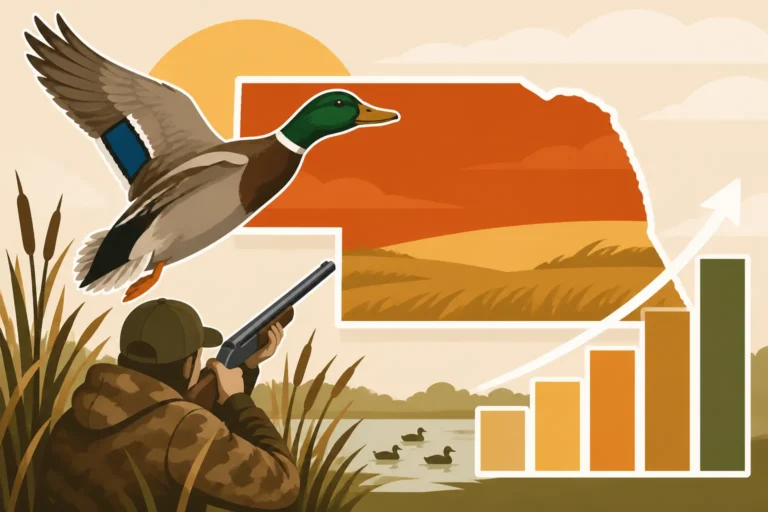
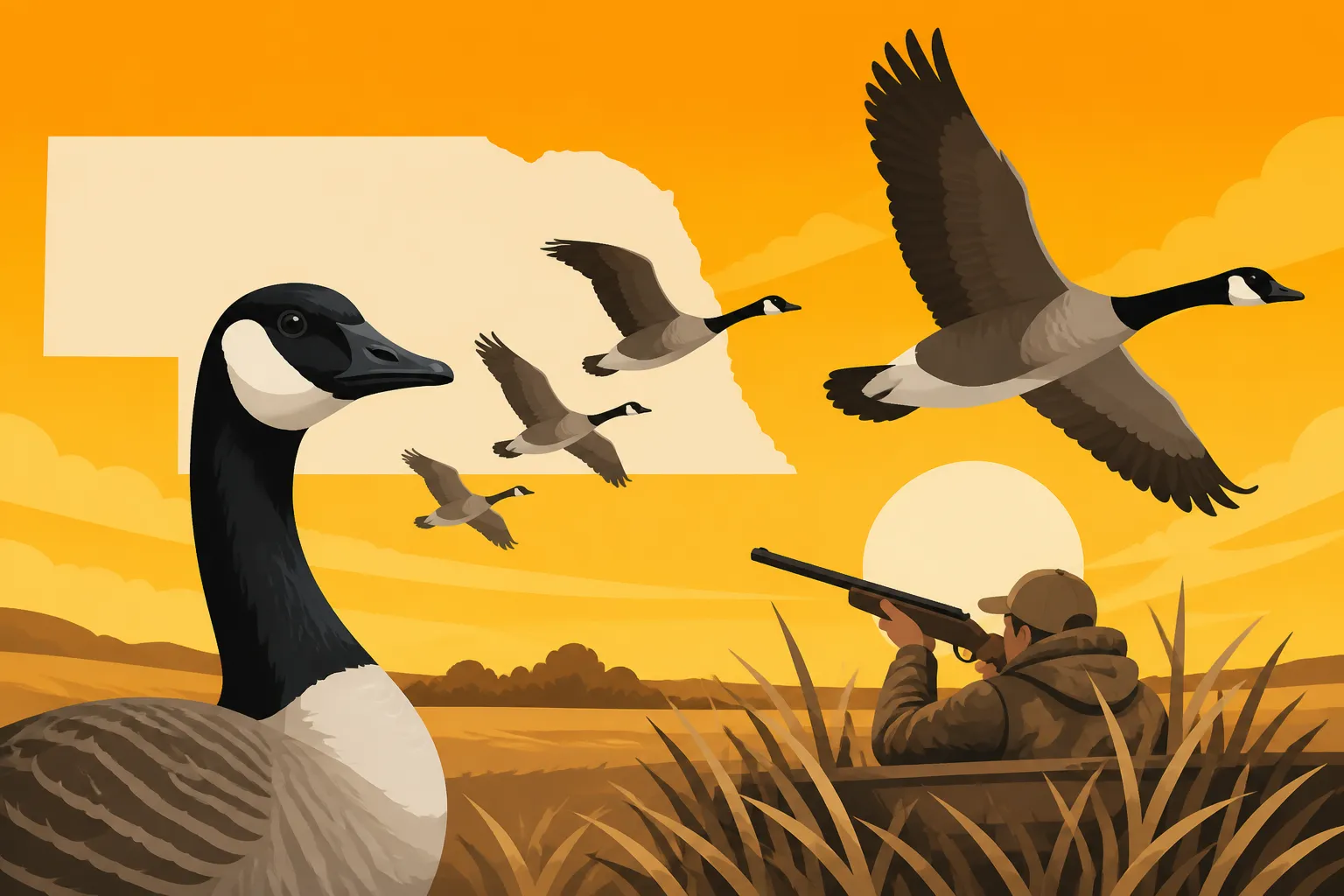
Canada geese are an undeniable presence across Nebraska, from the largest reservoirs to urban parks and vast agricultural fields. For many years, hunters have watched their numbers swell, sometimes with awe at their sheer abundance, other times with frustration over the challenges these growing populations present. This guide will dive deep into the fascinating story of Canada goose growth in Nebraska, exploring the reasons behind their proliferation and what it means for hunters and wildlife management alike.
The Remarkable Resurgence of Canada Geese in Nebraska
For generations, the sight and sound of Canada geese have been synonymous with autumn and spring migrations across Nebraska. However, the goose population we see today is vastly different from what our grandparents encountered. There was a time when certain subspecies of Canada geese were thought to be extinct, or their numbers were so critically low that hunting seasons were heavily restricted or closed entirely. It's a testament to incredible conservation efforts and the adaptability of these birds that we now witness such thriving populations.
This resurgence isn't just about the massive migratory flocks passing through our state on their journey along the Central Flyway; it's also profoundly influenced by a growing contingent of resident geese. These are the birds that choose to live and breed within Nebraska's borders year-round, often in close proximity to human activity. Their presence has shifted the landscape of goose hunting, offering different opportunities and presenting new management considerations that were less prevalent decades ago. The story of Waterfowl of the Central Flyway in Nebraska is incomplete without discussing the Canada goose.
The increase in Canada geese hasn't been a steady, linear climb. It's been a dynamic process, influenced by changing land use, hunting regulations, and the birds' own remarkable ability to adapt to diverse environments. From small, localized flocks, we've seen an explosion that has redefined the term "nuisance wildlife" in some areas, while providing incredible hunting prospects in others. Understanding this historical trajectory is key to appreciating the current state of goose hunting in the Cornhusker State.
Factors Fueling the Population Boom
So, what exactly has led to this phenomenal growth? It's a combination of several interconnected factors, creating a perfect storm for Canada goose proliferation. At the heart of it is their incredible adaptability and a landscape that has become increasingly hospitable, even if unintentionally, to their way of life.
One of the most significant factors is the abundance of suitable habitat. Nebraska, with its myriad of lakes, rivers, farm ponds, and even urban retention basins, provides ideal nesting and rearing grounds. Unlike some species that require pristine wilderness, Canada geese are remarkably comfortable nesting near human development. They find safety in park settings, golf courses, and even industrial complexes where predators might be less prevalent and food sources readily available. This access to secure nesting sites drastically improves gosling survival rates, which in turn fuels population growth.
The agricultural bounty of Nebraska also plays a crucial role. Waste grain in harvested cornfields and other agricultural residues offer an almost unlimited food source, particularly during fall and winter. This readily available, high-energy diet supports large flocks, allowing birds to maintain excellent body condition for nesting and migration. Even in urban environments, manicured lawns and supplemental feeding by well-meaning (but misguided) citizens provide constant nutrition. This rich food supply minimizes winter mortality and ensures a healthier breeding population each spring.
Finally, reduced predation pressure in urban and suburban areas, combined with relatively low hunting pressure on resident flocks in some locales, has given these birds a significant edge. While migratory geese face intense pressure along the flyway, local populations often reside in areas where hunting is restricted or difficult. This allows many birds to live out their full lifespan, producing numerous broods over the years. This confluence of factors has resulted in an ecological success story, albeit one that requires careful management from wildlife agencies and hunters alike.
Understanding the Different Flavors of Nebraska Geese: Resident vs. Migratory
It's easy to see a Canada goose and assume they're all the same, but for hunters in Nebraska, understanding the distinction between resident and migratory populations is absolutely vital. These two groups, while genetically similar, exhibit different behaviors, migratory patterns, and even respond differently to hunting pressure. A successful goose hunter knows the nuances that separate the local birds from those passing through.
Migratory Canada geese are the traditional travelers we often associate with impressive V-formations high in the sky. These birds breed further north, often in the Canadian prairies or Arctic tundra, and utilize Nebraska as a critical stopover point during their journeys south in fall and north in spring. They are driven by instinct to cover vast distances, following ancient flyways and congregating in large numbers on major reservoirs and river systems like the Platte. Their arrival and departure are often dictated by weather patterns and the progression of seasons further north, and they can offer phenomenal hunting when they are in force.
Resident Canada geese, on the other hand, are the local birds that have chosen to make Nebraska their permanent home. They nest and raise their young here, often displaying a remarkable tolerance for human presence, nesting on golf courses, city parks, and farm ponds. These birds are less inclined to undertake long-distance migrations, though some may make shorter, localized movements in response to food availability or extreme weather. Their numbers have swelled considerably, presenting both new hunting opportunities – often in areas traditionally less associated with goose hunting – and management challenges, especially in urban environments where they can become quite numerous.
Distinguishing between these populations isn't always straightforward in the field, but generally, migratory birds tend to be wilder and more wary, especially after encountering hunting pressure down the flyway. Resident birds, while still challenging, can sometimes be patterned to local food sources and roosting areas with more predictability. Knowing which type of goose you're primarily targeting will greatly influence your scouting efforts and your choice of Decoy Spreads for Rainwater Basin Geese or whether you're working a smaller farm pond.
| Characteristic | Resident Canada Geese | Migratory Canada Geese |
|---|---|---|
| Breeding Grounds | Primarily Nebraska and surrounding states | Northern U.S. states, Canadian prairies, Arctic |
| Migration | Minimal, localized movements in winter | Long-distance north-south flights |
| Habitat Focus | Urban/suburban ponds, farm ponds, smaller lakes | Large reservoirs, major river systems, grain fields |
| Wariness (Avg.) | Can be more tolerant of human presence | Generally warier, especially after hunting pressure |
| Hunting Seasons | Often targeted during early "nuisance" seasons | Targeted during general waterfowl seasons |
| Primary Food | Grass, waste grain, urban handouts | Waste grain, aquatic vegetation |
Hunting Implications and Management Challenges of Growing Populations
The thriving Canada goose population in Nebraska presents a fascinating paradox for hunters and wildlife managers. On one hand, it's a conservation success story that offers abundant hunting opportunities. On the other, it introduces new complexities in managing a species that sometimes thrives almost too well, leading to crop damage, public health concerns, and challenges in maintaining hunting traditions.
For hunters, the sheer numbers of geese mean more potential days afield and higher bag limits in many zones, particularly for Canada geese, compared to other waterfowl. This is especially true for those targeting resident populations, which often fall under special early seasons designed to help manage their numbers before the main migratory flocks arrive. These early seasons can be a fantastic way to extend your time in the blind. Knowing Nebraska Goose Units and Dates is critical to understanding these varied opportunities.
However, hunting pressure on these abundant birds can be intense, particularly on public land. Hunters must adapt their strategies, paying meticulous attention to scouting and understanding local bird movements. This is where tools like GoHunt can be incredibly useful, allowing you to map out potential hunting spots, understand land ownership, and identify areas with less pressure. Understanding Reading Roost-to-Field Flight Lines is essential for setting up successful decoy spreads, whether you're targeting birds in a harvested cornfield or along a river bottom.
The increasing prevalence of resident geese also means hunters need to be especially mindful of local regulations and ethical considerations. Many resident flocks spend significant time near urban centers or private property where hunting is not permitted. Access to these birds often requires obtaining specific permission from landowners, and respecting those boundaries is paramount to maintaining a positive public image for hunters. Additionally, the availability of specialized gear, like effective Layout Blinds for Nebraska Cut Corn and realistic decoys, becomes even more important when dealing with educated birds. Hunters also need to be aware of regulations like those covered in Nebraska Duck Zones and Split Seasons to ensure they are legal and ethical.
From a management perspective, wildlife agencies face the ongoing challenge of balancing public enjoyment, agricultural damage control, and sustainable harvest. They use various tools, from hunting seasons and bag limits to population surveys and habitat management, to keep goose numbers in check. The goals often include reducing depredation on agricultural crops, mitigating human-wildlife conflicts in urban areas, and ensuring healthy, robust populations for future generations of hunters and wildlife enthusiasts. Hunters play a vital role in this by participating in seasons and reporting harvests accurately, contributing to the data used for these management decisions. This also includes participating in initiatives like the Hunting the Light Goose Conservation Order.
Optimizing Your Hunt: Tactics for Nebraska's Geese
Hunting Canada geese in Nebraska, whether you're chasing early-season resident birds or late-season migrants, demands a blend of strategy, scouting, and the right gear. Given the growing populations, the opportunities are there, but so is the need for effective tactics to consistently bring birds into range. It's not always as simple as tossing out a few decoys and hoping for the best; these birds get smart quickly.
First and foremost, scouting is king. You need to know where the geese are feeding, where they're roosting, and the flight paths they use to travel between these locations. This often means spending time driving backroads before sunrise and around sunset, glassing fields and water bodies. Look for large concentrations of birds, paying attention to the specific fields they prefer. Don't be afraid to knock on doors to secure permission on private land, especially if you find a hot field. Apps or websites like GoHunt can help identify land ownership, making the process of asking for permission a bit smoother.
Your decoy spread is another critical component. For Setting a Goose Spread in Harvested Corn, realism and numbers often make a difference, particularly for wary migratory birds. Full-body decoys generally offer the most realistic presentation, but shell decoys or even silhouettes can be effective, especially when paired with movement. Consider adding a few feeder decoys mixed with sentinels to mimic a relaxed flock. The size of your spread can vary from a small, intimate setup for resident birds on a pond to hundreds of decoys in a large field spread for migrants. The choice between Full-Body Versus Shell Decoys often comes down to budget and portability.
Concealment is non-negotiable. Geese have incredible eyesight. Whether you're in a layout blind, a pit blind, or a brushed-in ground blind, you must be perfectly hidden. Match your blind material to the surrounding environment – stubble for cornfields, natural vegetation for field edges. Even a slight silhouette or an unnatural shape can flare incoming birds. Pay attention to the sun's position and wind direction, as birds will typically finish into the wind. Your calling needs to be realistic and responsive to the birds' behavior. Good Goose Calls for Open Prairie can be incredibly effective when used correctly, but knowing when to call and when to be quiet is often more important than the call itself. A good rule of thumb is to start soft and build intensity as birds get closer, easing off as they commit.
Finally, don't overlook safety and regulations. Always identify your target clearly and be absolutely certain of your shot. Be aware of non-toxic shot requirements, especially on public lands or close to water, which are standard for Field Hunting Geese in Nebraska's Rainwater Basin. The increased goose population often leads to generous bag limits, but always know your daily limit and possession limit. And remember, the Federal Duck Stamp is a vital purchase for all waterfowl hunters, directly funding habitat conservation. You also need to meet the Nebraska HIP Registration Requirement before heading afield.
Disclaimer
This article is for general informational purposes only and does not constitute professional advice. Laws, prices and regulations vary by location and change over time. Consult a qualified professional for guidance on your specific situation.