Goose Calls for Open Prairie
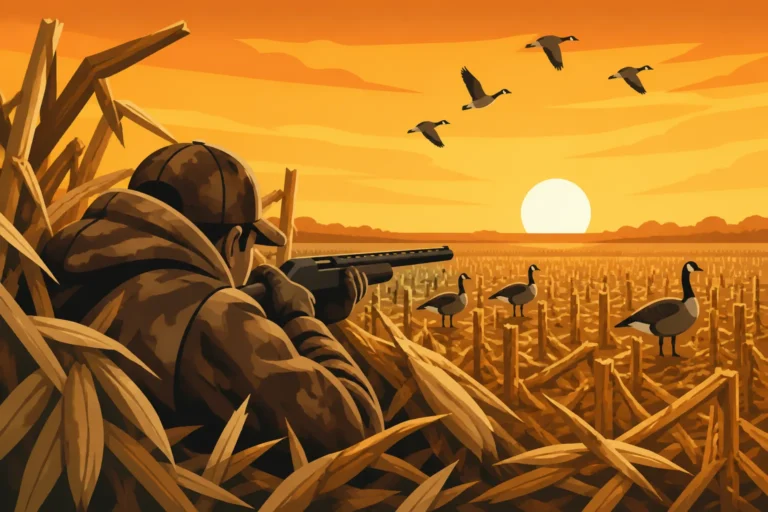
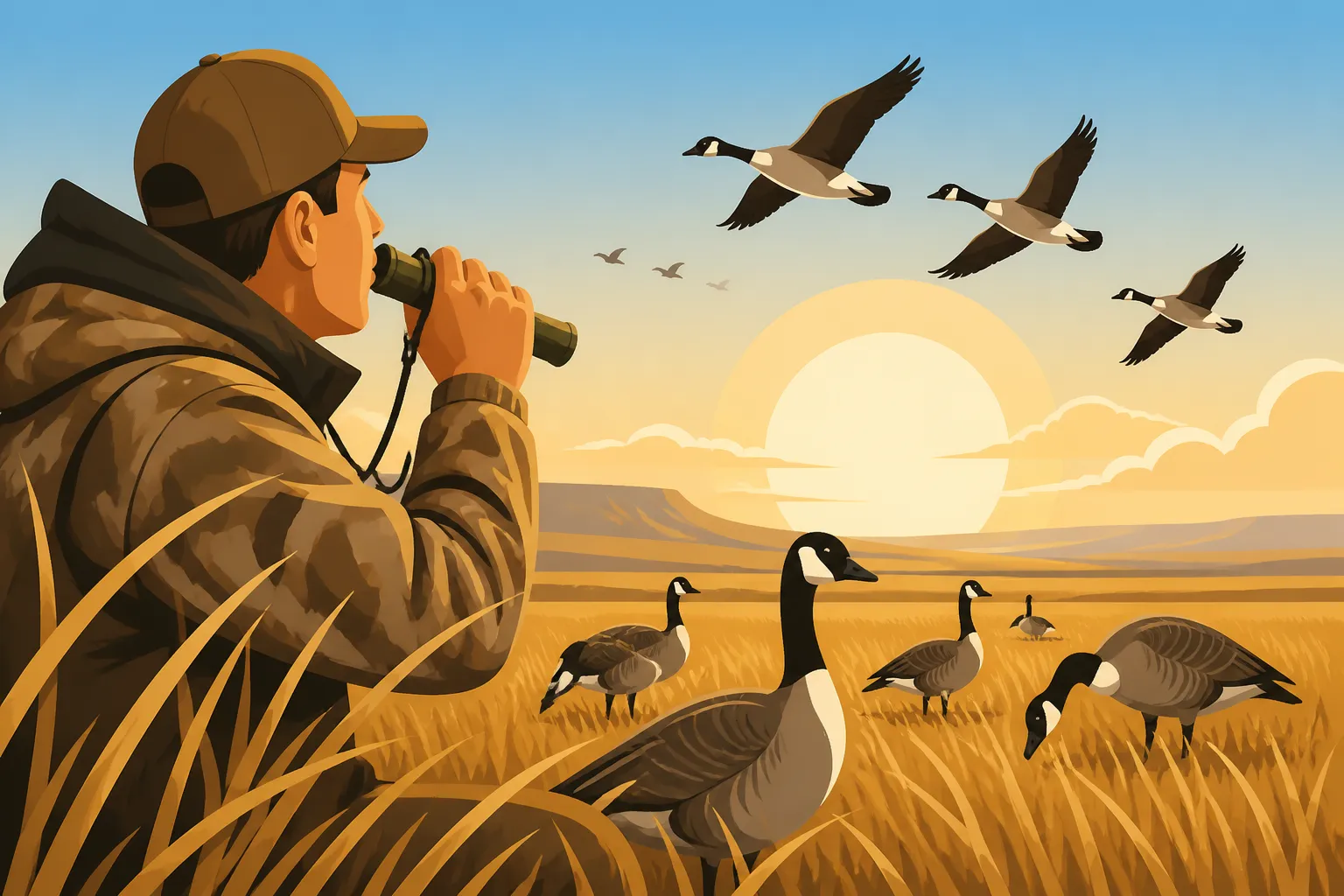
Hunting geese on the vast, open prairies of Nebraska presents a unique set of challenges. It's not like calling ducks in a timber hole or turkeys in a river bottom; you're often exposed, the wind is relentless, and birds can spot you from miles away. This guide will walk you through the nuances of selecting and using goose calls specifically tailored for these expansive landscapes, helping you cut through the wind and bring those wary birds into range.
The Unique Challenges of Calling Geese on Open Prairie
If you've spent any time chasing geese across Nebraska's open fields, you know it's a completely different ballgame than hunting smaller, more confined areas. The sheer scale of the landscape changes everything, from how far you can see birds to how far they can hear (and pinpoint) your calls.
Why Open Country is Different
The first thing that hits you on the open prairie is the lack of cover. Unlike river bottoms or timbered areas where trees and terrain can break up the line of sight and funnel birds, the open plains offer little concealment. Geese have an incredible vantage point from the sky, and they've evolved to be incredibly wary of anything out of place. This means your hide needs to be top-notch, but more importantly for calling, it means the sound of your call has to travel effectively without giving away your exact position too early.
Wind is another massive factor. Nebraska is known for its persistent winds, and these aren't just minor breezes. A strong prairie wind can carry your call a long way in one direction, but it can also utterly obliterate it in another. It makes gauging distance and direction incredibly difficult, both for you and for the approaching birds. You might be putting out some fantastic sounds, but if the wind is ripping, those subtle clucks and moans might never reach the birds you're targeting. Conversely, a powerful, high-volume call might get their attention from a mile out, but if it sounds unnatural or too aggressive, they'll flare before you even get a shot. Understanding how wind interacts with your call and sound projection is critical.
Species-Specific Considerations
While Nebraska offers opportunities for various waterfowl, when we talk about hunting geese on the open prairie, we're primarily focused on Canada Geese, with some opportunities for light geese during their conservation order. Each species, and even subspecies of Canada Geese, has slightly different vocalizations and reactions to calling. The big Canada Geese that frequent the cornfields and stubble of the Platte River valley or the Rainwater Basin are smart, highly educated birds. They've heard every call in the book, and they've survived many hunting seasons by being extremely cautious.
Their vocalizations range from deep, guttural honks to soft murmurs and clucks. A convincing caller needs to be able to replicate these sounds with precision and emotion. For Canada Geese in Nebraska, understanding their patterns and communication is paramount. Light geese, like snow geese and Ross's geese, are a different beast entirely. They travel in massive flocks, and their vocalizations are a cacophony of high-pitched gabbling and yelps. While electronic calls are typically legal for Hunting the Light Goose Conservation Order, trying to hand-call thousands of birds with traditional calls on the open prairie is often an exercise in futility outside of very specific scenarios. For this article, we'll primarily focus on the more challenging task of calling Canada Geese effectively with traditional calls in open environments.
Understanding Different Types of Goose Calls
Choosing the right tool for the job is half the battle, and goose calls are no exception. Just like you wouldn't use a wrench to hammer a nail, you wouldn't use every goose call in every situation. For the open prairie, where visibility is endless and sound travels far, specific call types tend to shine.
Short-Reed Calls
Short-reed calls are the undisputed kings for Canada Goose hunting, especially in situations where realism and a wide range of vocalizations are crucial. These calls are designed to mimic the natural sounds of Canada Geese—from deep honks and growls to soft clucks and feeding murmurs—with incredible fidelity. The "short reed" refers to the design, where a shorter reed allows for more back-pressure and control over the sound.
On the open prairie, the versatility of a short-reed call is invaluable. You can push a lot of air through them to create loud, attention-grabbing hail calls that carry across vast distances, which is essential when birds are specks on the horizon. But just as importantly, you can finesse them down to quiet clucks and moans when birds are close and scrutinizing your spread. This dynamic range is critical because geese will often respond to a loud call from far off, but as they get closer, they'll be listening for realistic, reassuring chatter to convince them to commit. The downside for some newcomers is that short-reeds have a steeper learning curve than some other call types, requiring more practice to achieve consistent, realistic sounds.
Flute Calls
Flute calls, often called "long-reed" calls by some, are generally easier to learn and operate than short-reed calls. They produce a deeper, often more hollow-sounding honk and are excellent for reproducing the distinct honk of larger Canada Geese. For hunters who are just starting out or prefer a more straightforward call, flutes can be a good entry point. They can certainly get the attention of distant birds with their robust honks.
However, the range of sounds you can produce with a flute call is usually more limited compared to a short-reed. Achieving those subtle clucks, moans, and aggressive growls can be challenging, if not impossible, with many flute designs. In the hyper-pressured world of modern goose hunting, particularly on the open prairie where birds have ample time to scrutinize every detail, that lack of versatility can sometimes mean the difference between a bird committing and a bird flaring. While a flute call can be a good backup or a starting point, most seasoned goose hunters on the open prairie will eventually gravitate towards a short-reed for its superior realism and adaptability.
Electronic Calls
It's important to mention electronic calls, but with a significant caveat: they are generally not legal for hunting Canada Geese or other regular-season waterfowl. The primary exception to this rule is during specific conservation orders, most notably the Spring Light Goose Conservation Order. During this special season, hunters are allowed to use electronic calls to help manage the overpopulation of snow geese and Ross's geese.
For this specific scenario, electronic calls can be incredibly effective, capable of blasting out the chaotic, high-volume gabble of thousands of light geese. When used legally, they eliminate the need for manual calling and can be a potent tool when targeting vast flocks of light geese during their migration through Nebraska. However, always double-check the current regulations for any species you are hunting, as laws surrounding electronic calls can change and vary by state and season. For the general Canada Goose seasons, stick to your traditional mouth calls. This is where your skill with a short-reed really pays off, especially if you're chasing them across cut cornfields as described in Decoy Spreads for Rainwater Basin Geese or Setting a Goose Spread in Harvested Corn.
Mastering the Art of Calling for Open Prairie Hunting
Owning a good call is only the first step; learning to wield it effectively on the open prairie is where the real skill comes in. It's about more than just making noise; it's about communicating with the birds, understanding their language, and using that knowledge to your advantage.
Volume and Projection: Cutting Through the Wind
On the open prairie, sound projection is paramount. The wind, as mentioned earlier, is your constant companion and often your adversary. You need a call that can produce significant volume, but also the skill to harness that volume. Start with your hail call—a loud, drawn-out series of honks designed to grab attention from great distances. When you see birds that are mere dots on the horizon, or even if you haven't seen them yet but suspect they might be flying high, a strong hail call is your first offering. It's like shouting across a football field to get someone's attention.
To achieve maximum volume and projection with a short-reed call, you need to use your diaphragm, not just your cheeks. Think of pushing air from deep in your lungs, creating a powerful, sustained flow of air through the call. This gives your honks depth and resonance, helping them cut through the prairie wind. Remember to angle your call into the wind if possible, allowing the breeze to carry the sound further downwind towards the birds. However, as birds get closer, you must quickly transition to softer, more reassuring calls. Over-calling or maintaining high volume when geese are within 200 yards will often result in them flaring. It's a delicate dance: loud to get attention, then softer and more realistic to seal the deal. Learning to read Reading Roost-to-Field Flight Lines can help you anticipate when to start your calling sequence.
Realistic Sounds and Cadence
Volume without realism is just noise, and smart geese will quickly ignore it. Your goal isn't just to make goose sounds, but to make sounds that convince them they're hearing happy, content geese. The core vocalizations of Canada Geese include the honk (a basic attention-getter), the cluck (a shorter, sharper sound often indicating contentment or communication within a flock), and the moan (a longer, often softer sound, sometimes used during feeding or when birds are resting).
The key is to combine these into realistic cadences. Start with a series of attention-grabbing honks (a hail call) for distant birds. As they turn and head your way, switch to a greeting call—a series of varied honks and clucks that sound welcoming. When they're circling, considering your spread, you need pleading calls, which might be a mix of clucks, moans, and softer honks, sounding eager but not desperate. Once they commit and start to drop their feet, switch to soft, contented feeding clucks and moans. This entire sequence needs to flow naturally. Practice listening to real geese in the field, or find high-quality recordings, to internalize these cadences. Many hunters find resources like GoHunt helpful for learning about gear and tactics, which often includes insights into effective calling strategies.
Practice, Practice, Practice
There's no shortcut to becoming a good goose caller. It takes consistent, dedicated practice. You wouldn't expect to hit a target without shooting practice, and calling is no different. Start by practicing in front of a mirror to watch your embouchure and ensure you're using proper air control. Focus on isolating individual sounds first—a clean honk, a sharp cluck, a smooth moan. Once you've mastered the individual notes, begin combining them into sequences.
Practice often with your hunting partners. Calling is a team sport, especially on the open prairie. One caller might be better at hail calls, another at close-in chatter. Coordinate your calling efforts so you don't over-call or sound like an unnatural cacophony. Record yourself and play it back; it's often an eye-opening experience that reveals subtle flaws you might not notice in the moment. The more you practice, the more muscle memory you build, and the more natural and instinctive your calling will become under pressure when those wary Canada Geese are finally working your Layout Blinds for Nebraska Cut Corn.
Choosing the Right Goose Call for Nebraska's Open Country
Selecting the right goose call is a personal decision, much like choosing your favorite rifle or shotgun. What works for one hunter might not feel right for another. However, for the specific demands of Nebraska's open prairie, certain features and call types tend to perform better.
Factors to Consider: Material, Price, and Durability
Goose calls come in a variety of materials, each with its own characteristics. Acrylic calls are generally the most popular for serious goose hunters. They produce a sharp, crisp sound, are extremely durable, and hold their tune well in varying weather conditions. While they tend to be more expensive, their performance and longevity often justify the investment, especially when you're relying on them to project sound across miles of open field.
Polycarbonate (often referred to as poly) calls are a more budget-friendly option. They are also durable and can produce good sounds, though they might not have the same crispness or range as a high-end acrylic. For a beginner or someone on a tighter budget, a quality poly call can be an excellent choice. Wood calls, while beautiful and often producing a rich, warm tone, can be more susceptible to changes in humidity and temperature, potentially affecting their performance in the harsh, dry, or wet conditions of a Nebraska fall or winter.
Durability is a key factor when you're hunting in the field. Your call will get bumped, dropped, and exposed to all sorts of weather. A call that can withstand the rigors of frequent use is essential. Consider how easily the call can be disassembled for cleaning and maintenance, as well-maintained calls perform better and last longer.
Recommended Call Styles for Open Prairie
For hunting Canada Geese on Nebraska's open prairie, a short-reed call is almost universally recommended by experienced hunters. Look for models known for their volume, clear tone, and versatility. Some calls are designed with a slightly larger bore or specific tone board configurations to maximize projection, making them ideal for cutting through that notorious Nebraska wind.
When you're shopping, don't be afraid to try out different calls if possible. Hold them, feel how they fit your hands, and listen to the sounds they produce. What sounds good in a store might feel different in the field, so prioritize calls that are comfortable and responsive. While I can't name specific models or prices, researching reputable call makers who specialize in competition-grade or high-performance short-reed calls will point you in the right direction. Many online hunting communities and platforms, including those focused on gear reviews like some aspects of GoHunt, often have discussions about which calls excel in open country.
Accessorizing Your Call Lanyard
Your goose call isn't an island; it's part of a system. A good call lanyard is essential to keep your calls secure, easily accessible, and prevent them from getting lost in the field. Look for lanyards that are durable, comfortable around your neck, and have multiple drops so you can carry several calls. Many hunters carry at least two short-reed calls: one that might be a bit louder for distant birds, and another that excels at quiet, realistic finishing sounds.
It's also a good idea to carry spare reeds and a tuning kit if you're comfortable with adjusting your calls. Reeds can wear out or get damaged, and having replacements can save a hunt. Keeping your calls clean is vital for optimal performance. Dirt, moisture, and saliva can build up, causing reeds to stick or calls to sound flat. Regularly disassemble and clean your calls according to the manufacturer's instructions. A well-maintained call will always perform better, last longer, and help you lure in more geese from the vast expanses of the Nebraska prairie. Don't forget other essential Waterfowl Gear for Nebraska Fields and Wetlands like warm, wind-blocking Clothing for Nebraska Wind and Cold, and sturdy Boots for Walking Nebraska Grass and Sand.
Disclaimer
This article is for general informational purposes only and does not constitute professional advice. Laws, prices and regulations vary by location and change over time. Consult a qualified professional for guidance on your specific situation.