Field Hunting Geese in Nebraska’s Rainwater Basin
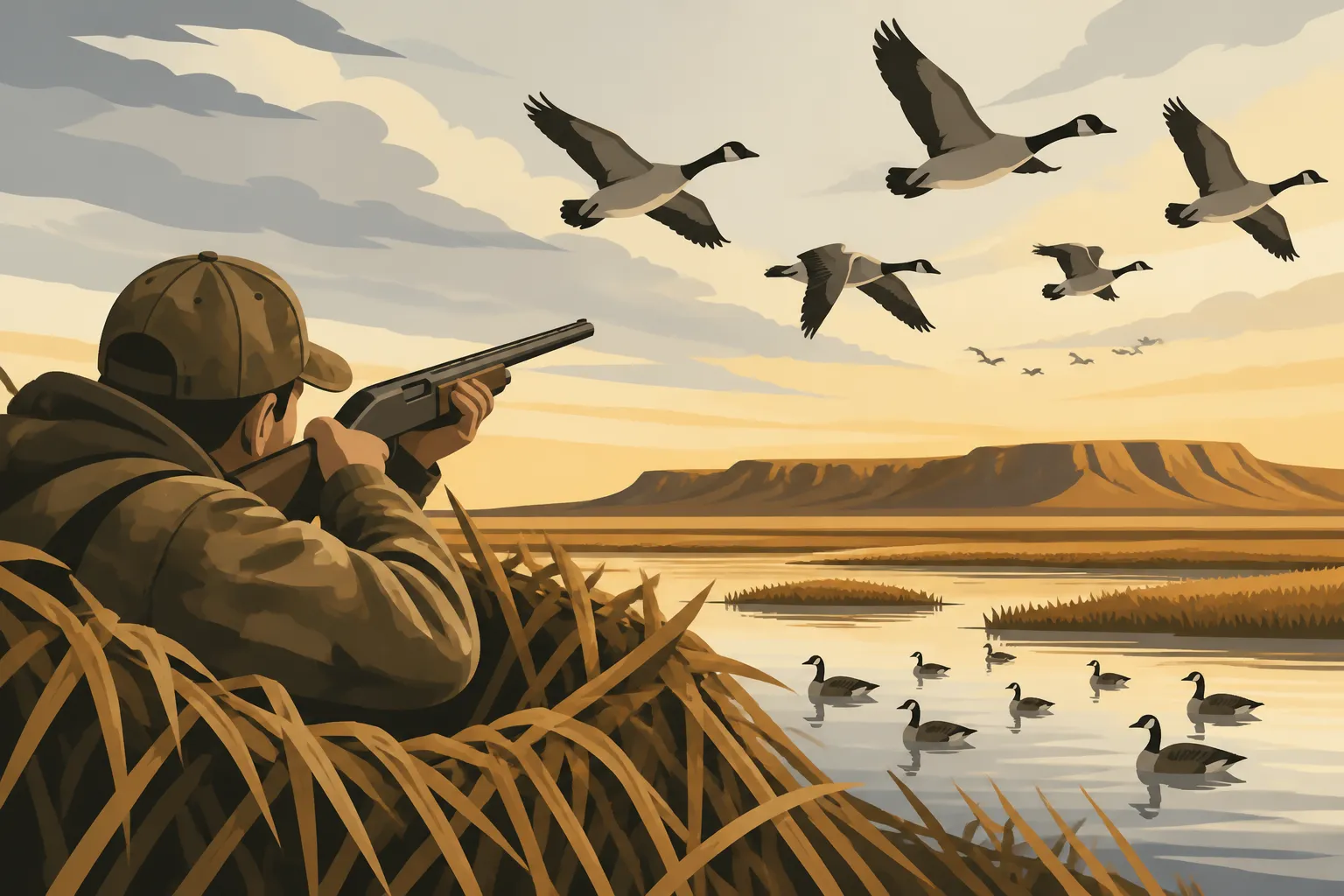
There’s nothing quite like the sight and sound of geese dropping into your spread over a Nebraska field, is there? But let's be real, chasing geese in the Rainwater Basin isn't always easy. These birds are incredibly smart, and the vast, open landscape, combined with hunting pressure, can make consistent success feel like a distant dream. This guide is here to walk you through the nitty-gritty of field hunting geese in this iconic region, from understanding their behavior to mastering your setup, so you can turn those dreams into reality.
The Unique World of Nebraska's Rainwater Basin Geese
The Rainwater Basin is a special place, a true jewel in Nebraska's crown when it comes to waterfowl. But understanding why it's so important to geese, and consequently, to us hunters, is the first step in consistently finding success. It’s not just a collection of ponds; it's a complex, dynamic ecosystem that offers both incredible opportunity and significant challenges.
The Basin's Ecological Significance for Waterfowl
The Rainwater Basin is a network of shallow, ephemeral wetlands scattered across a 17-county area in south-central Nebraska. What makes it so special is its position smack-dab in the middle of the Central Flyway, acting like a critical pit stop for millions of migratory birds each spring and fall. For geese, these wetlands provide vital roosting and loafing areas – safe havens where they can rest, preen, and feel secure between feeding forays. Without these wetlands, the goose populations we cherish simply wouldn't thrive here.
But it’s more than just a place to sleep. The Basin's agricultural fields surrounding these wetlands offer an incredible buffet. Think about it: vast expanses of harvested corn, milo, and wheat stubble, often with waste grain remaining, provide a high-energy food source these birds desperately need for their long migrations. This combination of secure water and abundant food creates the perfect environment for large concentrations of geese. However, this also means they become incredibly educated quickly. They've seen it all, and they've learned to associate certain patterns or anomalies with danger. As hunters, our job is to understand and adapt to this unique dynamic, making our spreads and strategies as natural and unthreatening as possible. The sheer scale and openness of the landscape here means that geese have an unobstructed view for miles, making concealment and realism absolutely paramount.
Understanding Key Goose Species and Their Habits
When we talk about geese in the Rainwater Basin, we're primarily focused on three main players: Canada geese, snow geese, and white-fronted geese (often called "specklebellies"). Each species has its own personality, feeding habits, and even flock dynamics, which means a one-size-fits-all approach to field hunting just won't cut it.
Canada geese are perhaps the most common and recognizable. They are typically found in smaller family groups or larger flocks, often feeding actively and noisily. They love corn and stubble fields, and while they can be pressured, they often respond well to a solid spread of full-body decoys and confident calling. Their movements from roost to field are often consistent once you've patterned them, making them somewhat predictable. Understanding When Nebraska's Canada Goose Seasons Open is crucial for planning your hunts effectively.
Snow geese, on the other hand, are a different beast entirely. They travel in massive, often chaotic, flocks that can number in the thousands. When they hit a field, it's like a white blizzard descending, and they can clean out a field incredibly quickly. Their feeding behavior is aggressive, often walking across a field in a wave. During the regular season, they can be tough to decoy due to their sheer numbers and wariness. However, the Light Goose Conservation Order offers unique opportunities when normal regulations are relaxed, allowing for electronic calls and unplugged shotguns, though they remain challenging. Many hunters target Hunting the Light Goose Conservation Order for the sheer volume of birds.
White-fronted geese, or "specklebellies," are often considered the connoisseur's goose. They are extremely wary, flying in tight, disciplined V-formations, and possess a distinctive, high-pitched call that's instantly recognizable. They prefer grain fields and can be incredibly difficult to fool. Specklebellies don't typically mix much with Canadas or Snows in the fields; they tend to keep to their own kind. Decoying them requires a nuanced approach, often with specialized white-front decoys and very precise calling. Their caution is legendary, and successfully bringing a flock of specks into your spread is a major accomplishment. Knowing the differences in their behavior is key to tailoring your strategy, from decoy placement to calling, for each specific species you hope to target.
Mastering the Art of Goose Scouting in the Rainwater Basin
Scouting is, without a doubt, the most critical element to success in field hunting geese in the Rainwater Basin. You can have the best gear, the most expensive decoys, and a championship caller, but if you're not where the birds want to be, it's all for naught. This isn't just a casual drive-around; it's a dedicated effort of observation and analysis.
Patterning Geese: Observation is Your Best Tool
The foundation of successful goose hunting in the Rainwater Basin lies in consistently patterning the birds. Geese are creatures of habit, especially when it comes to their daily routine of flying from a secure roosting area to a preferred feeding field. Your mission, should you choose to accept it, is to become a detective. This involves spending time, often many hours, observing flight patterns from sunset to sunrise. Identify major roosting areas – these are typically larger wetlands or reservoirs within the Basin. Then, watch where the birds go from there.
Pay close attention to flight lines. Geese often use the same general corridors, especially if there are natural breaks in the landscape like tree lines or river bottoms that offer some perceived cover, even if minimal. Once you identify a general direction, start driving the grid of section roads in that area. Look for large flocks actively feeding in fields. Don't just note that they are there, but how they are there. Are they spread out? Tightly grouped? Are they feeding aggressively or loafing? What time did they arrive, and when did they leave? These details are gold. Look for fresh droppings and disturbed stubble, clear indicators of recent feeding activity. The fresher the sign, the better. A field that was hammered yesterday might be empty today if the birds cleaned it out or were pressured. This meticulous observation, repeated over several days if possible, allows you to predict where they'll want to be on the morning of your hunt.
Leveraging Technology and Local Knowledge for Scouting
While old-school windshield time and binocular scanning are irreplaceable, modern technology can significantly streamline your scouting efforts in the vast Rainwater Basin. Satellite imagery, available through apps like onX Hunt or even Google Earth, can give you an incredible overview of the landscape. You can identify potential roosting wetlands, analyze field contours, locate access points, and even spot natural features that might influence flight paths. Using a tool like GoHunt can further enhance this by providing detailed public land maps and, in some cases, even layers showing recent harvest reports or bird concentrations if available from the community. This kind of platform can help you identify areas of Rainwater Basin WPA Hunting or other public access points, saving you valuable time.
Weather apps are also crucial. Geese are highly influenced by wind direction and speed, as well as temperature and precipitation. A strong north wind might shift their preferred feeding fields, or a sudden drop in temperature could make them feed more aggressively. Knowing the forecast helps you anticipate their behavior. Beyond technology, local knowledge is invaluable. Talk to farmers, other hunters (if they're willing to share), or even staff at local Nebraska Game and Parks Commission offices. They often have insights into long-term patterns or recent events that could affect bird movement. Combining diligent, boots-on-the-ground observation with smart use of mapping technology and a bit of friendly local intel gives you the best possible chance to be in the right field at the right time.
Essential Gear for a Successful Field Hunt
Once you've done your homework and found the X, it's time to talk gear. Field hunting geese in the Rainwater Basin demands specialized equipment that can withstand the elements, fool wary birds, and keep you comfortable and safe in often exposed conditions. It's an investment, but the right gear makes all the difference.
Crafting Effective Decoy Spreads
Decoys are your silent army, and building an effective spread is an art form. In the Rainwater Basin, you'll encounter everything from tight-lipped family groups of Canadas to swirling blizzards of snow geese, so versatility is key. For Canada geese, a spread of well-placed full-body decoys is often the most effective. These decoys offer incredible realism and are highly visible from a distance. The key is to create a natural-looking feeding flock, with some birds "feeding" (heads down), some "looking" (heads up), and perhaps a few sentinels. For specific strategies, checking out Full-Body Decoy Spreads for Geese can offer deeper insights. Don't be afraid to experiment with numbers; sometimes fewer, well-placed decoys are better than too many haphazardly arranged ones, especially for wary late-season birds.
Snow geese, due to their sheer numbers and aggressive feeding, often require a different approach. Large numbers of cheaper, more portable decoys like windsocks or silhouettes can create the illusion of a massive flock. The movement of windsocks in the slightest breeze is a huge advantage, mimicking a feeding frenzy. White-fronted geese are perhaps the trickiest. They are incredibly discerning, and often prefer to decoy into their own kind. Having a few high-quality, realistic white-front decoys can be crucial, often set slightly apart from your main Canada spread if you're targeting mixed bags. The goal, regardless of species, is always realism: mimic natural feeding patterns, leave landing zones, and make sure your decoys are clean and free of unnatural glare. For general strategies and specific types, learning about Decoys for Nebraska's Rainwater Basin Geese is highly recommended.
Concealment is King: Layout Blinds and Field Blinds
In the open, often flat fields of the Rainwater Basin, there's nowhere to hide. This makes top-tier concealment absolutely non-negotiable. Layout blinds are the standard for a reason. These low-profile blinds allow you to lie down flat in the field, staying out of sight until it's time to call the shot. The best layout blinds are designed to blend seamlessly with the stubble, featuring stubble straps to add natural vegetation from the surrounding field. Take the time to brush in your blinds thoroughly! This isn't a five-minute job. Cut corn stalks, milo stubble, or even dry grass from the field and weave it into every strap and corner of your blind. The goal is for your blind to disappear entirely, becoming just another hump in the field. Nothing spooks geese faster than seeing a blocky, dark object that stands out against the natural contours.
For larger groups or those who prefer more upright comfort, larger field blinds can also be effective, especially if you have ample natural cover nearby (like a fenceline, an irrigation pivot, or even a large hay bale) to help break up their outline. However, these are harder to make truly disappear in wide-open spaces. Whatever your choice, ensure it's sturdy enough to withstand Nebraska's often fierce winds and that the material matches the colors of the dormant agriculture. Being warm, dry, and invisible makes all the difference in staying patient and successfully decoying birds. For more specific guidance on selecting and setting up these vital pieces of gear, consider learning about Layout Blinds for Nebraska Cut Corn.
Choosing the Right Shotgun and Ammunition
Your shotgun is your tool for sealing the deal, and choosing the right setup for geese in the Rainwater Basin is crucial. A 12-gauge shotgun is the overwhelming favorite due to its versatility and power, but a 10-gauge can offer an advantage with heavier payloads, especially for those longer shots at big Canadas or high-flying snows. Regardless of gauge, reliability is paramount in cold, dusty, or wet conditions. Semi-automatics are popular for quick follow-up shots, but a pump-action is a dependable workhorse.
When it comes to ammunition, non-toxic shot is a strict requirement for all waterfowl hunting in Nebraska. Steel shot is the most common and affordable option, but alternatives like Bismuth, Tungsten-Iron, or Hevi-Shot offer superior density and performance, often at a higher cost. For Canada geese and white-fronts, BB, BBB, or T shot are excellent choices, providing the necessary knockdown power and range. For snow geese, especially during the Light Goose Conservation Order when flock shooting is common, a slightly smaller shot like #2 or BB can be effective, allowing for a denser pattern. Your choke selection is equally important; a modified or improved cylinder choke is often a good all-around choice, providing a balance of pattern density and spread. However, some hunters prefer a full or even an extra-full choke for the longer shots often presented by wary geese. Pattern your shotgun with your chosen ammunition and choke before the season to understand its true capabilities.
Strategic Setups and Calling for Geese
You've done your scouting, you've got your gear dialed in, now it's time for the strategic execution. Setting up your spread and calling effectively are the final pieces of the puzzle that separate a successful goose hunt from a frustrating morning of watching birds sail by. It's about blending in, convincing the birds your spread is safe, and drawing them into that sweet spot.
Reading Roost-to-Field Flight Lines
Understanding the flight lines of geese moving between their roosts and feeding fields is paramount to setting up in the right location. Geese are energy conservationists; they'll often take the most direct, efficient route to their preferred feeding grounds, or follow natural contours that offer some minimal sense of security. In the flat expanse of the Rainwater Basin, these routes might not always be obvious, but they exist. Spend time observing during peak flight times – typically around first light and late afternoon. Notice where the majority of the birds are consistently flying. Are they hugging a specific tree line, a river corridor, or an irrigation ditch? Or are they simply flying over a particular section of fields?
Once you've identified these general flight lines, your goal is to set your spread directly underneath or slightly to the side of them, anticipating their approach. This isn't about being directly in their path, but rather positioning your spread so it appears as a welcoming, natural extension of their flight. They should be able to see your spread, identify it as safe, and adjust their flight to land within it without feeling like they're being ambushed. Consider the sun's position for concealment and visibility, and try to place your blinds so that incoming birds are landing into the wind, which is their natural behavior. For further reading on this crucial topic, learning more about Reading Roost-to-Field Flight Lines can provide even deeper insights.
Dynamic Spreads: Adjusting to Wind and Goose Behavior
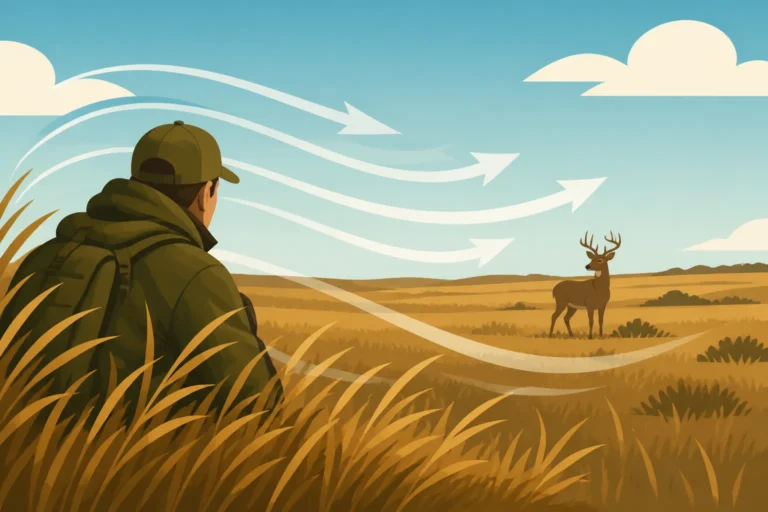
A static, one-size-fits-all decoy spread rarely works throughout an entire hunt, let alone an entire season. Geese are highly attuned to environmental factors, especially wind, and their behavior changes constantly. The wind direction dictates how geese will approach your spread – they always want to land into the wind. Therefore, your landing zone should always be downwind of your blinds and the main body of your spread. This forces them to come in over your decoys and presents ethical, close-range shooting opportunities.
Beyond the initial setup, be prepared to adjust your spread dynamically. If the wind shifts, you need to be ready to quickly reposition your blinds and adjust your decoys to maintain that downwind landing zone. Pay attention to how the birds are reacting. Are they flaring short? Are they circling wide? Are they landing far away from your main spread? These are all cues to make changes. Sometimes, simply moving a few decoys to open up the landing zone, or adding more movement (flags, full-body flyers) can make all the difference. For example, if birds are flaring, try making your spread more spread out, less dense, or even reducing the number of decoys. If they are landing short, try moving your blinds further into the main body of the spread. Flexibility and observation are key here. You’re not just placing decoys; you’re creating an illusion that needs constant tweaking to remain believable.
Effective Calling Techniques
Goose calling is much more than just making noise; it's about communication, creating confidence, and painting a sonic picture that complements your visual spread. Different goose species require different calls and techniques. For Canada geese, mastering the basic cluck, honk, moan, and pleading come-back call is essential. Start with soft, welcoming clucks as birds are distant, building in volume and urgency as they get closer. Don't overcall; let the birds work, and only call when they seem to be losing interest or drifting. A good Canada goose call, used correctly, can bring wary birds right into your lap.
Snow geese calling is a different beast entirely. It's often about creating a cacophony – a loud, continuous chatter and high-pitched squawks that mimic a massive, excited feeding flock. Electronic calls are legal during the Light Goose Conservation Order and are highly effective for drawing in these huge flocks, though mouth calls are still used to add realism and specific sounds within the frenzy. For white-fronted geese, their distinct "specklebelly" call is unique and requires a specialized call. These birds are extremely sensitive to calling, so less is often more. A few well-timed, realistic yelps can be far more effective than an aggressive barrage. Practice is key for all species. Listen to real geese, mimic their sounds, and learn to read their reactions to your calls. A well-placed call at the right moment can be the final persuasion for a hesitant flock.
Overcoming Challenges: Weather, Pressure, and Regulations
Field hunting geese in the Rainwater Basin is rarely a walk in the park. Nebraska weather is famously unpredictable, and the popularity of goose hunting means you'll often be dealing with pressured birds. Plus, you've got to stay on the right side of the law. These challenges are part of the game, but with the right mindset and preparation, you can overcome them.
Hunting in Nebraska's Variable Weather
Nebraska's weather can throw just about anything at you during goose season. You could start the morning in freezing fog, move to a clear, sunny, and surprisingly warm midday, and end with a howling blizzard. Each condition presents its own set of challenges and opportunities. Fog can be frustrating, limiting visibility and making it hard to see incoming birds, but it can also make geese fly lower and be less wary if they do commit. Rain can make birds fly lower and be less observant, but it also makes conditions miserable for hunters and can compromise your gear. Heavy snow, however, can be a goose hunter's dream. Geese often become very active, feeding aggressively to build reserves, and the white landscape can actually make your white snow goose spread disappear even better.
Extreme cold means diligent layering is crucial. You'll be lying still for long periods, exposed to the wind, so quality base layers, an insulated mid-layer, and a windproof, waterproof outer shell are essential. Insulated boots and hand warmers are non-negotiable. Always pack extra clothing. High winds, common on the open plains, will make your decoys move more realistically but can also make calling difficult and push birds off their typical flight paths. Adapting to the weather means adjusting your expectations, staying comfortable, and being flexible with your strategy. Sometimes, hunkering down and waiting out a squall can lead to fantastic hunting when the weather breaks.
Dealing with Pressured Birds and Competition
The Rainwater Basin is a well-known waterfowl hotspot, and with that popularity comes hunting pressure. Geese quickly learn where hunters set up, what unnatural spreads look like, and what suspicious calling sounds like. Dealing with pressured birds requires extra effort and often, a willingness to do things differently. First, avoid the obvious. Don't set up directly under power lines or right next to heavily trafficked roads if you can help it; these are often high-pressure spots. Try to find fields that are further off the beaten path, even if it means a longer walk with your gear. This is where detailed maps, like those available through GoHunt, can help you identify less accessible parcels of Rainwater Basin Wetland Access or private land you might be able to secure permission for.
Late in the season, geese are at their wariest. They've seen it all. At this point, even a perfectly brushed-in blind can appear suspicious if your decoys aren't immaculate, your calling isn't spot-on, or your layout isn't incredibly natural. Consider smaller, ultra-realistic spreads for these birds, focusing on quality over quantity. Sometimes, using fewer decoys and focusing on perfect concealment and subtle calling can be more effective than a massive spread that's seen every trick in the book. Also, scout later in the day, after the morning hunts, to see where birds are feeding undisturbed. This might give you a better idea of a fresh field that hasn't seen recent pressure. The adage "scout harder" is never more true than when facing pressured birds in a popular hunting area.
Understanding Nebraska's Waterfowl Regulations
Navigating hunting regulations can be a bit like deciphering an ancient scroll sometimes, but it’s absolutely vital for responsible and legal hunting. In Nebraska, all waterfowl hunters are required to have a valid Nebraska hunting permit, a Nebraska Habitat Stamp, and a Federal Migratory Bird Hunting and Conservation Stamp (Federal Duck Stamp). Additionally, you must be Harvest Information Program (HIP) registered. These permits support conservation efforts and are easily obtainable online or from vendors.
Beyond permits, understanding species-specific regulations is crucial. Daily bag limits and possession limits vary by species (Canada, Snow, White-fronted geese) and sometimes by specific management zones. Always check the current Nebraska Game and Parks waterfowl regulations booklet before you hunt, as rules can change annually. Pay close attention to shooting hours, which are typically from 30 minutes before sunrise to sunset. Remember that non-toxic shot is mandatory for all waterfowl hunting. For specific season dates and bag limits, you'll need to consult the current regulations for Rainwater Basin Light Goose Dates or When Nebraska's Canada Goose Seasons Open, as these vary by year and species. Staying informed ensures you're hunting legally and ethically, contributing to the long-term sustainability of the resource.
Ethical Considerations and Post-Hunt Practices
Hunting is more than just pulling a trigger; it's a commitment to ethical conduct, respect for the land and landowners, and a dedication to the conservation of wildlife. These principles are especially important in a place like the Rainwater Basin, where access can be challenging and public perception matters.
Responsible Hunting and Respecting Landowners
Gaining access to private land for field hunting geese in Nebraska often hinges on the generosity of landowners, and maintaining that privilege requires utmost respect and responsibility. Always, and I mean always, obtain explicit permission before stepping foot on private property. A simple knock on the door, a polite conversation, and a promise to be respectful can go a long way. If granted access, treat their land as if it were your own – or better. Drive only on designated paths, close all gates, and absolutely pack out everything you pack in, including spent shotshells, empty coffee cups, and any trash. Leave no trace.
Beyond private land, when hunting on public access areas like those enrolled in the Rainwater Basin WPA Hunting program, respect the regulations and other users. Keep a safe distance from other hunters, avoid sky-busting (shooting at birds too high to ethically retrieve), and always prioritize safe firearm handling. A positive reputation as a sportsman is invaluable, not just for your own hunting future but for the future of hunting in Nebraska as a whole. Remember that the image you project can influence public opinion on hunting, so always strive to be a true ambassador for the sport.
Field Dressing and Game Care
Once a goose is down, proper field dressing and game care are essential to ensure the meat is of the highest quality. In the Rainwater Basin, early season hunts can still be surprisingly warm, making quick cooling vital. Immediately after retrieving your bird, bleed it out. This can be done by cutting the jugular vein in the neck or simply by hanging the bird head-down. This improves meat quality significantly. If conditions are warm, it's a good idea to gut the bird right there in the field. This removes internal heat and can prevent spoilage. You can either breast out the birds or pluck them whole, depending on your preference and the regulations regarding "wing attached" for transport.
After field dressing, get your birds cooled down as quickly as possible. If you're heading straight home, a cooler with ice is a must. Placing birds directly on ice or in ice-water slush helps draw out residual heat. If you're staying out for an extended hunt, consider game bags to protect the meat while allowing air circulation, then transfer to a cooler. Always keep your birds clean and out of direct sunlight. Properly cared-for goose meat is a culinary delight, but neglecting these steps can quickly render it unpalatable. Ensuring excellent meat quality is a sign of respect for the bird and a testament to your skills as a hunter.
Contributing to Waterfowl Conservation
Every waterfowl hunter in Nebraska plays a direct role in conservation, whether they realize it or not. The purchase of your hunting permits, state habitat stamps, and federal duck stamps directly funds wetland restoration, habitat acquisition, and wildlife research efforts across the state and continent. These funds are vital for maintaining the health of the Rainwater Basin and the larger Central Flyway. Beyond financial contributions, active participation in conservation efforts can make a huge difference.
One of the most important ways hunters contribute is through the Harvest Information Program (HIP) registration and honest harvest reporting. This data, collected by wildlife agencies, helps biologists track waterfowl populations, assess harvest impacts, and set future season structures and bag limits. Without accurate data, effective management is impossible. Consider joining local conservation organizations like Ducks Unlimited, Pheasants Forever, or the Nebraska Wildlife Federation. These groups work tirelessly to advocate for wildlife and habitat, often engaging in hands-on projects right here in the Basin. Remember, as hunters, we are the original conservationists, and our continued involvement is critical to ensuring healthy goose populations and vibrant hunting traditions for generations to come.
Disclaimer
Please note: Hunting regulations and conditions can change rapidly. Always consult the latest Nebraska Game and Parks Commission regulations booklet and federal guidelines before embarking on any hunting trip. This guide is for informational purposes only and does not constitute legal advice or an exhaustive list of all rules and regulations. Safety should always be your top priority in the field.