Rainwater Basin Light Goose Dates
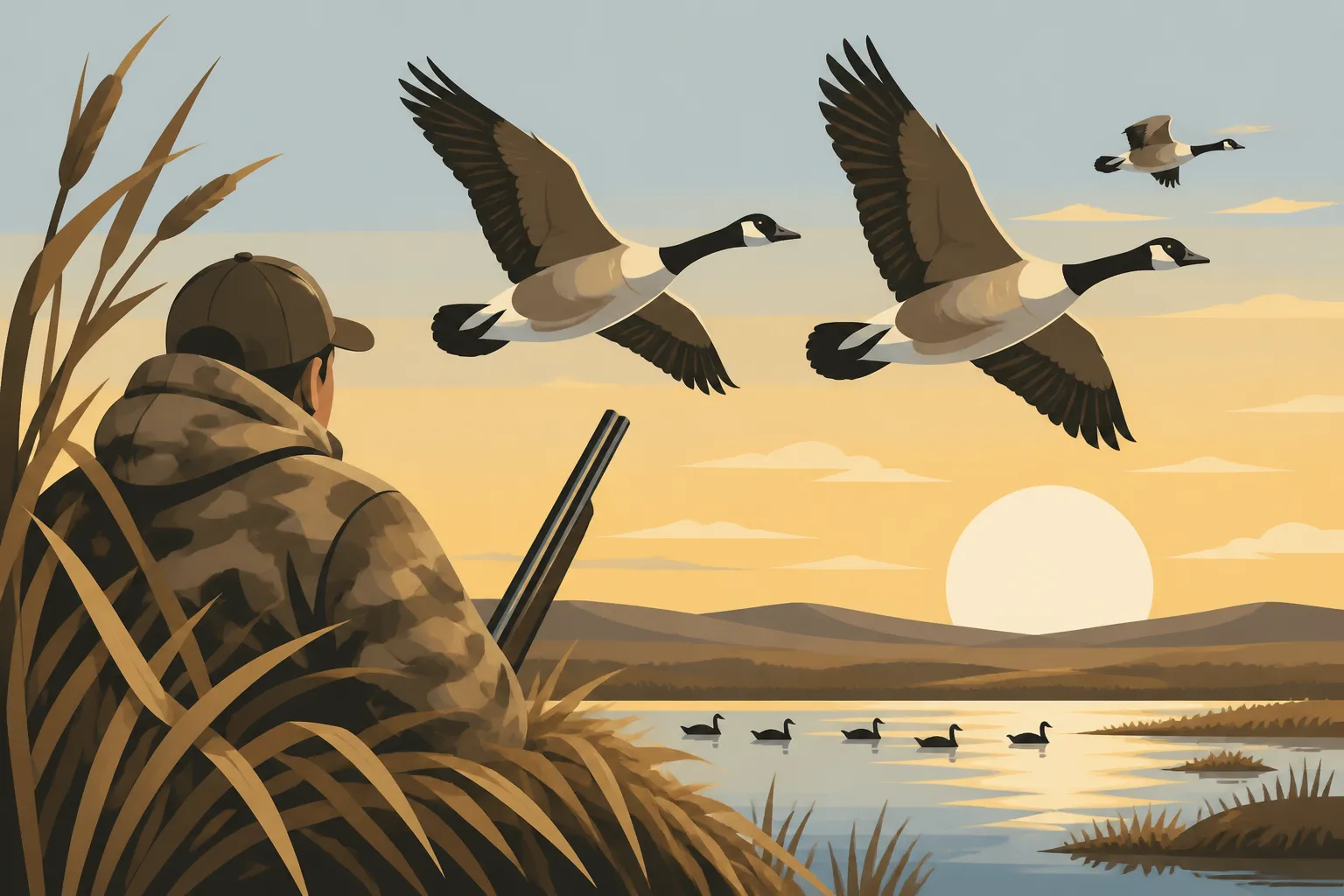
There’s nothing quite like the sight of thousands of snow geese descending from the sky, a swirling vortex of white against the vast Nebraska prairie. It's a spectacle, but also a challenge for hunters. Many folks get confused about the specific seasons and dates, especially when it comes to the unique rules of the Light Goose Conservation Order, wondering exactly when they can hit the Rainwater Basin for these fast-flying birds. This guide will meticulously break down everything you need to know about the Rainwater Basin light goose dates, helping you plan your hunt and navigate the special regulations that apply to this incredible season.
Understanding the Light Goose Conservation Order in Nebraska
The Light Goose Conservation Order isn't your typical waterfowl season; it's a special federal framework designed to help control the population of mid-continent light geese, primarily snow geese and Ross's geese. These birds have seen their numbers explode to unsustainable levels, leading to widespread damage to their fragile Arctic breeding grounds. Nebraska, sitting squarely in the Central Flyway, plays a critical role in this conservation effort, offering hunters an extended opportunity to help manage these populations. This isn't about traditional bag limits and strict season dates in the same way your regular duck or Canada goose seasons are structured. Instead, it's about reducing their numbers as efficiently as possible.
The beauty of the Conservation Order is that it comes with relaxed regulations compared to standard waterfowl hunting. We’re talking about no daily bag limits or possession limits, which is almost unheard of in the hunting world. Imagine a sky full of geese and the freedom to pursue them without constantly counting. It's a unique experience that really sets this hunt apart. What's more, hunters are allowed to use unplugged shotguns, meaning you can load more than three shells, and electronic calls are permitted. These tools are usually forbidden in regular seasons but become essential for attempting to draw in the massive, wary flocks of light geese during the Conservation Order. This period is a prime opportunity for hunters to contribute to conservation while enjoying a high-volume hunting experience. For more detailed information on these specific regulations, you can check out our article on Unplugged Guns Under Nebraska's Spring Goose Rules.
Why the Conservation Order is Different
The rationale behind the Light Goose Conservation Order is purely ecological. Overpopulation of snow geese, especially, has led to a phenomenon called "grubbing," where they literally rip up tundra vegetation by the roots, destroying critical nesting habitat for other waterfowl and shorebirds. This damage is so extensive in some areas that it may take decades, if ever, for the habitat to recover. Traditional hunting seasons and methods simply haven't been enough to curb their numbers. The Conservation Order acknowledges this crisis and empowers hunters with more liberal tools and fewer restrictions to make a significant impact.
From a hunter's perspective, this means a completely different kind of hunt. Forget the small, tight spreads and subtle calling you might use for Canada geese. Light geese often travel in flocks numbering in the hundreds or even thousands. They are incredibly wary, having been hunted all the way down the flyway. To succeed, you need large decoy spreads, aggressive calling, and perfect concealment. The sheer scale of the hunt, from the number of birds to the number of decoys required, makes it a unique challenge. You’re not just hunting for a couple of birds for the table; you're participating in a large-scale conservation effort, which is a powerful feeling.
The Role of the Rainwater Basin in Light Goose Migration
The Rainwater Basin is an absolute magnet for migrating waterfowl, and light geese are no exception. This area, spanning south-central Nebraska, is a mosaic of shallow, temporary wetlands that fill with spring melt and rainfall, providing crucial resting and feeding grounds for millions of birds moving north. It's like a giant, natural gas station on the Central Flyway, and the light geese utilize it heavily as they stage for their push to the Arctic. The sheer density of birds that can congregate here is staggering, making it one of the premier destinations for hunting during the Conservation Order.
These wetlands offer a critical food source and refuge, particularly during the late winter and early spring months when the Conservation Order is in full swing. The unique geology of the basin, with its thousands of small, playa wetlands, means that even a small amount of precipitation can create prime waterfowl habitat. However, water levels can fluctuate dramatically, which means scouting is paramount. Hunters need to stay on top of conditions, often relying on resources like the Nebraska Game and Parks Commission website or even mapping tools like GoHunt to find which basins have water and are holding birds. The concentration of birds in this relatively small geographic area is what makes the Rainwater Basin such an iconic and productive spot for targeting light geese. Our article on Rainwater Basin Waterfowl Numbers dives deeper into why this area is so vital.
Key Dates and Seasons for Light Geese in the Rainwater Basin
Alright, let's get down to the nitty-gritty: the dates. The Rainwater Basin Light Goose Conservation Order typically runs from early February through mid-April. This extended season provides ample opportunity to target these birds as they migrate north. However, it's crucial to understand that these dates can sometimes shift slightly from year to year, and Nebraska Game and Parks Commission (NGPC) is the ultimate authority. You always want to verify the exact dates for the current season directly from their official regulations. I often use resources like the GoHunt platform to quickly cross-reference dates and see if there have been any emergency changes or notifications.
The reason for this late winter/early spring timing is to coincide with the main northbound migration of light geese. By February, most of the regular waterfowl seasons are closed, and the geese are beginning their journey back to the breeding grounds. This timing also means hunters are dealing with often challenging weather conditions, from bitter cold and snow in February to muddy fields and spring rains in March and April. But those challenges are part of the adventure, and when the geese commit to your spread, all the discomfort fades away.
Here’s a general overview of the typical dates and rules for the Light Goose Conservation Order in the Rainwater Basin, but always check the current year’s regulations:
| Season Phase | Typical Start Date | Typical End Date | Bag Limit | Possession Limit | Shotgun Capacity | Electronic Calls |
|---|---|---|---|---|---|---|
| Light Goose Conservation Order | Feb 1 (approx.) | Apr 15 (approx.) | No Limit | No Limit | Unplugged (no limit) | Permitted |
Note: These are generalized dates. Always consult the official Nebraska Game and Parks Commission regulations for the precise dates and any updates for the current hunting season.
How to Confirm Current Year's Dates
Confirming the exact dates for the current year is non-negotiable. Don't rely on last year's regulations or hearsay. The Nebraska Game and Parks Commission typically publishes its full waterfowl regulations well in advance of the seasons. You can find these regulations on their official website, usually in a downloadable PDF format. Physical copies are also available at permit vendors and NGPC offices.
It’s also a good practice to subscribe to email updates from NGPC or follow their social media channels, as they will often announce when new regulations are available and highlight any significant changes. Online hunting platforms, such as GoHunt, also provide up-to-date summaries of regulations and season dates, which can be very convenient for a quick check when you're planning your trip or already in the field. Double-checking ensures you're always legal and informed, preventing any costly mistakes or missed opportunities. Pay close attention to any specific zone regulations, as while the Rainwater Basin falls under the broader Conservation Order, local conditions or federal refuge rules might have slight nuances.
Peak Migration Periods in the Rainwater Basin
While the season runs from February to April, there are definite peak periods when the concentration of light geese in the Rainwater Basin is at its highest. Generally, the second half of February through mid-March tends to be the sweet spot. During these weeks, millions of snow geese, white-fronted geese, and other waterfowl are moving through the region, using the temporary wetlands and flooded fields as a staging area. Weather plays a huge role in these migrations, of course. A warm front can push birds north quickly, while a cold snap can halt their progress and concentrate them in the basin for days or even weeks.
Keeping an eye on weather patterns, both locally in Nebraska and further south in states like Kansas and Oklahoma, can give you a real edge. If a major winter storm is pushing through those southern states, it’s a good bet a fresh wave of birds is heading your way. Conversely, a sustained warm spell can mean the birds move through quickly. Reports from fellow hunters, local guides, and even online forums can offer valuable insights into current bird numbers and movements. Utilizing tools that track bird migration, like the kind of data available to GoHunt users, can also provide a significant advantage in predicting these peak periods and finding the best locations within the Rainwater Basin. The challenge is that these birds are constantly on the move, so being flexible and ready to adapt is key.
Tactics and Gear for Hunting Light Geese
Hunting light geese during the Conservation Order in the Rainwater Basin requires a dedicated approach. These aren't your typical casual hunts; they demand significant investment in time, effort, and gear. Given the sheer numbers of birds and their inherent wariness, you need to think big – big spreads, big sounds, and big commitment. The satisfaction of a successful light goose hunt, however, is equally immense.
Your primary goal is to create a visual and auditory spectacle that convinces thousands of wary geese to commit to your spread. This involves everything from selecting the right decoys to mastering the art of the e-caller, all while maintaining absolute concealment in what is often wide-open country. It's a game of deception on a grand scale, and when it works, it's truly unforgettable.
Decoy Spreads and Concealment
When it comes to light geese, bigger is almost always better for decoy spreads. We’re talking hundreds, often thousands, of decoys. Full-body decoys are excellent for realism, but they are heavy and expensive. Shells, silhouettes, and even rags can be used to create the illusion of a massive feeding flock. A mix of these can be very effective, with more realistic decoys closer to your blinds. Spacing is important too – you want it to look natural, like a flock that has landed to feed and rest. Our article on Decoy Spreads for Rainwater Basin Geese offers more specific advice.
Concealment is absolutely critical. Light geese have exceptional eyesight, and they've been shot at extensively down the flyway. Layout blinds are the standard, allowing hunters to lie flat in a field and pop up when the birds are overhead. These blinds need to be perfectly brushed in with local vegetation – corn stalks, milo stubble, grass – to blend seamlessly with the environment. If you're hunting harvested cornfields, ensure your blind mimics the surrounding stubble. Even a slight glint or an unnatural outline can flare an entire flock. Remember, these birds will often circle multiple times, scrutinizing the spread and its surroundings before committing. You can read more about Layout Blinds for Nebraska Cut Corn in a dedicated guide.
Calling Strategies and E-Callers
Electronic callers are a game-changer for light goose hunting, and they are permitted during the Conservation Order. These powerful devices can replicate the raucous chatter of a thousand geese, drawing in distant flocks and reassuring circling birds. Having a variety of sounds, from feeding chirps to excited cackles, and knowing when to use them is key. Start with a loud, attention-grabbing volume to pull birds from a distance, then soften it as they approach, making it sound more inviting.
While e-callers do a lot of the heavy lifting, a good mouth call can still be valuable for adding a personal touch and fine-tuning the sound as birds get close. Sometimes, a subtle, sharp call from a mouth caller can be the final trigger that gets wary geese to drop their feet. Understanding the cadence and intensity of calling relative to the birds' distance and behavior comes with experience, but it’s a crucial skill to develop for consistent success in the Rainwater Basin.
Gear Essentials and Cold Weather Preparation
Beyond decoys and callers, several gear essentials will make your light goose hunt safer and more successful. An unplugged shotgun (remember, no three-shot limit during the Conservation Order) is a must, and heavy loads of nontoxic shot, typically BB, BBB, or T shot, are necessary to bring down these tough birds. Since you'll often be hunting on designated public areas, like Wildlife Management Areas (WMAs) or Open Fields and Waters (OFW) tracts, remember that Nontoxic Shot Rules on Nebraska WMAs apply.
Given the time of year, cold weather clothing is vital. Layers are your best friend, allowing you to adapt to fluctuating temperatures throughout the day. Windproof outerwear is especially important, as the Nebraska plains can be notoriously windy, and sitting still in a layout blind can get chilly fast. Insulated, waterproof boots are also non-negotiable for dealing with wet, muddy fields or standing water. Finally, don't forget plenty of water, snacks, and perhaps a portable heater for your blind on those truly frigid mornings. A good pair of binoculars will also help you spot distant flocks, allowing you to gauge their approach and adjust your calling. For general information on preparing your waterfowl gear, check out Waterfowl Gear for Nebraska Fields and Wetlands.
Navigating Public Access in the Rainwater Basin
Finding a place to hunt light geese in the Rainwater Basin can sometimes feel like a puzzle. While there's a good amount of public access, understanding where it is, what the rules are, and how to effectively scout these areas is essential. The Rainwater Basin is a mix of private agricultural land, state-managed Wildlife Management Areas (WMAs), federal Waterfowl Production Areas (WPAs), and tracts enrolled in the Open Fields and Waters (OFW) program.
Success often hinges on thorough scouting and being flexible with your locations. Don't expect to just show up and find an empty, bird-filled field. With millions of geese moving through, pressure can be high, and competition for prime spots can be intense, especially on weekends.
Identifying Key Public Access Areas
The Nebraska Game and Parks Commission’s Public Access Atlas is your absolute best friend for identifying hunting locations. This comprehensive guide details all public lands and Open Fields and Waters tracts across the state, including specific boundaries and regulations. You can download the atlas or use the mobile app. Many federal Waterfowl Production Areas (WPAs) within the Rainwater Basin also offer excellent hunting opportunities, though they often come with specific regulations you need to be aware of, such as potential refuge zones where hunting is prohibited.
Wildlife Management Areas (WMAs) in the basin, like those around Harvard, Sacramento-Wilcox, and Hansen, are also prime destinations. These areas are managed specifically for wildlife and habitat, often providing diverse cover and water bodies that attract geese. Keep in mind that pressure on these well-known WMAs can be very high, particularly during peak migration. Learning to Read the Nebraska Public Access Atlas will be invaluable for your planning.
Scouting for Bird Activity
Scouting is paramount for light goose hunting. These birds are migratory and move constantly based on food sources, water, and hunting pressure. What was a hot field yesterday might be completely empty today. You'll want to drive county roads, using binoculars and spotting scopes to locate large concentrations of geese. Look for fields where birds are actively feeding or ponds where they are resting. Pay attention to their flight patterns – where are they flying from, and where are they going? This can help you predict their movements.
Don't just look for geese; look for sign. Droppings, disturbed soil, and feather piles indicate recent activity. And always be respectful of private property while scouting. Never trespass. If you find a promising private field, seeking permission from the landowner well in advance can open up incredible opportunities. Many farmers are often happy for hunters to help with the geese, which can cause significant crop damage. Using mapping tools like GoHunt can aid in identifying land ownership and planning your scouting routes efficiently.
Respecting Landowner Rights and Regulations
Even with extensive public access, much of the Rainwater Basin is private land. Always assume land is private unless clearly marked as public or enrolled in the Open Fields and Waters program. Nebraska has strict trespass laws, and ignorance is no excuse. If you're fortunate enough to gain access to private land, be an exemplary guest. Leave no trace, close gates, avoid driving in wet fields, and offer to share your harvest. Building positive relationships with landowners is how more private land becomes accessible in the long run.
Beyond trespass, ensure you understand all relevant regulations. Some WMAs or WPAs might have specific rules regarding vehicle access, off-limit areas, or even blind construction. Federal Refuges, even those adjacent to hunting areas, will have clearly defined boundaries and non-hunting zones. It's your responsibility to know and abide by these rules. The Nebraska Game and Parks Commission makes this information readily available, and a quick check on their website or your GoHunt app before heading out can save you a lot of headache. Understanding Nebraska's Posted-Land and Trespass Rules is essential for any hunter.
Disclaimer
The information provided in this guide is for general informational purposes only and is not legal advice. Hunting regulations, dates, and access rules can change frequently. Always consult the official Nebraska Game and Parks Commission regulations and federal guidelines for the most current and accurate information before planning any hunt. It is the hunter's responsibility to know and follow all applicable laws and regulations.