Rainwater Basin Wetland Access
Finding reliable public hunting access in the unique, often elusive wetlands of Nebraska's Rainwater Basin can be a real head-scratcher. These ephemeral potholes and permanent wetlands, critical to the Central Flyway, can seem like a patchwork of private land and hidden public gems, leaving many hunters frustrated and unsure where to even begin. This guide will meticulously break down how to effectively find and access the various public hunting opportunities scattered throughout this vital waterfowl region, equipping you with the knowledge to plan a successful hunt.
Understanding the Rainwater Basin Ecosystem
The Rainwater Basin is unlike any other landscape in Nebraska, and truly, much of the continent. It's a critical stopover for millions of migrating waterfowl, but its nature makes access a unique challenge. Before you even think about putting on waders, it's vital to understand what you're stepping into.
The Unique Hydrology and History
Imagine a vast, relatively flat landscape dotted with thousands of shallow, naturally occurring wetlands. That's the Rainwater Basin. These aren't river-fed lakes or impoundments; they're formed by rainwater and snowmelt collecting in depressions carved out by ancient geological processes, often with a clay layer underneath that prevents rapid drainage. Historically, there were tens of thousands of these basins, providing an unparalleled mosaic of habitat. However, agricultural development over the last century has drained and altered a significant portion of them, converting many into farmland. What remains are incredibly valuable, often isolated, pockets of wetland habitat that fill and dry with seasonal precipitation, creating a dynamic environment for ducks and geese. This ephemeral nature means that a prime spot one year might be dry as a bone the next, or vice versa. It’s a constant dance with Mother Nature.
This unique hydrology means that water levels are highly variable, influencing not just where the birds are, but also how accessible the wetlands are to hunters. Some years, you might be able to walk in with hip boots, while other times, a kayak or boat might be your only option to reach productive hunting spots. This variability is precisely why understanding the system, rather than just relying on fixed maps, is so crucial. The remaining wetlands, both publicly and privately owned, are literally lifeboats for waterfowl on their arduous journey, making every accessible acre incredibly important for hunters and conservationists alike.
Key Species and Habitat Reliance
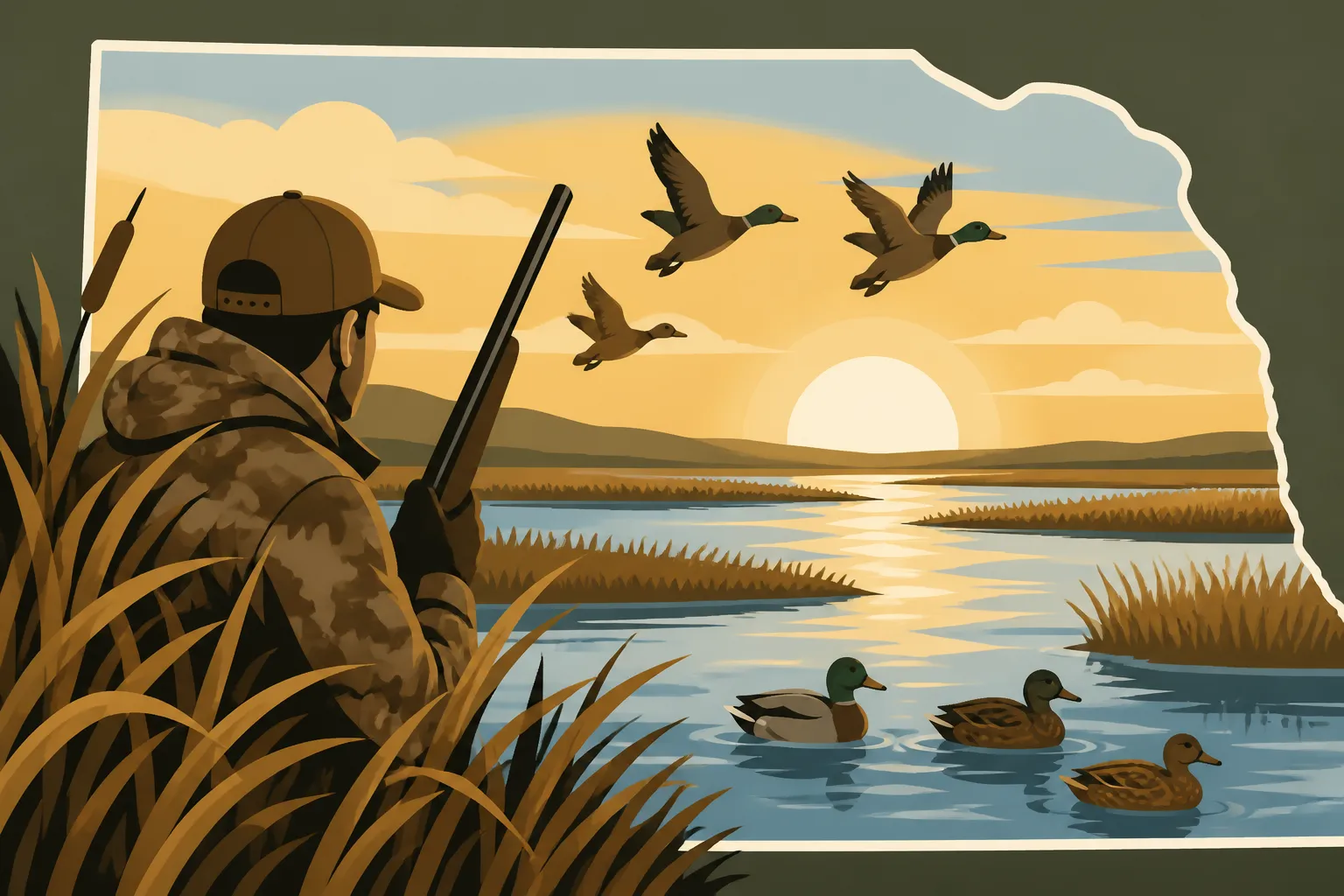
The Rainwater Basin is perhaps best known for its incredible concentrations of waterfowl, particularly during spring and fall migrations. It's a magnet for various duck species, including mallards, pintails, wigeon, gadwalls, green-winged teal, and northern shovelers. The shallow, productive waters are teeming with invertebrates and plant seeds, offering a crucial energy boost for birds covering thousands of miles. You'll often find a mix of dabbling ducks feeding in the shallower fringes and divers like canvasbacks and redheads utilizing deeper, more open water when available.
Beyond ducks, the basin is a renowned staging area for geese, especially during the colder months and the spring light goose conservation order. Massive flocks of snow geese, Ross's geese, and Canada geese descend upon the basin's wetlands and surrounding agricultural fields. White-fronted geese also make significant use of the area, often presenting unique hunting opportunities. The presence of these different species often dictates hunting strategies – from large decoy spreads for snows in harvested corn to more subtle setups for small groups of mallards pitching into a pothole. Understanding which species are present and what types of habitat they prefer will be key to success, as many wetlands are managed specifically to attract and hold particular bird groups. This reliance on specific habitat types means that some wetlands might be excellent for puddle ducks, while others are better suited for field geese or even cranes (though Nebraska Is the Only Flyway State Without a Crane Season, a point often discussed among hunters).
Navigating Public Access in the Basin
Identifying public land in the Rainwater Basin can feel like piecing together a complex puzzle, but with the right resources and a bit of diligence, you can unlock some fantastic hunting opportunities. The key is to understand the different types of public access points and how they operate.
Federal Waterfowl Production Areas (WPAs)
The U.S. Fish and Wildlife Service manages numerous Waterfowl Production Areas (WPAs) throughout the Rainwater Basin. These federal lands are acquired and managed primarily for the conservation of waterfowl and other migratory birds, often through outright purchase or conservation easements. Many WPAs are open to public hunting, but it's absolutely vital to check specific regulations for each area, as rules can vary regarding access points, permitted activities, and temporary closures. You can usually find detailed maps and specific regulations on the USFWS website or by contacting the local refuge office directly.
WPAs are often characterized by a mix of wetland and upland habitat, providing diverse hunting opportunities. Some are large complexes, while others are smaller, isolated pockets. They are typically designated for walk-in access, meaning no vehicles are allowed beyond designated parking areas. This often requires a bit of a hike, especially if you're hauling decoys and gear, but it also helps to spread out hunters and can lead to less pressured birds the further you venture from the road. Be aware that federal refuges and WPAs often have specific rules regarding Nontoxic Shot Rules on Nebraska WMAs, and sometimes even restrictions on things like spinning-wing decoys. Always double-check.
Nebraska Game and Parks Commission WMAs
In addition to federal WPAs, the Nebraska Game and Parks Commission (NGPC) also manages Wildlife Management Areas (WMAs) within the Rainwater Basin. These state-owned or leased lands are managed for a variety of wildlife, often with a strong emphasis on waterfowl. Like WPAs, WMAs provide critical public hunting access and habitat. The regulations for WMAs are generally consistent across the state, but again, always consult the official Nebraska Wildlife Management Area Rules or the Nebraska Public Access Atlas for any site-specific rules or temporary closures.
WMAs in the Rainwater Basin can range from small restored wetlands to larger tracts that include upland cover. They often feature designated parking, and some may have boat launches or more developed access points than smaller WPAs, though walk-in is still the predominant method of access. The beauty of both WMAs and WPAs is that they are actively managed to provide optimal habitat, meaning controlled burns, water level manipulations, and planting of food sources are common practices. This proactive management significantly benefits waterfowl and, by extension, hunters. Rainwater Basin Waterfowl Numbers are directly tied to the health and accessibility of these managed areas.
The Open Fields and Waters Program
Beyond dedicated WMAs and WPAs, Nebraska offers a fantastic program called Nebraska's Open Fields and Waters Program that opens up significant tracts of private land to public hunting. This is a game-changer for accessing parts of the Rainwater Basin that would otherwise be inaccessible. Through this program, landowners voluntarily enroll their property, and the NGPC then leases the hunting rights to the public. These parcels are marked with distinctive yellow signs that clearly state "Public Access," along with the permitted activities (e.g., "Hunting Allowed" or "Walk-In Fishing").
The Open Fields and Waters program is particularly valuable in the Rainwater Basin because it fills in many of the gaps between larger public tracts. You might find a small, isolated pothole enrolled that suddenly becomes a prime duck hunting spot. The program parcels change from year to year, so it's absolutely essential to consult the most current Reading the Nebraska Public Access Atlas, which is updated annually. The Atlas, available both in print and digitally (and on apps like onX Hunt), clearly delineates these lands. Remember, these are private lands with public access for specific activities, so treat them with respect, follow all posted rules, and always ensure you understand the boundaries. While these tracts might not always be classic wetlands, many often contain or abut smaller basins that hold birds.
Essential Tools and Tactics for Accessing Wetlands
Successfully hunting the Rainwater Basin wetlands isn't just about knowing where the public land is; it's also about having the right tools and employing smart tactics to navigate and approach these often challenging environments.
Digital Mapping for Wetland Navigation
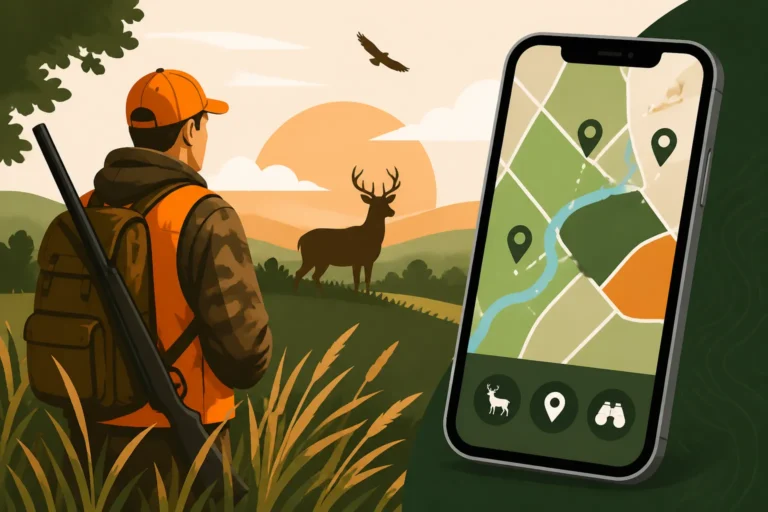
In today's hunting world, digital mapping applications are indispensable, and nowhere is that truer than in the Rainwater Basin. Services like onX Hunt or GoHunt provide satellite imagery that is regularly updated, showing current field conditions, water levels (or lack thereof), and terrain features that static paper maps simply cannot convey. You can often see exactly where water is holding, where vegetation is dense, and where open water might allow for decoy spreads.
Beyond satellite imagery, these apps display public land boundaries with precision, including WPAs, WMAs, and critical Open Fields and Waters tracts. You can mark waypoints, track your movement, and avoid accidentally trespassing onto private land—a constant concern in a checkerboard landscape like the Basin. Pre-scouting from your couch using these tools is a powerful first step. You can identify potential access routes, pinpoint promising hunting spots based on habitat features, and even note potential obstacles like deep ditches or dense cattail stands. Make sure to download offline maps, as cell service can be spotty in some of the more remote areas of the basin. This proactive digital scouting allows you to arrive at the wetland with a solid plan, rather than spending precious hunting time figuring out where you are or if you're on public ground.
Physical Scouting and On-the-Ground Recon
While digital maps are an excellent starting point, nothing beats good old-fashioned physical scouting. The satellite image might show water, but it won't tell you how deep it is, if the bottom is muddy, or if there's an impenetrable thicket of reeds blocking your path. A quick drive-by or, even better, a walk-in during the off-season or a few days before your hunt can provide invaluable insights. Look for current water levels, evidence of recent bird use (like droppings or disturbed mud), and assess the ease of access.
When scouting, pay attention to surrounding cover that could provide concealment for a blind, or open areas suitable for a layout blind if you're field hunting geese. Check the wind direction on the day of your scout and mentally plan potential approach routes that keep you concealed and upwind of where you expect birds to be. This is also your chance to identify potential hazards, such as hidden holes, submerged fences, or unusually deep mud. Remember, conditions can change rapidly in the Rainwater Basin, especially with rain or significant temperature swings, so recent scouting is always best. This blend of Scouting Nebraska Public Ground Before Opening Day with detailed digital maps gives you the most complete picture.
Vehicle and Foot Travel Challenges
Accessing Rainwater Basin wetlands often presents unique travel challenges. Many public tracts are located off gravel roads, and while these are generally well-maintained, heavy rains can turn them into muddy quagmires. Always be prepared for adverse road conditions, and consider a vehicle with four-wheel drive if you plan to explore less-traveled routes. Parking can also be limited, especially on popular opening days, so be mindful of private driveways and field entrances.
Once you leave the vehicle, foot travel is the norm. This means carrying all your gear—decoys, blind, shotgun, ammunition, waders, and snacks—across potentially long distances, often through thick cover or standing water. Quality waders are non-negotiable for most wetland hunting in the Basin; choose a pair that offers good insulation if hunting in cold weather and is durable enough to withstand brush and mud. Waders for Rainwater Basin Wetlands are an absolute must. Boots are equally important for walking uplands or drier areas. Expect to get muddy, and dress in layers to accommodate exertion while walking and then sitting in potentially cold, windy conditions. It's a physically demanding hunt, but the rewards of decoying in ducks and geese make it all worthwhile.
Planning Your Hunt: Regulations and Considerations
Once you've identified your access points and scouted your desired wetland, the next step is to meticulously plan your hunt, keeping all relevant regulations and ethical considerations in mind.
Waterfowl Seasons and Bag Limits
Nebraska's waterfowl seasons are complex, with different zones, split seasons, and specific dates for various species. The Rainwater Basin typically falls within certain duck and goose zones, and it's imperative to consult the current Nebraska Game and Parks Commission hunting guide for precise Nebraska Duck Zones and Split Seasons and Nebraska Goose Units and Dates. Pay close attention to daily bag limits and possession limits, which can differ not only by species but sometimes by sex of the bird (e.g., mallards).
Beyond regular seasons, the Rainwater Basin is famous for the Nebraska Light Goose Conservation Order, which runs during the late winter and early spring. This special season allows for extended hunting hours, unplugged shotguns, and no daily bag limit on snow, blue, and Ross's geese, offering a unique high-volume hunting experience. However, even during the Conservation Order, specific regulations apply, and hunters must still possess a valid Nebraska hunting permit, habitat stamp, and federal duck stamp. Remember that HIP registration is also a Nebraska HIP Registration Requirement for all migratory bird hunters. Failing to adhere to these basic regulations can quickly turn a great hunt into a legal headache.
Decoy Spreads and Blind Considerations
The type of decoy spread you use in the Rainwater Basin will largely depend on the species you're targeting and the specific wetland conditions. For ducks, a spread of a couple dozen mallard and pintail decoys often works well in smaller potholes, mimicking a natural feeding group. If you're hunting larger wetlands or targeting divers, you might need more decoys and specific layouts. When hunting geese, especially snow geese, larger numbers of decoys, including full-body and shell decoys, are often necessary to create a realistic spread that can pull birds from afar. Decoy Spreads for Rainwater Basin Geese often involves hundreds, sometimes thousands, of decoys for large field operations.
Blind concealment is paramount. The Rainwater Basin, particularly in its more open sections, can be very flat, offering little natural cover. Layout blinds are excellent for field hunting geese, blending seamlessly into harvested corn or stubble. For wetland hunting, portable panel blinds or simple ghillie blankets can be effective when brushed in with natural vegetation found on site. Always be mindful of your silhouette against the sky and use the available natural cover—whether it's cattails, willow clumps, or a rise in the ground—to your advantage. A well-concealed hunter can make all the difference in decoying wary birds.
Safety and Ethics in the Wetlands
Hunting in the Rainwater Basin requires a strong commitment to safety and ethical conduct. First and foremost, always ensure safe firearm handling. With multiple hunters often in proximity, knowing your shooting lanes and being absolutely certain of your target and what lies beyond it is non-negotiable. Wear blaze orange when walking to and from your hunting location, even if not explicitly required for waterfowl, to increase your visibility to other hunters.
Beyond firearm safety, consider the environmental conditions. Hypothermia is a real risk in cold, wet weather, so dress appropriately in layers that wick moisture and provide insulation. Carry a first-aid kit, and let someone know where you're going and when you expect to return, especially if you're hunting alone in a remote area. Ethical hunting also includes retrieving all downed birds. Wounded birds can travel a significant distance, so be prepared to pursue them, even if it means trudging through mud or water. Use a good retriever if you have one, or be diligent in marking where birds fall. Picking up all spent shells and leaving no trace of your presence is also a sign of a responsible hunter. Respect for the land, the wildlife, and fellow hunters ensures that these precious public access areas remain viable for generations to come.
| Public Access Type | Primary Management | Typical Habitat | General Access | Key Advantage |
|---|---|---|---|---|
| Waterfowl Production Areas (WPAs) | U.S. Fish & Wildlife Service | Wetlands (seasonal & permanent), uplands | Walk-in access, often remote | Federally protected, habitat-focused |
| Wildlife Management Areas (WMAs) | NE Game & Parks Commission | Wetlands, uplands, some timber | Walk-in, some developed parking/launches | State managed for diverse wildlife |
| Open Fields and Waters | NE Game & Parks Commission (private land lease) | Varies (often ag fields, small wetlands, riparian) | Walk-in only, clearly marked with signs | Expands access to private land holdings |
Maximizing Your Success in the Rainwater Basin
Hunting the Rainwater Basin can be incredibly rewarding, but it often requires more than just showing up. Success comes from adapting to dynamic conditions and understanding bird behavior.
Reading Water Levels and Bird Behavior
One of the biggest challenges and opportunities in the Rainwater Basin is the constantly fluctuating water levels. A wetland that was bone dry in August could be full of water and ducks by October, and vice versa. Regularly checking online resources (like the NGPC website for WMA water levels or using advanced mapping tools like onX Hunt and GoHunt with their recent imagery) can give you a heads-up. However, the best way to read water is to be there, scouting. Shallow, sheet water over flooded stubble or grass is often a magnet for dabbling ducks like pintails and mallards. Deeper pockets might hold divers.
Birds themselves are the ultimate indicators. If you're seeing concentrations of ducks or geese repeatedly using a particular basin, that's your cue. Pay attention to how they approach the water – if they're cupping their wings and dropping straight in, they're comfortable. If they're circling high and wary, something might be off. Observe their feeding habits; actively feeding birds are often less cautious. Understanding that birds will choose the freshest, most accessible food sources and safest resting areas will help you predict their movements. Duck Production in the Rainwater Basin often correlates directly with optimal water levels and available forage.
Adapting to Weather and Migration Patterns
Weather is the ultimate dictator of migration in the Central Flyway, and therefore, of hunting success in the Rainwater Basin. A strong cold front pushing down from the north can bring in a new wave of birds overnight, completely changing the hunting landscape. Conversely, a prolonged period of warm, stable weather might cause birds to linger further north or spread out, making them harder to find. Keep a close eye on weather forecasts, not just for your immediate hunting area, but for regions to the north of Nebraska.
Wind is another critical factor. Ducks and geese almost always land and take off into the wind. This means setting your decoys so that incoming birds will approach from upwind, giving them a natural landing zone within shooting range. A strong wind can also influence bird flight paths, often causing them to fly lower and seek shelter in more protected basins. Rain and snow can push birds down, making them more receptive to decoys, while bright, clear days can make them warier. Being able to adapt your setup, moving your decoys, or even relocating to a different part of the wetland based on changing weather conditions is a hallmark of a successful Rainwater Basin hunter. Remember those immense Snow Goose Numbers in Spring Migration are driven entirely by weather fronts.
Post-Hunt Logistics and Game Care
The hunt doesn't end when the birds are down. Proper post-hunt logistics and game care are crucial, especially if you're hunting during warmer early-season periods. In Nebraska, Field Dressing and Cooling Game in Warm Weather is a skill you'll want to master quickly. Birds should be breasted out or completely plucked and cooled as soon as possible after the hunt. This means having a cooler packed with ice ready in your vehicle, especially if you've had a successful morning.
Transporting your game also has rules. Ensure that at least one fully feathered wing remains attached to migratory birds until they reach your home or a commercial processing facility, to allow for species identification by game wardens. Understand the tagging and possession limits, and always report your harvest as required. Respecting the game you've taken by properly caring for the meat is not just a matter of ethics, but also ensures you have delicious waterfowl to enjoy later. A well-prepared hunter considers the entire process, from scouting to table.
Disclaimer
This article is for general informational purposes only and does not constitute professional advice. Laws, prices and regulations vary by location and change over time. Consult a qualified professional for guidance on your specific situation.