Fort Niobrara Refuge Hunting Status
There's a special kind of excitement that bubbles up when you start looking at large tracts of public land for hunting, especially places like National Wildlife Refuges. You see those big green or blue blobs on a map, envisioning vast, untouched landscapes teeming with game, only to quickly hit the wall of confusing regulations. It's a common frustration for hunters, trying to decipher what's open, what's closed, and what kind of permit you need beyond your state license. Fort Niobrara National Wildlife Refuge, nestled in north-central Nebraska, is one such area where understanding the nuances of its hunting status is absolutely crucial before you even think about packing your gear. This comprehensive guide will walk you through the realities of hunting on federal refuge lands, specifically addressing what you can expect—and what you'll need to confirm—regarding access and opportunities at Fort Niobrara.
Navigating National Wildlife Refuge Regulations
National Wildlife Refuges (NWRs) are unique treasures, established primarily for the conservation of wildlife and their habitats. While hunting, fishing, and other wildlife-dependent recreation are often permitted, it’s always secondary to the refuge's primary conservation mission. This means that hunting opportunities, when they exist, are typically much more restricted and highly managed than on state-managed public lands or private properties.
Why Refuge Rules Are Different
The U.S. Fish and Wildlife Service, which manages the NWR system, has a mandate that differs from state game and parks agencies. State agencies are often tasked with providing recreational opportunities alongside conservation, balancing various user groups. Refuges, however, prioritize habitat protection and specific species management above all else. This focus often translates into very specific, sometimes seemingly arbitrary, rules for hunters. You might find certain units of a refuge closed entirely, others open only for specific species or seasons, and some restricted to archery-only or even youth-only hunts. These aren't just suggestions; they're strictly enforced federal laws, and ignorance is no excuse. It's a different beast than just checking your state's general hunting guide.
Imagine planning a full weekend trip, driving hours, only to arrive and discover the area you intended to hunt is completely closed for the season, or only open for a species you don't have a tag for. It's happened to the best of us, and it's why due diligence is paramount when it comes to federal lands. The regulations are in place to minimize disturbance to wildlife, protect sensitive habitats, and manage wildlife populations in a way that aligns with the refuge's specific conservation goals. This is also why checking the current year's regulations is critical, as they can, and often do, change annually.
Where to Find the Official Information
Trying to figure out the exact hunting status for a federal refuge can feel like a scavenger hunt, but it doesn't have to be. Your absolute first stop should always be the official website for the specific National Wildlife Refuge you're interested in. For Fort Niobrara National Wildlife Refuge, a quick online search for "Fort Niobrara NWR hunting" will usually lead you straight to their public use regulations page. This page, or a downloadable brochure linked from it, will contain the definitive rules for the current season.
While general mapping apps like onX Hunt are incredibly valuable for showing property boundaries and public versus private land, they often do not contain the granular, year-specific hunting regulations for federal refuges. These apps are fantastic for seeing that you are, indeed, on a federal property like Fort Niobrara, but they won't tell you if Unit A is open for archery deer but Unit B is closed for waterfowl, or if a special permit is required. Similarly, resources like The Nebraska Public Access Atlas are indispensable for finding many public hunting spots across the state, but federal refuges often operate under their own distinct set of rules that go beyond what the Atlas can detail. You need to combine the general mapping capability of onX Hunt with the hyper-specific, yearly regulations published directly by the refuge. It’s a two-step process: identify the land, then verify the specific, current rules from the managing agency.
Hunting Opportunities at Fort Niobrara National Wildlife Refuge
Fort Niobrara NWR is perhaps best known for its scenic beauty, the wild Niobrara River, and its impressive bison and elk herds. This last part is key when discussing hunting, as the presence of these large, iconic animals directly impacts, and often limits, hunting opportunities for other species.
Deer Hunting at Fort Niobrara
When it comes to deer hunting at Fort Niobrara, it's generally a very limited affair. Many National Wildlife Refuges are closed to big game hunting entirely, or they have very specific, often draw-based, hunts designed to manage population numbers rather than provide broad recreational opportunity. For Fort Niobrara, the primary focus is often on the resident bison and elk. While white-tailed deer are certainly present, hunting opportunities for them are either non-existent or restricted to specific, highly controlled hunts, typically with antlerless-only tags to help manage the herd or as part of a youth mentorship program.
It's highly unlikely you'll find an open-season, any-deer archery or firearm hunt here in the same way you might on other Nebraska public lands. If deer hunting is permitted, it often involves a special refuge permit application process, separate from your state deer permit, and has extremely limited tags or specific harvest criteria (e.g., antlerless-only, or very specific dates that don't align with general state seasons). This is a prime example of why checking the refuge's current public use regulations is not just a suggestion, but a necessity. Don't assume that because deer are abundant in the area, you can hunt them freely on the refuge.
Upland Birds and Small Game
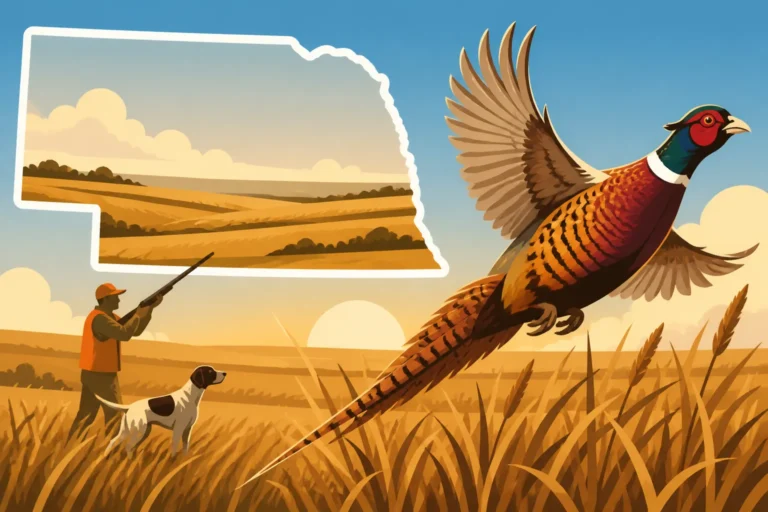
Opportunities for upland birds and small game are sometimes more accessible on NWRs than big game, but still require careful checking. Species like pheasants, quail, rabbits, and squirrels might be found on the refuge, particularly in peripheral areas or specific habitat types. However, Fort Niobrara’s landscape, with its mixed grass prairie and riverine habitats, tends to favor certain species over others.
If small game or upland bird hunting is allowed, expect strict regulations on open areas, season dates (which might be shorter than statewide seasons), and even shooting hours. Some refuges might prohibit dog use to prevent disturbance to ground-nesting birds or other sensitive wildlife during certain times of the year. You'll need to confirm if these types of hunts are offered at all, and if so, where and under what conditions. Again, the refuge's public use regulations document will be your definitive source. If you're hoping to chase some roosters or cottontails, you'll need to verify that those specific activities are permitted in designated areas.
Waterfowl Hunting Considerations
Given its location on the Niobrara River, some hunters might naturally wonder about waterfowl hunting opportunities at Fort Niobrara. While the Niobrara River itself is a significant migration corridor, National Wildlife Refuges often have specific waterfowl management areas or, conversely, act as complete waterfowl sanctuaries where hunting is strictly prohibited. The presence of other large wildlife, like the elk and bison, means that certain areas might be designated as disturbance-free zones year-round.
If waterfowl hunting is permitted, it will typically be in very specific units, often with strict rules regarding blind placement, shooting hours, and potentially even special refuge permits. You might find areas designated for walk-in hunting only, or areas where decoys are prohibited. Given that many refuges play a crucial role as resting and feeding areas for migrating birds, it's common for them to have very limited or no waterfowl hunting to ensure the birds have undisturbed sanctuary. For any waterfowl pursuit, you'd need not only your state hunting permit and habitat stamp, but also a federal duck stamp, and potentially specific refuge permits, as well as an understanding of the refuge's unique rules for Nebraska Duck Zones and Split Seasons.
Here’s a general overview of typical hunting permissions on National Wildlife Refuges, which Fort Niobrara generally aligns with, but always verify current refuge-specific rules:
| Species Category | Typical NWR Hunting Status (General Expectation) | Considerations for Fort Niobrara NWR |
|---|---|---|
| White-tailed Deer | Very limited, often special draw, antlerless-only, or youth hunts | Check for extremely restricted, special permit hunts. May be closed. |
| Mule Deer | Extremely limited, usually closed, due to population management | Very likely closed, especially given focus on elk/bison. |
| Elk | Generally prohibited, as refuges protect these herds | Hunting of the managed elk herd is typically not permitted. |
| Bison | Generally prohibited, as refuges protect these herds | Hunting of the managed bison herd is not permitted. |
| Upland Birds (Pheasant, Quail, Grouse) | Limited, specific areas, shorter seasons than statewide | Check for designated small game areas and seasons. Dog restrictions possible. |
| Small Game (Rabbit, Squirrel) | Limited, specific areas, shorter seasons | Similar to upland birds; specific rules on locations and dates apply. |
| Waterfowl | Highly variable; can be open in designated units or entirely closed | Check for specific waterfowl units or if it's a waterfowl sanctuary. |
| Predators/Furbearers | Rarely permitted for hunting; sometimes trapping allowed via special permit | Hunting likely not permitted. Check refuge regulations specifically. |
Disclaimer: This table represents general expectations for NWRs. Fort Niobrara NWR's specific, current regulations supersede this general guide and must be verified directly with the refuge.
Permits, Seasons, and Practical Advice for Fort Niobrara
Successfully hunting any public land, especially a federal refuge, hinges on meticulous preparation. This isn't a place for "winging it." It demands understanding complex layers of regulations and utilizing the right tools.
Understanding Special Permit Requirements
It's a common misconception that if you have your state hunting license and the appropriate species tag, you're good to go anywhere in the state. That's rarely the case with National Wildlife Refuges. Many refuges, including potentially Fort Niobrara, require their own specific refuge permit in addition to your state hunting license and game tags. This isn't just an extra piece of paper; it's part of their management strategy. These refuge permits might be free, or they might have a nominal fee to cover administrative costs or habitat improvements. They could be required for specific hunts, like an antlerless deer hunt, or for general access during a hunting season.
You might also find that the refuge has a lottery or drawing system for big game opportunities, similar to what you might encounter with Nebraska Big Game Permits and How to Get One for limited-entry state units. These drawings are often separate from the state's drawing process and have their own application periods and deadlines. Always check the refuge's website well in advance of the hunting season for details on any required refuge-specific permits or drawings. Missing a deadline for a special refuge permit could mean missing out on the only hunting opportunity available.
Checking Specific Season Dates
Another critical difference between NWRs and general state hunting regulations is that refuge seasons rarely align perfectly with statewide seasons. Even if a species is open for hunting statewide, the season at Fort Niobrara could be shorter, open on different dates, or only open for certain days of the week. For example, a statewide archery deer season might run for four months, but the refuge might only open for two weeks in November, and only for antlerless deer.
These modified seasons are put in place to reduce pressure on wildlife, avoid conflict with other recreational users (like bird watchers or hikers), or protect specific wildlife populations during sensitive times, such as migration or nesting. Always consult the official refuge regulations for the exact season dates for any species you intend to pursue. Don't rely on your state's general hunting guide alone, as it will likely not include these specific federal land nuances. Planning your trips around these often-compressed seasons requires careful calendaring.
Essential Tools for Planning Your Refuge Hunt
Once you've poured over the refuge's specific public use regulations, you'll need the right tools to execute your hunt effectively. A mapping application like onX Hunt is an absolute game-changer for federal lands. It allows you to clearly see property boundaries, which is crucial for staying within the permitted hunting areas and avoiding unintentional trespass onto private land or refuge zones that are off-limits. You can download maps for offline use, which is incredibly important in areas like the Sandhills where cell service can be spotty. Knowing your precise location relative to a boundary or a restricted zone can be the difference between a legal harvest and a significant federal violation.
Beyond mapping, a resource like GoHunt can provide broader regional information and sometimes even insights into draw odds for limited entry hunts, though always cross-reference their data with the official refuge rules. For general preparedness, having reliable navigation, whether a dedicated GPS unit or a fully charged smartphone with downloaded maps, is one of the Electronics a Nebraska Hunter Actually Needs. Always carry a physical map as a backup, especially in remote areas. Remember, your research doesn't stop with simply identifying the refuge; it extends to understanding every layer of regulation and using technology responsibly to ensure compliance and a safe, ethical hunt. Pay attention to signage at the refuge entrance and within the property; these signs often provide real-time updates or reinforce key regulations.
Disclaimer
This article is for general informational purposes only and does not constitute professional advice. Laws, prices and regulations vary by location and change over time. Consult a qualified professional for guidance on your specific situation.