Open Fields Tracts Best for Pheasants
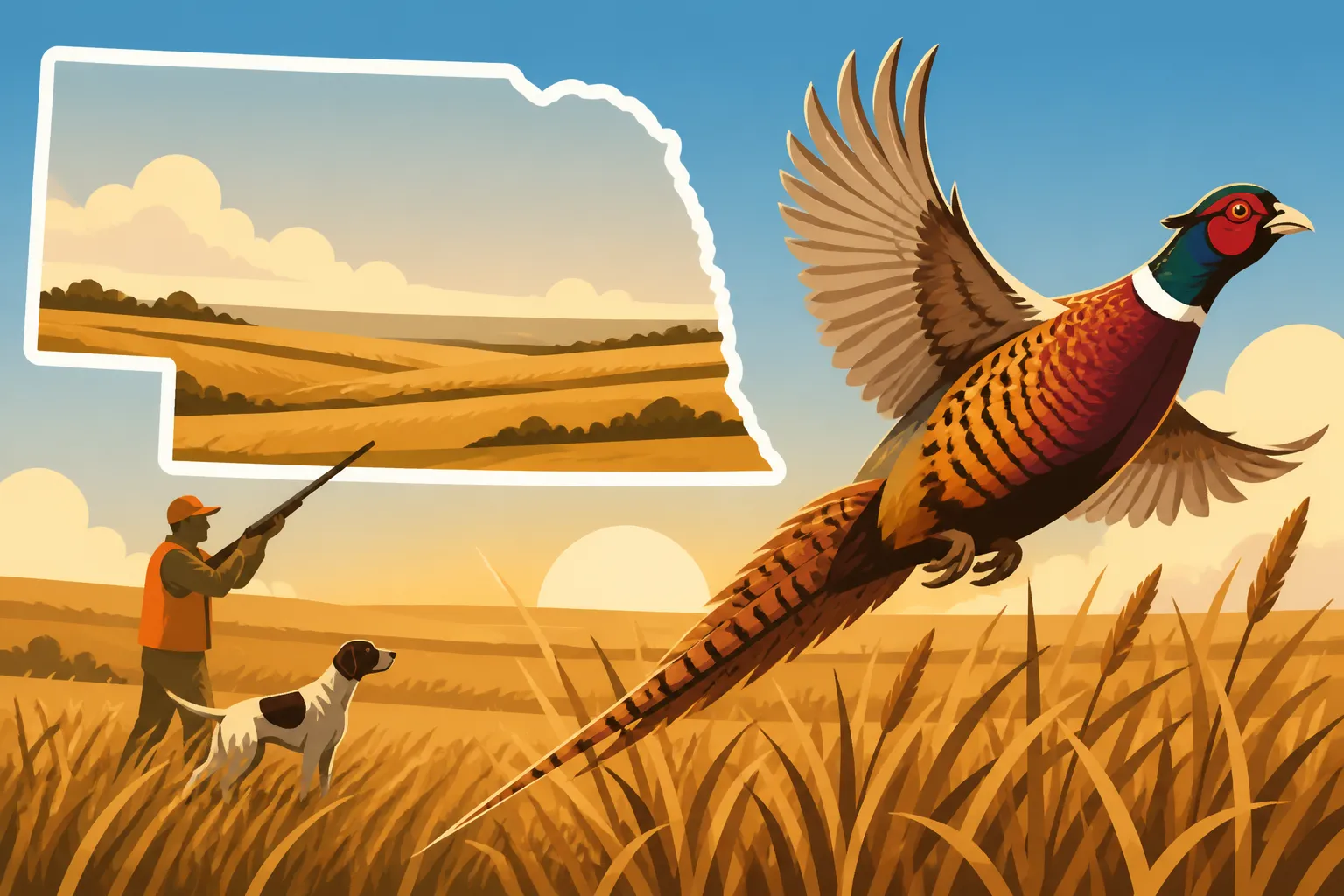
Finding prime pheasant hunting ground in Nebraska, especially public access that holds birds, can feel like a never-ending puzzle for many hunters. You spend hours poring over maps, driving gravel roads, and often come up empty-handed or run into crowded spots. This guide is here to help you cut through that frustration by focusing on how to identify and effectively hunt the best Open Fields and Waters (OFW) tracts for pheasants, helping you put more roosters in your vest.
Understanding Nebraska's Open Fields and Waters OFW Program for Pheasants
The Nebraska Game and Parks Commission's Open Fields and Waters (OFW) program is a godsend for upland bird hunters, providing access to hundreds of thousands of acres of private land. It's designed to give hunters and anglers public access where it might otherwise be scarce, especially in areas dominated by private farming or ranching. For pheasant hunters, understanding how this program works and what kind of land it typically enrolls is the first step toward finding those elusive roosters.
What Makes OFW So Valuable for Bird Hunters?
Imagine vast stretches of Nebraska where "No Trespassing" signs are as common as cornfields. That's the reality for many hunters seeking access. The OFW program directly addresses this challenge by contracting with private landowners to open their property for public recreation. This means landowners receive an incentive to allow access, and hunters gain legitimate places to pursue game. For pheasants, this often translates into fantastic opportunities on land that would otherwise be completely off-limits. These tracts vary wildly, from native grasslands in the Sandhills to agricultural fields with excellent edge cover in eastern Nebraska, all marked by distinctive yellow OFW signs. Unlike some larger, designated public lands, OFW tracts can be scattered and often border existing private properties, making them feel more like hidden gems. They're explicitly designed to How Many Acres Nebraska Opens to Hunters and provide essential hunting space.
How to Identify Prime Pheasant Habitat on OFW Tracts
Not all OFW acres are created equal, especially when it comes to pheasants. To find the best spots, you need to think like a pheasant. Look for a mosaic of cover types that provide food, escape cover, and roosting areas. Dense nesting cover is crucial in spring and summer, but in fall and winter, pheasants gravitate towards thicker, protective cover that offers refuge from predators and harsh weather, often adjacent to food sources. This includes tall, undisturbed grasslands—often Conservation Reserve Program (CRP) acres—that can hold birds for nesting and loafing. Cropland that's been harvested, leaving behind corn or milo stubble, is a magnet for feeding birds, especially if it’s close to heavy cover like cattail sloughs or robust shelterbelts. Don't overlook creek bottoms with thick brush or unharvested corners of fields; these "edge" habitats are frequently where pheasants spend their time. When you're Reading a Nebraska Deer Unit Boundary or Reading the Nebraska Public Access Atlas, pay close attention to the aerial imagery to spot these key habitat features.
Key Regions and Specific Tract Characteristics for Top Pheasant Hunting
Nebraska's diverse landscape means pheasant habitat varies significantly from west to east. Understanding these regional differences can help you pinpoint the best OFW tracts for pheasants, no matter which part of the state you're exploring.
Western and Central Nebraska: Sandhills and Rainwater Basin Pheasant Havens
In the vast expanse of western and central Nebraska, including the iconic Sandhills, pheasant hunting on OFW tracts can be truly exceptional. Here, you'll find extensive native grass prairies, often interspersed with CRP fields, pivot-irrigated crop circles, and the occasional cedar draw. Pheasants thrive in these landscapes, utilizing the dense grass for cover and nesting, and moving into harvested crop fields for feeding. OFW tracts in the Sandhills often consist of large blocks of grassland, sometimes with pockets of heavier brush or low-lying areas. It's challenging but rewarding hunting, where Walking Nebraska Sandhills Meadows for Sharptails can reveal not just grouse but also wily pheasants.
The Rainwater Basin region, primarily in south-central Nebraska, is famous for its wetlands and is also a significant pheasant area. While known for waterfowl, the edges of these wetlands and the adjacent agricultural fields enrolled in OFW provide fantastic pheasant opportunities. Look for tracts with thick cattail marshes or dense switchgrass next to harvested corn or milo fields. These areas offer excellent thermal cover and abundant food, especially during colder weather. The diverse habitat mix means birds don't have to travel far between food and cover, making them ideal for hunters willing to put in the legwork.
Eastern Nebraska: Row Crop Country Opportunities
Eastern Nebraska, with its extensive row crop agriculture, might seem less wild than the Sandhills, but it holds its own unique charm for pheasant hunters. Here, OFW tracts often consist of smaller, more fragmented parcels, but they can be incredibly productive. Focus your efforts on tracts that include critical cover elements within or adjacent to corn and soybean fields. This means looking for robust shelterbelts—those lines of trees and shrubs planted to break the wind—that pheasants absolutely love, especially on cold, windy days. Creek bottoms, even narrow ones, often have unmanaged brushy edges that provide fantastic escape cover and travel corridors. Also, keep an eye out for those odd-shaped corners of fields that might be left unplanted or have dense weedy growth. Hunting a Shelterbelt Between Nebraska Fields on an OFW tract can lead to some explosive flushes, especially if birds are pushed in from surrounding fields. Remember, pheasants here often utilize every bit of available cover, making thorough hunting of these smaller parcels essential.
| Region | Typical OFW Habitat for Pheasants | Key Features to Look For | Hunting Strategy Suggestion |
|---|---|---|---|
| Western/Central | Native grasslands, CRP, pivot corners, scattered cedar draws, wetland edges | Large blocks of dense grass, adjacent stubble, water sources | Systematically walk large grass fields; check pivot corners |
| Rainwater Basin | Cattail marshes, switchgrass, harvested crop field edges | Dense wetland edge cover, proximity to corn/milo | Focus on transitions between water and dry land |
| Eastern Nebraska | Shelterbelts, creek bottoms, unharvested field corners, milo/corn stubble | Thick linear cover, brushy drainages, diverse crop remnants | Walk shelterbelts and creek lines; push field corners |
Strategies for Successfully Hunting OFW Pheasant Tracts
Successfully hunting OFW pheasant tracts requires a blend of preparation, smart use of modern tools, and effective in-field tactics. It's not just about showing up; it's about knowing where to go and how to hunt it efficiently.
Pre-Season Scouting and In-Season Navigation with Digital Tools
The best pheasant hunts start long before opening day. Begin by checking the latest Nebraska Public Access Atlas, available online or in print. This is your primary source for identifying OFW tracts. Once you have a target area, dive into digital scouting. Tools like onX Hunt are invaluable here. You can overlay property boundaries onto aerial imagery, allowing you to see exactly where the OFW land is and what kind of habitat it offers. Look for those mosaics of cover: dense grass next to corn stubble, brushy draws, or cattail sloughs. You can drop pins on promising spots, mark potential entry and exit routes, and plan your hunt strategy without ever leaving your home. When you're in the field, onX Hunt on your phone acts as your GPS, showing your exact location relative to boundaries and marked features, which is crucial for staying on public ground and making the most of your time. This level of detail helps immensely when you are Scouting Nebraska Public Ground Before Opening Day. It's a game-changer for navigating unfamiliar territory and confirming onX Layers for Nebraska Land Status.
Hunting Tactics Tailored for OFW Pheasant Cover
Once you're on an OFW tract, adapt your hunting style to the specific cover you encounter. In large, uniform blocks of CRP or native grass, a systematic approach is key. If you have a dog, let them work the cover in a grid pattern. Without a dog, several hunters can spread out to Blocking and Driving a Nebraska Field, pushing birds towards the end of the cover, or simply walk slowly, stopping frequently to make pheasants nervous and more likely to flush. For fields of milo or corn stubble, a slower pace is often more effective. Pheasants will run ahead of you, so quick stops and changes in direction can often cause them to hold or flush. Walking Milo and Corn Stubble for Pheasants requires patience and sharp eyes.
When hunting linear cover like shelterbelts or creek bottoms, the best strategy is often to walk one side, while a partner walks the other, or to push the entire length with multiple hunters. Birds will often run the length of the cover before flushing, so be ready for shots that may come out of nowhere. For dense cattail sloughs, especially Working a Cattail Slough in January, it's often a brutal push, but these areas can hold a surprising number of birds, especially in late season. Remember, pheasants are masters of evasion, so always be ready for a flush, and trust your instincts—and your dog's nose!
Common Challenges and Tips for Maximizing Your OFW Pheasant Hunt
Even with the best planning, pheasant hunting on OFW tracts can present its own set of challenges. Knowing how to anticipate and overcome these can significantly improve your success and enjoyment.
Dealing with Hunting Pressure and Weather Variables
One of the biggest realities of hunting public access, including OFW, is hunting pressure. Especially on opening weekend or prime days, you might find other hunters on the same tract. To mitigate this, consider hunting mid-week if possible, or target tracts that require a bit more walking to access—many hunters will stick to areas close to roads. Arriving at first light also gives you an advantage. The birds will be fresh, and you might get a good run before others show up. Don't be afraid to walk a little further than the average hunter; those extra few hundred yards can often lead you to untouched pockets of birds.
Weather also plays a huge role. Early season hunts in warm weather can be tough on dogs, so ensure they have plenty of water and take frequent breaks. Late-season hunts with snow, however, can be fantastic. Snow concentrates birds in thick cover and makes tracking easier, though it also makes pheasants flush wilder. Late-Season Roosters and Longer Flushes are a common experience when the snow flies. Wind, a constant companion in Nebraska, can either help or hinder. Use it to your advantage: walking into the wind can help your dog scent birds better and can mask your approach.
Respecting the Land and Ensuring Future Access
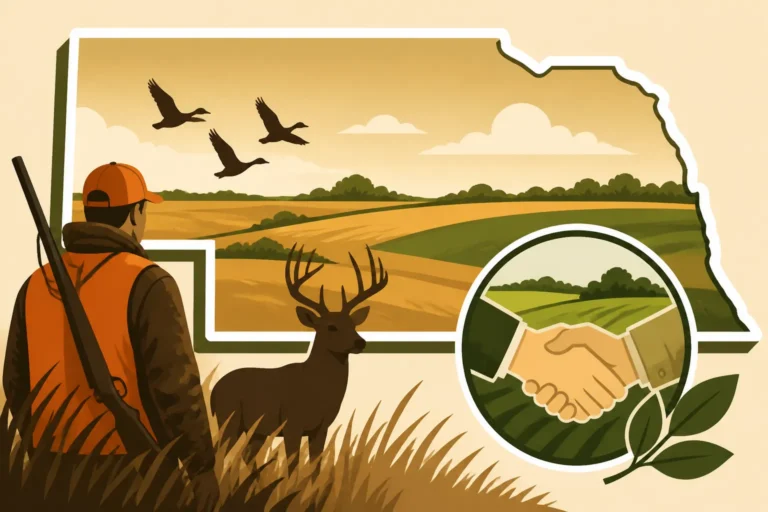
The Open Fields and Waters program relies on the goodwill of private landowners. It's incredibly important for all hunters to treat these tracts with the utmost respect to ensure the program's continuation and future access. Always stay within the signed boundaries of the OFW tract; venturing onto adjacent private land without permission is trespassing and can jeopardize the entire program. Leave no trace: pack out everything you pack in, including empty shells and any trash. Close all gates behind you, even if they appear to be open, to respect livestock and property. Being a responsible and ethical hunter on these tracts is not just about following the law; it's about being a good ambassador for the hunting community. Remember that Nebraska's Posted-Land and Trespass Rules are in place for a reason, and upholding them protects everyone's access. The success of programs like OFW depends on hunters demonstrating that they are trustworthy and respectful stewards of the land.
Disclaimer
This article is for general informational purposes only and does not constitute professional advice. Laws, prices and regulations vary by location and change over time. Consult a qualified professional for guidance on your specific situation.