Camping on Nebraska Public Ground
For many of us who love to hunt Nebraska, the thought of sleeping under the stars, right there on the land we plan to hunt, is incredibly appealing. It’s an immersion into the wild that a hotel room just can’t replicate. But the reality is, finding legal and practical camping spots on public hunting ground in Nebraska can feel like cracking a secret code, especially with varying regulations across different types of public access. This guide will help you understand where you can pitch a tent or park your camper, what to expect, and how to make your public land camping hunt a success.
Understanding Nebraska's Public Camping Landscape
Nebraska offers a variety of public lands, each with its own set of rules and opportunities for camping. It's not a one-size-fits-all situation, and understanding these nuances is crucial to a stress-free trip. The state is a patchwork of accessible lands, from managed wildlife areas to vast national forests and grasslands, and knowing what's allowed where can save you a lot of headache and potential fines.
Wildlife Management Areas and State Recreation Areas: The Rules of the Game
Wildlife Management Areas (WMAs) and State Recreation Areas (SRAs) are some of the most common public lands hunters access in Nebraska. While WMAs are primarily managed for wildlife habitat and public hunting, SRAs are generally focused on broader recreational use, including camping. This distinction is vital when it comes to overnight stays.
On many WMAs, primitive or dispersed camping is often not explicitly allowed or encouraged due to their primary purpose of wildlife conservation and hunting access. These areas are usually intended for day use, and managers want to minimize human impact beyond hunting activities. However, some WMAs might have designated camping spots, usually very basic, or be adjacent to SRAs or state parks where camping is permitted. It’s a bit of a mixed bag, and the best advice is always to check the specific WMA's regulations. You'll often find these details buried on the Nebraska Game and Parks Commission website or listed in the Nebraska Wildlife Management Area Rules booklet. Without diligent research, you might arrive at your chosen hunting spot only to find there's no legal place to set up camp, forcing a scramble for alternative lodging that's miles away from your hunting grounds.
State Recreation Areas, on the other hand, are much more geared towards camping. Many SRAs offer developed campgrounds with amenities ranging from basic vault toilets and hand pumps to full hook-ups for RVs, depending on the site. These areas are typically open to hunters during appropriate seasons, making them excellent bases of operation if they are conveniently located near your hunting units. The trade-off is that SRAs can be popular, especially during peak seasons, and you might not get the solitude you're looking for, or even a spot without reservations. It's a balance between convenience and wilderness experience.
National Forests and Grasslands: Vast Opportunities
Nebraska is home to parts of two National Forests (Nebraska National Forest at Halsey and Samuel R. McKelvie National Forest) and the immense Oglala National Grassland. These federal lands offer some of the most expansive and remote camping opportunities for hunters in the state, often allowing for dispersed, primitive camping away from designated sites. This is where you can truly get away from it all and immerse yourself in your hunt.
The Nebraska National Forest at Halsey, for example, is the largest hand-planted forest in the Western Hemisphere, offering unique habitat and hunting opportunities. Here, you'll often find more flexibility for primitive camping, allowing you to set up a tent or park a small camper in undeveloped areas, provided you follow Leave No Trace principles and local regulations. The same generally applies to the Samuel R. McKelvie National Forest. The key here is "developed" versus "undeveloped." While there might be a few designated campgrounds, the real appeal for hunters is the freedom to find a secluded spot within the vastness of the forest. Nebraska National Forest at Halsey covers more details about hunting in this unique environment.
The Oglala National Grassland, stretching across the northwestern corner of the state, is another prime example of federal land with liberal camping rules. It's a hunter's paradise for mule deer, antelope, and prairie grouse, and you can often pitch your tent or park your rig almost anywhere, as long as it's not a restricted area, doesn't block roads, and respects existing infrastructure. This is true dispersed camping. The sheer scale of the Oglala means you can truly set up a base camp deep within your hunting grounds, cutting down on travel time and increasing your time afield. Remember that while rules are generally permissive, fire restrictions, especially during dry seasons, are common and strictly enforced. Oglala National Grassland Hunting provides more insight into pursuing game in this incredible area.
Open Fields and Waters: Day Use Only
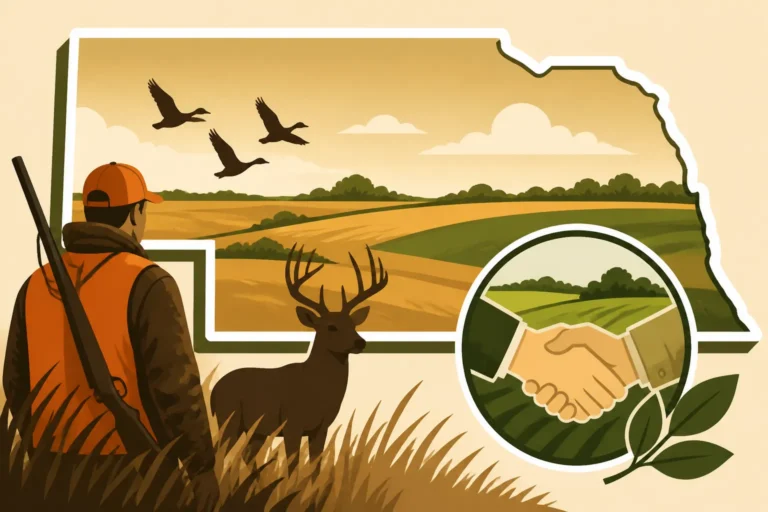
Nebraska's "Open Fields and Waters" (OFW) program is a fantastic initiative that leases private land for public hunting and fishing access. These tracts are a game-changer for hunters seeking access, but it's crucial to understand their limitations regarding camping.
Generally, OFW tracts are designated for day use only. This means no overnight camping is permitted. The agreements between the Nebraska Game and Parks Commission and private landowners typically do not include provisions for camping, and it's essential to respect these terms to ensure the program continues to thrive. Attempting to camp on an OFW tract, even if it feels remote, could lead to trespassing issues or revocation of the landowner's participation in the program.
If your hunting strategy relies heavily on OFW lands, you'll need to plan for alternative camping arrangements, such as nearby SRAs, private campgrounds, or federal lands that allow camping. While you might be hunting an OFW tract for deer all day, your camp will need to be elsewhere. It's a small inconvenience for the incredible access this program provides. Always cross-reference your hunting spots with the Nebraska Public Access Atlas, which clearly delineates OFW tracts and often notes specific regulations for each site.
Types of Camping Experiences on Public Land
Nebraska offers a spectrum of camping experiences on public land, from truly rustic, off-grid setups to more developed campgrounds. Your choice will largely depend on your comfort level, the type of hunt you're planning, and the specific regulations of the area you choose.
Primitive/Dispersed Camping: The Ultimate Immersion
Primitive or dispersed camping is the essence of a wilderness hunt. This means setting up camp outside of a designated campground, often without any amenities like water, restrooms, or picnic tables. It's typically permitted on federal lands like National Forests and Grasslands, offering the hunter unparalleled solitude and direct access to hunting grounds.
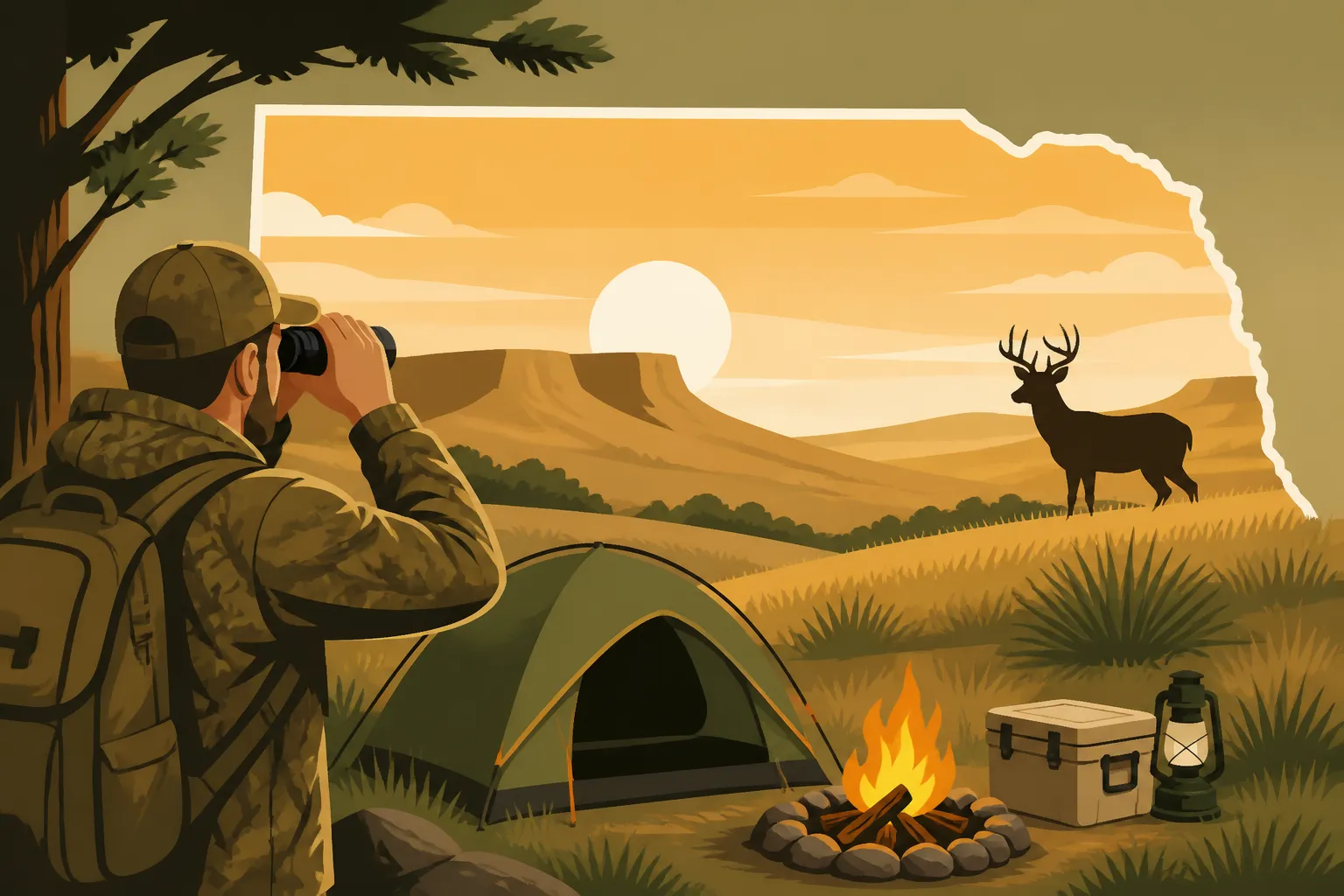
Imagine pulling your truck or ATV off a two-track road deep within the Hunting the Nebraska Sandhills Without Permission territory of the Oglala National Grassland, finding a secluded flat spot among the yucca and sagebrush, and pitching your tent. Your campfire, if allowed and safe, casts flickering shadows against the rolling hills, and the only sounds are the rustle of the prairie grass and the distant call of a coyote. This kind of camping allows you to scout thoroughly, wake up right where the deer or antelope are, and truly feel connected to the landscape. However, it comes with responsibilities. You must practice strict Leave No Trace principles: pack out everything you pack in, properly dispose of human waste, and leave no trace of your fire or presence. Water is a major consideration; you'll need to pack in all your potable water. It also means you need to be self-sufficient, capable of handling minor emergencies, and prepared for rapidly changing Nebraska weather.
| Type of Public Land | Primitive/Dispersed Camping Policy | Amenities | Best For |
|---|---|---|---|
| Wildlife Management Areas | Generally not allowed | None or very basic | Day use hunting, short visits |
| State Recreation Areas | Rarely, if ever | Developed sites | Family camping, amenities, close to towns |
| National Forests/Grasslands | Generally allowed | None | Remote hunting, solitude, self-sufficient |
| Open Fields and Waters | Not allowed | None | Day use hunting/fishing, access to private |
Designated Campgrounds: Convenience and Community
For hunters who prefer a few more creature comforts, or whose hunting areas are near State Recreation Areas or even some federal lands with established campgrounds, designated campgrounds are a great option. These sites offer a range of amenities, from basic fire rings and picnic tables to electrical hook-ups, dump stations, and sometimes even showers and flush toilets.
Camping in a designated campground, even a basic one, means you'll have a reliable water source (often a hand pump or spigot), a place to properly dispose of trash, and usually some form of restroom facility. This can be a huge benefit, especially on longer trips or when hunting with family. You'll likely be sharing the space with other campers, which can mean less solitude but also offers a sense of security and community. Many of these campgrounds are located within or adjacent to Public Hunting Land in Nebraska, providing convenient access to your hunting spots. For instance, if you're hunting pheasants in a particular region, finding an SRA nearby with a campground could be your base of operations. You can still get up early, be in the field at first light, and return to a comfortable camp in the evening. Just be mindful of quiet hours and fellow campers; you might be an early riser, but not everyone around you is.
Vehicle-Based vs. Walk-In Camping: Practical Considerations
The method you choose to access your campsite also plays a significant role in your experience and what you need to bring.
Vehicle-based camping is common and convenient, especially for those with RVs, truck campers, or even just gear-laden pickups. On federal lands like the Oglala, you can often drive right to your chosen dispersed campsite. This allows you to bring more gear – larger tents, more food, a robust water supply, and even generators (where permitted and used respectfully). However, access can be tricky, especially in areas like the Sandhills. Driving off established roads can be risky; Getting Stuck in Sandhills Sand is a very real possibility, and getting unstuck miles from cell service can turn a hunt into a nightmare. Always be aware of weather conditions, as rain can quickly make dirt roads impassable.
Walk-in camping, on the other hand, means packing all your gear into a backpack and hiking to a more remote site. This is often the only way to access truly pristine and unpressured hunting spots that are far from vehicle access. It's a more physically demanding option but rewards you with deep solitude and a strong sense of accomplishment. For this, lightweight backpacking gear is essential, including compact tents, sleeping bags, and cooking systems. You'll need to carefully plan your water supply, either by carrying it all or by filtering from reliable sources if available (which are rare in much of Nebraska's dry public land). This method is ideal for hunters who want to disappear into the landscape and hunt far from any roads or other human activity, carrying only the Packs for a Day on Public Ground necessary to survive and hunt effectively.
Navigating Regulations and Permitting
Understanding the specific rules and permit requirements for camping on Nebraska's public lands is critical. Ignorance of the law is no excuse, and violating regulations can lead to fines, citations, or even jeopardize future access. The nuances vary greatly, so always do your homework.
General Camping Rules for Public Land: Beyond the Basics
While specific rules vary, some general principles apply to most public lands in Nebraska where camping is permitted:
- Firewood and Campfires: Always check for fire restrictions, especially during dry periods. Many federal and state lands implement burn bans when conditions are hazardous. If fires are allowed, gather only dead and downed wood, avoid cutting live trees, and ensure your fire is completely out before leaving. On some WMAs or sensitive areas, fires might be prohibited entirely.
- Waste Management: This is where Leave No Trace really comes into play. All trash, including food scraps, must be packed out. For human waste, bury it at least 6-8 inches deep and 200 feet from water sources, trails, and campsites. Toilet paper should either be packed out or buried deep. Proper waste disposal is crucial for maintaining the health and aesthetics of public lands.
- Quiet Hours: Even in primitive settings, being respectful of other users is important. In designated campgrounds, quiet hours are typically enforced, often from 10 PM to 6 AM. This means no loud generators, music, or excessive noise. Even in dispersed areas, avoiding unnecessary noise helps maintain the wilderness experience for everyone, including wildlife.
- Site Impact: Choose durable surfaces for your camp, like existing bare ground or rock. Avoid setting up on fragile vegetation. Minimize the size of your camp, and when you leave, try to make it look like you were never there. Avoid digging trenches around tents or altering the natural landscape.
- Vehicle Use: Stick to designated roads and trails. Off-roading can damage sensitive habitats and is often illegal. If you're on federal land that allows dispersed camping, you might be allowed to pull off a short distance to a pre-existing campsite, but always use good judgment and avoid creating new tracks.
Permit Requirements and Fees: Know Before You Go
While primitive camping on many federal lands might not require a specific "camping permit" beyond your standard hunting and habitat stamps, designated campgrounds almost always do.
- State Recreation Area Campgrounds: These generally require a Nebraska Park Entry Permit for your vehicle, and then a separate camping fee per night. The fees vary based on the level of amenities (e.g., primitive site vs. electrical hook-up) and are subject to change. Reservations are often highly recommended, especially during peak seasons or for popular areas, and can sometimes be made months in advance. You don't want to arrive after a long drive, ready to hunt, only to find all sites are full.
- Federal Lands (National Forests/Grasslands): Dispersed camping typically does not require a fee or permit. However, developed campgrounds within these areas might require a fee, similar to state park campgrounds. It’s important to check the specific ranger district for the area you plan to visit. Your Nebraska hunting permit and habitat stamp are, of course, always required for hunting activities on any public land.
Checking Specific Area Rules: Avoiding Unpleasant Surprises
The absolute best way to avoid issues is to be proactive in your research. Don't assume.
- Official Websites: The Nebraska Game and Parks Commission website is your primary source for state-managed lands (WMAs, SRAs). For federal lands, visit the U.S. Forest Service or National Grasslands websites. Look for specific regulations pertaining to the exact area you plan to visit.
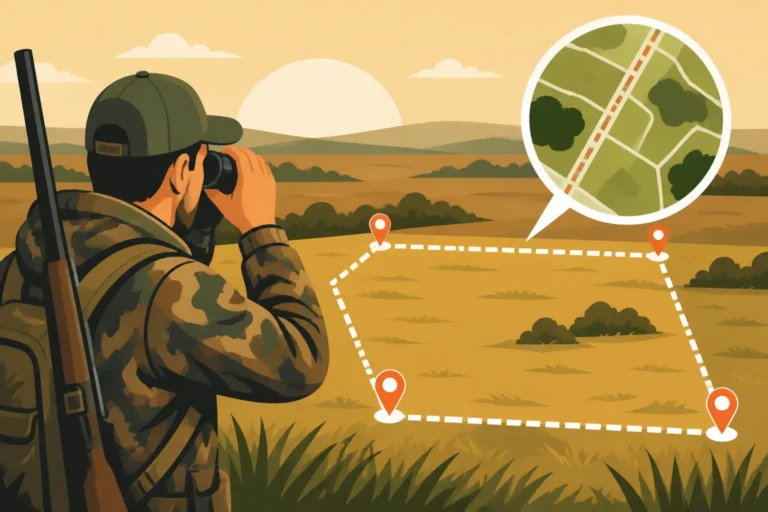
- Public Access Atlas: The Reading the Nebraska Public Access Atlas is invaluable. It’s updated annually and provides maps and details on public hunting and fishing lands, including some camping information. While it won't detail every single camping rule, it will guide you to areas where camping might be permitted.
- Mapping Apps: Tools like onX Hunt are incredibly useful for identifying land ownership and boundaries. When you're trying to find a good spot, remember that applications like onX Hunt can be invaluable for identifying potential camp spots, checking land ownership, and marking your location, especially in vast areas like the Oglala National Grassland. It can help you distinguish between federal land where dispersed camping might be allowed and adjacent private land where it definitely is not.
- Calling Ahead: When in doubt, call the local Game and Parks office or the ranger district for federal lands. A quick phone call can clear up any confusion and provide the most current information, especially regarding fire restrictions or temporary closures. For up-to-date regulations and details specific to a WMA, cross-referencing with resources like GoHunt's data or the official Nebraska Game and Parks website is always a smart move. This diligence can prevent a wasted trip or a hefty fine.
Essential Gear and Best Practices for Nebraska Public Camping
Camping while hunting in Nebraska requires specific gear and adherence to best practices to ensure comfort, safety, and minimal impact on the environment. The state's weather can be unpredictable, and self-sufficiency is key, especially when you're far from amenities.
Shelter and Sleep Systems: Adapting to Nebraska Weather
Nebraska's weather can throw a lot at you, from scorching early-season heat to freezing late-season cold, often within the same week. Your shelter and sleep system need to be versatile and robust.
- Tents: For primitive camping, a sturdy, three-season tent is generally sufficient, but if you're venturing out in late fall or winter, a four-season tent can provide crucial protection against strong winds and snow. Look for tents with good ventilation for warm days and a strong rainfly for inevitable storms. Even if the forecast looks clear, a Nebraska thunderstorm can roll in quickly. Ensure your tent has good stakes and guy lines to withstand the notorious Wind Direction on Open Nebraska Prairie Stands. If you're using a ground blind for hunting, remember that a dedicated camping tent offers much better comfort and protection for sleeping.
- Sleeping Bags: Your sleeping bag's temperature rating should align with the coldest temperatures you expect to encounter, plus a buffer. For early archery season, a lightweight bag or even just a quilt might suffice, but for late November or December hunts, a bag rated for 0°F or even colder is often necessary. Consider layering your sleep system with a sleeping bag liner for added warmth or using a modular system.
- Sleeping Pads: Don't underestimate the importance of a good sleeping pad. It not only provides cushioning but, more importantly, insulates you from the cold ground. An insulated air pad or a closed-cell foam pad (or both) will significantly improve your sleep quality and warmth retention, especially when camping on cold soil. Waking up chilled and stiff is no way to start a hunting day.
Food, Water, and Waste Management: Leave No Trace
Being prepared with food and water, and managing your waste responsibly, are non-negotiable for public land camping.
- Water: This is often the biggest challenge in Nebraska's drier regions. Assume there will be no potable water source, especially on WMAs or federal grasslands. You must pack in all the water you'll need for drinking, cooking, and basic hygiene. A good rule of thumb is at least one gallon per person per day. Water filters or purification tablets are good backups, but don't rely on finding suitable water sources without prior scouting and confirmation. Carrying extra water in reliable containers is always a wise decision, even if it adds weight.
- Food: Plan simple, non-perishable meals that are easy to prepare with minimal equipment. Dehydrated meals, instant oatmeal, canned goods, and hardy snacks like trail mix and energy bars are excellent choices. Pack enough food for your entire trip, plus a little extra in case of unexpected delays. Consider how you'll store food to prevent animal encounters; a bear-resistant canister might be overkill in Nebraska, but a sealed container in your vehicle is a good idea to deter raccoons, coyotes, and other curious critters.
- Waste Management: Beyond human waste, all food scraps, wrappers, cans, and bottles must be packed out. Bring dedicated trash bags. Even seemingly biodegradable items like apple cores or orange peels take a long time to break down in arid environments and are unsightly. Leave your campsite cleaner than you found it. This practice protects the environment, respects other users, and keeps these public lands accessible for future generations.
Safety and Awareness: Wildlife, Weather, and Fellow Hunters
Being safe and aware on public land is paramount. This includes understanding the risks from wildlife, unpredictable weather, and even other people.
- Wildlife Encounters: While Nebraska doesn't have large dangerous predators like grizzlies, coyotes are common, and mountain lions exist in the Pine Ridge. More likely are encounters with rattlesnakes, especially in the Sandhills and warmer months. Be aware of your surroundings, especially when walking through tall grass. Keep a clean camp to avoid attracting curious animals. If you're bringing a bird dog, be mindful of Water and Heat Risk for Bird Dogs and ensure they are protected from snakes and other hazards.
- Weather Extremes: Nebraska weather can change dramatically and rapidly. Carry appropriate layers of clothing for all conditions, even if the forecast looks mild. Rain gear is a must. High winds are common and can make even moderate temperatures feel much colder. Hypothermia is a risk even in relatively mild conditions if you get wet and the wind picks up. Conversely, early-season hunts can bring extreme heat, requiring hydration and sun protection. Always check the local forecast immediately before and even during your trip.
- Other Hunters: Public land means sharing. Expect to encounter other hunters, especially during peak seasons like the opening of Nebraska's Nine-Day November Firearm Deer Season. Wear blaze orange when required, and even when not, consider it for visibility if you're not actively stalking game. Be respectful of other hunters' space and intentions. If you see another hunter, give them a wide berth. Communication, if appropriate, can often prevent conflicts. Knowing Orange Rules That Apply During Archery Season is crucial for safety during overlapping seasons.
Planning Your Camping Hunt Trip
The key to a successful hunting trip that includes public land camping is meticulous planning. Integrating your camping strategy with your hunting goals will make for a more efficient and enjoyable experience.
Scouting for Camp Sites: Balancing Access and Seclusion
Finding the right campsite is about striking a balance. You want convenience for hunting, but also enough seclusion to enjoy the wilderness.
- Map Research: Before you even leave home, use detailed maps. The Nebraska Public Access Atlas, combined with digital mapping tools like onX Hunt or GoHunt, is your best friend. These tools allow you to identify public land boundaries, topo lines, and potential access roads. Look for areas on federal land (National Forests/Grasslands) that are away from main roads but still accessible by vehicle or a reasonable walk. Identify potential water sources, even if they aren't potable, as they can be landmarks. Planning your route to a remote campsite, particularly in the Sandhills, might involve checking topographical maps. Tools like GoHunt or even the Nebraska Game and Parks Public Access Atlas app often have these layers.
- Remote vs. Convenient: Consider how remote you want your camp to be. A truly remote, walk-in camp might mean less hunting pressure but more effort. A drive-up campsite, even on federal land, might be easier but could attract more traffic. If you're hunting highly pressured public ground, walking further from the parking area to set up a primitive camp can often put you in deer or bird country that other hunters overlook.
- Terrain and Cover: When scouting, look for flat, well-drained ground for your tent. Consider natural windbreaks like cedars or rises in the terrain, which can offer protection from Nebraska's incessant winds. Proximity to good cover can also make for effective hunting, as you're already in position at dawn. However, be aware of establishing camp too close to game trails or bedding areas, as your presence could disturb the very animals you're trying to hunt.
Seasonal Considerations: From Early Archery to Late-Season Birds
The time of year you're hunting will significantly impact your camping needs and strategies.
- Early Archery Season (September/October): Often warm, sometimes hot. Focus on good ventilation for your tent, lighter sleeping bags, and abundant water. Field Dressing and Cooling Game in Warm Weather becomes a critical skill if you harvest an animal. Plan for insect repellent.
- Firearm Deer Season (November): Can range from mild to bitterly cold. Layers are crucial for both sleeping and hunting. Ensure your sleeping bag is adequately rated. You might need to consider a small, safe tent heater if dispersed camping in extreme cold. Wind protection for your camp is paramount.
- Muzzleloader/Late Archery (December/January): Expect cold, wind, and potentially snow. A four-season tent might be beneficial. Your sleeping system must be top-notch. Keeping a Muzzleloader Powder Choices for December dry is important if you're hunting. Food choices should include calorie-dense options to help maintain body heat.
- Upland Bird Seasons (Fall/Winter): If you're walking Nebraska pheasant cover, your camp should be convenient but not right on top of prime hunting areas. Keep your dog's needs in mind, especially in cold weather; a warm place for them to sleep is important.
Combining Camping with Hunting Tactics: Using Your Camp as a Base
Your camp isn't just a place to sleep; it can be an integral part of your hunting strategy.
- Early Starts, Late Finishes: One of the biggest advantages of camping on public land, especially dispersed camping, is the ability to be right where you need to be at legal shooting light. No long drives in the dark, no wasted time. You can glass for mule deer at first light from your tent flap or be set up for Calling a Nebraska Gobbler Off the Roost as dawn breaks. Similarly, you can hunt until the last legal minute without worrying about a long drive back to town.
- Mobility: While some choose one base camp, others might opt for a more mobile approach, especially when hunting larger areas like the Oglala National Grassland. Breaking down and setting up a smaller, lighter camp every few days can allow you to follow game movements or explore different sections of public land without excessive daily travel.
- Game Care: If you harvest an animal, having your camp nearby can simplify game care. You'll have easy access to coolers, water, and game bags. For bigger game, consider how you'll get the animal back to camp and then off the public land. If you're camping remotely, a good game cart or even planning for a pack-out might be necessary. Getting a Deer Out of a Nebraska Sandhills Basin after a successful hunt can be a significant challenge, so planning for extraction from your remote camp location is crucial.
Camping on Nebraska's public ground offers an unmatched hunting experience, combining the thrill of the chase with the peace of the wilderness. With careful planning, respect for the land, and a good understanding of the rules, you can make these trips incredibly rewarding.
Disclaimer
This article is for general informational purposes only and does not constitute professional advice. Laws, prices and regulations vary by location and change over time. Consult a qualified professional for guidance on your specific situation.