Water and Heat Risk for Bird Dogs
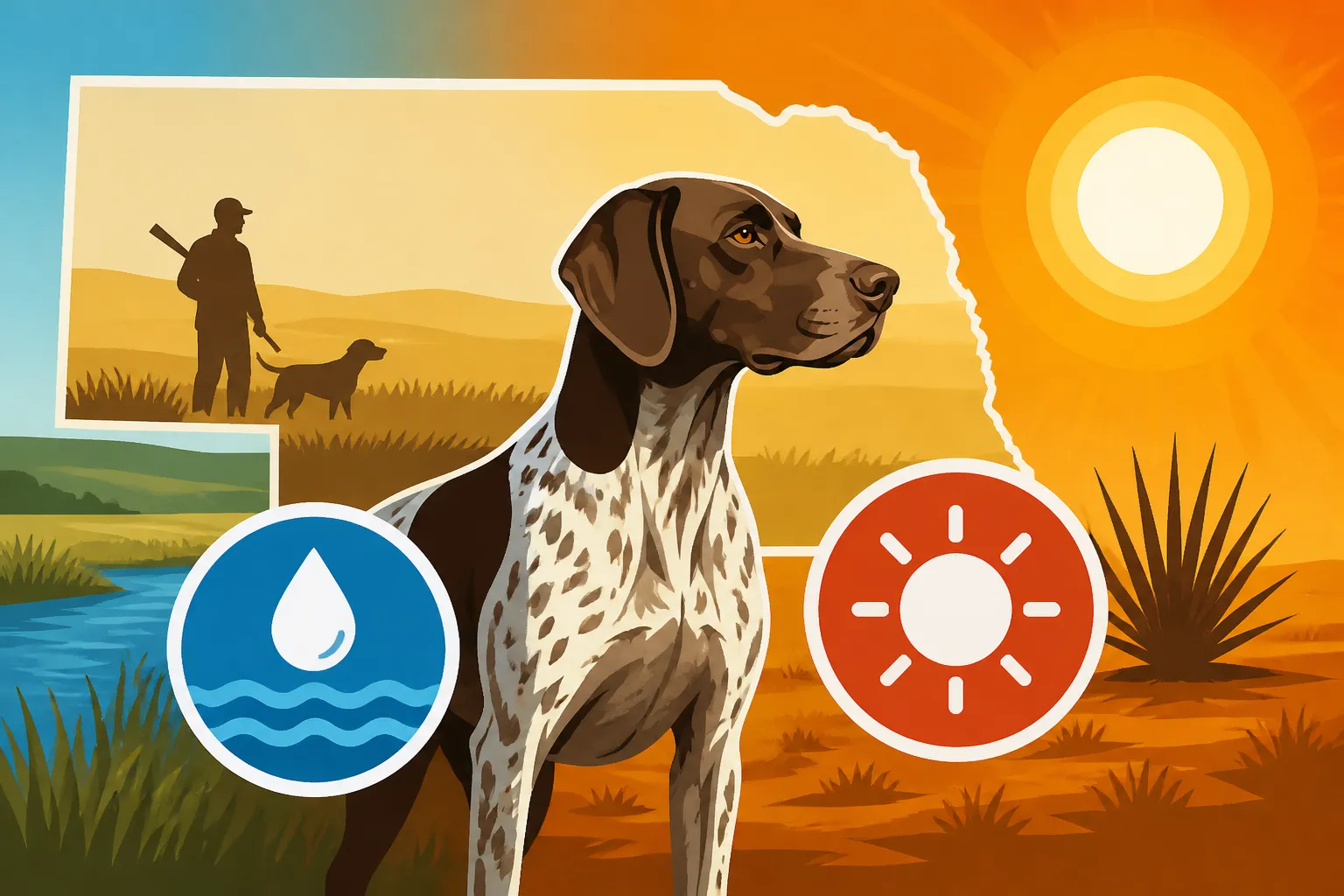
When you’re out in the field, the last thing you want to worry about is your loyal hunting companion falling victim to the elements. For bird dog owners in Nebraska, the threat of heat and dehydration, especially during those early season openers or unseasonably warm fall days, is a very real and sometimes heartbreaking concern. This guide is here to walk you through understanding those risks, preparing your dog, and knowing exactly how to react to keep your best friend safe, healthy, and happy in the field.
The Silent Threat: Why Heat and Dehydration Are So Dangerous for Bird Dogs
It’s easy to overlook how quickly a dog can go from being an enthusiastic hunter to being in serious medical distress when the temperatures climb. Unlike us humans, who sweat efficiently across our skin, dogs have a much harder time dissipating heat. This fundamental difference makes them incredibly vulnerable to overheating, and a lack of readily available water only compounds the danger.
How Dogs Overheat: A Biological Breakdown
Think about how you feel after a strenuous workout on a hot day – probably dripping with sweat, right? Your body is an expert at cooling itself through evaporation. Dogs, however, mainly cool down by panting. While panting is effective to a point, it's not nearly as efficient as human sweating, especially when humidity is high. Their sweat glands are primarily found in their paw pads, which doesn't do much for whole-body temperature regulation.
When a dog exercises intensely in warm conditions, their body temperature rises rapidly. Normal canine body temperature hovers around 100-102.5°F. Once it climbs to 104°F and beyond, you're entering dangerous territory. This elevated temperature, known as hyperthermia, can quickly lead to heatstroke. Heatstroke isn't just "being really hot"; it's a medical emergency where the body's systems start to shut down. The vital organs – the brain, kidneys, liver, and heart – begin to suffer damage, and without immediate intervention, heatstroke can be fatal. It’s a terrifyingly fast descent, and it’s why understanding the risks and preparing beforehand is absolutely non-negotiable for bird dog owners.
Identifying the Warning Signs of Heat Stress
Recognizing the signs of heat stress early is your best defense. Don't wait until your dog collapses; by then, it might be too late to prevent serious complications.
Early, Subtle Signs:
- Excessive panting: While panting is normal for a working dog, look for panting that seems more labored or persistent than usual, even during rest breaks.
- Heavy drooling: An increase in slobber, sometimes thick and stringy, can indicate your dog is struggling to cool down.
- Reddened gums: Gums that are brighter red than normal can signal increased blood flow as the body tries to cool.
- Seeking shade persistently: If your dog keeps trying to find shade or lies down more frequently, it might be an attempt to self-regulate.
- Slowing down or refusing commands: A dog that's usually full of drive suddenly lagging behind or ignoring retrieves is a huge red flag. They might be trying to tell you they’re in trouble.
Advanced, Critical Signs (Immediate Action Required!):
- Stumbling or loss of coordination: This is a clear sign the brain is being affected.
- Vomiting or diarrhea: These symptoms indicate systemic distress.
- Dark red or blue-tinged gums: This is extremely serious and suggests poor oxygenation.
- Collapse or seizures: The dog has lost consciousness or is having involuntary muscle contractions.
- Glassy eyes or disorientation: They might not recognize you or their surroundings.
- Thick, foamy saliva: This is beyond normal drooling and suggests severe dehydration and distress.
Remember, bird dogs are bred to please and have incredible drive. They will often push themselves to the brink for you, ignoring their own discomfort. This means you, as their handler, must be the one to pay close attention and intervene before they show these critical signs.
Nebraska's Unique Environmental Challenges
Nebraska’s beautiful landscapes offer incredible bird hunting opportunities, but they also present specific environmental challenges that amplify the risk of heat stress for dogs.
During the Nebraska Pheasant Season Opening Date, which often falls in October, we can still experience surprisingly warm weather. Coupled with potentially high humidity, this creates a dangerous cocktail. Many prime pheasant and grouse habitats, like vast expanses of milo stubble, CRP fields, or the open Sandhills grasslands where you might be Walking Nebraska Sandhills Meadows for Sharptails, offer very little natural shade. Imagine the sun beating down on your dog, running through dense cover, with no respite from the direct sunlight. The ground itself can become incredibly hot, especially darker soils or stubble fields, which then radiate heat back up onto your dog's paws and belly, exacerbating the problem.
Water sources can be scarce in these areas too. While you might find a Hunting Cattail Sloughs Late in the Season that offers some cover and moisture, these are not always conveniently located or accessible. Relying on natural water is a gamble that's simply not worth taking when your dog's life is on the line. Even during what seems like a pleasant day, if your dog is working hard, their internal temperature can skyrocket. You need to be acutely aware of not just the air temperature, but also the heat index and the type of cover your dog will be working.
Proactive Measures: Preparing Your Partner for the Field
Prevention is always better than a cure, especially when it comes to heat stress in dogs. Taking the right steps before you even leave the driveway can make all the difference in ensuring a safe and successful hunt.
Pre-Season Conditioning and Health Checks
Just like human athletes, bird dogs need to be in peak physical condition to handle the rigors of hunting, especially in variable Nebraska weather. Don't expect your dog to go from being a couch potato to covering miles of rugged terrain overnight.
Gradual Exercise Build-Up: Start conditioning your dog weeks, if not months, before opening day. Begin with shorter walks and runs, gradually increasing the duration and intensity. Incorporate activities that mimic hunting, like retrieving drills or field runs. Pay attention to how your dog handles the work. If you're working toward Walking Nebraska Pheasant Cover With a Dog, simulate those long walks in dense cover, but do it in cooler conditions first. This builds their stamina, strengthens their cardiovascular system, and gets their body used to regulating temperature during exertion.
Importance of a Vet Visit: Before hunting season kicks off, schedule a full check-up with your veterinarian. They can identify any underlying health issues that might predispose your dog to heat stress, such as cardiac problems, respiratory issues, or being overweight. Your vet can offer personalized advice on diet, hydration, and conditioning specific to your dog's breed, age, and health status. They might also suggest specific supplements or dietary changes to support their energy and recovery.
Diet and Electrolyte Balance: A well-balanced diet is crucial. High-quality dog food provides the necessary fuel. On hotter days, or for dogs prone to dehydration, consider adding electrolyte supplements to their water. Products designed for canine athletes can help replace salts and minerals lost through panting and urination, which is especially important during strenuous activity. Discuss this with your vet to ensure proper dosage and suitability for your dog.
Hydration Strategies and Essential Gear
You wouldn't head into the field without your shotgun or blaze orange, so why would you forget critical hydration gear for your dog? This is one area where you simply cannot cut corners.
Portable Water Systems: This is paramount. A small bottle of water won't cut it. You need a robust system.
- Backpack-style water bladders: Many hunting vests for dogs now come with integrated water bladders that sit on their backs, allowing them to carry some of their own water, or bladders that you, the hunter, can wear. This keeps water accessible and reduces the bulk in your own pack.
- Multiple water bottles/canteens: Carry more water than you think you’ll need. For longer hunts, pack several large bottles in your vest or backpack.
- Collapsible bowls: A lightweight, collapsible bowl is essential. Don't try to get your dog to drink from your hand; they'll get more water efficiently from a bowl. Brands like Ruffwear and Kurgo offer excellent portable options.
For those long days in the field, like when Glassing the Nebraska Sandhills for Mule Deer and bringing your dog along for the walk (if appropriate and allowed), or covering vast Hunting Open Fields and Waters Tracts for Pheasants, having enough water is absolutely critical. Imagine being miles from your vehicle and running out of water; it's a dangerous scenario.
Cooling Vests and Bandanas: These specialized items can offer a degree of relief. Cooling vests are often soaked in water and use evaporative cooling to help lower a dog’s core temperature. Cooling bandanas work similarly around the neck. While they don't replace active hydration, they can be a helpful tool in moderating heat, especially on humid days or during rest periods.
First Aid Kit for Heat: Your dog's first aid kit should have items specifically for heat issues:
- Instant cold packs: To be used around the dog, not directly on the skin, and never frozen water which can cause shock.
- Rubbing alcohol: To quickly evaporate and cool paw pads (use sparingly and with caution).
- Small towel: To wet and wipe down the dog's body.
When planning your route, consider using mapping apps like those from GoHunt or the Nebraska Public Access Atlas Mobile App to identify potential areas of denser cover that might offer shade or even seasonal water sources, even if you’re carrying your own. Marking your vehicle's location on such an app can also be a lifesaver for quick access to a cool vehicle or additional water supplies if an emergency arises.
Strategic Hunting: Timing and Location
The most effective way to manage heat risk is to simply avoid it. This means making smart choices about when and where you hunt.
Hunting During Cooler Parts of the Day: This is often the easiest adjustment. Plan your hunts for early morning, when temperatures are at their lowest, or late afternoon/evening as the sun begins to set. Avoid hunting between 10 AM and 4 PM on warm days when the sun is highest and temperatures peak. This is especially true for upland game seasons like Hunting Grouse in September Heat, where early season heat can be brutal.
Avoiding Midday Hunts: While the birds might be more active at certain times, your dog's safety must come first. If the temperature is climbing, or the heat index is high, make the responsible decision to sit out the middle of the day. A few hours of missed hunting is a small price to pay for your dog’s well-being.
Scouting for Cover and Natural Water: Prior to your hunt, do some scouting. Look for areas that offer natural shade, such as tree lines, deep draws, or thick shelterbelts. Even a small patch of timber can provide a critical respite from the sun. While you shouldn’t rely on them as your primary water source, identifying natural water bodies like creek crossings, sloughs, or ponds can provide opportunities for a quick cool-down or a refill if absolutely necessary. You might find areas where you can strategically rest your dog in the shade, giving them a chance to recover. When you’re doing your pre-season scouting or Reading Sign on a Nebraska Sandhills Two-Track, keep an eye out for these potential oases.
Checking Weather Forecasts: Don't just check the temperature; look at the "feels like" temperature, humidity, and heat index. Humidity makes it much harder for dogs to cool down through panting. If the heat index is high, even a seemingly moderate temperature can be dangerous. Be willing to adjust or cancel your hunt if conditions are too risky.
Emergency Response: What to Do When Heat Stress Strikes
Despite all your best preventative efforts, sometimes conditions can change rapidly, or your dog might just have a bad day. Knowing how to react quickly and effectively can save their life. This is where your preparedness truly pays off.
Immediate First Aid for an Overheated Dog
If you see any of the advanced signs of heat stress, act immediately. Time is of the essence.
- Stop the Hunt, Move to Shade: This is non-negotiable. Get your dog out of the sun and into the coolest available shade, even if it's just under a sparse bush or your own shadow.
- Apply Cool Water (Not Cold!): Do not dunk your dog in ice-cold water. This can cause their blood vessels to constrict, trapping heat inside, and can lead to shock. Instead, wet a towel or use your water bottle to apply cool (not freezing) water to key areas where blood vessels are close to the surface:
- Armpits
- Belly and groin area
- Paw pads
- Neck and head (avoid getting water directly into the nose or mouth)
- Gently rub the water into their fur to help evaporation.
- Offer Small, Frequent Sips of Water: Don't let them gulp down a large amount of water all at once, as this can lead to vomiting or bloat. Offer small amounts slowly. If they refuse to drink, try rubbing wet ice cubes (if you have them and they're partially melted, so not freezing) on their gums or tongue.
- Fan Your Dog: Use a small fan if you have one, or even a piece of cardboard or your hat, to create airflow over their wet body. This aids in evaporative cooling.
- Monitor Body Temperature (If Possible): If you carry a rectal thermometer, carefully take their temperature. Your goal is to get it down to around 103°F. Once it hits this, stop active cooling to prevent overcooling, which can also be dangerous.
- Seek Shelter Immediately: If you’re far from your vehicle, this is where having a clear plan on your GoHunt app or Public Access Atlas can help. Know your fastest route back to the truck where you can turn on the AC.
Remember the specific recommendations regarding Water Carriers for Dogs in Heat – having enough water and the right gear on hand is literally a lifesaver in these situations. The ability to grab a cooling vest or quickly access your stored water could mean the difference between life and death.
Knowing When to Seek Veterinary Care
Even if your dog seems to recover and perks up after initial first aid, always contact a veterinarian. Heatstroke can cause internal damage that isn't immediately visible.
Symptoms Demanding Immediate Professional Help:
- Any loss of consciousness or seizures.
- Continued disorientation or weakness.
- Vomiting or diarrhea that persists.
- Gums remaining dark red or blue-tinged.
- Temperature not coming down after 15-20 minutes of active cooling.
Have your vet's number, or the number of an emergency veterinary clinic, saved in your phone before you head out. Call them while you are still performing first aid, if possible, or as soon as you are en route. They can provide guidance and prepare for your arrival. Post-heatstroke, dogs may suffer kidney failure, liver damage, or neurological issues that can manifest days later. An internal examination and blood work are crucial to assess the extent of any internal damage and begin appropriate treatment. Never assume your dog is "fine" just because they're walking again.
Long-Term Well-being: Post-Hunt Care and Future Considerations
Bringing your dog home safely after a hunt is just the beginning of your responsibility. Proper post-hunt care, especially after any level of heat stress, is crucial for their long-term health and readiness for future outings.
Monitoring and Recovery After a Heat Incident
Even a minor episode of heat stress can take a toll on a dog's body. The recovery process doesn't end when you get home.
- Continued Observation: For several days after a suspected heat-related incident, keep a close eye on your dog. Watch for changes in appetite, thirst, energy levels, and bathroom habits. Lethargy, continued panting, or any signs of discomfort warrant another call to the vet.
- Rest and Light Activity: Rest is paramount. Avoid strenuous activity and keep walks short and leashed for at least a week, or as advised by your vet. Their body needs time to fully recover and repair.
- Rebuilding Strength and Confidence: If your dog had a particularly frightening experience, they might be hesitant to hunt again in similar conditions. Reintroduce them to the field slowly, starting with cooler days and shorter sessions, rebuilding their confidence with positive reinforcement.
Adjusting Hunting Plans for Your Dog's Safety
Part of being a responsible dog owner and hunter is knowing when to say "no" or when to change your plans. Your dog's health and safety are more important than bagging a bird.
- Recognizing Individual Dog Limitations: Every dog is different. Some breeds, like brachycephalic (short-nosed) dogs, are inherently more susceptible to heat. Older dogs, very young pups, or those with pre-existing conditions will also have lower heat tolerances. Be realistic about your dog's capabilities. A powerful Labrador retriever known for its endless energy might still struggle if it's over nine years old or if it hasn't been properly conditioned.
- Being Willing to Call Off a Hunt: This is perhaps the hardest, but most important, adjustment. If the weather forecast is concerning, if your dog isn't acting quite right, or if you notice early signs of heat stress, be prepared to cut the hunt short or not go out at all. There will always be another hunting season, another bird. Your dog, however, is irreplaceable.
- Prioritizing Dog Safety Over Success: It's tempting to push for "just one more bird" or to "finish out the walk," especially when birds are flushing. But a dog in distress cannot effectively hunt, and putting them at further risk is negligent. Make the decision to protect your dog before success in the field. This might mean only hunting the first two hours of daylight, even if you planned for four. Or it might mean only hunting a specific type of cover that offers more shade, rather than the wide-open CRP Acres and Nebraska Bird Numbers field that's baking in the sun. It's a mindset shift that puts your partner's well-being first.
Ultimately, your bird dog is your partner, your companion, and often, a cherished family member. Taking their health seriously, especially in challenging conditions like Nebraska’s variable weather, is a testament to the bond you share. Stay vigilant, stay prepared, and you’ll ensure many more seasons of shared memories afield.
Disclaimer
The information provided in this guide is for general informational purposes only and does not constitute professional veterinary advice. Always consult with a qualified veterinarian for any health concerns or before making any decisions related to your dog's health or treatment.