Water Carriers for Dogs in Heat
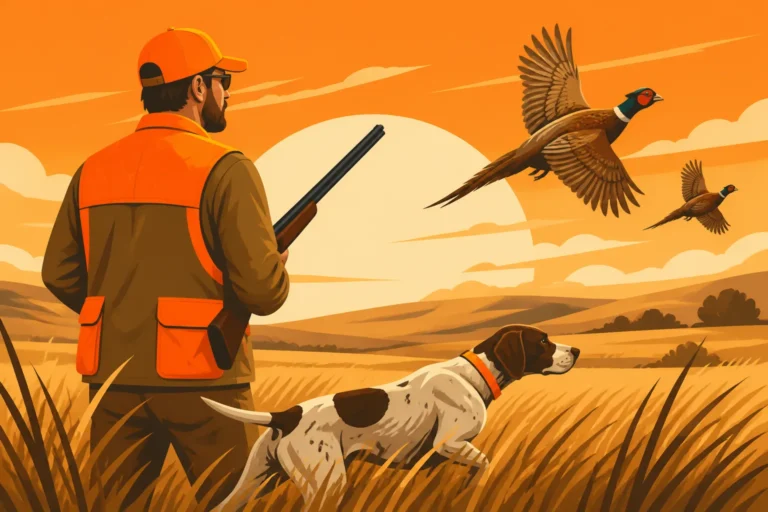
It's a brutal Nebraska summer day, the kind where the heat shimmers off the prairie, and you're out chasing pheasants or trying to get on a good early archery antelope. You're feeling the burn, but what about your best hunting buddy, your dog? Their bodies handle heat very differently than ours, and overlooking their hydration needs isn't just uncomfortable for them—it can be life-threatening. This guide dives deep into choosing and using the right water carriers to ensure your hunting dog stays safe, hydrated, and ready to perform, no matter how hot the Nebraska sun shines.
Why Hydration is Critical for Hunting Dogs in Nebraska Heat
Hunting dogs, especially those bred for high energy and stamina like pointers, retrievers, and setters, are incredibly vulnerable to overheating and dehydration in warm conditions. Nebraska's climate can be deceptively harsh, with early season hunts often occurring when temperatures are still soaring, particularly in late August or early September. The combination of intense physical exertion, heavy coats, and a less efficient cooling system compared to humans makes constant access to water non-negotiable.
When a dog is working hard, their internal temperature rises quickly. Unlike humans who sweat profusely across their skin, dogs primarily cool themselves by panting. This process expels heat and water vapor from their bodies, leading to rapid fluid loss. If they can't replenish this lost fluid, they quickly become dehydrated. Dehydration thickens their blood, makes their heart work harder, and impedes their ability to cool down further, creating a dangerous spiral towards heatstroke. Symptoms can escalate from excessive panting and lethargy to vomiting, diarrhea, staggering, and ultimately collapse. Ignoring these signs or assuming a quick rest will suffice can have tragic consequences, especially in remote areas of the Sandhills or vast crop fields where immediate veterinary care isn't an option. For more on this, check out Water and Heat Risk for Bird Dogs.
Beyond the immediate danger of heatstroke, chronic or even mild dehydration can significantly impact your dog's performance and long-term health. A dehydrated dog will tire faster, lose focus, and perform poorly, making your hunt less successful and enjoyable for both of you. It can also strain their kidneys and other organs over time. Think of a dog pushing through heavy cover while Walking Milo and Corn Stubble for Pheasants on a 80-degree day; every minute they work, their body is screaming for water. Ensuring they have consistent access to fresh, cool water isn't just about avoiding a crisis; it's about respecting their dedication and keeping them healthy for many seasons to come.
Types of Water Carriers for Hunting Dogs
When it comes to keeping your four-legged hunting partner hydrated in the field, there's a surprising variety of water carriers designed specifically for dogs. Each has its pros and cons, and the best choice often depends on the type of hunt, duration, and even your dog's drinking habits. It’s worth exploring these options to find what truly fits your needs.
Collapsible Bowls and Bottles with Integrated Dishes
These are perhaps the most common and convenient options for many hunters. Collapsible bowls, often made of silicone or fabric, fold down flat or compact, making them easy to tuck into a vest pocket, backpack, or even hang from a belt loop. They weigh next to nothing and are simple to deploy for a quick drink. Just pull it out, pour some water from your own bottle, and let your dog lap it up. Some dogs are particular about how they drink, and a familiar bowl can make all the difference.
Bottles with integrated dishes take this convenience a step further. These clever designs feature a water bottle section attached to a trough or a leaf-like drinking cup. You squeeze the bottle, filling the cup, and your dog drinks directly from it. Any leftover water can often be drained back into the main reservoir, minimizing waste. Brands offer these in various capacities, from smaller handheld versions perfect for a quick retrieve during Early Teal Days Before the Regular Opener to larger ones that can sustain a medium-sized dog for a few hours. They're excellent for maintaining hygiene, as the water in the bottle stays clean until dispensed.
Hydration Bladders and Backpack Systems for Dogs
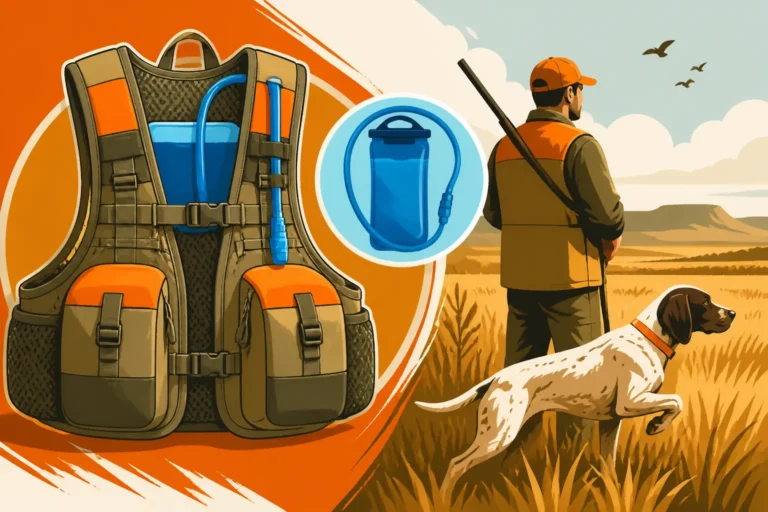
For longer excursions or when you're covering vast distances, especially in open country like the Sandhills, human-style hydration bladders and dog-specific backpack systems become invaluable. You can carry a large bladder in your own pack, allowing you to carry several liters of water for both you and your dog. The advantage here is the sheer volume of water you can comfortably transport without bulky bottles. You'll still need a collapsible bowl to pour the water into, but the efficiency of carrying water this way for a full day of Prairie Grouse Hunting on Nebraska's Open Range is hard to beat.
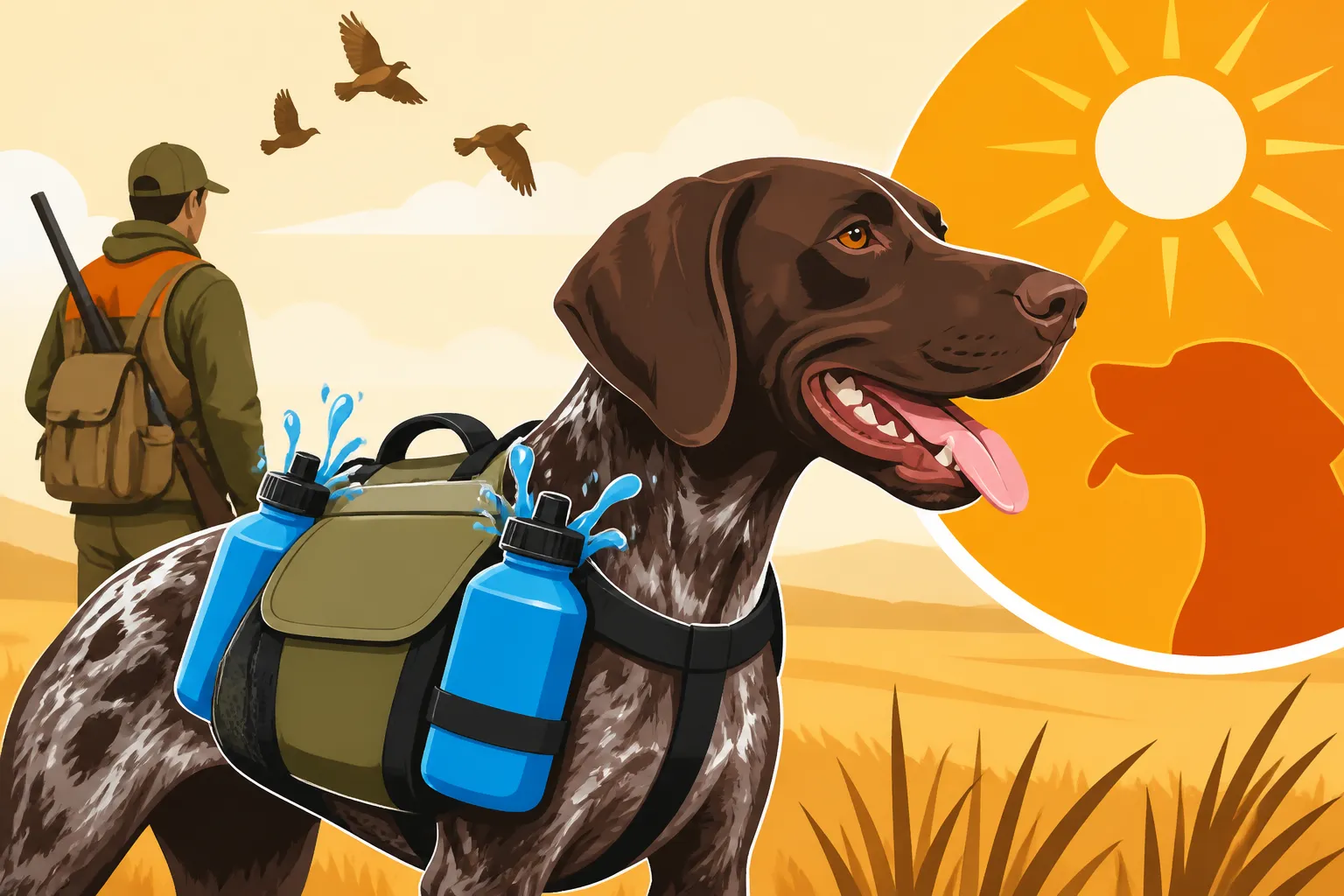
Then there are dog-specific hydration packs. These are essentially small backpacks designed to fit snugly on your dog's back, containing one or two water bladders (typically 0.5 to 1 liter each) along with space for other essentials like snacks or a first-aid kit. The dog carries their own water, which can be fantastic for strong, healthy dogs, distributing the load and freeing up space in your pack. It’s crucial, however, to ensure the pack fits well, doesn't chafe, and that your dog is conditioned to carry a load. Start with an empty pack, then gradually add weight. Always check for signs of discomfort or overheating while they're wearing it, especially in the heat.
Water Dispensers and Portable Dog Fountains
For hunters operating from a vehicle, or those setting up a more stationary camp, dedicated water dispensers and portable dog fountains can be incredibly convenient. These larger capacity units often resemble water coolers or jugs with a spigot, making it easy to refill bowls quickly. They keep water cooler longer than smaller bottles, which is a huge plus on a hot day. Imagine having a five-gallon dispenser set up at your truck while you're Blocking and Driving a Nebraska Field for pheasants; your dogs can get a cool, refreshing drink every time they return to the vehicle.
Portable dog fountains are another innovative solution. These battery-operated devices recirculate water, often with a filter, ensuring a fresh supply. Some even activate with a paw press, teaching your dog to hydrate independently. While perhaps overkill for a quick solo hunt, for group hunts with multiple dogs or a base camp where you spend a few days, these can be fantastic for maintaining constant, clean water access without constant refilling. They really shine in scenarios where your dogs might be resting between pushes during Walking Nebraska Pheasant Cover With a Dog and need continuous access to water.
| Water Carrier Type | Pros | Cons | Best Use Cases |
|---|---|---|---|
| Collapsible Bowls | Lightweight, compact, affordable, easy to clean | Relies on separate water source, can spill easily | Short hunts, day trips, easily carried in any pack or vest. |
| Bottles with Integrated Dishes | Self-contained, minimizes waste, convenient | Limited capacity, can be bulky, harder to clean thoroughly | Medium-duration hunts, single dog, quick breaks. |
| Hydration Bladders (human carry) | High capacity, flexible for packing, keeps water cool | Requires separate bowl, can be cumbersome to dispense | Long, strenuous hunts, carrying water for multiple dogs or long distances. |
| Dog-Specific Backpacks (with bladders) | Dog carries own water, frees up human pack space | Requires dog conditioning, potential for chafing, dog discomfort | Strong, healthy dogs on long treks, backcountry hunting. |
| Portable Water Dispensers/Fountains | High capacity, keeps water cool, constant access | Bulky, heavy, often requires vehicle transport or power | Base camps, vehicle-based hunting, group hunts, multiple dogs. |
Choosing the Right Water Carrier for Your Nebraska Hunt
Selecting the perfect water carrier isn't a one-size-fits-all situation. Nebraska's diverse hunting landscape, from the sprawling Sandhills to the dense river bottoms and endless crop fields, demands a thoughtful approach. You need to consider several factors to ensure your dog stays adequately hydrated and your gear isn't a hindrance.
Considering Terrain, Duration, and Dog Size
The type of terrain you'll be covering heavily influences your choice. If you're Walking Nebraska Sandhills Meadows for Sharptails, you might be miles from your truck in sandy, unforgiving country. Here, a high-capacity hydration bladder in your pack, paired with a lightweight collapsible bowl, or even a dog-specific hydration pack for a strong, well-conditioned dog, would be ideal. The goal is to carry enough water to last the entire trek without having to double back. Conversely, if you're hunting smaller timber parcels for whitetails in eastern Nebraska, perhaps still-hunting or doing a Two-Person Deer Drives on Small Timber, and your truck is always relatively close, a simpler bottle with an integrated dish might suffice for quick, frequent stops.
The duration of your hunt is another critical factor. A two-hour morning duck hunt from a blind on the Platte River, where you might be Jump Shooting Nebraska River Ducks, will require far less water than an all-day pheasant hunt across several sections of corn stubble. For longer outings, always err on the side of carrying too much water, especially if natural water sources are scarce or contaminated. Don't forget that dogs need approximately one ounce of water per pound of body weight per day, and this increases significantly with exercise and heat. A 60-pound retriever on a hot day could easily need 3-4 liters of water throughout a long hunting session. When planning, using tools like GoHunt's mapping features can help you visualize your route and estimate water needs, especially when considering the remoteness of your chosen hunting area.
Finally, your dog's size and breed play a role. Larger dogs naturally need more water than smaller ones. A compact bottle might work for a small beagle, but a big German Shorthaired Pointer or a Labrador will drain it in no time. Also, consider their coat; a thick-coated dog like a Golden Retriever will typically overheat faster and require more diligent hydration than a short-haired Pointer. Ensure the carrier you choose is easy for your dog to drink from comfortably. Some dogs prefer wide, shallow bowls, while others are fine with a smaller cup.
Accessibility and Ease of Use in the Field
No matter how much water you carry, it's useless if you can't easily get it to your dog when they need it. Think about the mechanics of offering water mid-hunt. Are you in thick cover, or out in the open? Are your hands free? A bottle with an integrated dish can be quickly pulled from a side pocket and squeezed, offering an immediate drink. Collapsible bowls require you to carry a separate water source, which might mean fumbling with two items, but they allow you to share water from your own bottle.
Consider the speed and frequency of dispensing. During an intense retrieve or a hot push through heavy cover, you might only have a minute or two to get water to your dog. Systems that are cumbersome to open, pour, or present can delay hydration, which is counterproductive. When you’re Rattling and Grunting in Nebraska's Rut for deer, and your dog is quietly waiting, you might want something less noisy to deploy. Some hunters prefer bladder systems with a hose and bite valve for themselves, but remember your dog needs a bowl. Carrying a dedicated dog water bottle that's easy to access and operate with one hand can be a real game-changer in those quick breaks.
Durability and Maintenance
Nebraska hunting often involves rough terrain, sharp stubble, and dusty conditions. Your water carrier needs to stand up to abuse. Look for durable materials like heavy-duty plastic, tough nylon, or silicone that can withstand being dropped, snagged, or jostled without leaking or breaking. A leaky water carrier not only wastes precious water but can also soak other gear in your pack, which is a miserable experience.
Maintenance is also key. Hunting in the field means dirt, dust, and sometimes even mud will get into water bowls. Choose carriers that are easy to clean thoroughly to prevent bacteria and algae buildup. Collapsible silicone bowls are generally simple to rinse out and dry. Integrated bottles often have wider mouths for easier scrubbing. Nobody wants their dog drinking from a slimy bowl, especially if they're already stressed by heat. After a long day of Hunting the Wildcat Hills Rimrock, you’ll be tired, but a quick clean of your dog’s water bowl ensures it’s ready for the next adventure. Regular cleaning isn't just about aesthetics; it's vital for your dog's health.
Best Practices for Hydrating Your Dog in the Field
Having the right water carrier is only half the battle; knowing when and how to hydrate your dog effectively is just as important. In Nebraska's varied hunting conditions, being proactive and observant can make all the difference in keeping your canine partner safe and performing at their best.
Frequent and Small Water Breaks
It's tempting to let your dog go hard for an hour or two and then offer a huge drink. However, this approach can be problematic. Allowing a dog to gulp down a large volume of water quickly, especially when overheated, can lead to gastric bloat, a life-threatening condition. Instead, aim for frequent, smaller water breaks. Every 15-30 minutes, or whenever you take a short break yourself, offer a few ounces of water. This consistent hydration keeps their fluid levels steady and helps them manage their core temperature more effectively.
Imagine you're Still-Hunting Nebraska Cedar Draws on a warm fall day, moving slowly but steadily. Even if the dog isn't sprinting, the constant movement generates heat. Pause every so often, even for just a minute, and offer a small drink. This strategy is especially critical during early season upland hunts when temperatures can still reach the 70s or 80s, and dogs are pushing through dense cover. Don't wait for your dog to show obvious signs of thirst; by then, they're already starting to dehydrate. Proactive hydration is key to preventing problems before they start.
Recognizing Signs of Dehydration and Overheating
Understanding your dog's body language and physical signs is crucial. The earliest sign of dehydration is often excessive panting with a very long, droopy tongue. Their gums might appear tacky or dry, and when you lift their lip, the normally pink tissue might be a darker, brick-red color. As dehydration progresses, they might become sluggish, lose enthusiasm for the hunt, or even start to stumble. Their eyes might appear sunken.
Overheating takes these signs further. You'll see extreme, rapid panting, often accompanied by drooling. Their skin might feel hot to the touch, and their gums could be bright red or even bluish as their body struggles to get oxygen. Vomiting, diarrhea, dizziness, and a lack of coordination are severe symptoms requiring immediate action. If you suspect your dog is overheating, stop the hunt immediately. Get them into shade, pour cool (not ice-cold) water over their head, neck, and belly, and offer small amounts of water to drink. Seek veterinary attention as soon as possible. Tools like the GoHunt app often have emergency contact features or offline maps that can help you find your way back quickly or locate the nearest help. Being prepared means knowing not just how to prevent, but also how to respond.
Water Sources and Refill Strategies
Before you even step foot in the field, always check the weather forecast and plan your water strategy. If you're heading to a location like the Oglala National Grassland where water is notoriously scarce, plan to carry every drop you'll need. However, if you're hunting along a river corridor like the Niobrara or Platte, there might be natural water sources. Be cautious with these: stagnant ponds or agricultural runoff can contain harmful bacteria or chemicals. Always assume natural water sources are unsafe unless you can verify otherwise. Carrying a portable water filter or purification tablets designed for humans can be an option if you absolutely must use a questionable water source for your dog, but it's always best to pack enough clean water from home.
When planning your hunt, consider "refill points." If you're hunting an area with limited public access points, like some sections within the Nebraska Public Access Atlas, you might strategically park your vehicle at a midpoint, allowing you to return, restock on water, and let your dog recover. Some hunters cache water bottles along their planned route if they're familiar with the area. Always mark these caches clearly and pick them up afterward. For any extended hunt, especially during warmer months, carrying a larger reservoir in your truck to refill smaller field carriers is a smart move. Remember, a well-hydrated dog is a happy and effective hunting companion, and their health depends entirely on your preparation and vigilance.
Disclaimer
This article is for general informational purposes only and does not constitute professional advice. Laws, prices and regulations vary by location and change over time. Consult a qualified professional for guidance on your specific situation.