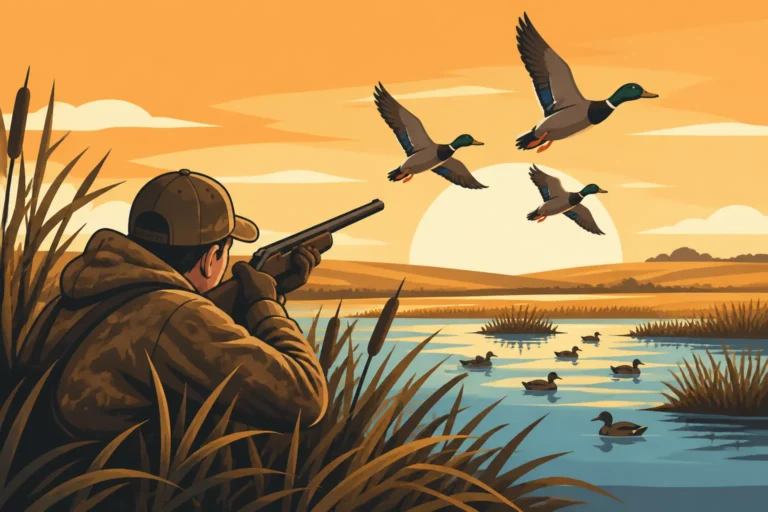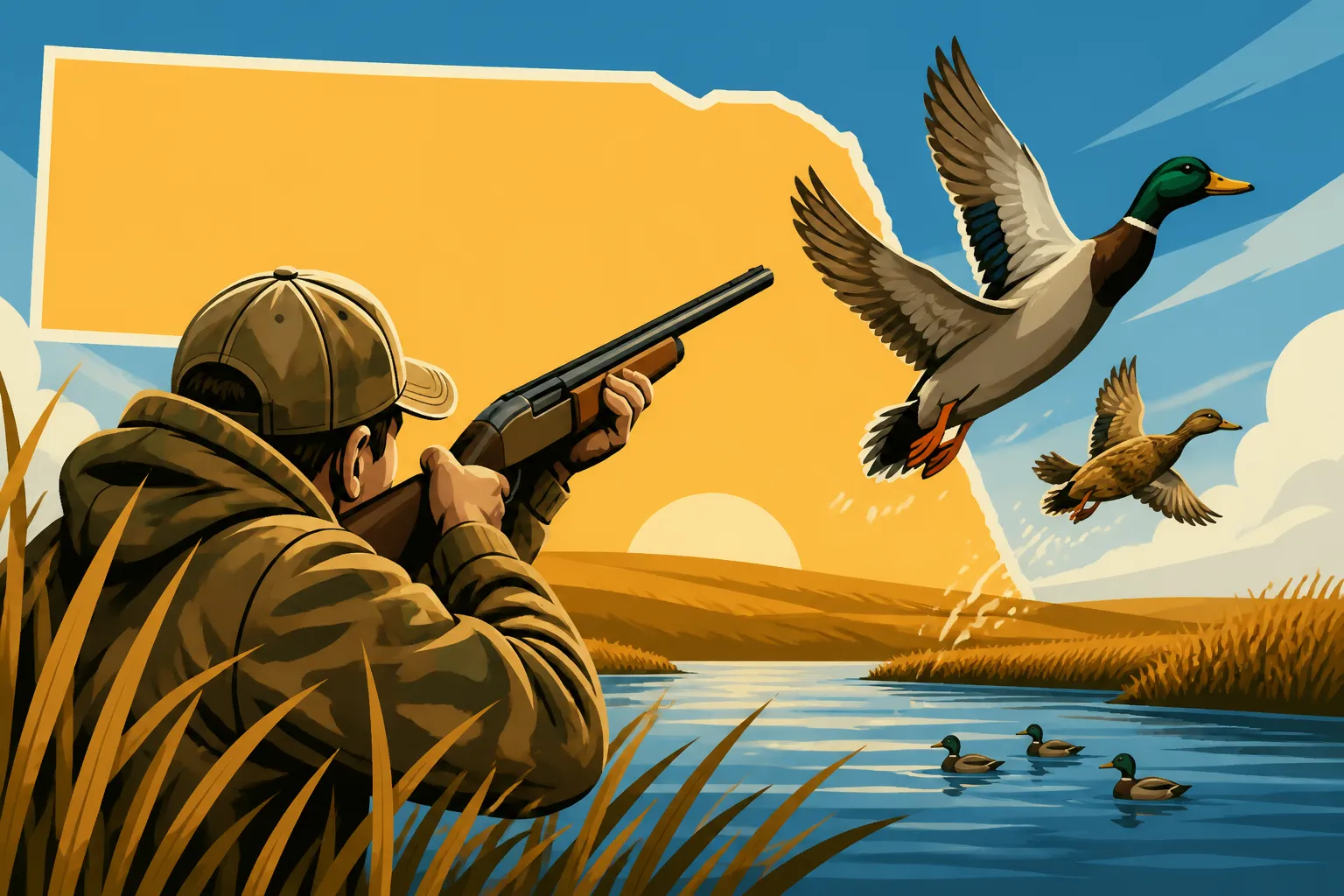
Jump Shooting Nebraska River Ducks
The thrill of waterfowl hunting often conjures images of elaborate decoy spreads, freezing cold mornings in a layout blind, or waiting patiently in a meticulously brushed-in pit. But let's be honest, not everyone has access to prime private ground for those classic setups, or the time to deploy hundreds of decoys. Many hunters face the frustration of limited opportunities or feel overwhelmed by the sheer logistics. If you're looking for a more active, accessible, and often surprisingly productive way to chase ducks in Nebraska, then jump shooting along our diverse river systems might just be your new favorite method. This guide will walk you through everything you need to know to successfully pursue river ducks, from understanding their habits to mastering the art of the stealthy approach.
Understanding Nebraska's River Systems for Jump Shooting
Nebraska is crisscrossed by an incredible network of rivers and streams, each offering unique opportunities for jump shooting ducks. These aren't always the wide-open, deep waters you might picture; often, the best spots are found in surprisingly shallow, meandering stretches with plenty of cover. Ducks use these river systems as vital migration corridors, resting areas, and feeding grounds, especially when larger lakes and reservoirs freeze over or become pressured. The key to successful jump shooting is understanding how ducks interact with these dynamic environments.
Identifying Productive River Stretches
Not every stretch of river will hold ducks, and knowing what to look for can save you a lot of wasted steps and cold walks. Ducks, especially dabblers like mallards, prefer slower-moving water, eddies, and areas with submerged or emergent vegetation. They're looking for food, shelter from the wind, and a place to loaf undisturbed.
Look for areas where the river narrows and widens, creating pockets of calm water. Deep bends, particularly those with overhanging trees or brush on the inside curve, are often excellent hiding spots. Ducks will tuck themselves into these sheltered areas, out of the main current and away from prying eyes. Confluence points, where a smaller creek flows into a larger river, can also be hotspots, as these often bring in new food sources or offer varied current speeds. Even a seemingly insignificant log jam or fallen tree can create a perfect, current-breaking haven for a small flock of birds. It's about thinking like a duck: where would you feel safe and comfortable? Before you head out, tools like a detailed mapping app can help you scout potential areas from home, identifying these key features. Don't underestimate the power of simply driving county roads and looking for bridges that cross promising-looking water; often, a quick roadside survey can reveal good access and habitat.
Reading the Water and Duck Behavior
Once you're on the river, actively reading the water and anticipating duck behavior is paramount. Ducks are creatures of habit and efficiency. They'll almost always be found in spots that offer the best combination of food, cover, and security with the least amount of effort. If the water is fast and open, they'll likely be downstream in calmer sections. If the wind is howling, they'll be tucked into sheltered banks or behind significant cover.
Look for signs beyond just the ducks themselves. Fresh droppings on a bank, feather piles, or even disturbed mud can indicate recent use. Pay attention to the type of cover available. Willows, cattails, and even standing corn along the banks can provide excellent concealment for approaching hunters and, more importantly, for ducks themselves. As you approach a bend or a thick patch of cover, be acutely aware of the wind direction. You want to approach into the wind if possible, as this will muffle your sound and carry your scent away from the birds. Ducks will almost always flush into the wind, giving them lift and allowing them to gain altitude quickly. Knowing this helps you anticipate their flight path and position yourself for a shot. Understanding the subtle nuances of Waterfowl of the Central Flyway in Nebraska can give you an edge, as different species exhibit slightly different preferences for water and cover types.
Essential Gear and Setups for River Duck Hunters
Jump shooting is a minimalist approach compared to other waterfowl tactics, but that doesn't mean you can skimp on crucial gear. The right equipment can make the difference between a successful, comfortable hunt and a frustrating, even dangerous, experience. Because you're often covering ground on foot and wading through water, every piece of gear needs to be functional and suited to the demanding environment.
Waders and Footwear for River Conditions
Your waders are arguably the most important piece of gear for jump shooting. You'll be spending a lot of time in and around cold water, often pushing through mud, submerged brush, and slippery banks. Neoprene waders offer excellent insulation for cold Nebraska mornings and late-season hunts, while breathable models are better suited for warmer early season conditions. Choose a pair that fits well – too tight and they'll restrict movement; too loose and they'll chafe and fill with water if you stumble. Look for models with reinforced knees and durable boot soles with aggressive tread for traction on slick riverbeds and muddy banks. Remember, a leak in your waders can quickly turn an enjoyable hunt into a miserable, hypothermia-inducing ordeal. Consider carrying a small wader repair kit, just in case. When it comes to footwear inside the waders, ensure your socks are wool or synthetic, never cotton, to manage moisture and prevent blisters during long treks. For navigating muddy sections or crossing deeper channels, a good pair of Waders for Nebraska Marsh Hunting with strong ankle support is crucial.
Shotguns and Ammunition Selection
For jump shooting, reliability and quick handling are key. A 12-gauge shotgun is the workhorse of waterfowl hunting for good reason, offering a good balance of pellet count and stopping power. Both pump-action and semi-automatic shotguns are excellent choices. Pump-actions are reliable and affordable, while semi-autos offer faster follow-up shots, which can be critical when multiple birds flush. Whatever you choose, ensure it's comfortable to carry and shoulders quickly, as shots often come without much warning.
Ammunition choice is equally important. In Nebraska, like elsewhere, federal regulations and some state areas require the use of nontoxic shot for waterfowl. Steel shot is the most common and economical choice, but alternatives like bismuth or tungsten-alloy offer denser patterns and more energy retention, though at a higher cost. For jump shooting, where shots are typically closer-range and fast, a 3-inch shell with 1 ¼ oz of steel shot in sizes #2 or #3 is a versatile choice for mallards and other puddle ducks. You want a load that patterns well in your shotgun with a modified or improved cylinder choke, giving you a good spread for flushing birds but enough density for clean kills. Always verify local regulations; for example, Nontoxic Shot Rules on Nebraska WMAs might apply if you're hunting certain public access areas along a river.
Tactics and Strategies for Successful Jump Shooting
Jump shooting isn't just walking down a river and hoping for the best. It's a calculated, stealthy approach that requires patience, observation, and a quick reaction time. It's a method that truly rewards the active hunter who pays attention to every detail of the environment.
Stealthy Approach and Movement
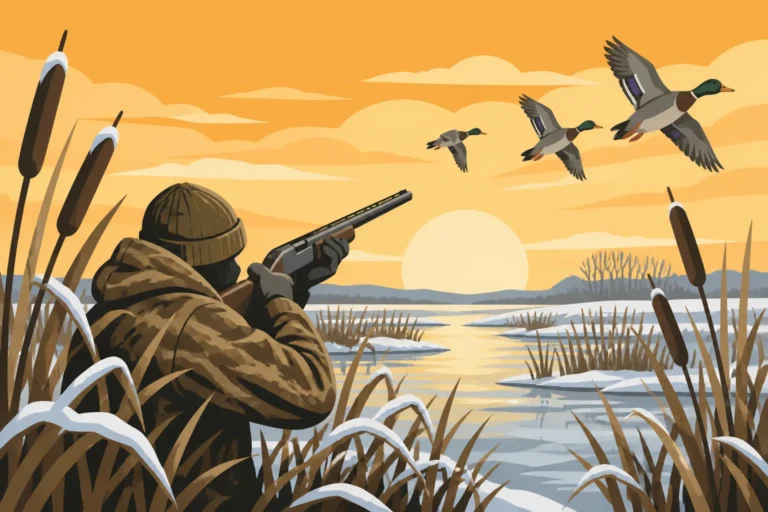
The essence of jump shooting is surprise. Ducks on a river are often complacent, but they're not dumb. Any sudden movement, loud noise, or obvious profile will send them airborne long before you're in range. The key is to move slowly, deliberately, and with as much cover as possible. This means utilizing every bit of available vegetation – willows, cattails, tall grass, riverbanks, or even small rises in the terrain – to break up your silhouette.
Walk at a snail's pace, constantly scanning ahead and to the sides. Look for anything out of place: a ripple in calm water that shouldn't be there, a flash of iridescent green, or the unmistakable outline of a duck's head. When approaching a bend in the river or a particularly thick patch of cover, crouch low and move even slower. If hunting with a partner, one hunter can stay back while the other slowly rounds the bend, ready to shoot when the birds flush. Sometimes, taking a wider path on the bank, a little further from the water, can give you a better vantage point without spooking birds directly in the riverbed. Remember that the sound of your boots crunching on frozen ground or splashing in shallow water can travel surprisingly far on a still morning. Every step needs to be mindful.
Anticipating the Flush and Making the Shot
The flush is the moment of truth in jump shooting. Ducks will typically explode out of the water with surprising speed and noise. As mentioned before, they almost always flush into the wind, so anticipating that trajectory is critical. Be ready to mount your gun smoothly and quickly. Your shotgun should be carried in a ready position, perhaps broken open or with the safety on but easily accessible.
When the ducks erupt, avoid the urge to swing wildly. Pick a single bird, swing through it, and pull the trigger. If you're lucky enough to have multiple birds, choose the closest or most opportune target first. Often, you'll only get one or two shots before the birds are out of range. Focus on clean, ethical kills. If you're hunting with a partner, communicate clearly: "Your bird left, my bird right." This prevents accidental shooting over each other and increases the chances of a successful retrieve. In the chaotic moment of a flush, it’s easy to get flustered, but maintaining composure and executing a solid swing is what separates successful jump shooters from those who constantly miss. Practice mounting your gun quickly and smoothly at home so it becomes second nature in the field.
Retrieval and Follow-Up
Retrieving your downed birds quickly and efficiently is not just about recovering game; it's a matter of ethics and conservation. A wounded bird can escape, and in the current of a river, a dead bird can float away rapidly. If you have a dog, this is where their training truly shines. A good retriever makes jump shooting infinitely easier and more effective.
If you don't have a dog, the retrieve becomes a much more hands-on affair. Mark where the bird falls, note any landmarks on the bank, and immediately make your way to that spot. If the bird is still alive, make a quick, ethical follow-up shot. Never assume a bird is dead; always approach with caution and be ready to finish the job. If the bird lands in the main current, you might have to quickly move downstream along the bank to intercept it before it drifts too far. A retrieving pole or a weighted line with a grappling hook can sometimes be useful for birds in heavy current or dense vegetation. Remember, in Nebraska, Retrieving Birds Without a Dog often means getting wet, so prepare for that possibility with extra layers or a dry bag for your essentials.
Navigating Challenges and Staying Safe on the River
River hunting, especially jump shooting, comes with its own unique set of challenges and safety considerations. The dynamic nature of flowing water, coupled with changing weather conditions and potentially remote locations, means you need to be well-prepared and always prioritize safety.
Cold Water and Hypothermia Risks
Nebraska's rivers can be deceptively cold, even on mild days. The danger of hypothermia is very real, particularly if you fall in or your waders leak significantly. Always dress in layers, avoiding cotton which loses its insulating properties when wet. Opt for wool or synthetic base layers, fleece mid-layers, and a waterproof, windproof outer shell. Carry extra dry clothes in a waterproof bag, ideally stored in your vehicle or a dry pack.
It’s crucial to understand the signs of hypothermia: shivering, confusion, slurred speech, and loss of coordination. If you or a hunting partner exhibit these symptoms, get out of the water immediately, change into dry clothes, and seek warmth. On deeper, faster rivers, consider wearing a personal flotation device (PFD), even if you're a strong swimmer. While it might seem like overkill, a PFD could be a literal lifesaver if you stumble in a strong current or unexpectedly step into a deep hole. Being informed about Cold Weather Sitting Strategy from a static blind can offer transferable knowledge about layering and staying warm in general, even though jump shooting is a more active pursuit.
Navigating Currents, Obstacles, and Private Land
Rivers present constant navigational challenges. Currents can be swift and unpredictable, especially after heavy rains or snowmelt. Always use a wading staff to test depth and stability before taking a step, especially in murky water. Be aware of submerged logs, rocks, and debris that can trip you up or create dangerous strainers. Never underestimate the power of flowing water.
Another significant challenge is navigating public versus private land. Many rivers in Nebraska flow through private property, and accessing the river or retrieving downed game might require landowner permission. Always carry a detailed map or use a GPS app like GoHunt to clearly identify public access points and property boundaries. Respect "No Trespassing" signs and obtain permission before you hunt if you anticipate needing to cross private land or retrieve birds from it. Nebraska law generally allows navigation of navigable waters, but accessing the banks may still constitute trespass. When planning your route, use detailed mapping on platforms such as GoHunt to identify specific tracts of public land, such as those found through the Nebraska Public Access Atlas, that abut rivers. Always know your location and the legalities.
Conservation and Ethical Considerations for River Hunting
As stewards of our natural resources, hunters have a responsibility to adhere to ethical practices and contribute to conservation. This is especially true when hunting on public lands or along shared resources like rivers. Your actions reflect on the entire hunting community.
Following Regulations and Bag Limits
Understanding and strictly adhering to all Nebraska Game and Parks Commission regulations is non-negotiable. This includes season dates, shooting hours, daily bag limits, and possession limits. For example, Nebraska has specific limits on how many ducks you can take per day, and these limits vary by species. Exceeding these limits is not only illegal but also unsustainable for duck populations. Before every hunt, double-check the current year's regulations; you can easily find the Nebraska Duck Daily Bag Limit and other species-specific rules in the annual hunting guide.
Furthermore, accurately identifying the species of duck before you shoot is critical. Some species have much lower bag limits or are completely protected. Taking the time to learn your waterfowl identification will ensure you stay legal and contribute to responsible hunting. Misidentifying a protected bird or an over-the-limit species can lead to severe penalties and harm conservation efforts.
Respecting Wildlife and the Environment
Ethical hunting extends beyond just legal compliance. It means making every effort for a clean, humane kill and retrieving every bird you shoot. Wounded game should be pursued relentlessly and dispatched quickly. Leaving wounded birds to suffer or unrecovered game to waste is an unacceptable practice.
It also means leaving no trace. Pack out all your trash, including spent shell casings, empty food wrappers, and anything else you brought in. Avoid disturbing sensitive bank vegetation or leaving behind any signs of your presence. Be mindful of other river users – kayakers, anglers, or other hunters – and always conduct yourself courteously and safely. Report any suspicious activity, such as poaching or pollution, to the Nebraska Game and Parks Commission. While we’re thinking about the health of the environment, it's also worth noting the ongoing monitoring of wildlife diseases like Avian Influenza in Prairie Waterfowl, and always take precautions when handling harvested birds.
Table: Nebraska River Characteristics for Jump Shooting
| River System | Typical Characteristics | Best For | Key Considerations |
|---|---|---|---|
| Platte River | Wide, braided channels; many sandbars & islands; diverse cover | Mallards, Wigeon, Gadwall | Shifting sand, strong currents, public vs. private access, Jump Shooting the Platte River often requires scouting multiple channels. |
| Loup River | Moderate flow; wooded banks; more defined channels | Mallards, Wood Ducks, Teal | Excellent cover, but can have limited public access; watch for log jams. |
| Niobrara River | Scenic, clear water; rock bottom; strong currents in spots | Mergansers, Goldeneyes, Bufflehead, some Mallards | Can be challenging to wade due to rocks; less traditional dabbler habitat, but good for divers. |
| Republican River | Slower flow below reservoirs; open country; less timber | Mallards, Teal | Access issues; often runs through private agricultural land; can be feast or famine. |
| Elkhorn River | Meandering, moderate flow; good timbered banks | Mallards, Wood Ducks, Green-winged Teal | Often good cover, but can be pressured; look for slower oxbows and backwater areas. |
This table provides a general overview, but conditions can vary greatly depending on water levels, recent rainfall, and specific stretches of river. Always scout thoroughly.
Disclaimer
Hunting involves inherent risks, including but not limited to those associated with firearms, weather conditions, strenuous physical activity, and navigating challenging terrain. Always prioritize safety, adhere to all local, state, and federal regulations, and obtain appropriate licenses and permits. The information provided in this guide is for informational purposes only and should not be considered a substitute for professional instruction or official hunting regulations. Always confirm current rules and conditions with the Nebraska Game and Parks Commission before embarking on any hunting trip.