Nebraska Open Fields Acres and Enrolled Landowners
One of the biggest hurdles for any hunter, especially those new to a state or without existing private land connections, is simply finding a place to pursue their passion. Nebraska offers incredible hunting opportunities, but for those without acres of private ground at their disposal, the thought of where to even begin can be truly daunting. This guide dives deep into the Nebraska Open Fields and Waters program, exploring how this innovative initiative provides critical access to private lands for hunters and what you can realistically expect from these valuable tracts.
Understanding the Open Fields and Waters Program
Hunting isn't just a pastime in Nebraska; it's a deep-rooted tradition. But as land becomes increasingly privatized and accessible properties get leased up, the challenge of securing a spot to hunt becomes more acute. That's where the Open Fields and Waters (OFW) program steps in, offering a vital solution for both hunters and landowners. It’s a testament to the collaborative spirit that makes hunting in Nebraska possible for so many.
What is Open Fields and Waters (OFW)?
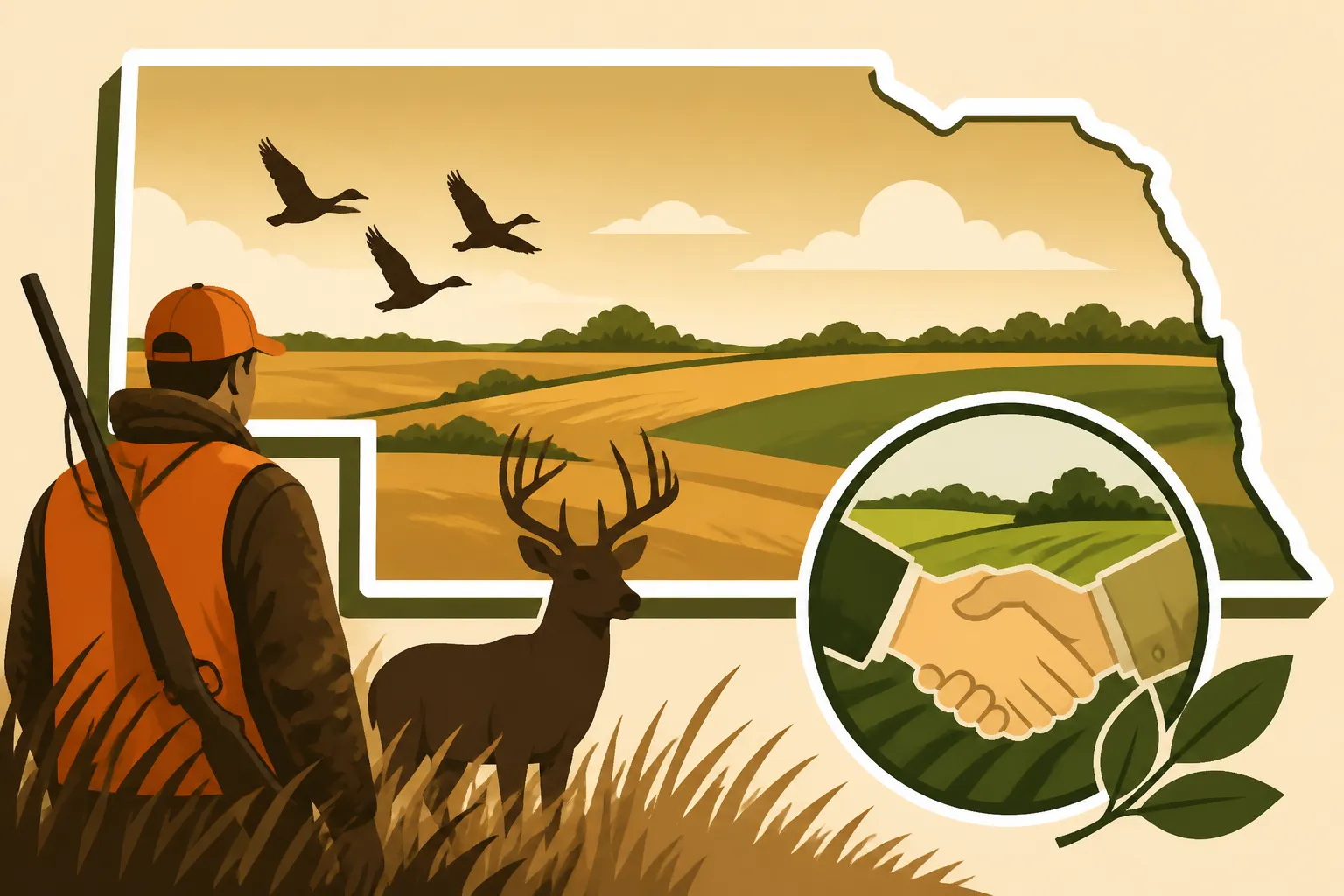
At its heart, the Open Fields and Waters program is a voluntary incentive program. It encourages private landowners to open their property to public hunting and fishing access, often for a fee or other compensation. Think of it as a partnership: landowners get a benefit, and hunters gain access to lands they might otherwise never step foot on. These aren't public lands in the traditional sense, like a national forest or state park; they remain privately owned, but with a temporary agreement to allow public access for specific activities. This innovative approach is crucial for providing diverse hunting opportunities, especially in areas where traditional public lands are scarce. It helps spread out hunter pressure and provides new landscapes to explore.
How OFW Provides Access
Access through the OFW program is typically granted for specific recreational activities, most commonly hunting. These tracts are clearly marked with distinctive yellow signs that say "Open Fields and Waters" and specify the allowed activities (e.g., "Hunting," "Fishing," "Archery Only"). When you see these signs, you know you're on a designated public access area. Most OFW tracts are designated as "Walk-In Only Rules on Open Fields Tracts," meaning you'll need to leave your vehicle and proceed on foot, which is part of the charm and challenge. This restriction helps minimize disturbance, maintains the rural feel of the land, and ensures a quality experience. Always pay close attention to the signage, as some tracts might have additional restrictions, such as limiting hunting to certain species or times of the year.
The Hunter's Role and Responsibilities on OFW Land
Hunting on OFW lands comes with a significant responsibility: to be an exemplary ambassador for all hunters. This means respecting the land as if it were your own, and then some. Landowners are voluntarily opening their property, and their continued participation depends on positive experiences. Always ensure you understand and adhere to all local, state, and program-specific regulations. Pack out everything you pack in, and perhaps even a little extra trash if you find it. Avoid damaging fences, gates, or other private property. Remember, this land is someone's livelihood, and treating it with anything less than utmost respect jeopardizes future access for everyone. Leaving a positive impression encourages landowners to renew their agreements and potentially brings more landowners into the program.
The Numbers: Acres and Landowners in OFW
The growth and sustainment of the Open Fields and Waters program are critical for public access hunting in Nebraska. It’s a dynamic program, with acres and participating landowners shifting, but the overall trend has been a positive one, significantly contributing to the available hunting acreage across the state. Understanding the scale of this program can help hunters appreciate the effort involved and plan their hunts more effectively.
Tracking the Growth of the Program
Since its inception, the Open Fields and Waters program has seen a steady increase in both enrolled acres and participating landowners, reflecting its success and the mutual benefits it provides. This growth hasn't always been linear; it fluctuates based on landowner interest, agricultural markets, and funding availability. However, the Nebraska Game and Parks Commission (NGPC) consistently works to expand the program, recognizing its importance. The program’s ability to adapt and offer various incentives has been key to its sustained growth, often targeting areas with critical habitat or limited public access. This expansion provides a wider array of habitats and species for hunters to pursue, from upland birds in crop stubble to deer in wooded river bottoms.
How Many Acres Nebraska Opens to Hunters
The total number of acres available through the OFW program varies from year to year, but it consistently offers a substantial amount of additional hunting opportunity. These acres are spread across various landscapes, from the rolling Sandhills to the dense river bottoms of eastern Nebraska. It's not just about raw acreage, though; it's about the quality and distribution of that land. Many tracts are strategically located to provide access to prime habitat for deer, pheasants, turkeys, and waterfowl. Hunters often discover that these smaller, privately managed parcels offer unique hunting experiences compared to larger, more heavily pressured public lands. While I cannot give you a specific number for this current moment, you can always check the latest The Nebraska Public Access Atlas for the most up-to-date acreage figures and locations.
How Many Landowners Enrol in Open Fields
The success of the OFW program hinges directly on the willingness of private landowners to participate. Hundreds, and at times thousands, of landowners across Nebraska enroll their properties, demonstrating a strong commitment to wildlife conservation and public access. These landowners come from all walks of life – farmers, ranchers, timber owners – each with their own reasons for participating, but all sharing a common goal of providing access. The program's ability to offer fair compensation and robust liability protection makes it an attractive option for landowners who might otherwise be hesitant to open their gates to strangers. Their participation is truly a gift to the hunting community, providing diversity and opportunity that would be impossible without their cooperation.
Benefits and Challenges of Hunting OFW Lands
Hunting Open Fields and Waters tracts offers a unique experience, blending the feel of private land with the accessibility of public ground. However, like any hunting opportunity, it comes with its own set of advantages and hurdles that hunters need to be aware of to maximize their success and enjoyment.
The Advantages for Public Land Hunters
One of the biggest advantages of OFW lands is the sheer increase in accessible acreage. For many hunters, especially non-residents or those without private land connections, OFW tracts are a godsend. They often provide access to diverse habitats that might not be found on traditional Wildlife Management Areas (WMAs), such as actively farmed fields, shelterbelts, or smaller timber pockets. This diversity can lead to fantastic hunting for a variety of species. Furthermore, because many OFW parcels are smaller and less consolidated than larger public tracts, they can sometimes see less overall hunter pressure, especially on weekdays. This means you might find more undisturbed game and a more solitary hunting experience, allowing for better Scouting Nebraska Public Ground Before Opening Day and more productive hunts.
Common Challenges on OFW Tracts
Despite the many benefits, hunting OFW lands can present its own set of challenges. One of the most common issues is the variable quality and size of the tracts. Some might be small, narrow strips of cover, while others could be expansive fields. Their availability can also change year-to-year as landowner agreements expire or new ones begin. This means a favorite spot one season might be closed the next, requiring hunters to constantly adapt and scout new areas. Hunter pressure, while sometimes less than WMAs, can still be significant on popular tracts, especially on opening weekends. Because the tracts are often smaller, it's easier for multiple groups to inadvertently interfere with each other's hunts. Understanding that these are walk-in only can also be a challenge for some, requiring a higher level of physical fitness and the ability to pack in all your gear.
What to Expect When Hunting OFW
A realistic approach is crucial when hunting Open Fields and Waters. Don't expect pristine, unpressured wilderness. Instead, expect a dynamic landscape where agricultural practices, weather, and hunter activity constantly influence game movement. Be prepared for varied terrain, from muddy field edges to dense brush. Always consult the latest Public Access Atlas, and consider using a mapping app like onX Hunt to visualize boundaries and topography, giving you a crucial advantage in understanding the lay of the land. Success often comes down to diligent scouting, adapting your tactics, and being flexible with your plans. For instance, if you're targeting pheasants, walking milo or corn stubble might be productive, but you'll need to adjust if the cover is sparse. Similarly, deer hunters might find success Setting Up on a Nebraska Cornfield Edge if the tract provides good transition cover.
Finding and Utilizing OFW Tracts
So, you're ready to explore Nebraska's Open Fields and Waters program. Knowing where these opportunities exist and how to effectively use them is key to a successful hunt. This isn't just about showing up; it's about smart planning and resourceful execution.
Resources for Locating OFW Areas
The primary resource for finding Open Fields and Waters tracts is the Nebraska Game and Parks Commission's The Nebraska Public Access Atlas. This comprehensive guide is updated annually and details all public hunting and fishing access points across the state, including OFW lands, Wildlife Management Areas, and other public grounds. You can pick up a physical copy at Game and Parks offices or download it online. Beyond the atlas, many hunters find digital mapping applications to be invaluable. Tools like onX Hunt allow you to overlay property boundaries and land ownership information directly on your phone or GPS device. This is incredibly helpful for distinguishing OFW tracts from surrounding private land, ensuring you stay within legal hunting areas. These apps can also show you topography, satellite imagery, and even recent weather, all of which contribute to your scouting and hunting strategy.
Scouting Strategies for Open Fields and Waters
Scouting is paramount for success on any public ground, and OFW tracts are no exception. Start with virtual scouting: use the Public Access Atlas in conjunction with aerial imagery on mapping apps like onX Hunt or Google Earth. Look for key features such as pinch points, water sources, dense cover, and food plots that might attract game. Identify potential entry and exit routes, remembering that most OFW is walk-in only. Pay close attention to recent agricultural activity – a harvested cornfield will hunt very differently from one still standing.
Once you've narrowed down a few promising areas, it's time for boots-on-the-ground scouting, ideally before the season opens. Walk the boundaries, look for game trails, bedding areas, and feeding sign. Note prevailing wind directions, especially in open country, as deer movement is highly wind-dependent. Don't be afraid to use trail cameras, but always ensure you understand Trail Camera Rules on Nebraska Public Land and respect private property. The more intel you gather, the better your chances. Scouting helps you avoid the common frustration of pulling up to a tract on opening morning only to find it unsuitable or already crowded. For more detailed research and planning, especially if you're traveling from afar, premium services like GoHunt can offer additional insights into draw odds, unit data, and species concentrations, helping you prioritize your efforts among the vast options.
Effective Hunting Tactics for OFW
The tactics you employ on an OFW tract will largely depend on the species you're pursuing and the specific habitat present. For upland birds like pheasants and quail, working slowly and thoroughly through thick cover, shelterbelts, and field edges is key. If you have a dog, let them work methodically. Without one, consider small "drives" with a partner if the terrain allows, focusing on pushing birds towards an open end. For deer, treat OFW lands as you would any other piece of public ground. Identify bedding and feeding areas, travel corridors, and transition zones. Consider using a ground blind that can handle Nebraska wind, especially in open areas, or carefully select a Choosing a Treestand Site on Nebraska Farmland if mature trees are available and allowed. Rattling and Grunting in Nebraska's Rut can be effective in timbered river bottoms or cedar draws. Always be mindful of your approach and exit to avoid spooking game, especially on smaller parcels where disturbance can easily impact the entire tract.
| Feature | Open Fields and Waters (OFW) | Wildlife Management Areas (WMAs) | National Grasslands/Forests |
|---|---|---|---|
| Ownership | Private land, public access | State-owned public land | Federally-owned public land |
| Typical Size | Variable, often smaller parcels | Medium to large tracts | Very large, expansive |
| Management Focus | Landowner partnership, access | Wildlife habitat, recreation | Multiple use (grazing, timber, recreation) |
| Hunter Density | Variable, can be less than WMAs in spots | Moderate to high, especially early season | Low to moderate, due to vastness |
| Habitat Diversity | Often reflects agricultural landscapes | Diverse, managed for specific species | Expansive grasslands, some timber |
| Rules | Specific to agreement, often walk-in only | State regulations, WMA-specific rules | Federal regulations, site-specific rules |
| Primary Access | Clearly signed private land | Marked public land | Marked federal land |
How Landowners Get Involved in OFW
The backbone of the Open Fields and Waters program is the private landowner. Without their participation, this incredible resource for Nebraska hunters simply wouldn't exist. Understanding why and how landowners choose to enroll their property sheds light on the program's success and sustainability. It's a true win-win scenario, fostering goodwill and providing tangible benefits to all parties.
Why Landowners Enroll Their Property
Landowners decide to enroll their property in the OFW program for a variety of compelling reasons. Foremost among these are the financial incentives. The Nebraska Game and Parks Commission offers payment options to landowners, compensating them for opening their land to public access. This can provide a valuable, consistent income stream for agricultural producers, helping to offset costs or supplement their farm and ranch operations. Beyond monetary benefits, many landowners also value the wildlife management aspects. The program often includes technical assistance from wildlife biologists, helping landowners enhance habitat on their property, which in turn benefits local wildlife populations. For some, it's also about a deep-seated desire to share their love of the outdoors and contribute to the hunting heritage of Nebraska, ensuring future generations have places to hunt.
The Enrollment Process
The process for a landowner to enroll their property in the Open Fields and Waters program is designed to be straightforward and mutually beneficial. Typically, a landowner interested in participating would contact the Nebraska Game and Parks Commission. A representative from the NGPC would then meet with the landowner to discuss the program, assess the property's potential for public access, and tailor an agreement that meets both the landowner's needs and the program's objectives. Agreements often specify the types of hunting allowed (e.g., upland game, deer, waterfowl), the duration of the agreement, and any specific restrictions the landowner wishes to impose (e.g., no vehicle access, specific hunting dates). Once an agreement is reached, signs are posted, and the property is included in the Public Access Atlas, making it officially available to the public. It's a collaborative process that respects private property rights while expanding public opportunity. Find out more about Enrolling Your Land in Open Fields directly through the Nebraska Game and Parks Commission.
Liability Protection for Enrolled Landowners
One of the most significant concerns for any landowner considering opening their property to the public is the potential for liability. Nebraska's Open Fields and Waters program directly addresses this by providing robust Liability Protection for Enrolled Landowners. State law offers protections to landowners who allow recreational access on their property without charge, and the OFW program further enhances this. This legal shield gives landowners peace of mind, knowing that they are largely protected from liability in the event of an accident occurring on their enrolled property. This crucial aspect is often the deciding factor for landowners, as it removes a major barrier to participation and fosters a more open and welcoming environment for public access initiatives.
Comparing OFW with Other Public Access Options
While the Open Fields and Waters program is an incredible asset, it's just one piece of the larger public access puzzle in Nebraska. Understanding how OFW tracts compare to other public hunting lands helps you build a diverse hunting strategy and choose the right location for your pursuits. Each type of access offers unique opportunities and challenges, making a well-rounded approach essential for any dedicated hunter.
OFW vs. Wildlife Management Areas (WMAs)
Wildlife Management Areas, or WMAs, are lands explicitly purchased and managed by the Nebraska Game and Parks Commission for wildlife habitat and public recreation. Unlike OFW tracts, WMAs are true public lands, owned by the state. This means they often have dedicated parking areas, more consistent access rules, and long-term management plans for specific wildlife species. However, WMAs can also experience significantly higher hunter pressure, especially during opening weekends or peak seasons, simply because they are well-known and reliably open. OFW tracts, being on private land, can sometimes offer a slightly more secluded experience, particularly if they are smaller or less obvious. The habitat on WMAs is often more natural or restored, whereas OFW lands can include active agricultural fields, offering a different suite of hunting opportunities. Familiarizing yourself with Nebraska Wildlife Management Areas is a great complement to understanding OFW.
OFW vs. National Forests/Grasslands
Nebraska also boasts several National Forests and Grasslands, particularly the Bessey Ranger District of the Nebraska National Forest and the Oglala National Grassland in the western part of the state. These federal lands represent vast, expansive tracts that offer an entirely different scale of hunting. Here, you can truly get away from it all and experience wilderness-style hunting. The sheer size allows for extensive Spot-and-Stalk Mule Deer in the Nebraska Sandhills or Prairie Grouse Hunting on Nebraska's Open Range. While WMAs and OFW tracts might be scattered and smaller, National Forests and Grasslands provide contiguous blocks of huntable land. The challenges here often revolve around navigation over vast distances, potentially rugged terrain, and a lack of amenities. Hunter density can be lower due to the large area, but successful hunting requires a higher degree of self-sufficiency and preparation.
Private Land Access and the Importance of OFW
For many, the "ideal" hunting experience involves gaining permission to hunt private land. While this offers the most control and often the least pressure, securing permission can be incredibly difficult, especially for non-residents or those without local connections. This is where the Open Fields and Waters program truly shines. It acts as a bridge, providing private land access without the need for personal connections or extensive negotiations. For many hunters, OFW tracts are the closest they'll get to a private land experience. It alleviates the pressure on traditional public lands and opens up new geographical areas for hunting that would otherwise be completely inaccessible. The program acknowledges the reality that private landowners are essential to Nebraska's hunting landscape and provides a structured, beneficial way to integrate that private land into the broader public hunting framework. This public-private partnership is a cornerstone of maintaining strong hunting opportunities across the state, making it easier for everyone to enjoy the rich outdoor heritage of Nebraska.
Disclaimer
This article is for general informational purposes only and does not constitute professional advice. Laws, prices and regulations vary by location and change over time. Consult a qualified professional for guidance on your specific situation.