Walk-In Only Rules on Open Fields Tracts
Navigating the myriad of public hunting access points in Nebraska can sometimes feel like trying to read a roadmap drawn by a squirrel – especially when you encounter those "Walk-In Only" signs. Many hunters get confused, frustrated even, wondering exactly what these rules mean for their hunting plans, how they differ from other access types, and what limitations they truly impose. This guide is here to unravel the specifics of "Walk-In Only" rules on Open Fields and Waters (OFW) tracts, helping you understand how to use these valuable resources effectively and ethically.
Demystifying Nebraska's Open Fields and Waters (OFW) Program
Before we dive specifically into "Walk-In Only," it's vital to grasp the bigger picture of Nebraska's Open Fields and Waters (OFW) program. This program is a game-changer for public hunting access in a state predominantly made up of private land, but it comes with its own set of unique guidelines that differ significantly from traditional public land.
The Genesis of the OFW Program
The Open Fields and Waters program was born out of a critical need: to provide more hunting and fishing opportunities on private land. Nebraska, like many agricultural states, has a vast amount of prime habitat tied up in private ownership, which historically meant limited access for the general public. The program addresses this by allowing the Nebraska Game and Parks Commission (NGPC) to enter into agreements with private landowners. In exchange for opening their land to public recreational access, landowners receive an incentive.
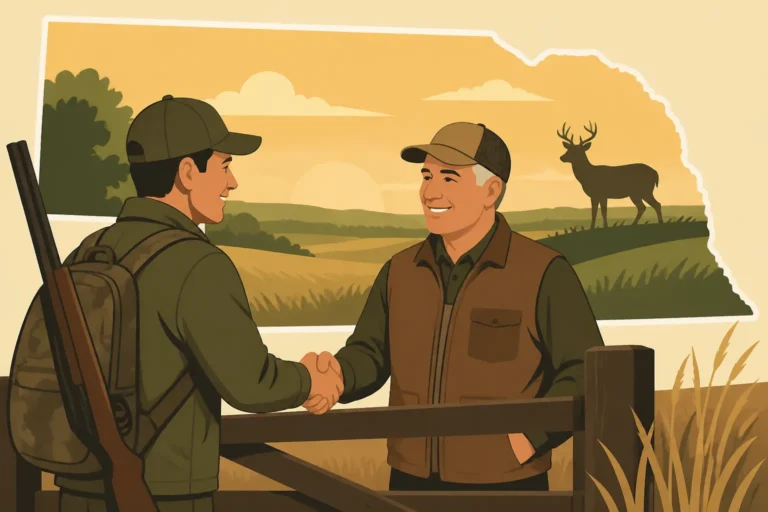
It's crucial to understand that these OFW tracts are not public land in the same way a state WMA or national forest is. They remain private property, and the landowner retains ownership and often maintains management control. The public access is a privilege granted through the agreement, and with that privilege comes the responsibility of adhering strictly to the posted rules. This distinction is important because it means landowners can set specific conditions for access, which often include the "Walk-In Only" stipulation. The program effectively expands the footprint of huntable ground, but it's built on a foundation of mutual respect and clear boundaries. If you want to learn more about the program generally, check out Nebraska's Open Fields and Waters Program.
How to Identify an OFW Tract
Knowing where these OFW tracts are and what rules apply is your first step to a successful hunt. The NGPC makes this information available through several channels, both physical and digital.
Firstly, when you're out driving around, you'll see distinctive yellow and black signs posted at access points and along boundaries of enrolled properties. These signs clearly indicate "Open Fields and Waters" and often specify "Walk-In Only" if that's the restriction. Always look for these physical signs; they are your definitive guide in the field.
Beyond the signs, the cornerstone for identifying and planning hunts on OFW ground is the Nebraska Public Access Atlas. This incredible resource is published annually and available both in print and digitally. The Atlas provides detailed maps showing all public and authorized private lands open to hunters and anglers, including every OFW tract. It's truly indispensable for planning a hunt anywhere in the state. Digital versions are especially useful because they often integrate with GPS apps.
Speaking of apps, modern technology has made accessing this information even easier. Many hunters, myself included, rely heavily on mapping applications like onX Hunt. These apps offer layers that show public and private land boundaries, including OFW tracts, right on your phone or GPS device. This allows for real-time navigation and helps you pinpoint exactly where you are in relation to property lines, especially useful on large, complex tracts. GoHunt is another excellent resource for planning and identifying hunting grounds. Before you head out, make sure you know how to use these digital tools, especially if you anticipate being in areas with spotty cell service. Knowing how to utilize features like offline maps is a game-changer. For more on navigating with digital tools, see Using the Atlas App Without Service and onX Layers for Nebraska Land Status.
Understanding "Walk-In Only" Restrictions
The term "Walk-In Only" on an Open Fields and Waters tract is straightforward, but its implications can sometimes surprise hunters who aren't prepared. It's a critical rule designed to manage access and preserve the integrity of the land.
The Core Meaning of "Walk-In Only"
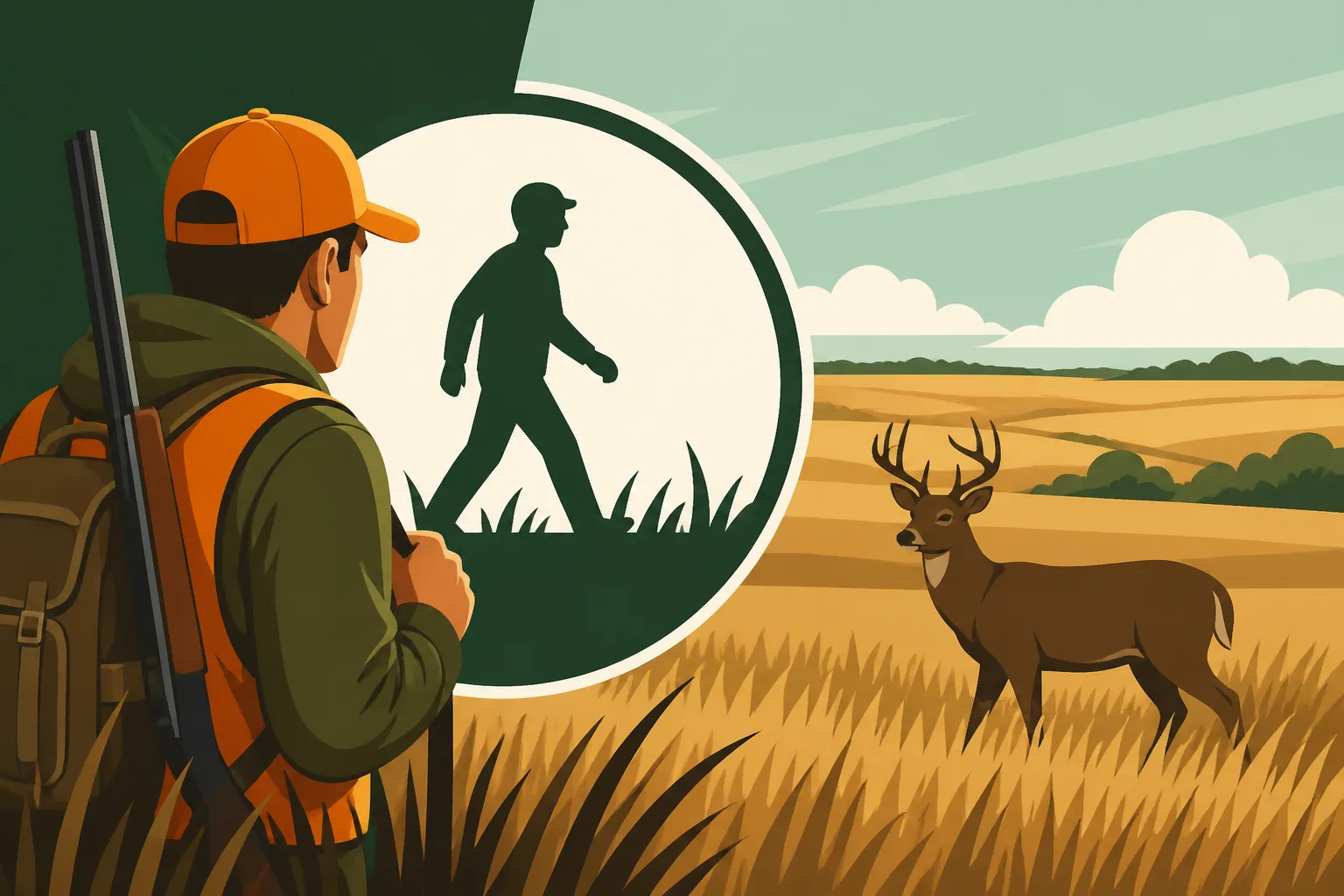
At its heart, "Walk-In Only" means exactly what it says: foot traffic is the only permissible form of travel beyond the designated parking area or primary access point. This isn't just a suggestion; it's a hard and fast rule. When you see that sign, it means:
- No motorized vehicles: This includes trucks, cars, ATVs, UTVs, dirt bikes, or any other vehicle with an engine. You park your vehicle and proceed on foot.
- No bicycles: Even though they're not motorized, bicycles are typically prohibited on "Walk-In Only" tracts to prevent excessive impact on trails and habitat.
- No horses or other pack animals: While sometimes allowed on other public lands, they are generally not permitted on these specific tracts under the "Walk-In Only" designation.
The intent behind this rule is multifold. Firstly, it minimizes disturbance to wildlife. By restricting vehicles, hunters are encouraged to move more slowly and quietly, which can lead to a more natural hunting experience. Secondly, it protects the landowner's property and the habitat itself. Vehicles can cause ruts, spread noxious weeds, compact soil, and damage fragile ecosystems, especially in wet conditions or sensitive areas like prairie grasslands or crop stubble. Lastly, it helps distribute hunter pressure more evenly. Hunters willing to walk further often find less disturbed areas, rewarding their effort with better opportunities.
Practical Implications for Hunters
Understanding the "Walk-In Only" rule isn't just about what you can't do; it's about how you adapt your hunting strategy and gear for what you can do. These practical implications are where many hunters feel the crunch.
One of the biggest adjustments is gear consideration. Whatever you bring with you beyond your vehicle, you'll be carrying on your back or pulling in a cart by hand. This means carefully assessing the weight of your pack, your stand (if allowed and if you choose to bring one), your decoys, and any other equipment. Lightweight and efficient gear becomes paramount. For instance, if you're hunting pheasants, a comfortable bird vest with plenty of water for you and your dog is far more practical than trying to haul a heavy dog kennel deeper into the field.
Another significant consideration, particularly when deer hunting, is game retrieval. If you're fortunate enough to harvest a large animal like a deer or antelope, you'll need a plan for getting it back to your vehicle. This is where "Walk-In Only" can really test your resolve. You won't be able to drive your truck or ATV right up to your downed game. This means:
- Dragging: For many, a long drag by hand is the reality. Invest in a good game cart if possible, but be aware that tough terrain (sand, tall grass, deep mud) can make even a cart a serious challenge.
- Field dressing and quartering: Learning how to gutless field dress and quarter an animal in the field can save you immense effort. By removing the hide, head, and bones, you significantly reduce the weight you need to transport. This is especially important in warm weather to cool the meat quickly. Thinking ahead about how you'll handle a harvest in a remote location is a critical part of your pre-hunt planning. For some tips on this, consider Getting a Deer Out of a Nebraska Sandhills Basin.
- Extra help: If possible, hunt with a partner or have someone on standby who can assist with retrieval. Two people can manage a drag or pack-out much more effectively than one.
Finally, "Walk-In Only" impacts your mobility for scouting or relocating. You can't just jump in your truck and drive to another spot on the same tract if the first one isn't panning out. Every move requires physical effort, which means your initial scouting and planning become even more crucial.
Navigating and Hunting "Walk-In Only" Tracts Effectively
Successfully hunting "Walk-In Only" tracts boils down to two things: meticulous pre-hunt preparation and smart, ethical tactics in the field. These areas offer incredible opportunities for those willing to put in the effort.
Pre-Hunt Scouting and Map Use
This can't be stressed enough: maps are your best friend on "Walk-In Only" land. Since you're relying solely on foot power, every step counts, and you don't want to waste energy or time on unproductive ground or, worse, by inadvertently trespassing.
Start with the Nebraska Public Access Atlas. Whether you have the physical copy spread out on your kitchen table or the digital version on your tablet, pore over the maps. Look for the yellow OFW boundaries and identify the specific "Walk-In Only" designations. Pinpoint parking areas and official access points.
Next, get granular with digital mapping apps like onX Hunt or GoHunt. These tools allow you to zoom in and examine the terrain in detail. Look for:
- Natural funnels and pinch points: Where might deer or other game be forced to travel? Consider creek bottoms, timber edges, or breaks in elevation.
- Cover changes: Where does grassland meet a CRP field? Where are the edges of a shelterbelt or a small woodlot? These are often prime areas for game movement and bedding.
- Water sources: Even small ponds or intermittent creeks can be magnets for wildlife, especially in dry conditions.
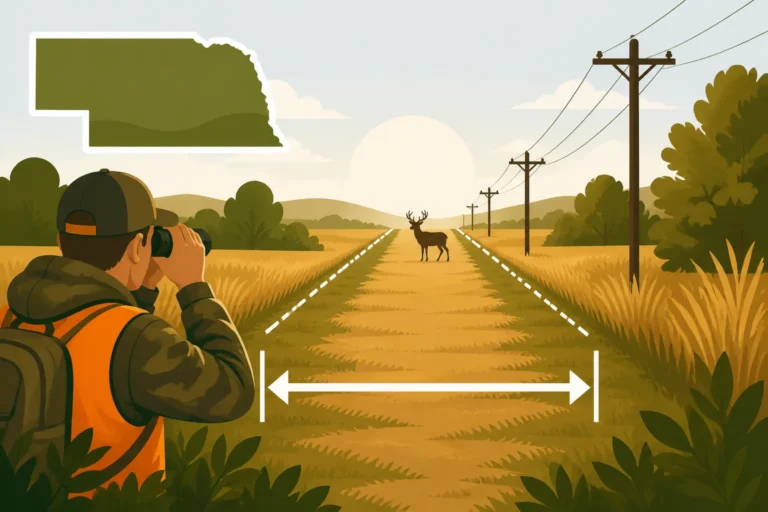
- Topography: Identify ridges, draws, and elevation changes that could offer strategic vantage points for glassing or concealment for stalking.
- Entry and exit routes: Plan how you'll approach your chosen hunting spot to minimize disturbance and how you'll exit. Think about prevailing wind directions and how they might affect your scent cone. Entry and Exit Routes on Flat Farm Ground is a good read for this.
Don't just look at the boundaries; study the features within the boundaries. Use satellite imagery to visualize the actual cover. Mark potential hunting locations, approach routes, and contingency plans directly on your app. Even a virtual scouting session can save you miles of walking in the field. For more information on using these tools, see Finding Nebraska Property Lines and Scouting Nebraska Public Ground Before Opening Day.
On-the-Ground Tactics and Ethical Conduct
Once you're actually in the field, your approach matters just as much as your planning.
Parking Responsibly: Always park in designated areas, or if none are specified, in a way that doesn't block gates, roads, or private driveways. Be mindful that OFW tracts are on private property, and maintaining a good relationship with landowners starts with respect.
Respecting Boundaries: This is paramount. Just because an OFW tract is "Walk-In Only" doesn't mean the neighboring private land is open for hunting or even retrieving game. Always know where the property lines are. Digital maps are invaluable here, helping you stay within the legal boundaries of the OFW tract. If your game runs onto adjacent private property, you must obtain permission from that landowner before attempting retrieval.
Low-Impact Hunting: Embrace the "Walk-In Only" ethos. This means using tactics that minimize your footprint and maximize your stealth.
- Still-hunting: Moving slowly and deliberately through cover, stopping frequently to observe and listen, is perfectly suited for these areas.
- Ground blinds: Lightweight, portable ground blinds are an excellent option for bow or firearm hunting. They can be set up quickly and provide good concealment. Just remember, you'll have to carry it in and out, or adhere to rules about leaving blinds on public ground (which often means they must be removed daily or have specific labeling). Permanent stands are generally prohibited. See Blinds and Stands on Open Fields Ground for more details.
- Stalking: For species like mule deer or antelope in more open country, honing your stalking skills becomes essential. Use the terrain to your advantage, stay low, and pay close attention to wind direction.
- Dog Use: For bird hunters, dogs are generally allowed on OFW tracts, but always double-check the specific rules for each tract in the Public Access Atlas. Your dog can cover more ground, but you'll still be walking to keep up. Ensure your dog is well-trained and under control to avoid disturbing other hunters or wildlife. If you're hunting without a canine companion, you might want to read Hunting a Pheasant Field Without a Dog.
The idea is to blend in, move thoughtfully, and leave no trace. This not only enhances your hunting experience but also helps ensure these valuable access opportunities continue to be available.
Benefits and Challenges of Walk-In Only Access
Hunting "Walk-In Only" tracts presents a unique blend of advantages and difficulties. Understanding both sides can help you prepare mentally and practically for a successful outing.
The Upsides for Hunters and Wildlife
While the "Walk-In Only" designation might initially seem like a hurdle, it actually creates several significant benefits:
- Reduced Hunter Pressure: This is arguably the biggest advantage. Because motorized access is restricted, many hunters are deterred from venturing far into these tracts. Those willing to walk a mile or more often find themselves in areas that see significantly less pressure, especially compared to easily accessible public lands. This can lead to more relaxed animals and a higher chance of encountering mature game. It creates a filtering effect, rewarding effort.
- Better Quality Hunting Experience: The solitude and quiet that come with "Walk-In Only" access can elevate the hunting experience. You're more immersed in nature, less distracted by vehicle noise or the constant presence of others. It forces you to slow down, observe more, and connect with the landscape in a deeper way.
- Less Habitat Disruption: By limiting vehicle traffic, these tracts often maintain better habitat quality. Less soil compaction, fewer ruts, and reduced spread of invasive species contribute to a healthier ecosystem, which in turn supports more robust wildlife populations.
- Unique Solitude: In today's crowded world, finding a place where you can truly feel alone in nature is a treasure. "Walk-In Only" tracts often provide this, offering a chance for introspection and a purer hunting experience, far from the madding crowds. This is particularly true on larger tracts in areas like the Sandhills.
Common Hunter Frustrations and How to Overcome Them
Despite the benefits, "Walk-In Only" rules can definitely lead to some frustrations. Acknowledging these challenges and preparing for them is key to turning potential setbacks into successful hunts.
- Hauling Game Out: As mentioned before, this is often the top complaint. Dragging a mature deer or a handful of pheasants a mile or two can be exhausting.
- Solution: Embrace the gutless method for big game to lighten the load. Invest in a sturdy, lightweight game cart designed for rough terrain. Carry extra game bags to keep meat clean and cool. Hunt with a partner to share the load. Consider a smaller, more manageable animal if your primary goal is meat, or focus on a closer area if you're hunting alone.
- Distance to Good Cover: Sometimes the best hunting spots are a long hike from the nearest legal parking area.
- Solution: Prioritize your physical conditioning. Even short, regular walks with a loaded pack can make a huge difference. Use high-quality, comfortable boots and layering clothing suitable for long walks. Plan your routes carefully using your maps to minimize wasted steps and take advantage of terrain features for easier travel.
- Weather Challenges: Long walks can become even more arduous in adverse weather, whether it's bitter cold, heavy snow, pouring rain, or stifling heat.
- Solution: Dress in layers. Invest in good rain gear, wind-blocking outerwear, and insulated boots. Carry enough water for yourself and any dog you bring, especially in warm weather. Knowing the forecast and having appropriate gear for all conditions is non-negotiable. Don't be afraid to postpone a hunt if conditions are truly unsafe or miserable.
- Limited Gear Transport: You can't bring everything but the kitchen sink.
- Solution: Practice minimalist hunting. Critically evaluate every item you plan to carry. Can you combine functions? Can you leave something behind? Prioritize essential safety gear, navigation tools, first-aid, and game processing equipment.
Here's a quick comparison of different access types you might encounter in Nebraska:
| Access Type | Description | Vehicle Access | Common Uses | Key Advantage | Key Disadvantage |
|---|---|---|---|---|---|
| Walk-In Only (OFW) | Private land open to public hunting/fishing, foot traffic only. | None beyond designated parking. | Deer, upland birds, small game, some waterfowl. | Reduced hunter pressure, solitude. | Game retrieval can be strenuous. |
| General Access (OFW) | Private land open to public hunting/fishing, allows limited vehicle use. | Designated routes/parking. | Deer, upland birds, small game, some waterfowl. | Easier access to more ground. | Can be higher pressured in accessible areas. |
| Public Land (WMA/NFS) | State/Federal owned land, broad public access. | Varies by area, often roads/trails. | All game species depending on location. | Predictable rules, diverse opportunities. | Can be very crowded, especially early season. |
| River/Stream Access | Public access along specified waterways. | Often limited to boat launches. | Waterfowl, furbearers, riparian deer. | Unique water-based hunting. | Can be geographically narrow access. |
"Walk-In Only" tracts are truly gems in Nebraska's hunting landscape. They require a bit more effort and planning, but the rewards—solitude, less pressured game, and a deeper connection to the hunt—are often well worth the sweat. By understanding and respecting these rules, you contribute to the continuation of these vital public access opportunities for all.
Disclaimer
This article is for general informational purposes only and does not constitute professional advice. Laws, prices and regulations vary by location and change over time. Consult a qualified professional for guidance on your specific situation.