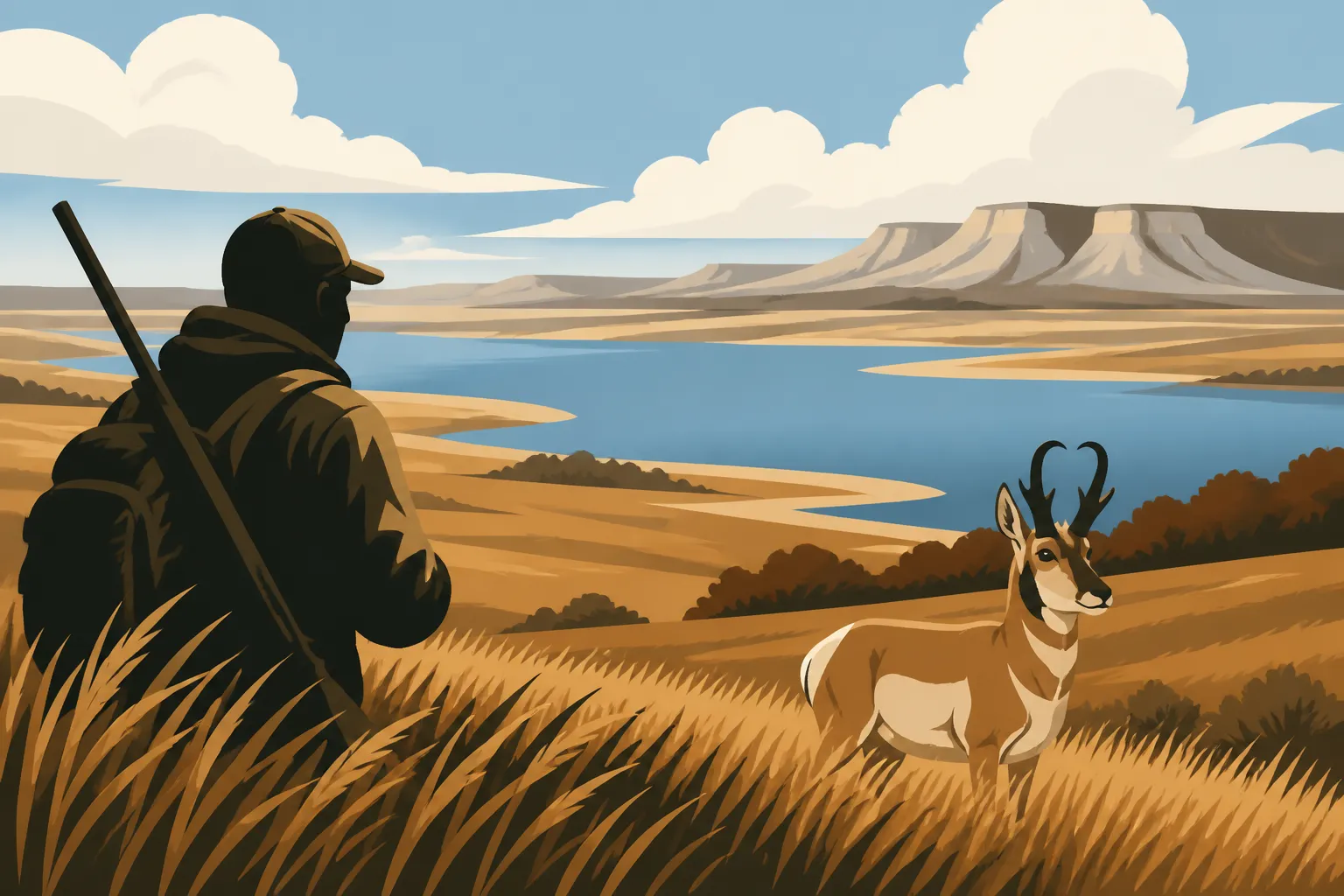
Public Ground Near Ogallala and Lake McConaughy
Finding quality public hunting land in a popular area like Ogallala and around Lake McConaughy can feel like searching for a needle in a haystack. With so much private ground, it's easy to get discouraged just looking at maps. This guide aims to cut through that frustration, revealing where you can legally hunt, what species you'll find, and how to make the most of your time on public dirt in this iconic Nebraska region.
Understanding the Western Nebraska Landscape Around Ogallala
The area surrounding Ogallala and Lake McConaughy is a unique blend of Sandhills prairie, agricultural fields, and the vast expanse of the reservoir itself. This diverse landscape offers a variety of hunting opportunities, but it also presents challenges, primarily related to identifying and accessing public land amidst a sea of private holdings. Many hunters come to this part of the state for its reputation, but quickly realize that figuring out access is half the battle.
The Platte River system feeds into Lake McConaughy, influencing the habitat significantly. You'll find cottonwood river bottoms, marshy areas, and grasslands that transition into agricultural fields. These varied ecosystems mean different species thrive in different spots, making scouting and understanding the terrain crucial. It's not uncommon to drive past seemingly endless corn or alfalfa fields and wonder where a hunter could possibly go, but the public parcels are there if you know how to look.
The Sandhills themselves begin to the north and west, bringing with them a different type of hunting experience altogether, characterized by rolling grasslands, wet meadows, and isolated pockets of trees. While not directly around Lake McConaughy, the influence of this terrain is felt, especially in some of the more expansive public tracts further afield. Understanding these subtle shifts in habitat will guide you toward the right game and the right tactics.
Geographic Features and Habitat Overview
Lake McConaughy, often lovingly called "Big Mac" by locals, is a massive body of water, and its sheer size means it influences weather patterns and game movement. The reservoir's shoreline, especially where fingers of water extend into the land, creates excellent waterfowl habitat, drawing ducks and geese throughout the migration. These areas can be surprisingly diverse, offering open water for divers, shallow marshes for dabblers, and adjacent fields for geese.
Beyond the water, the topography varies. To the south and east, you'll encounter more traditional farmland with corn and soybean fields, often interspersed with shelterbelts and drainage ditches that whitetails and pheasants call home. As you move north and west, the terrain opens up into the rolling grasslands of the Sandhills, where mule deer and even sharp-tailed grouse might be found in appropriate habitat. This transition zone is where some of the most overlooked hunting opportunities exist for those willing to explore.
Don't underestimate the importance of these smaller features. A single cedar draw, a thick cattail slough, or a winding creek bottom can concentrate game in an otherwise open landscape. Reading a Cedar Draw for Deer Movement or Hunting a Creek Crossing in the Sandhills are tactics that become incredibly valuable in this kind of country. It's often not about the quantity of cover, but the quality and strategic placement of it that dictates game presence.
Common Frustrations for Hunters in the Region
One of the biggest headaches for hunters in the Ogallala/Lake McConaughy area is undoubtedly the perception that "everything is private." It's true, large tracts of land are privately owned, and finding public access points can feel like a puzzle. Without clear signage or easily identifiable boundaries, many hunters simply drive past prime areas, assuming they're off-limits. This often leads to frustration, especially for out-of-state hunters or those unfamiliar with the region.
Another common frustration stems from hunting pressure. Because Lake McConaughy is such a popular destination, public hunting areas, particularly those easily accessible from main roads, can see significant traffic, especially during opening weekends for deer or pheasant season. It's not uncommon to arrive at a prime spot only to find several other vehicles already parked, which can quickly dampen enthusiasm and make game harder to find.
Finally, the sheer scale of the landscape can be intimidating. You might see a vast expanse of grassland or a massive field, but knowing where to start, where the deer are likely to bed, or where pheasants might hold tight can be daunting. Without local knowledge or the right tools, it's easy to feel lost or to waste precious hunting time in unproductive areas. This is where good scouting and technology become your best friends.
Key Public Hunting Areas Near Lake McConaughy
While it might seem like private land dominates, there are significant and productive public hunting opportunities near Ogallala and Lake McConaughy. These range from dedicated Wildlife Management Areas (WMAs) to portions of the Lake McConaughy State Recreation Area itself, and even tracts enrolled in the Open Fields and Waters (OFW) program. Each offers unique habitat and target species.
The trick is knowing where these areas are, what they offer, and how to effectively navigate them. Many of these spots might require a bit more effort to access or hunt, but that's often where you'll find less pressure and better success. Don't be afraid to put some miles on your boots; the payoff can be substantial.
Lake McConaughy State Recreation Area
The Lake McConaughy State Recreation Area (SRA) itself, while primarily known for boating and fishing, offers substantial hunting opportunities, especially for waterfowl and deer. The shoreline areas, particularly the western end where the North Platte River enters, feature significant marshland, cattail sloughs, and river bottom timber. These areas are magnets for migrating ducks and geese.
Hunting within the SRA typically involves navigating these diverse habitats. You'll find areas suitable for layout blinds in cut cornfields adjacent to the lake or for setting up around a small slough. For waterfowl, understanding flyways and wind direction is paramount, as is having the right decoy spread. Decoy Spreads for Rainwater Basin Geese tactics can often apply here, adapting for the specific contours of the lake. Deer hunting, particularly for whitetails, can be productive in the timbered river bottoms and brushy draws feeding into the lake, especially in the late season when deer seek thermal cover.
One challenge with hunting the SRA is the sheer size and the multi-use nature of the area. During peak seasons, you might encounter other recreationists, so always be aware of your surroundings and choose your hunting spots carefully to ensure safety and minimize conflicts. However, the expansive nature of the SRA means that if you're willing to walk a bit, you can often find solitude and undisturbed pockets of game.
Sutherland Reservoir State Recreation Area
Just east of Lake McConaughy, Sutherland Reservoir SRA offers additional public hunting ground. While smaller than Lake Mac, Sutherland also provides excellent opportunities, particularly for waterfowl and upland birds, and some deer. The reservoir includes both open water and extensive marshy edges, making it another prime stop for migratory birds along the Central Flyway.
Hunters here often focus on ducks and geese, utilizing jump shooting tactics along the canals and sloughs, or setting up blinds in strategic locations along the shore or in nearby harvested fields. Jump Shooting Nebraska River Ducks can be an effective method here, especially in the early season. For upland birds, the grassy areas and shelterbelts around Sutherland can hold pheasants and quail, especially later in the season when they seek heavier cover.
Deer hunting is also possible, with whitetails inhabiting the creek bottoms and brushy areas around the reservoir. While not typically known as a trophy deer destination, it can be a great place to fill an antlerless tag or find a buck, especially if you're willing to explore away from the most obvious access points. Like Lake Mac, public access can be busy, so consider hunting during weekdays or pushing deeper into less accessible spots.
Open Fields and Waters (OFW) Tracts
Beyond the large SRAs, numerous Open Fields and Waters (OFW) tracts dot the landscape around Ogallala and Lake McConaughy. These are privately owned lands that the Nebraska Game and Parks Commission leases for public hunting and fishing access. They are invaluable for hunters seeking diverse opportunities, often filling the gaps between larger public areas.
OFW tracts come in various forms: some might be large expanses of CRP grassland perfect for pheasants and deer, others might be river access points, and some are small, isolated parcels of timber or brush. The beauty of the OFW program is its dynamic nature; tracts can change year to year, so it's essential to consult the most current The Nebraska Public Access Atlas annually. This atlas, available online and often in print, is your absolute best friend for finding these properties.
When hunting OFW tracts, always respect the posted rules, which are typically "walk-in only" and often prohibit permanent blinds or stands. Reading a Nebraska Deer Unit Boundary and paying close attention to property lines is crucial, especially when using a mapping app like onX Hunt. This app is incredibly useful for instantly seeing property boundaries and confirming public access, making it much easier to confidently hunt these dynamic parcels. For example, if you're on a grass tract next to a cornfield, onX Hunt can tell you exactly where the public land ends and private property begins, preventing accidental trespass.
Wildlife Management Areas (WMAs) and Other Public Lands
While the major SRA's offer significant acreage, there are also smaller, dedicated Wildlife Management Areas (WMAs) and other public land parcels in the broader region. These WMAs are managed specifically for wildlife habitat and public recreation, often providing excellent hunting for a variety of species. They can include a mix of grassland, wetlands, and timber.
These areas are often less crowded than the most popular SRA spots, especially if they require a bit of a drive or a longer walk from the parking area. Species you might encounter include pheasants, quail, ducks, geese, and both whitetail and mule deer, depending on the specific habitat. Remember that Nebraska Wildlife Management Area Rules can have specific regulations, such as nontoxic shot requirements for waterfowl, so always check before you go.
For example, WMAs further north or west of Ogallala might offer better chances at Mule Deer in the Nebraska Sandhills and Panhandle or even Prairie Grouse Hunting on Nebraska's Open Range, if the habitat transitions to suitable rangeland. Always consult the Public Access Atlas for the most up-to-date list of WMAs and their specific boundaries. You might find a hidden gem that receives less pressure just by expanding your search a little further out from the immediate Lake McConaughy shoreline.
Navigating and Utilizing Public Land Effectively
Once you've identified potential public hunting spots near Ogallala and Lake McConaughy, the next step is effectively navigating and utilizing them. This involves a combination of pre-season scouting, in-the-field savvy, and leveraging modern technology to your advantage. It's about being prepared for what the landscape throws at you and being smart about how you approach your hunt.
The challenge of "finding ground that sees fewer hunters" is a constant battle on public land. The key is often to go where others aren't willing to go – whether that means walking further, hunting less popular times, or targeting less obvious cover. Embracing a bit of adventure and problem-solving will greatly increase your chances of success.
Using Digital Mapping Tools (onX Hunt)
In today's hunting world, digital mapping tools are indispensable, especially when hunting public land in Nebraska. Services like onX Hunt have revolutionized how hunters find and navigate public access. It overlays property boundaries, public land designations, and even specific land features onto detailed topographic maps, right on your phone or GPS device.
For the Ogallala area, onX Hunt is particularly valuable for:
- Identifying Public/Private Boundaries: No more guessing whether that field edge is public or private. The map clearly shows where you can legally hunt. This is a game-changer when trying to decipher complex land ownership patterns.
- Locating Open Fields and Waters Tracts: While the Public Access Atlas is key, onX Hunt often updates quickly and allows you to pinpoint these specific parcels down to the foot.
- Finding Access Points: It helps you identify legal parking areas, two-track roads, and walk-in only access points, preventing accidental trespassing or getting stuck in a dead-end.
- Scouting from Afar: You can "virtually" scout an area from home, identifying potential bedding areas, travel corridors, and water sources before you even set foot on the ground.
Don't go into a new public area without it. It's your digital guide to confidence and safety in the field. GoHunt also offers robust tools, particularly for research and draw odds, which could be helpful if you're planning a more ambitious hunt for a limited draw tag in the wider region, but for on-the-ground navigation of public access, onX Hunt is incredibly practical.
Scouting and Reading the Terrain
Effective scouting, both before and during your hunt, is crucial for success on public ground around Lake McConaughy. This isn't just about driving around looking for deer; it's about understanding why animals are in certain places at certain times. Look for subtle terrain features that offer cover, food, or water.
- Deer: In this mixed landscape, look for where the crop fields meet timbered creek bottoms or brushy draws. Where Nebraska Whitetails Bed in Row-Crop Country will often be in the thickest cover available, even if it's a relatively small pocket. Pay attention to pinch points, funnels, and natural travel corridors that connect food sources to bedding areas. On windier days, deer will often seek sheltered areas.
- Pheasants: Focus on thick cover, especially cattail sloughs, dense grasslands, shelterbelts, and unharvested crop edges. Walking Milo and Corn Stubble for Pheasants can be productive, but the birds will be in the thickest stuff available, especially later in the season. Look for areas with a good mix of nesting cover, food, and thermal protection.
- Waterfowl: Identify roosting areas, feeding fields, and common flight paths between them. Look for areas with standing water, aquatic vegetation, or harvested grain fields. Reading Roost-to-Field Flight Lines is essential for setting up decoys effectively.
Even if you can't walk every inch of a prospective hunting area, driving perimeter roads and using high-quality binoculars or a spotting scope can reveal a lot about game presence and movement patterns. Optics for Glassing the Nebraska Sandhills might not be just for Sandhills; having good glass is always an advantage in open country.
Strategies for Minimizing Pressure
Public land, especially near popular destinations, often means dealing with other hunters. To increase your odds of success, you need strategies to minimize the impact of this pressure.
- Walk Further: This is the golden rule. Most hunters won't walk more than a quarter-mile from their vehicle. If you're willing to go further, you'll often find undisturbed game. Invest in Boots for Walking Nebraska Grass and Sand that are comfortable and durable.
- Hunt Mid-Week: If your schedule allows, hunting on Tuesday, Wednesday, or Thursday can dramatically reduce the number of other hunters you encounter compared to crowded weekends.
- Hunt Overlooked Cover: Don't just focus on the obvious, classic spots. Look for small, seemingly insignificant pockets of cover – a brushy fence line, a small drainage ditch, a tight cattail patch – that others might overlook.
- Adjust Your Timing: During midday, when many hunters are taking a break, consider still-hunting through thick cover or focusing on areas where deer might be bedded. For waterfowl, adapt to shifting patterns that change based on hunting pressure.
- Use Ground Blinds: Ground Blinds in Open Nebraska Country can be incredibly effective for concealing yourself, especially in open areas where a treestand isn't an option. Proper brushing in can make a huge difference.
Remember, animals quickly learn where pressure exists. By altering your approach and targeting less obvious spots, you can often find unpressured game, even on popular public ground.
Species to Target and When to Hunt Them Near Ogallala
The diverse habitats around Ogallala and Lake McConaughy support a variety of game species, offering something for almost every type of hunter. Knowing what to pursue and when the seasons are most favorable is key to planning a successful trip.
While the Sandhills to the north are famous for mule deer, the immediate vicinity of Lake McConaughy and Ogallala offers excellent opportunities for whitetails, waterfowl, and pheasants, among others. Each species has its peak hunting times and preferred habitats.
Deer Hunting: Whitetails and Occasional Mule Deer
The Ogallala area is primarily known for its White-Tailed Deer Across Nebraska, especially in the timbered river bottoms and brushy areas along the North Platte River and around Lake McConaughy. Whitetails here grow large and can provide a challenging hunt in the thick cover they inhabit. Mule deer are less common in the immediate vicinity but can be found in the more open, broken rangeland further west and north.
- Archery Season (September-December): This long season offers diverse opportunities. Early season can be warm, requiring good Meat Care Gear for Warm Nebraska Openers. The pre-rut and rut in late October and November are prime times for cruising bucks, and Rattling and Grunting in Nebraska's Rut can be highly effective in the river timber. Bowhunting through the firearm season requires specific orange rules, but can be done if you choose wisely. How Nebraska's Archery Deer Season Overlaps the Rut is a critical period.
- Firearm Season (November): Nebraska's nine-day November firearm season is popular, but good planning can still yield results. Focus on thicker cover and use tactics like Deer Drives on Small Nebraska Timber if hunting with a group, or still-hunting if alone.
- Muzzleloader Season (December): This late-season hunt can be excellent, especially with snow on the ground. Deer are often concentrated around remaining food sources and dense thermal cover. Nebraska Muzzleloader Deer Tactics in December involve patient sitting near known food plots or thickets.
Regardless of the season, always confirm Nebraska Deer Permit Types by Unit and purchase your permits well in advance, especially if you're a nonresident, as some tags can sell out quickly.
Waterfowl Hunting: Ducks and Geese
Lake McConaughy and Sutherland Reservoir are major stops for waterfowl along the Central Flyway, offering fantastic hunting for ducks and geese. The sheer size of the water bodies and the adjacent agricultural fields draw vast numbers of birds.
- Ducks: A wide variety of dabblers (mallards, pintails, teal) and divers (canvasbacks, redheads) utilize these reservoirs and surrounding wetlands. Early season can be great for Nebraska's Nine-Day Early Teal Hunt. Later in the season, big water can hold large concentrations of divers, while mallards will often move between the reservoirs and harvested cornfields. Nebraska Duck Zones and Split Seasons means paying attention to specific dates.
- Geese: Both Canada geese and light geese (snows, blues, Ross's) are abundant. Field hunting for geese in harvested corn is a popular and often highly effective method. Setting a Goose Spread in Harvested Corn and utilizing layout blinds near actively feeding birds is a proven strategy. Later in winter, during the Hunting the Light Goose Conservation Order, the numbers can be staggering.
- Setup: Waders are essential for marsh hunting, and a good spread of decoys, whether full-body for geese or a mix of floaters for ducks, will significantly improve your chances. Understanding wind direction and concealment are paramount.
Waterfowl hunting can be a challenging but incredibly rewarding experience in this region, often providing fast-paced action and generous bag limits. Remember to secure your federal and state stamps, including your Nebraska Federal Duck Stamp Cost and Nebraska Habitat Stamp Price.
Upland Bird Hunting: Pheasants and Quail
The agricultural lands, grasslands, and shelterbelts around Ogallala and the reservoirs provide solid opportunities for upland bird hunting, particularly for pheasants. While not as high-density as some other parts of the state, dedicated hunters can find good numbers, especially on public ground that receives less pressure.
- Pheasants: Nebraska's Ring-Necked Pheasant Story is one of resilience. Look for pheasants in dense cover such as cattail sloughs, tall switchgrass, brushy draws, and the edges of standing or harvested row crops. Walking Nebraska Pheasant Cover With a Dog is by far the most effective method, but blocking and driving fields can also work with a group. Late season often means birds are concentrated in the thickest thermal cover, making them harder to flush but more predictable.
- Quail: Bobwhite quail can be found in the southeast part of the region, typically in brushy draws, shelterbelts, and timbered edges. Quail Coveys in Nebraska Shelterbelts are often small and hold tight. While not the primary draw, a mixed bag can be a pleasant surprise.
- Tactics: Patience, persistence, and good dog work are key for upland birds. Walking slowly and thoroughly working cover are more effective than rushing. Pay attention to fence lines, ditches, and any areas that offer a combination of food and escape cover. Hunting Cattail Sloughs Late in the Season can be highly productive but requires stamina.
| Public Area | Primary Species Targeted | Common Challenges | Access Tips |
|---|---|---|---|
| Lake McConaughy SRA | Waterfowl, Whitetail Deer | High recreation use, vastness, crowds | Focus on western end, walk into less accessible bays/sloughs; use onX Hunt. |
| Sutherland Reservoir SRA | Waterfowl, Pheasants, Whitetail | Smaller size, proximity to Lake Mac | Scout adjacent fields for geese, work shelterbelts for pheasants, hunt weekdays. |
| Open Fields and Waters | Pheasants, Deer, Waterfowl | Dynamic boundaries, walk-in only | Always check current Public Access Atlas; use onX Hunt for real-time boundaries. |
| Smaller WMAs (Local) | Pheasants, Deer, Quail | Limited acreage, can be overlooked | Research specific WMAs, drive roads to scout, walk deeper than others. |
Remember, hunting public land in Nebraska, especially near a popular destination like Lake McConaughy, requires a bit more effort and strategic thinking. But with the right tools, some perseverance, and a willingness to explore, you can find rewarding experiences and put game in the freezer.
Disclaimer
This article is for general informational purposes only and does not constitute professional advice. Laws, prices and regulations vary by location and change over time. Consult a qualified professional for guidance on your specific situation.