Overnight Parking at a Nebraska WMA
It's a familiar worry, isn't it? You've got your gear packed, your hunt planned, and you're dreaming of that perfect sunrise in a Nebraska Wildlife Management Area (WMA). But then a nagging question pops into your head: "Can I actually leave my truck parked there overnight, or am I asking for trouble?" This is a common point of confusion for many hunters, especially those new to a specific WMA or planning a multi-day trip. Rest assured, we're going to dive deep into the ins and outs of overnight parking on Nebraska WMAs, so you can focus on the hunt, not the parking ticket.
Deciphering Nebraska WMA Regulations on Overnight Parking
Nebraska's Wildlife Management Areas are incredible resources, providing countless opportunities for hunting, fishing, and other outdoor pursuits. However, because they're managed for a variety of uses and to protect the natural resources, they come with a set of rules – and parking is one area where misunderstandings can arise.
The General Rule: Day Use Focus with Exceptions
Most Nebraska WMAs are primarily designed for day-use activities. This means that, generally speaking, the expectation is that you'll enter the area after sunrise and leave before sunset. It makes sense, right? This approach helps manage traffic, prevents long-term occupation of prime access spots, and reduces potential issues like littering or unauthorized camping. You'll often see signs at WMA entrances indicating "Day Use Only" or listing hours of operation. These signs are your first, best source of information. If a sign explicitly says "No Overnight Parking," then that's your answer. It's not worth the risk.
However, some WMAs, particularly larger ones or those adjacent to State Recreation Areas (SRAs), might have specific provisions for overnight stays. The key is that these are exceptions to the general rule and will almost always be clearly marked or detailed in official regulations. It's easy to assume that if you're hunting until legal shooting hours end, or you're recovering a downed animal well into the evening, that a short "overnight" stay for your vehicle should be fine. While a few hours past dark for an emergency isn't likely to cause a problem, consistently leaving your vehicle parked from dusk till dawn without explicit permission can certainly lead to issues.
Designated Parking Areas and Vehicle Stays
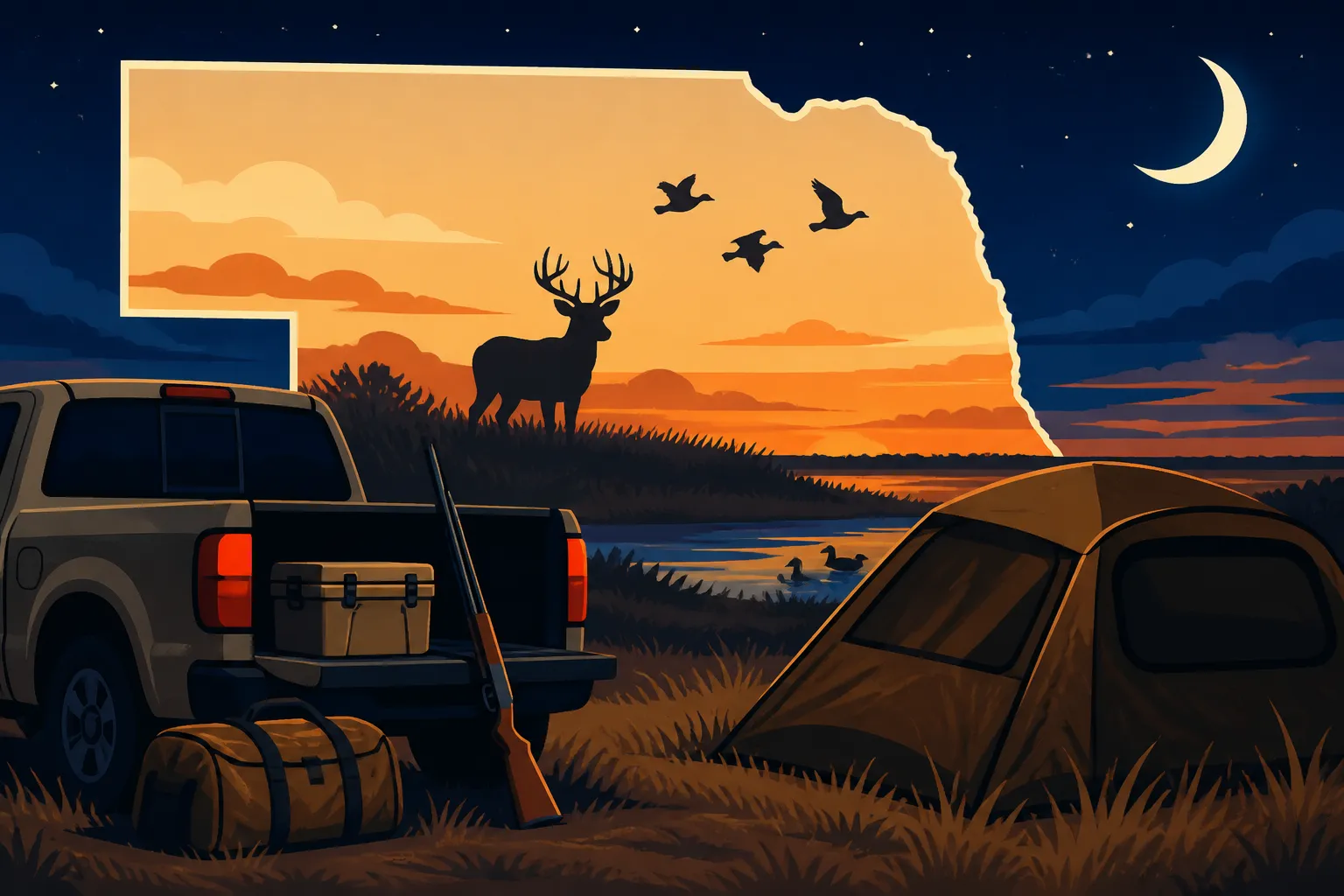
When a WMA does allow some form of overnight vehicle presence, it’s almost always in a specifically designated parking area. These might be gravel lots, pull-offs, or even formal campgrounds within or directly adjacent to the WMA. You won't typically find them in random spots off a two-track road in the middle of nowhere. If a WMA has a designated campground, parking your RV or even just your truck with a camper shell in one of those spots is usually permissible, but it will fall under the WMA's camping rules and potentially require a fee or permit.
The challenge arises when you're just looking to park your vehicle and hike in for a multi-day hunt, not necessarily camp at your vehicle. In this scenario, it's not about whether you sleep in your truck, but whether the truck itself is left unattended overnight. Some WMAs might have signs that simply say "No Parking After Dark" or "Area Closed After 10 PM," which would clearly prohibit any overnight vehicle presence. Others might be more ambiguous. This is where it's vital to remember that WMAs are specific units, each with its own nuances, even under the broader umbrella of Nebraska Game and Parks Commission (NGPC) regulations. Don't assume the rules for one WMA apply to all.
Understanding the "Camping" Definition on WMAs
Here's where things can get a little murky. Many WMAs have clear "no camping" rules. But what does "camping" actually mean when it comes to your vehicle? If you're simply parking your truck and heading into the timber for a few days, is that considered camping? What if you pull into a WMA parking lot at 10 PM and sleep in the back of your SUV until 5 AM before your hunt?
For many land managers, sleeping in a vehicle, even in a parking lot, is considered a form of camping. This is because it often involves the same impacts as traditional camping: occupying a spot, potential for trash, use of facilities (if any), and simply being present in an area designated for daytime use. Because of this interpretation, you could potentially be cited for illegal camping even if you're not pitching a tent.
It's a nuanced distinction, but an important one. If your intention is to simply leave your truck while you backpack into the backcountry for several days, you're better off clarifying with the local NGPC office or WMA manager first. If your plan is to sleep in your vehicle at the trailhead before an early morning hunt, be aware that this might also fall under the "no camping" umbrella. The intent behind these rules is often to prevent squatting, ensure public safety, and maintain the integrity of the WMA, which is why it's always best to err on the side of caution and get explicit permission if you're unsure. You can find more general information about this in our guide to Camping on Nebraska Public Ground.
Practical Considerations for Leaving Your Vehicle Overnight
Beyond the official rules, there are some common-sense practices that every hunter should consider when contemplating leaving their vehicle at a WMA overnight, even if permitted.
Safety and Security for Your Rig
Let's be realistic: leaving your vehicle unattended in a remote area for an extended period always carries some risk. While most folks recreating on public lands are honest, there are always opportunistic individuals. Hunters' vehicles often contain valuable gear – firearms, optics, expensive clothing – making them targets.
If you absolutely must leave your truck overnight, take precautions. Don't leave valuables in plain sight. Lock all doors and windows. Consider a steering wheel club or other anti-theft devices. If possible, choose a parking spot that's somewhat visible from a main road or entrance, rather than a hidden, secluded pull-off that might invite trouble. There's no guarantee, of course, but minimizing the temptation goes a long way. I've heard too many stories from fellow hunters who came back to a broken window or a missing cooler, and it's a gut punch you don't need after a long day afield.
Respecting the Resource and Other Users
The rules about overnight parking aren't just about preventing theft; they're also about managing the WMA for everyone's benefit. Leaving a vehicle for an extended period, especially outside of designated parking areas, can sometimes obstruct access for other users, including emergency services or WMA staff. It can also contribute to general wear and tear on roads and parking surfaces.
Always park in a designated spot, even if you're just there for the day. If no formal spots are available, ensure your vehicle is completely off the main travel way and not blocking any gates, two-track trails, or access points. Think about how your presence impacts the next person who comes along. Are you creating a muddy rut? Are you parked in a way that suggests you're "claiming" a spot for days? Leaving no trace applies to your vehicle's footprint too. We want these public lands to remain pristine and accessible for generations of hunters. This also ties into the broader Vehicle Rules on Nebraska WMAs.
The "Ghost" Truck: What if You're Deep in the Backcountry?
Imagine this scenario: you've tracked a magnificent buck deep into a WMA, and by the time you've field-dressed it, it's well past legal shooting hours. Or perhaps you're on a true multi-day scouting trip, covering significant ground on foot and planning to be away from your truck for 36 hours or more. This is where the "ghost" truck situation comes in – your vehicle is there, but you're not, and won't be back for a while.
For short, unavoidable delays (like a late-night recovery), common sense usually prevails. A WMA manager isn't likely to tow your vehicle if you're just a couple of hours past sunset due to an unforeseen circumstance. However, if your vehicle sits for 24 hours or more, it can raise red flags. It might be interpreted as abandoned, or WMA staff might worry about your safety.
In these specific, longer-duration situations, the absolute best course of action is proactive communication. If you know you'll be leaving your vehicle for more than a single overnight period, try to contact the local Game and Parks office or WMA manager before your trip. Explain your plans, provide your vehicle make, model, license plate number, and an estimated return time. Leaving a note on your dashboard with this information and a contact number can also be a good idea. This simple step can save you a lot of headache and prevents WMA staff from worrying or taking action.
Using Technology and Local Knowledge to Plan Your Hunt
In today's hunting world, we have more tools than ever to help us plan and execute our trips. When it comes to WMA access and parking, these tools can be invaluable.
Consulting the Nebraska Public Access Atlas and Apps
The Nebraska Public Access Atlas is an indispensable resource for anyone hunting public land in the state. It's published annually and details all the public and accessible private lands (through programs like Open Fields and Waters). When you're looking at a WMA on the Atlas, pay close attention to the symbols and text. Some WMAs will specifically mention camping facilities or designated parking areas. The Atlas will also show roads and access points, which can give you a better idea of where legitimate parking might be.
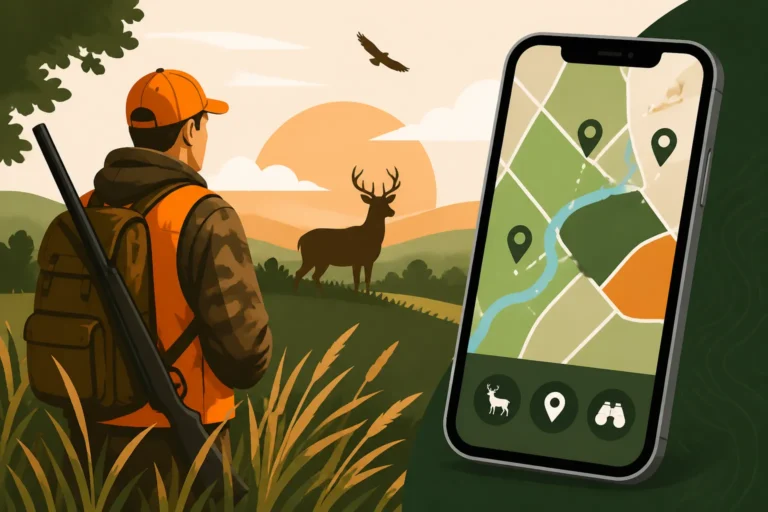
Beyond the printed Atlas, mobile apps have revolutionized how we interact with public land boundaries. Apps like 'onX Hunt' or 'GoHunt' are phenomenal for showing property lines, including WMA boundaries, and often mark specific parking areas, trails, and access points. I use 'onX Hunt' myself, and the ability to instantly see if I'm on public ground, or if a potential parking spot is on WMA land versus private property, is incredibly useful. These apps can also show you topographical features, which might indicate better, more secluded parking spots within the legal areas. Before you head out, use these tools to scout potential parking locations and identify any posted rules indicated on the map layers. These tools are especially helpful when Reading the Nebraska Public Access Atlas or using The Nebraska Public Access Atlas Mobile App.
Calling Ahead: Your Best Bet for Clarity
Let's be honest, sometimes all the maps and apps in the world can't replace a quick conversation with a human being. If you have any doubt about overnight parking at a specific WMA, the single best thing you can do is pick up the phone. Call the local Nebraska Game and Parks Commission (NGPC) office or the specific WMA manager if contact information is available.
When you call, be prepared with specific questions:
- "I'm planning to hunt the [WMA Name] WMA next week. I anticipate being on the ground for two days. Is it permissible to leave my vehicle (a [make/model]) in the main parking lot overnight?"
- "Are there any specific areas within the WMA where overnight parking is allowed, or areas where it's explicitly prohibited?"
- "What is your policy on vehicles left for multi-day hunts where the hunter isn't actually camping at the vehicle?"
A brief, polite conversation can clear up any ambiguity and provide you with peace of mind. The WMA staff are there to help manage the resource and assist the public, and they'd much rather answer a question beforehand than deal with an issue later. This proactive step can prevent a misunderstanding that could ruin your hunt or lead to unnecessary penalties. It’s also a great practice for Scouting Nebraska Public Ground Before Opening Day.
Leveraging Online Resources and Hunter Forums
While not official sources, online forums and social media groups dedicated to Nebraska hunting can be a treasure trove of anecdotal information. Many seasoned hunters are willing to share their experiences and knowledge about specific WMAs, including parking quirks. Websites like 'GoHunt' often feature community forums where hunters discuss tactics, gear, and, yes, even specific access points and parking situations.
However, a word of caution: always cross-reference any information you get from forums with official sources. Rules and regulations can change, and what was permissible last year might not be this year. Use these resources for ideas and starting points, but always verify with the official NGPC website or a phone call before you commit to a plan based solely on online discussions.
Common Scenarios and Proactive Solutions
Let's run through a few common scenarios hunters face regarding overnight parking and outline some proactive solutions.
Day Trip Stretching into Night
This happens to the best of us. You hit the woods or fields at first light, and the hunt is just too good or a recovery takes longer than expected. You find yourself back at your truck well after dark. For most WMAs, being a couple of hours past posted closing times due to an active hunt or recovery isn't usually met with immediate penalties, especially if it's an infrequent occurrence. The key is that you are actively returning to your vehicle and leaving the area.
Proactive Solution: Always carry a reliable light source (headlamp, flashlight) for late returns. If you anticipate being very late, or even needing to spend an unplanned night out due to an animal recovery, it's wise to make a quick call to the non-emergency Game and Parks number (if you have cell service) to let them know. This establishes your good faith and prevents them from thinking your vehicle is abandoned or that you're intentionally breaking rules.
Multi-Day Backcountry Hunts
This is perhaps the most challenging scenario for WMA parking. If you're truly planning to hike miles in and stay out for multiple days, leaving your vehicle behind, you are definitely entering the territory where prior communication is essential. Most WMAs aren't set up for this kind of extended, unattended parking.
Proactive Solution: Call the WMA manager or local NGPC office well in advance of your trip. Explain your intentions, the duration of your stay, and your vehicle details. They might have a specific protocol, a designated spot, or even suggest an alternative parking location that's more suitable. If it's a very remote WMA, they might appreciate knowing someone is in the area for safety reasons too. Remember, some public lands, like the National Forests and Grasslands, have different rules regarding dispersed camping and parking that might be more accommodating for true backcountry trips. Our guide Nebraska National Forest and Grasslands Hunting might offer alternatives.
Avoiding Misunderstandings and Penalties
The last thing any hunter wants is to come back from a successful outing only to find a warning, a fine, or, worse, their vehicle towed. Penalties for unauthorized parking or camping can range from warnings to significant fines, and towing can be a very expensive ordeal.
Proactive Solution:
- Read the signs: Always check the entrance signs and any posted regulations specific to the WMA you're visiting.
- Consult the Atlas/Apps: Use your onX Layers for Nebraska Land Status or other mapping apps to understand property boundaries and marked parking areas.
- Call Ahead: When in doubt, call the local NGPC office. It's the most reliable way to get current and accurate information.
- Be a Good Steward: Park courteously, don't block access, and leave no trace. Your actions reflect on all hunters.
By taking these proactive steps, you can ensure your vehicle is parked legally and safely, allowing you to focus on the truly important part: enjoying your hunting experience on Nebraska's beautiful public lands.
| Parking Scenario | Typical WMA Approach | Best Practice |
|---|---|---|
| Day Use Only (dawn to dusk) | Most common, strictly enforced. | Plan to leave before closing. If delayed, contact local office. |
| Overnight Parking (no camping) | Varies widely; often not explicitly allowed without specific signage or permission. | Check WMA-specific rules. Leave a note with contact info if unsure and extended. |
| Overnight Camping (in vehicle) | Generally prohibited unless in designated campgrounds/areas. | Assume it's not allowed unless clearly marked. Verify with NGPC. |
| Multi-Day Absence of Vehicle | Can be problematic; may be seen as abandoned or subject to different rules. | Crucially, contact local NGPC office beforehand. Provide trip details. |
Disclaimer
This article is for general informational purposes only and does not constitute professional advice. Laws, prices and regulations vary by location and change over time. Consult a qualified professional for guidance on your specific situation.