Lake McConaughy Area Hunting
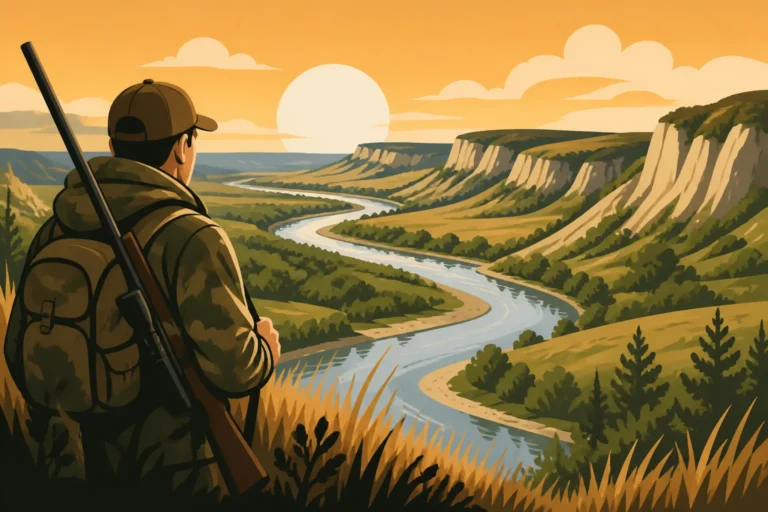
Lake McConaughy is a jewel in western Nebraska, drawing countless visitors for fishing and recreation. But for hunters, it can feel like a bit of a puzzle. With so much private land surrounding such a popular body of water, knowing where to go and what to expect can be a real headache. This guide is here to unravel those complexities, helping you discover the diverse hunting opportunities, navigate public access, and strategize for success in the unique landscape of the Lake McConaughy area.
Understanding the Landscape Around Lake McConaughy
The sheer scale of Lake McConaughy, often affectionately called "Big Mac" by locals, creates a distinct ecological zone in a state primarily known for its plains and Sandhills. This massive reservoir, and the smaller Lake Ogallala immediately downstream, exert a profound influence on the local ecosystem, creating a unique environment for both resident and migratory wildlife. It’s not just a big puddle; it’s a living, breathing landscape.
The Reservoir's Influence on Wildlife
Think about it: a huge body of water in a generally arid or semi-arid region is an undeniable magnet for life. For wildlife, especially during dry spells, Lake McConaughy and the North Platte River system it's part of offer a critical water source that can be scarce elsewhere. This draws in everything from thirsty deer and coyotes to a massive array of migratory waterfowl. The lake's presence also moderates local temperatures somewhat, and the surrounding land, with its mix of timbered creek bottoms, cedar draws, and irrigated crop fields, provides crucial cover and food. You'll find pockets of dense vegetation that thrive near the water, offering bedding areas and escape routes that wouldn't exist without Big Mac. The erosion from the river and the lake's fluctuating levels also create unique sand features and bluffs that act as natural travel corridors and vantage points for game.
General Hunting Opportunities in the Region
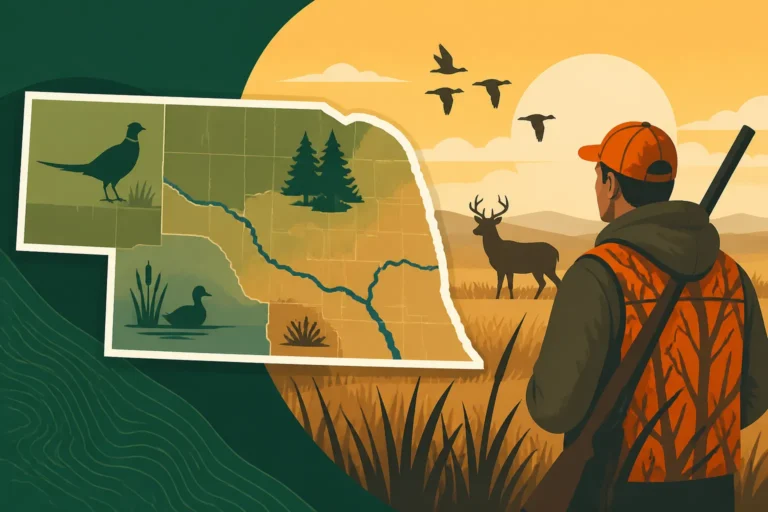
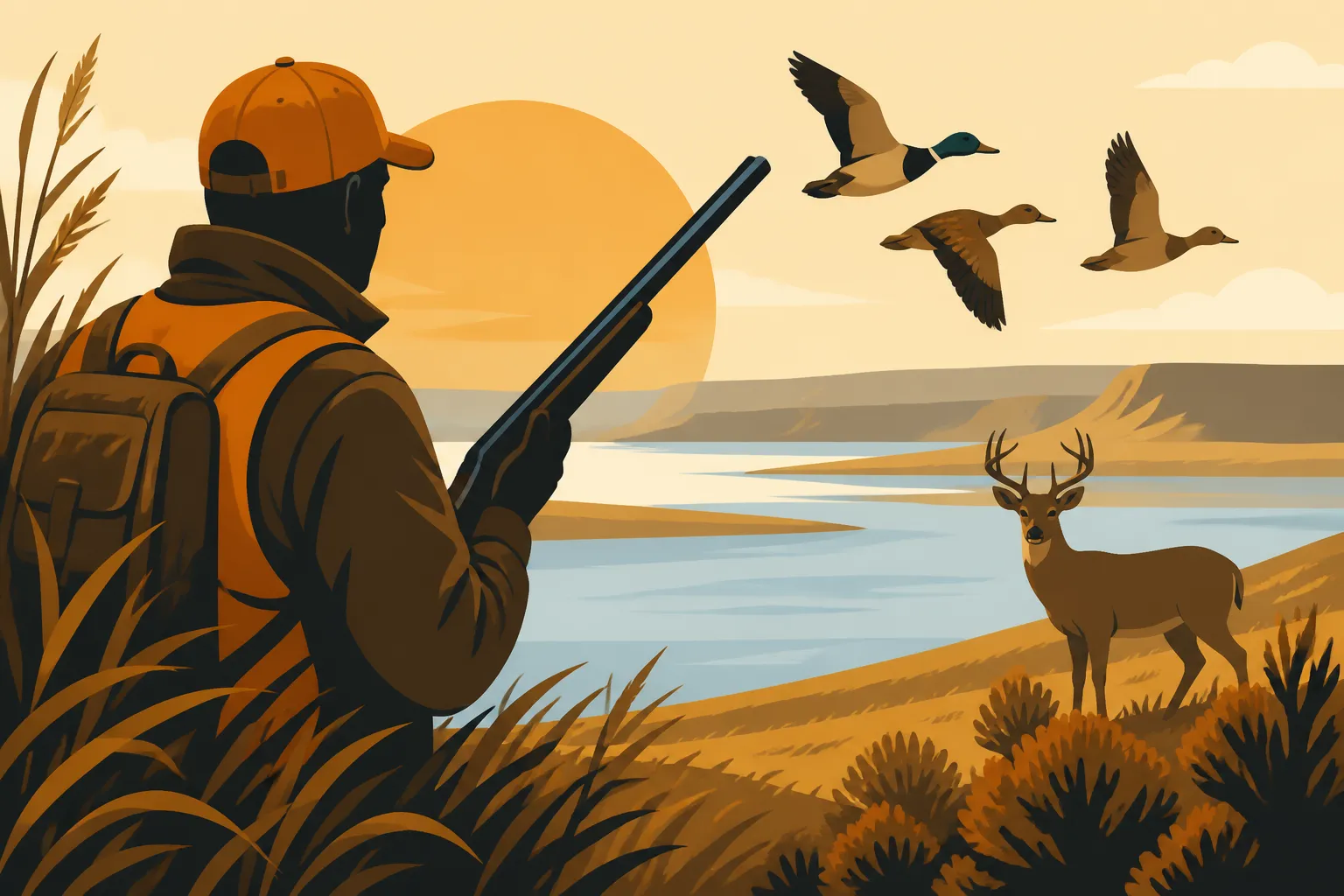
Given this unique environment, the Lake McConaughy area offers a surprisingly diverse array of hunting opportunities, far beyond just the renowned waterfowl. For big game, both white-tailed deer and mule deer call this region home. Whitetails tend to stick to the river bottoms and pockets of timber around the lake, while mule deer prefer the more open, broken country and Sandhills edges to the north and west. You'll also find a healthy population of upland birds, particularly ring-necked pheasants, which thrive in the agricultural fields and CRP grasses that pepper the landscape. Bobwhite quail can also be found in the thicker brushy areas and shelterbelts. And, of course, the big draw for many is waterfowl. Lake McConaughy sits right in the Central Flyway, making it a critical staging and feeding area for ducks and geese, especially during the colder months when other water sources freeze up. Understanding these general patterns is your first step to a successful hunt.
Navigating Public Access Areas Near Big Mac
Finding public land to hunt around Lake McConaughy can feel a bit like searching for a needle in a haystack, especially if you're used to vast tracts of national forest or grassland. The area is a mosaic of private agricultural land, interspersed with various types of public access. But don't despair! There are definite opportunities, and with a little planning and the right tools, you can absolutely find places to pursue game.
State Recreation Areas and Wildlife Management Areas
The most obvious public hunting opportunities are found within the various State Recreation Areas (SRAs) and Wildlife Management Areas (WMAs) managed by Nebraska Game and Parks. Lake McConaughy SRA itself offers some hunting, though regulations can be site-specific and often geared towards waterfowl in certain zones. Downstream, Lake Ogallala SRA, while smaller, also presents some limited options. A gem nearby is Clear Creek WMA, which provides excellent habitat for deer, pheasants, and waterfowl. These areas often have specific rules regarding hunting methods, vehicle access, and even shooting hours, so it's absolutely crucial to consult the current Nebraska hunting guide and check specific signage upon arrival. Don't assume that just because it's public land, every activity is allowed everywhere. Getting familiar with Nebraska Wildlife Management Area Rules will save you a lot of headaches. Be prepared for company, especially on opening weekends, as these known public spots can attract a crowd.
Open Fields and Waters OFW Program Tracts
Beyond the dedicated WMAs, Nebraska has an incredible program called Open Fields and Waters (OFW), which provides public hunting, trapping, and fishing access on privately owned land. Landowners voluntarily enroll their property, opening up thousands of acres across the state. The Lake McConaughy region typically has a number of these tracts, offering diverse habitat from crop stubble and CRP fields to timbered creek bottoms. These parcels are usually marked with distinctive yellow signs. Using tools like the onX Hunt app or checking the annual The Nebraska Public Access Atlas is invaluable for locating these tracts. You can literally see property boundaries and OFW enrollments on your phone, making it much easier to identify huntable ground. Many of these tracts are "walk-in only," which means fewer hunters venture deep into them, rewarding those willing to put in the legwork. For deer hunters, these can be prime spots, as many Open Fields Tracts Best for Deer are often focused on providing that specific habitat.
River Bottoms and Adjacent Public Lands
The North Platte River, both upstream and downstream from Lake McConaughy, offers another vein of public access, often in the form of narrow strips of public land or isolated islands. These river bottoms are whitetail country through and through, with dense cottonwood stands, willows, and brush providing excellent cover. Waterfowl also utilize these river corridors heavily, especially during migration. While some of these areas are managed as WMAs, others might be smaller, less obvious parcels of state or federal land. Reading the Nebraska Public Access Atlas becomes essential here, as it can help you pinpoint these often-overlooked spots that might not be prominently signed. Access can be tricky, sometimes requiring wading or using a small boat to reach islands or remote sections. Hunting a frozen river bottom in late season can be particularly productive for deer when they seek thermal cover and food along the river.
Strategies for Hunting Different Species
Once you've identified your access points, the next step is to tailor your hunting strategy to the specific species you're pursuing and the unique characteristics of the Lake McConaughy landscape. This isn't a one-size-fits-all kind of hunting area; success here means adapting your approach.
Deer Hunting Tactics in the Lake McConaughy Area
Deer hunting around Lake McConaughy offers a fun challenge due to the mix of whitetails and mule deer. For white-tailed deer, focus on the dense river bottoms, creek drainages, and areas with heavier timber near the lake. Whitetails love thick cover and browse, so look for bedding areas in the cottonwood groves and along the brushy edges of agricultural fields. Early morning and late evening hunts near food sources or along travel corridors are often most effective. Using ground blinds or mobile treestands can be productive, particularly if you're hunting smaller pockets of timber. Remember, River-Bottom Whitetail Hunting in Eastern Nebraska tactics can often be adapted here, focusing on funnel points and natural pinch points created by the river and terrain.
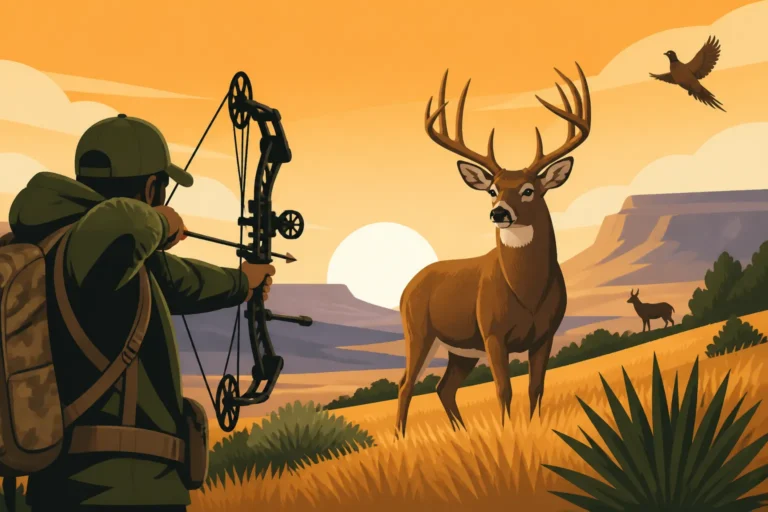
For mule deer, you'll want to shift your focus to the more open, broken country north and west of the lake, particularly where Sandhills terrain meets agricultural fields. Mule deer are often found in draws, canyons, and along the edges of CRP or pivot corners. Spot-and-stalk is a classic mule deer tactic here. Get high, glass patiently, and then plan your approach. Wind direction is absolutely paramount when stalking in this open country. Utilize the rolling terrain and any available cover like cedar patches or tall grass to break up your silhouette. Both species will congregate near reliable water sources, making the lake and its feeder streams key areas to scout.
Waterfowl Hunting on the Reservoir and Surrounding Wetlands
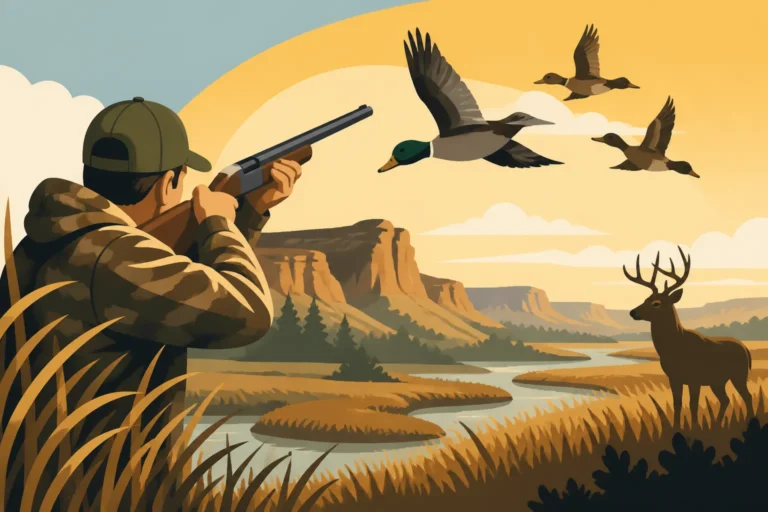
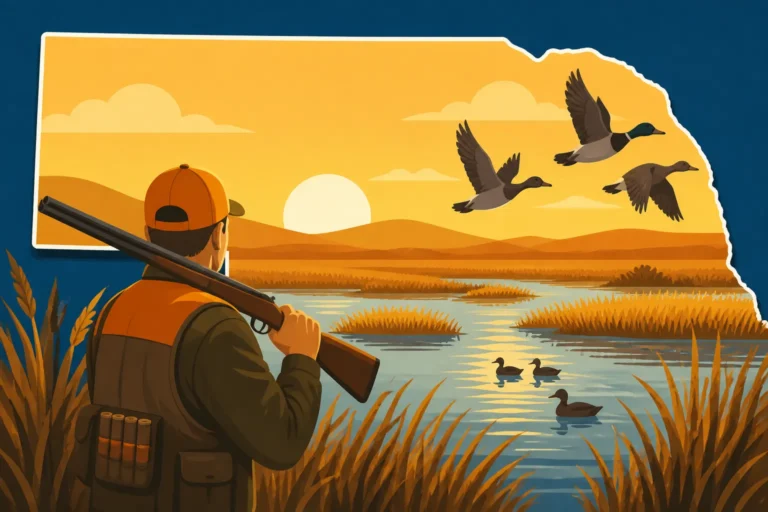
Lake McConaughy is a major destination for waterfowl hunters, attracting large numbers of ducks and geese. Success here hinges on understanding bird movement and being able to adapt. Ducks will often feed in surrounding agricultural fields, especially harvested corn, and then return to the safety of the main lake or nearby smaller wetlands to loaf. Setting up a decoy spread in these harvested fields, often using layout blinds, can be highly effective for geese and puddle ducks. If you're targeting divers or prefer water hunts, look for smaller bays, inlets, or adjacent Rainwater Basin wetlands that offer better cover and less open water than the main body of the lake. Remember to factor in boat access, retrieving capabilities (a dog is a huge asset here!), and the unpredictable Nebraska wind. Learning how to set a good Setting a Goose Spread in Harvested Corn can drastically improve your odds. Always be mindful of designated refuge areas where hunting is prohibited, even on public water.
Upland Bird Hunting in the Local Habitat
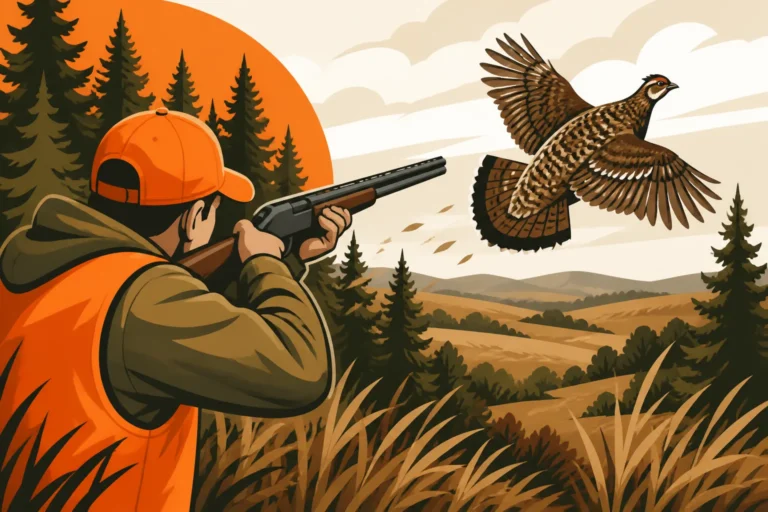
The landscape around Lake McConaughy, particularly where agriculture meets grassland, is classic pheasant and quail country. For pheasants, target CRP fields, standing milo or corn (if legal and accessible), and the thick cover along irrigation ditches and shelterbelts. Walking these areas with a good bird dog is the most traditional and often most effective method. Consider working fields with a blocking strategy if you have a group. Walking Milo and Corn Stubble for Pheasants is a tried and true tactic that works well in this region. Don't overlook cattail sloughs and other dense, wet areas, especially late in the season when pheasants seek thermal cover.
Quail will be found in more specific habitats – look for dense, brushy cover, plum thickets, and timbered draws, particularly in the southeastern part of the region or near creek bottoms. They need a mix of cover, food, and grit. Again, a dog is incredibly helpful for finding and flushing coveys. Focus on transition areas where different types of habitat meet.
Essential Considerations for Your Hunt
Hunting around Lake McConaughy isn't just about finding the right spot or the right species; it's about being prepared, understanding the rules, and respecting the land and those who own it. A successful hunt here involves careful planning and a good dose of local wisdom.
Checking Regulations and Permits
Before you even think about packing your gear, you absolutely must check the current Nebraska Game and Parks regulations. These can change annually, and what was legal last year might not be this year. Seasons, bag limits, shooting hours, weapon restrictions, and specific rules for certain public areas are all detailed in the annual hunting guide. You'll need the appropriate permits, which generally include a Nebraska annual hunt permit and a habitat stamp, plus specific permits for big game (deer, antelope, etc.) or federal duck stamps for waterfowl. Information on Nebraska Big Game Permits and How to Get One is critical, especially for drawing tags in limited units. Don't rely on old information or hearsay; always go straight to the source. Getting caught unaware of a regulation can quickly turn a great hunt into a costly mistake.
Gear and Preparedness for the Terrain
The terrain around Lake McConaughy is diverse and can be challenging. You might encounter deep sand, thick mud, thorny brush, open grasslands, or slick river banks. Your gear needs to be up to the task. Durable, comfortable boots are non-negotiable; something suitable for Boots for Walking Nebraska Grass and Sand will serve you well. For deer and antelope hunters, quality optics are paramount for glassing the expansive landscapes. Binoculars with a good magnification (e.g., 10x or 12x) and a spotting scope can be incredibly useful for Optics for Glassing the Nebraska Sandhills and identifying game at long distances. A rangefinder is also a must-have for open-country shooting.
For waterfowl, waders are essential, and for upland hunting, a good bird vest and brush pants will protect you. Always carry plenty of water, especially in early seasons, as conditions can be surprisingly hot and dry. Be prepared for rapidly changing weather, from scorching sun to sudden thunderstorms or bitter cold. If you're planning to drive on two-track sandy roads, having a capable vehicle and perhaps some recovery gear (shovel, tow strap) isn't a bad idea. Cell service can be spotty in some remote areas, so consider a GPS unit or offline maps on your phone app (like onX Hunt or GoHunt).
Respecting Private Land and Local Etiquette
This is perhaps the most crucial aspect of hunting around Lake McConaughy, or anywhere in Nebraska. The vast majority of land is privately owned, and much of the public access is interspersed within these private holdings. This creates a "checkerboard" effect that can be confusing. It's vital to know exactly where you are at all times, which is why GPS mapping apps are so beneficial. What Nebraska Trespass Law Requires is very clear: you need permission to be on private land. Never assume access. If you see unposted private land that looks promising, ask permission. Many landowners are gracious if approached respectfully and well in advance. Knock on doors, be polite, offer to share game, and always follow their specific rules. Leaving gates as you found them, not littering, and driving only on established roads are basic courtesies that go a long way in building goodwill. Positive interactions with landowners today can lead to hunting opportunities for years to come, not just for you, but for other ethical hunters as well.
Disclaimer
This article is for general informational purposes only and does not constitute professional advice. Laws, prices and regulations vary by location and change over time. Consult a qualified professional for guidance on your specific situation.