Stream Miles Enrolled in Open Fields
Finding consistent, reliable access to huntable land in Nebraska can be a real challenge, especially when you're looking for those critical riparian areas that concentrate game. These streambanks and river bottoms are wildlife magnets, but often lie on private ground, leaving hunters wondering how to get their boots on the ground. This guide will delve deep into the Nebraska Open Fields and Waters (OFAW) program, specifically focusing on the invaluable stream miles enrolled in the program, and how you can leverage this access for a successful hunt.
Understanding Nebraska's Open Fields and Waters Program for Stream Access
For many hunters in Nebraska, particularly those without private land connections, the Open Fields and Waters (OFAW) program is an absolute lifeline. It's a fantastic initiative designed to open up private lands for public hunting, trapping, and fishing. But it's not just about expansive fields or timber blocks; a significant and often underutilized component is the access it provides to stream miles. These linear strips of habitat are incredibly important, offering unique hunting opportunities that you might not find elsewhere.
The Basics of Open Fields and Waters
At its heart, OFAW is a cooperative effort. Landowners voluntarily enroll portions of their private property, and in return, the state provides incentives and liability protection. For hunters, it means more places to go, relieving some of the pressure on traditional public lands. While you might envision large tracts of CRP or harvested crop fields when you hear "Open Fields and Waters," it's vital to recognize the specific inclusion of "Waters." This isn't just about ponds or lakes; it explicitly covers river and stream access, often for many miles along various waterways across the state. These stream miles enrolled in the program create critical corridors of public access through otherwise private landscapes.
Think about it: in many parts of Nebraska, a creek bottom with its strip of trees and brush is the only significant cover for miles. Without OFAW, these areas would largely be inaccessible to the general public. The program effectively turns these private streambanks into public hunting grounds, even if the surrounding fields remain private. It’s a game-changer for anyone trying to find quality hunting on a limited budget or without extensive landowner contacts.
How Stream Miles Are Enrolled
Landowners, recognizing the value of the program and the incentives it offers, choose to enroll specific parcels of their property. When it comes to water features, this means they are offering public access along a designated number of "stream miles." It's not just a general permission to hunt their property; it's a very specific agreement to open up the riparian zone of a creek or river that runs through their land. This distinction is crucial because it means the focus is specifically on the linear extent of the waterway.
The process often involves identifying streams, rivers, or even significant drainage ditches that provide valuable habitat. The landowner agrees to make these areas available, and the state, in turn, maps and publicizes these specific stream miles as open for public use. The benefit to the landowner is tangible, but the benefit to wildlife, by connecting fragmented habitats with accessible corridors, and to hunters, by providing new opportunities, is immense. It's truly a win-win, allowing more people to experience the outdoor traditions Nebraska has to offer.
What "Stream Miles" Actually Mean for Hunters
When you see "stream miles enrolled in Open Fields and Waters" listed for a particular tract, it means you have legitimate, legal permission to walk, access, and hunt along those designated portions of waterways. This isn't just theoretical; it translates into boots-on-the-ground access. Typically, this includes not only the water itself but also the adjacent banks, associated timber, and brushy cover that forms the riparian zone. These areas are ecological hotbeds, and having access to them can significantly improve your chances of success.
It's important to understand the typical ground rules, too. Most OFAW tracts, especially stream access, are designated as "walk-in only." This means you'll need to park in a designated area, often clearly marked, and then proceed on foot. You can't drive your vehicle along the streambank. Furthermore, while the stream itself might flow for many miles, only the specifically enrolled "stream miles" are open to you. Always respect the boundaries shown in the Public Access Atlas or on your mapping app; accidentally crossing onto private property, even by a few yards, is trespassing and jeopardizes the entire program. Knowing your exact location is key, and tools like onX Hunt or GoHunt can be invaluable for pinpointing where the OFAW property begins and ends along a given creek.
Why Stream Access is Crucial for Nebraska Hunters
You might look at a map of Nebraska and see vast expanses of agriculture, wondering where on earth the deer, pheasants, or turkeys even live. The answer, often, is in the stream corridors. These narrow ribbons of natural habitat are disproportionately important for wildlife, especially in areas dominated by row crops or open rangeland. Understanding why they are so vital is the first step to effectively hunting them.
Streams as Wildlife Highways
Imagine driving across a wide-open prairie or endless cornfields. Where would a deer go to avoid predators, find shade, or simply move from one feeding area to another without being exposed? The answer is almost always a stream or river bottom. These corridors act as natural highways for deer, turkeys, pheasants, quail, and even predators like coyotes. They provide crucial cover from the elements, a sense of security from human disturbance, and a safe pathway to connect otherwise isolated patches of habitat.
For example, a big whitetail buck might bed down in a small woodlot miles from his preferred feeding grounds. Rather than crossing open fields where he's exposed, he'll often choose to travel along a brushy creek bottom under the cover of darkness or low light. Where Nebraska Whitetails Bed in Row-Crop Country Understanding this natural behavior helps you predict where game will be moving, making these stream miles invaluable for intercepting animals.
Habitat Diversity Along Waterways
Riparian zones—the areas immediately adjacent to rivers and streams—are incredibly diverse ecosystems. They boast a richer variety of plants and denser cover than the surrounding uplands. You'll often find mature cottonwoods, willows, dogwood thickets, wild plum, and various native grasses. This diversity provides critical food sources like acorns, wild grapes, and berries, alongside dense thermal cover for winter and crucial nesting habitat in spring.
Unlike agricultural fields that are regularly tilled, sprayed, and harvested, these stream corridors often remain relatively undisturbed. This consistent cover is a magnet for wildlife, particularly after the corn comes off and much of the landscape becomes bare. What Changes in Nebraska After the Corn Comes Off A small stream with good timber can hold a surprising number of pheasants in the late season, or provide a critical food source for turkeys throughout the year. The consistent presence of water also means reliable forage, which is essential for wildlife survival and population health.
Hunting Opportunities Offered by Stream Access
The diverse habitat and natural travel patterns associated with stream miles translate into fantastic hunting opportunities for a variety of species.
- Deer: Stream corridors are prime territory for still-hunting, slowly working your way along the bank, always aware of the wind. They're also ideal for setting up ground blinds along well-used trails or at pinch points where the cover narrows. The thick cover and natural funneling effect make them excellent spots for rattling and grunting during the rut, as bucks cruise these areas looking for does. Grunt Calls in Thick River Timber
- Turkeys: Both spring and fall turkey hunting can be highly productive along stream miles. Turkeys often roost in the large trees found along these waterways, and the dense cover provides excellent strutting and feeding areas. In the spring, you can use the timbered corridors to quietly get ahead of roosted birds or to set up and call to gobblers echoing through the bottoms. Calling a Nebraska Gobbler Off the Roost
- Upland Birds (Pheasants, Quail): Dense cattail sloughs, plum thickets, and tall grass along stream banks can hold significant numbers of pheasants and quail, especially as the season progresses and other cover disappears. These areas often receive less pressure than large block fields, making them great spots for working a dog or conducting small drives.
- Predators: Where there's prey, there are predators. Coyotes, and sometimes bobcats, frequently patrol stream corridors for mice, rabbits, and other small game. These linear features provide excellent cover for calling setups, allowing you to conceal yourself and call effectively.
- Waterfowl: Smaller streams can offer excellent jump-shooting opportunities for ducks. Jump Shooting Nebraska River Ducks While not typically a prime goose hunting location, localized wetlands or wider river sections within enrolled stream miles can attract migrating ducks and geese.
Navigating and Utilizing OFAW Stream Miles
Having access to these precious stream miles is one thing; effectively finding, navigating, and hunting them is another. It requires a bit of homework and a good understanding of the tools available to you. Don't just show up and hope for the best; a little preparation goes a long way.
Finding Enrolled Stream Miles with the Public Access Atlas
Your absolute best friend when it comes to OFAW, and particularly finding stream miles, is the Nebraska Public Access Atlas. This invaluable resource is published annually by the Nebraska Game and Parks Commission and is available both digitally and in print. It clearly identifies all OFAW tracts, along with other public lands, and crucially, delineates the specific boundaries of where public access is granted.
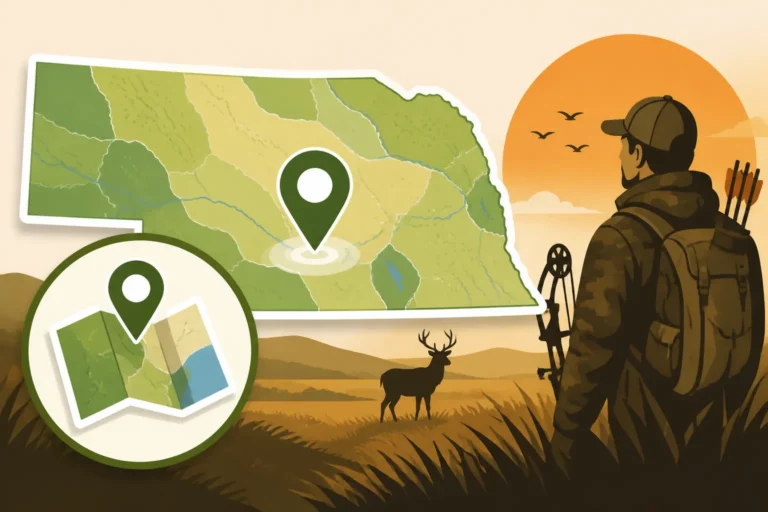
When you're looking for stream access, pay close attention to the maps in the atlas. You'll see specific symbols and colors denoting OFAW land, and many tracts will clearly show a creek or river running through them, with the accessible portion highlighted. This is where modern technology really shines. Digital mapping applications like onX Hunt and GoHunt integrate this public access data directly onto their maps. This means you can view OFAW boundaries, including the precise layout of enrolled stream miles, right on your smartphone or tablet, even when you're out of cell service. You can zoom in, see property lines, and ensure you're always staying within the legal hunting area. This level of precision is critical for confidently hunting these linear, often winding, corridors. Downloading Nebraska Public Land Maps
Understanding Access Points and Boundaries
Once you've identified a promising OFAW stream tract, the next step is figuring out how to get onto it legally and how to stay within bounds. Always look for designated parking areas or roadside pull-offs. These are usually marked with OFAW signage and are the only legitimate entry points. Parking anywhere else, even if it seems harmless, could be trespassing or blocking private access.
Since most stream access is walk-in only, you'll need to be prepared to hike. This means planning your gear carefully. Carry a GPS device or use a reliable mapping app on your phone to track your location in relation to the OFAW boundaries. It's surprisingly easy to get disoriented in thick cover along a creek, and you don't want to inadvertently cross onto private land. Remember that property lines can sometimes follow the meandering path of a stream bed, or run parallel to it, so constant vigilance with your map is a must. Finding Nebraska Property Lines Always confirm where the enrolled stream miles begin and end, and respect that anything beyond those lines is private, regardless of what's growing there.
Rules and Regulations Specific to Stream Access
Beyond the general statewide hunting regulations, OFAW tracts often have specific rules that you must abide by. These rules are usually posted on signage at access points and are detailed in the Public Access Atlas. Common regulations include:
- Walk-in only: No motorized vehicles beyond designated parking.
- No permanent blinds or stands: Portable ground blinds or treestands are usually fine, but they must be removed daily. Be sure to check the specific rules for the tract, as some may have restrictions even on temporary blinds.
- No baiting: You cannot attract game with food or minerals on OFAW land.
- Respect private property: This cannot be stressed enough. Always be aware of where the OFAW land ends and private land begins. Do not disturb livestock or farm equipment.
- Retrieve game promptly: If an animal runs onto adjacent private land, you must obtain permission from the landowner before attempting retrieval.
Additionally, if the stream flows through or near federal waterfowl production areas or certain wetlands, nontoxic shot requirements may apply, even for upland birds like pheasants. Always consult the atlas for any specific requirements related to nontoxic shot on the tract you intend to hunt. Where Nontoxic Shot Is Required in Nebraska Ignoring these rules can lead to citations and, more importantly, can jeopardize the future of the OFAW program by eroding landowner trust.
Maximizing Your Success on OFAW Stream Corridors
Hunting these linear stream miles requires a slightly different approach than hunting large blocks of timber or expansive fields. It's about understanding how wildlife uses these narrow strips of habitat and adapting your tactics accordingly. Success often comes down to careful scouting, thoughtful strategy, and, of course, a healthy dose of ethical behavior.
Scouting Strategies for Stream Corridors
Pre-season scouting is absolutely paramount for stream hunting. Before you ever step foot in the woods with your weapon, pull up your digital maps, whether that's the Public Access Atlas online or an app like onX Hunt. Look for natural pinch points where the stream corridor narrows, sharp bends in the creek that might create natural funnels, or areas where dense cover transitions to more open ground. These are often high-traffic zones for game.
Once you have a few spots identified, get out and walk the stream corridor during the off-season. Look for fresh tracks, rubs, and scrapes along the banks if you're deer hunting. Note any bedding areas in dense thickets or under fallen trees. Pay close attention to the predominant wind direction and how it might swirl in the bottom of a creek draw. Reading a Cedar Draw for Deer Movement Also, observe the adjacent land use: are there cornfields, alfalfa, or pastures nearby? This will tell you a lot about what might be drawing game into the stream corridor for bedding or travel. Knowing how game enters and exits the stream at different times of day will be crucial for your setup.
Hunting Tactics for Different Game Species
Tailoring your hunting tactics to the specific species and the unique characteristics of stream miles will greatly increase your odds.
- Deer: For still-hunting, move incredibly slowly, taking a few steps then pausing for several minutes, scanning ahead for any movement. Use the topography and cover to break up your silhouette. For a more stationary approach, setting up a ground blind along a well-used trail or at a natural funnel can be highly effective. Position your blind so your scent is carried away from where you expect deer to approach. Ground Blinds That Handle Nebraska Wind During the rut, don't hesitate to use rattling antlers and grunt calls; the acoustics of a timbered creek bottom can carry sound surprisingly well.
- Turkeys: In spring, use the cover of the stream corridor to move silently and get ahead of roosted birds. Once you're in position, set up with a good backdrop against a tree and use your calls to draw gobblers in. The dense vegetation and natural sounds of the creek can help muffle your approach. In the fall, locate flocks, then try to break them up and call them back to a central point along the stream.
- Upland Birds: When hunting pheasants or quail along stream miles, walk slowly and thoroughly, particularly through the densest cover. These linear features are perfect for working with a good bird dog, allowing them to methodically scent out birds tucked deep in cattails or plum thickets. If hunting without a dog, consider walking in a small group and blocking the end of the cover strip. Walking Nebraska Pheasant Cover With a Dog Expect late-season birds to be especially wary and hold tight.
- Predators: Stream corridors are excellent for calling coyotes. Find a concealed spot with a good view of the expected approach, considering both the wind and thermals. Electronic calls or mouth calls mimicking rabbit distress or fawn bleats can be highly effective, drawing coyotes from miles away as they patrol these natural travel routes. Coyote Calling on Winter Grassland
Ethical Considerations and Respecting Landowners
The continued existence and expansion of the Open Fields and Waters program depend entirely on hunters respecting the land and the landowners who participate. Every hunter has a responsibility to maintain a stellar reputation. Always, always know your boundaries. Utilize your mapping apps to verify you are on OFAW land and not trespassing, even by a few feet.
Practice Leave No Trace principles rigorously. Pack out everything you pack in, and if you see any trash, consider packing that out too. Close all gates, avoid driving off designated roads, and never disturb livestock or farm equipment. These small acts of respect go a long way in ensuring landowners remain willing to enroll their property for public access. Remember, OFAW isn't traditional public land in the sense of a national forest; it's private land whose owner has graciously granted you access. Treat it with the utmost respect, and we can all enjoy these invaluable stream miles for years to come.
Disclaimer
This article is for general informational purposes only and does not constitute professional advice. Laws, prices and regulations vary by location and change over time. Consult a qualified professional for guidance on your specific situation.