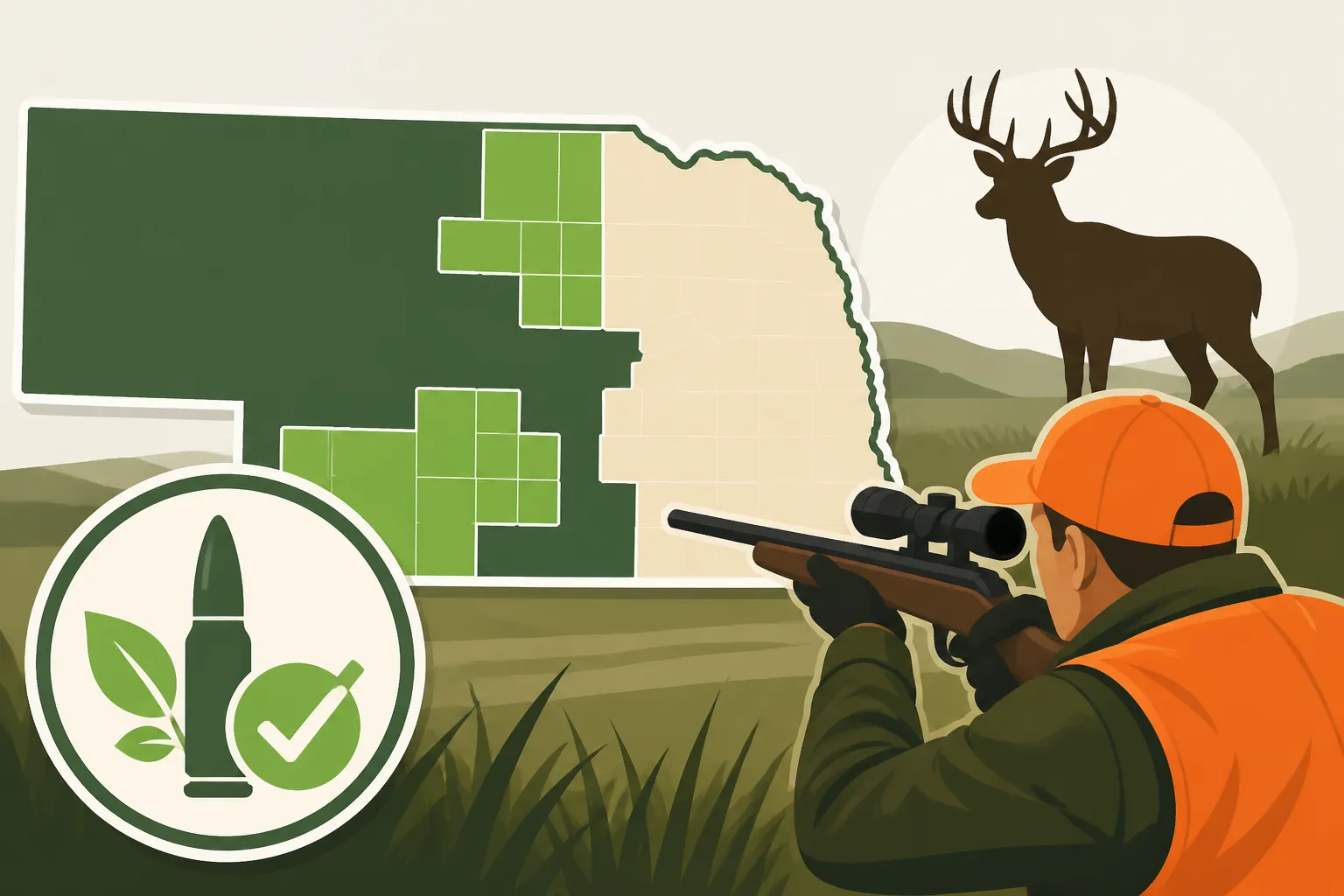
Where Nontoxic Shot Is Required in Nebraska
It's a common dilemma, isn't it? You've got your permits, your gear is packed, and you're ready to hit the field or marsh, but then that nagging question pops up: "Do I need nontoxic shot here?" Nebraska's diverse landscapes and hunting opportunities can sometimes make the rules feel a little fuzzy, especially when it comes to ammunition requirements. This guide is here to cut through the confusion and clearly lay out exactly where nontoxic shot is required in Nebraska, so you can hunt with confidence and stay within the lines.
The Importance of Nontoxic Shot: Beyond Just the Law
Before we dive into the specifics of where nontoxic shot is required, let's take a moment to understand why these regulations exist in the first place. It's not just a bureaucratic hurdle; it's a critical environmental measure that directly impacts the health of our wildlife and ecosystems. For decades, lead shot was the standard for all hunting, but scientific research began to reveal its hidden costs, especially for waterfowl and other species that ingest spent pellets.
Imagine a duck feeding in a shallow marsh or a goose grazing in a harvested field. They scoop up grit, seeds, and inadvertently, spent lead pellets. Lead is highly toxic, and even a single pellet can be lethal to a bird. Over time, millions of pounds of lead shot were deposited into wetlands and fields, creating "hotspots" of contamination. Raptors and scavengers, like eagles and coyotes, could also suffer from secondary poisoning by consuming contaminated carcasses. The shift to nontoxic alternatives, primarily steel, bismuth, or tungsten alloys, was a direct response to this widespread problem. It’s about ensuring that our hunting heritage continues to thrive in healthy environments.
For a long time, hunters simply didn't know the full extent of the problem. It seemed like a small thing, a few pellets here and there. But cumulatively, across generations of hunting, the impact was significant. Moving to nontoxic shot is a tangible way to practice conservation, leaving the land and its creatures better than we found them, and that's something we can all be proud of as hunters.
Federal Lands: Where Nontoxic Shot is Almost Always the Rule
When you're hunting on federal lands in Nebraska, the general rule of thumb for shot shells is pretty straightforward: assume you need nontoxic shot, especially if you're hunting anything with a shotgun. This applies broadly to areas managed by federal agencies, irrespective of the specific species you're pursuing. These lands include National Wildlife Refuges and Waterfowl Production Areas.
National Wildlife Refuges (NWRs) are established to conserve America’s wild creatures and their habitats. Because of this primary mission, they often have stricter environmental regulations, and limiting lead exposure is a top priority. While the specifics can vary slightly by refuge, the overarching policy is to require nontoxic shot for shotgun hunting of any species, not just waterfowl. This means if you're walking an NWR for pheasants or rabbits, you'll still need to load up with steel or another approved nontoxic alternative. It's crucial to check the specific regulations for the refuge you plan to hunt, as some might have even more restrictive rules or areas closed to hunting entirely. Knowing these details upfront can save you a frustrating trip.
Waterfowl Production Areas (WPAs) are also federal lands, specifically managed for migratory birds. As the name suggests, waterfowl are a key focus, and therefore, nontoxic shot is universally required for all shotgun hunting on these properties. These areas, often small wetlands and surrounding grasslands, are critical nesting, resting, and feeding grounds for ducks and geese, and preventing lead contamination is paramount. Whether you're hunting ducks, geese, pheasants, or even squirrels on a WPA, your shotgun shells must be nontoxic. It's always a good idea to consult the Nebraska Public Access Atlas or specific refuge websites before you head out, as boundaries can be tricky, and you want to be absolutely certain you're complying with all regulations.
State-Managed Areas: Understanding Nebraska's Specific Requirements
Nebraska's state-managed lands, primarily Wildlife Management Areas (WMAs) and certain State Recreation Areas (SRAs), have their own set of rules regarding nontoxic shot. While they generally align with the conservation goals of federal lands, there are nuances you need to be aware of.
For any migratory game bird hunting – that includes ducks, geese, doves, snipe, coots, and rails – nontoxic shot is always required statewide, regardless of whether you're on public or private land. This is a federal mandate that Nebraska, like all states, enforces. So, if you're headed to one of the many wetlands in the Rainwater Basin Wetland Access for ducks or setting up a Decoy Spreads for Rainwater Basin Geese, you absolutely need to be shooting nontoxic ammunition. This rule is non-negotiable and applies to every hunter across Nebraska pursuing these species.
When it comes to upland game birds like pheasants, quail, and grouse, or small game like rabbits and squirrels, the rules can get a bit more specific. On Nebraska Wildlife Management Areas (WMAs) and State Recreation Areas (SRAs) that allow hunting, nontoxic shot is required for all shotgun hunting on these properties. This means if you're walking a WMA for pheasants, even though pheasants themselves aren't migratory waterfowl, you'll still need to use steel, bismuth, or another approved nontoxic load. This broad application simplifies things somewhat, as you don't have to distinguish between species on these specific public lands. It’s a measure designed to protect the overall ecosystem of these valuable public hunting grounds. You can find detailed regulations for these areas in the Nebraska Wildlife Management Area Rules document, which is updated annually.
The Overlap: Private Land and The 'Why' Behind the Rules
The biggest difference often lies on private land. If you're hunting migratory game birds on private land, the nontoxic shot rule still applies due to federal regulations. However, if you're pursuing upland game (pheasants, quail) or small game (rabbits, squirrels) on private land, lead shot is generally permissible, unless the landowner has specific restrictions or it's within a designated nontoxic zone. This is where hunters often get tripped up, moving from public to private ground and forgetting the distinctions.
It's about understanding the cumulative impact. On private land, the decision often rests with the landowner, but for migratory bird habitats, the widespread nature of lead poisoning demanded a federal standard. Think of a mallard that might feed in a wetland on a WMA one day and then fly to a private farm pond the next. The lead it might ingest from a contaminated area can still affect it, no matter where it picks it up. That's why the migratory bird rule is universal.
For upland birds on public lands, the rationale often extends to soil and water quality, and the broader health of the resident wildlife. Even though pheasants don't migrate thousands of miles, they are still susceptible to lead poisoning from ingesting pellets, and their predators could suffer secondary poisoning. The goal on WMAs is often to create a pristine habitat for all wildlife, and eliminating lead is a key part of that strategy. Many hunters, myself included, have found that switching entirely to nontoxic shot for all shotgun hunting simplifies things; it means one less thing to worry about when you're packing your vest for a day afield. Plus, modern nontoxic loads have come a long way in terms of performance, so you're not giving up much, if anything, in the field.
Choosing and Affording Nontoxic Shot: Addressing Hunter Frustrations
Let's be real: nontoxic shot can sometimes be more expensive than traditional lead shot, and availability can fluctuate. This is a genuine frustration for many hunters, especially those on a budget or who shoot a lot. However, the market for nontoxic ammunition has grown significantly, and manufacturers are offering more competitive options.
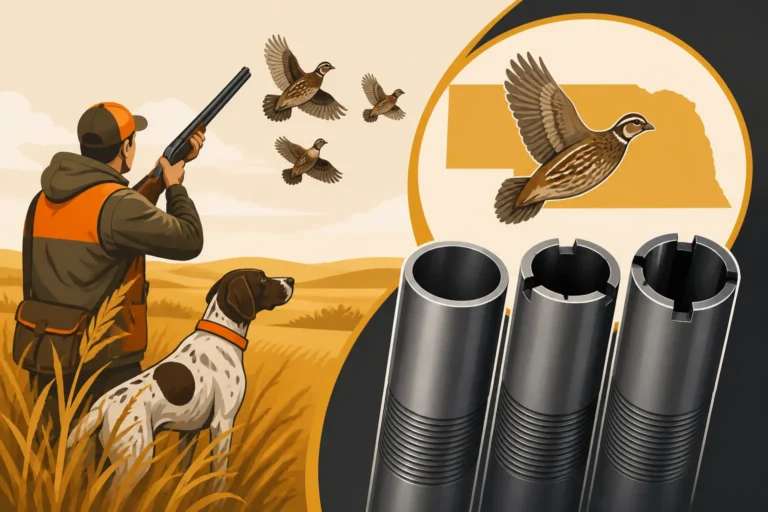
Steel shot is generally the most common and often the most affordable nontoxic option. Its performance has improved dramatically over the years, with advancements in wad technology and pellet coatings. For ducks, geese, and pheasants, modern steel loads are highly effective. Bismuth and tungsten alloys are typically more expensive but offer densities closer to or greater than lead, providing excellent energy retention and pattern density, especially at longer ranges or for larger birds. These can be particularly appealing for hunters who want to replicate lead's performance as closely as possible without the toxicity.
When you're looking to purchase your ammunition, plan ahead. Don't wait until the day before the season opens, especially if you're looking for specific shot sizes or brands of nontoxic shells. Checking with local sporting goods stores or online retailers well in advance is always a good practice. Tools like GoHunt can sometimes offer insights or connect you with resources that can help with planning your gear needs, though remember to check current inventory directly with retailers.
Here's a quick reference table to help visualize the requirements:
| Hunting Location | Species | Shotgun Shot Requirement | Notes |
|---|---|---|---|
| Federal Lands | Migratory Birds | Nontoxic | Always required. |
| (NWRs, WPAs) | Upland Game | Nontoxic | Always required for all shotgun hunting. |
| Small Game | Nontoxic | Always required for all shotgun hunting. | |
| State Lands | Migratory Birds | Nontoxic | Always required statewide. |
| (WMAs, SRAs) | Upland Game | Nontoxic | Always required for all shotgun hunting on WMAs/SRAs. |
| Small Game | Nontoxic | Always required for all shotgun hunting on WMAs/SRAs. | |
| Private Land | Migratory Birds | Nontoxic | Always required statewide. |
| Upland Game | Lead Permitted | Unless otherwise specified by landowner or local rule. | |
| Small Game | Lead Permitted | Unless otherwise specified by landowner or local rule. |
It's a small change to your gear, but it makes a huge difference for Nebraska's wildlife. Whether you're heading out to hunt ducks in the Nebraska Duck Season Zone 1 Dates or chasing pheasants in Walking Milo and Corn Stubble for Pheasants on a WMA, being prepared with the right ammunition ensures you're contributing to a sustainable hunting future. Always double-check current regulations from the Nebraska Game and Parks Commission, as rules can occasionally be updated. Knowing the rules and why they exist empowers you to be a more responsible and effective conservationist.
Disclaimer
This article is for general informational purposes only and does not constitute professional advice. Laws, prices and regulations vary by location and change over time. Consult a qualified professional for guidance on your specific situation.