How Many Acres Open Fields Has Added Since 2016
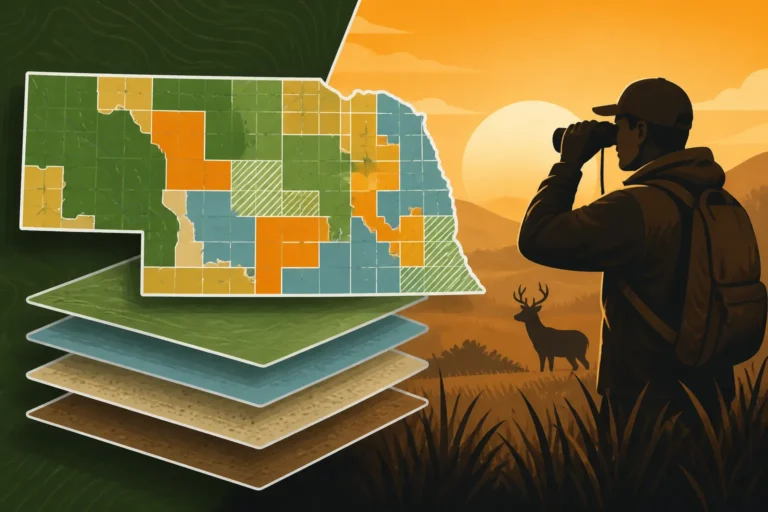
Finding quality hunting land in Nebraska can feel like an endless quest, especially for those of us who don't have extensive private land connections. The good news is that the Nebraska Game and Parks Commission's Open Fields and Waters (OFW) program has been a monumental success, significantly expanding hunter access across the state. This guide will delve into how the program has continuously added acres since 2016, opening up more diverse and plentiful opportunities for hunters just like you.
The Continuous Expansion of Nebraska's Open Fields and Waters Program
Since its inception, the Open Fields and Waters program has been a game-changer for public hunting access in Nebraska. However, the period since 2016 has marked a particularly notable era of sustained and strategic growth, significantly increasing the total acreage available to hunters. This isn't just a slight bump; it's a testament to dedicated efforts to secure more land and provide more opportunities.
A Steadily Growing Lifeline for Hunters
For many hunters, the OFW program is nothing short of a lifeline. It provides critical access to private lands that would otherwise be inaccessible, offering places to pursue deer, pheasants, turkeys, and waterfowl. Since 2016, the program has been in a phase of robust expansion, actively enrolling new landowners and diversifying the types of properties available. This isn't about giving you one static number for acres added; it's about acknowledging a continuous, upward trend. Every season, new tracts are added, offering fresh ground to explore.
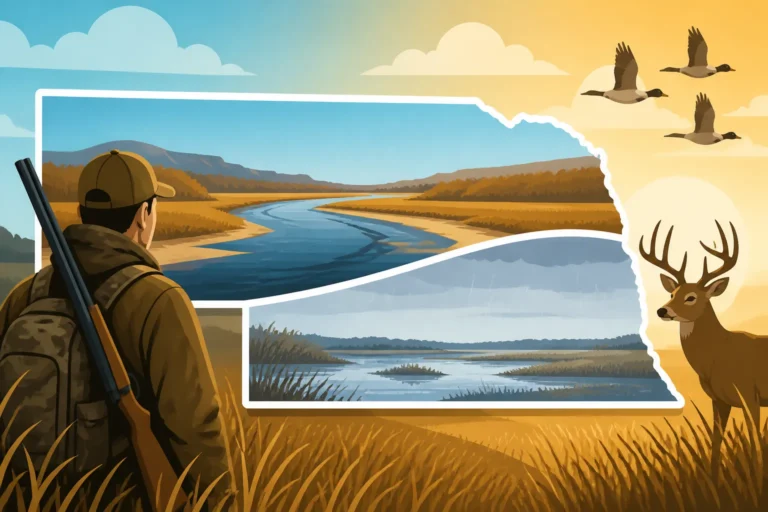
This expansion has brought a wider array of habitats into the public access fold. We've seen more traditional upland habitat like CRP fields and prime pheasant cover. But the growth isn't limited to birds. There's been a concerted effort to include more timbered river bottoms and creek corridors for deer hunters, as well as crucial wetlands and playas for those chasing ducks and geese. This steady influx of new ground means hunters have more options and less competition if they're willing to do a little scouting. It speaks to a long-term commitment by the state to enhance hunter opportunities where they are most needed.
Why This Growth Matters for Nebraska Hunters
The continuous addition of acres to the Open Fields and Waters program since 2016 is profoundly important for every hunter in Nebraska, whether resident or nonresident. In an era where private land access can be increasingly challenging to secure, OFW sites offer a reliable alternative. This expansion directly translates into more hunting opportunities, plain and simple. Imagine having hundreds, even thousands, of new acres to explore each year, acres that were previously off-limits.
This growth directly impacts the success rates and overall experience for hunters targeting various species. For upland bird hunters, more enrolled fields mean more chances to walk Walking Milo and Corn Stubble for Pheasants or hunt new shelterbelts for quail. For deer hunters, newly accessible creek bottoms or cedar draws provide fresh ground for Bowhunting Nebraska's Four-Month Archery Season or the Nebraska's Nine-Day November Firearm Deer Season. Waterfowl enthusiasts also benefit from additional wetland and field access for setting decoys. This strategic growth has helped mitigate the squeeze of development and agricultural practices that sometimes reduce available habitat. It’s about ensuring that Nebraska remains a premier hunting destination by expanding access, not just maintaining the status quo.
Understanding the Drivers Behind the Acreage Growth
The impressive expansion of the Open Fields and Waters program hasn't happened by accident. It's the result of a concerted effort involving landowners, state agencies, and the dedicated funding from hunters themselves. Understanding these drivers helps appreciate the value and resilience of the program.
Landowner Participation and Incentives
At the heart of OFW's success is the voluntary participation of Nebraska landowners. Farmers, ranchers, and other private property owners are the backbone of this program. Since 2016, the program has become increasingly attractive to them due to its flexibility and the fair incentives offered. Many landowners genuinely want to support hunting but may not want the hassle of managing individual requests for access. OFW offers a streamlined solution.
The program provides financial compensation to landowners for opening their property for public walk-in hunting. This payment, along with liability protection, makes enrollment a beneficial proposition. The flexibility also allows landowners to choose the types of hunting they want to allow, the duration of the agreement, and whether to open all or only portions of their property. This adaptability encourages diverse enrollment, from sprawling Sandhills ranches offering Prairie Grouse Hunting on Nebraska's Open Range to smaller family farms with prime whitetail habitat. The steady increase in landowner enrollment since 2016 underscores the mutual benefit this program provides.
Strategic Prioritization by Nebraska Game and Parks
While landowner interest is crucial, the Nebraska Game and Parks Commission (NGPC) plays a proactive role in guiding and prioritizing the growth of OFW acreage. Since 2016, there's been a strategic focus on expanding access in areas that offer critical habitat, connect existing public lands, or are traditionally underserved by public access. This isn't just about adding any acres; it's about adding valuable acres.
The Commission uses biological data and hunter feedback to identify priority areas. For instance, efforts might focus on securing more pheasant habitat in the heart of the state's pheasant range or expanding deer hunting opportunities along major river systems. The funds generated through the Nebraska Habitat Stamp are directly reinvested into programs like OFW, creating a sustainable cycle where hunter dollars fuel habitat improvements and access expansion. This strategic approach ensures that the added acres are not only numerous but also high-quality, maximizing the benefit for both wildlife and hunters.
The Tangible Benefits for Hunters on Expanded OFWs
The continuous addition of acreage to Nebraska's Open Fields and Waters program since 2016 translates into concrete, positive impacts for hunters. More land doesn't just mean more space; it means more diversity in hunting experiences and a better chance to find success.
More Diverse Hunting Opportunities
One of the most significant benefits of the expanded OFW acreage is the sheer diversity of hunting opportunities it presents. No longer are hunters confined to a handful of well-known public areas; the expanded program offers a vast mosaic of habitats. You might find a new parcel of tallgrass prairie perfect for Walking Nebraska Sandhills Meadows for Sharptails, or a newly enrolled cornfield edge that's ideal for Setting Up on a Nebraska Cornfield Edge for deer. This variety allows hunters to tailor their trips to specific species and hunting styles.
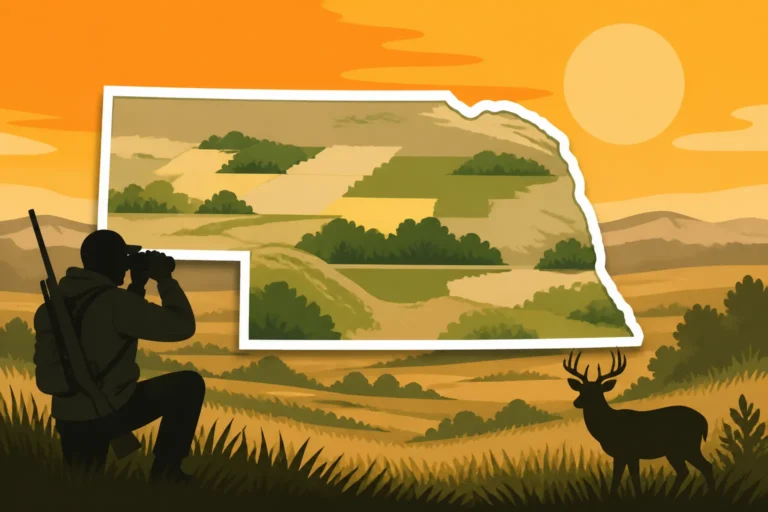
For example, waterfowl hunters have seen more access to crucial Rainwater Basin Wetland Access and harvested crop fields for Field Hunting Geese in Nebraska's Rainwater Basin. Deer hunters are finding new river bottom tracts where they can try Rattling and Grunting in Nebraska's Rut tactics. The sheer volume of new ground means there's always something fresh to explore. To really take advantage of this, savvy hunters are using mapping apps like onX Hunt to scout these new areas digitally, identifying promising cover, terrain features, and access points before they even set foot on the ground. These tools are invaluable for making the most of the ever-growing OFW opportunities.
Spreading Out Hunter Pressure
Another often-overlooked benefit of increased OFW acreage is the reduction and distribution of hunter pressure. When more ground is available, hunters naturally spread out, leading to a more enjoyable and often more productive experience for everyone. No one likes showing up to their favorite spot only to find multiple vehicles already there. The growth of OFW helps alleviate this congestion.
This means you might find a new, less-pressured corner of a large tract that holds a late-season rooster, or a secluded deer bedding area that's seen fewer boots. To truly capitalize on this, I always recommend studying The Nebraska Public Access Atlas thoroughly and checking for the latest additions before each season. Websites like GoHunt can also offer valuable insights into potential hunting areas and conditions, helping you identify those hidden gems among the expanded offerings. The more acreage that becomes available, the better the chances that you can find ground that truly sees fewer hunters, improving your odds and your overall outdoor experience.
Navigating and Respecting the Expanded Open Fields and Waters
With more Open Fields and Waters acres available across Nebraska, knowing how to find them and, just as importantly, how to behave on them, becomes crucial for every hunter. These lands are a privilege, and their continued availability depends on responsible use.
Essential Tools for Finding and Utilizing OFWs
The expanded footprint of the Open Fields and Waters program means there's more ground to discover, but you need the right tools to find it. The most critical resource is the annual The Nebraska Public Access Atlas. This comprehensive guide details all public and public-access lands, including every OFW tract. It's published annually and is your go-to for planning.
Beyond the printed atlas, digital tools are incredibly powerful. The Nebraska Public Access Atlas Mobile App is fantastic for in-field navigation, showing your location relative to public access boundaries. Many hunters also rely on third-party mapping applications like onX Hunt, which integrate public and private land boundaries directly onto detailed satellite imagery. These apps are indispensable for identifying entry points, confirming boundaries, and even scouting terrain features from afar. Always remember to download maps for offline use, especially if you're venturing into areas with spotty cell service in the Nebraska Sandhills or other remote regions. Checking Nebraska Area Closures before you head out is also a smart move, as conditions can change.
Being a Responsible Hunter on Expanded Access
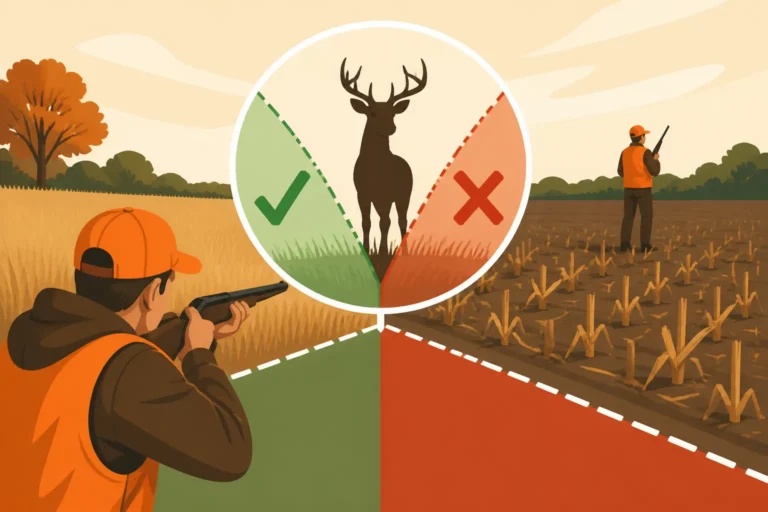
The continued success and growth of the Open Fields and Waters program hinge on hunters being responsible stewards of these lands and respectful guests to the landowners. Most OFW tracts are designated "Walk-In Only," meaning no motorized vehicles are allowed beyond designated parking areas. Understanding Walk-In Only Rules on Open Fields Tracts is paramount. This helps maintain the quality of the hunting experience and prevents damage to private property.
It's also essential to be aware of other rules specific to OFW, such as those governing Blinds and Stands on Open Fields Ground. Always pack out everything you pack in, and leave no trace of your presence. Respect property lines diligently; even a few feet over a boundary can create issues. Remember that a friendly, respectful demeanor goes a long way, especially if you encounter a landowner or neighboring property owner. By upholding a high standard of ethical conduct, we ensure that landowners remain willing participants in this invaluable program, allowing the acreage to continue growing for future generations of hunters.
| Type of OFW Access | Common Habitat Examples | Hunting Opportunities | Key Considerations |
|---|---|---|---|
| Upland Game | CRP, native prairie, milo/corn stubble | Pheasant, Quail, Grouse | Often walk-in only; check for dog restrictions. |
| Deer | River bottom timber, cedar draws, shelterbelts | Archery, Firearm, Muzzleloader Deer | Check unit regulations; stand/blind rules. |
| Waterfowl | Rainwater Basin wetlands, harvested crop fields | Ducks, Geese, Sandhill Cranes (viewing) | Nontoxic shot required; may have refuge zones. |
| River/Stream | Platte, Loup, Niobrara River access | Ducks, Geese, Fishing | Check for access points and boat launches. |
| Mixed-Use | Combinations of the above | Multiple species | Versatile, but still check specific rules for each tract. |
Disclaimer
This article is for general informational purposes only and does not constitute professional advice. Laws, prices and regulations vary by location and change over time. Consult a qualified professional for guidance on your specific situation.