Snow Goose Numbers in Spring Migration
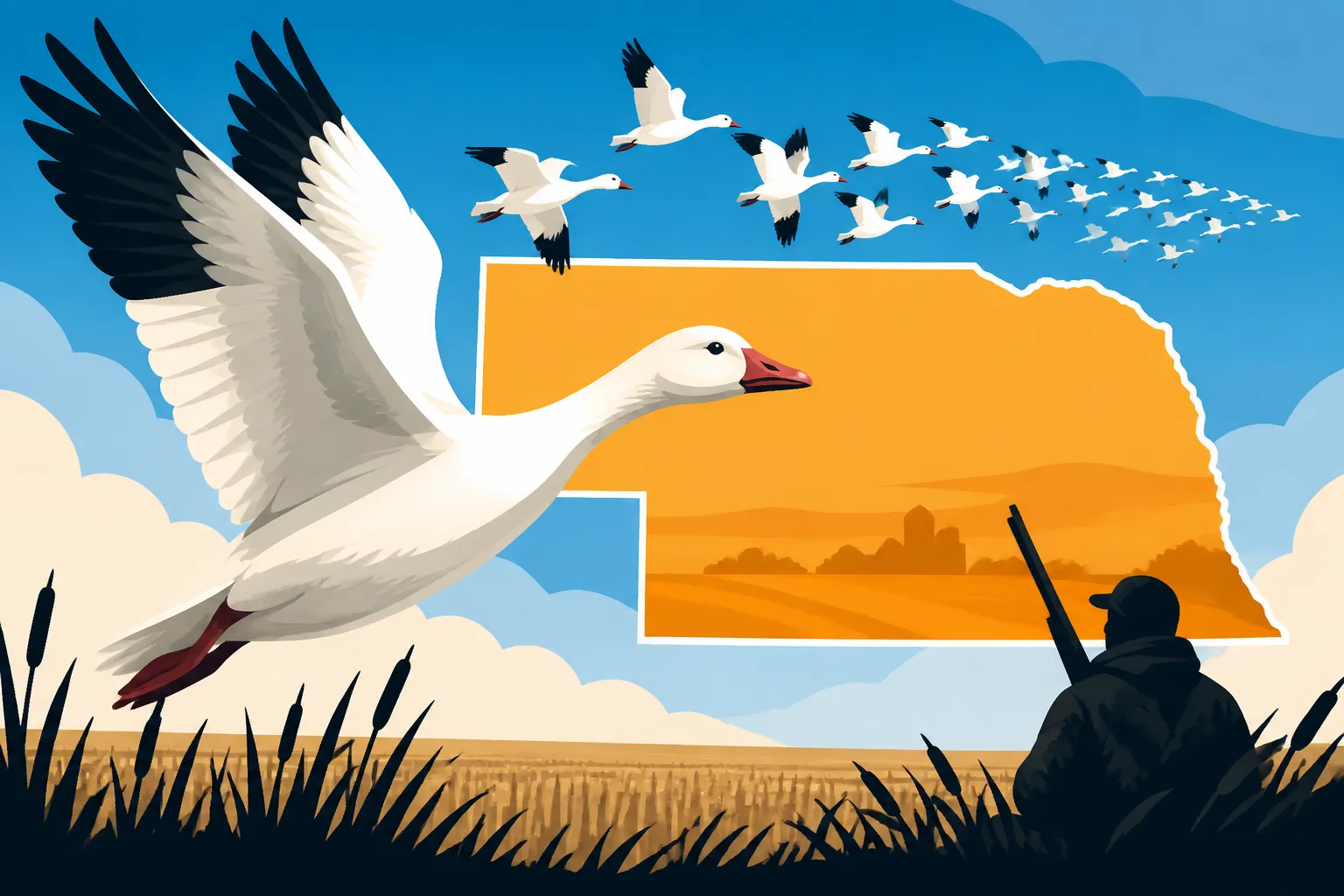
There's nothing quite like the sight and sound of a half-million snow geese swirling over the Nebraska landscape in spring. It's an overwhelming, awe-inspiring, and frankly, almost unbelievable experience. But for hunters and wildlife enthusiasts, trying to wrap your head around the sheer scale and movement of these birds can feel like counting individual snowflakes in a blizzard. This guide will help you understand the dynamics of snow goose numbers during their incredible spring migration through Nebraska, delving into what makes them so numerous and why they are such a unique part of our ecosystem.
The Immense Spectacle: Understanding Snow Goose Migration Numbers
When you talk about snow goose numbers during the spring migration through Nebraska, you're not talking about thousands, or even tens of thousands. You're talking about millions. These birds gather in concentrations that can literally darken the sky, creating a cacophony that echoes for miles. It’s a wildlife spectacle unlike almost any other, and it's something every hunter, birdwatcher, and nature lover in Nebraska should experience at least once.
Trying to get an exact, real-time count of these birds is a monumental task, bordering on impossible. Imagine standing in a field as wave after wave of geese lift off from a nearby wetland – how do you even begin to tally them? Wildlife biologists and conservation agencies employ various methods, from aerial surveys to ground counts, but these are always estimates. The sheer volume of birds, coupled with their constant movement between feeding grounds and roosts, means that any figure is a snapshot, not a precise census. However, these estimates are crucial for understanding population trends and informing management decisions, especially given the significant impact these large numbers can have on agricultural lands and sensitive Arctic breeding grounds.
The challenge isn't just counting them; it's comprehending the scope of their population. Snow geese, particularly the Lesser Snow Goose, have seen their populations boom over the last several decades. This population explosion is primarily attributed to changes in agricultural practices that have provided an abundant, reliable food source – waste grain – along their migration routes and in their wintering grounds. What was once a population limited by the availability of natural food in their southern ranges can now sustain massive numbers thanks to the bounty of the agricultural landscape. This abundance, while creating an incredible spectacle, also presents management challenges, as their immense numbers can lead to habitat degradation in their Arctic breeding grounds, impacting other wildlife species.
What Drives the Numbers: Factors Influencing Spring Migration
The massive numbers of snow geese passing through Nebraska each spring are influenced by a complex interplay of environmental factors, starting long before they even reach our state. Understanding these factors can help hunters predict movement and strategize their approach. It's not just a matter of "when the geese get here;" it's about why they get here in such numbers and what makes them move.
One of the primary drivers is, of course, the weather. Spring migration is a push-pull dynamic, driven by melting snowlines and warming temperatures to the north, contrasted with lingering cold and frozen water to the south. A strong south wind is a snow goose’s best friend, giving them a tailwind to conserve energy on their long journey. Conversely, a sudden cold snap or persistent north wind can stall the migration, sometimes concentrating birds in Nebraska for longer periods. If a huge cold front sweeps down, freezing up ponds and fields further north, those birds will be forced back, adding to the numbers already present in our state. On the other hand, an unusually warm winter and early spring can mean birds push through Nebraska quickly, reducing the peak numbers observed at any one time.
Food availability is another critical component. Snow geese are primarily grazers, and in Nebraska, that means they're after waste grain in harvested corn and soybean fields. The amount of waste grain left after harvest, combined with the accessibility of those fields (i.e., not covered in deep snow or mud), dictates how attractive an area is. Early spring thaws can make fields available sooner, drawing birds northward. When birds arrive, they need to refuel after their long flight. Fields with ample waste grain become key staging areas where they can fatten up for the next leg of their journey to the Arctic. Platforms like GoHunt can sometimes help hunters scout areas by providing satellite imagery that might reveal harvested fields or water bodies, offering a digital leg-up in understanding potential food sources, though direct scouting is always best.
Beyond weather and immediate food, long-term trends in breeding success in the Arctic play a significant role. If a breeding season was particularly successful, meaning a high percentage of goslings survived to fledge, those increased numbers will eventually swell the migratory flocks observed in subsequent years. Conversely, poor breeding seasons due to harsh weather or increased predation can lead to dips in the population. Over the last few decades, breeding success has generally been very high, contributing to the overall increase in snow goose populations across North America. This long-term trend, combined with abundant food on the migration corridor, means that even with annual fluctuations, the overall numbers moving through Nebraska remain substantial.
Nebraska's Crucial Role: The Rainwater Basin and Beyond
Nebraska, particularly the central and eastern parts of the state, plays an absolutely critical role in the spring migration of snow geese. Our state is situated right in the heart of the Central Flyway, and its unique landscape provides essential habitat for millions of birds on their journey north. Without places like the Rainwater Basin, these vast numbers of geese wouldn't have the critical refueling and resting stops they need to complete their epic migration.
The Rainwater Basin region of south-central Nebraska is, without exaggeration, a continental hotspot for migrating waterfowl, and snow geese are a huge part of that story. This area is characterized by thousands of shallow, temporary wetlands that fill with water from snowmelt and spring rains. These wetlands, surrounded by vast agricultural fields, offer the perfect combination of secure roosting sites and abundant food sources. Geese will pour into these basins by the hundreds of thousands, sometimes millions, transforming the landscape into a living, breathing tapestry of white and gray. The sheer density of birds here during peak migration needs to be seen to be believed. You can literally hear the rumble of their calls from miles away. Rainwater Basin Waterfowl Numbers provides more insight into the incredible diversity found here.
While the Rainwater Basin gets a lot of attention, and deservedly so, snow geese aren't confined to just that region. Other river valleys, like the Platte and Republican, and even smaller pockets of wetlands and flooded fields across the state, will host significant numbers of geese. Wherever there's open water for roosting and nearby harvested fields, you'll find snow geese. They are incredibly adaptable and will exploit any suitable habitat they can find. The mosaic of agricultural land and scattered wetlands across much of Nebraska makes it an ideal stopover for these birds. Hunters frequently use the Nebraska Public Access Atlas or mapping tools that are integrated with platforms like GoHunt to identify potential hunting spots, which might include both Rainwater Basin wetlands and private agricultural fields where permission has been secured.
The timing of their arrival and departure from these key Nebraska staging areas is also a fascinating aspect of their migration. Typically, the first major pushes of snow geese begin to arrive in late February, with peak numbers often occurring in mid-March. However, this can fluctuate wildly depending on the weather conditions both north and south of us. If the weather breaks early and stays mild, birds may push through faster. If a late winter storm hits, they might linger longer, concentrating in even greater numbers. This variability is what makes spring snow goose hunting both challenging and incredibly rewarding. For waterfowl hunters, understanding the seasonal shifts in these key areas is paramount to success, as explored in articles like Decoy Spreads for Rainwater Basin Geese and Rainwater Basin Wetland Access.
Managing the Masses: The Light Goose Conservation Order's Impact
The booming population of snow geese, particularly the Lesser Snow Goose, presented a significant conservation challenge in the late 20th century. While it might sound counterintuitive to talk about "too many" birds, the sheer numbers were causing serious habitat degradation in their fragile Arctic breeding grounds. This environmental concern led to the implementation of the Light Goose Conservation Order, an unconventional hunting season designed to help manage these burgeoning populations.
The Light Goose Conservation Order, often just called the "Conservation Order," is unique because it allows for expanded hunting opportunities outside of traditional waterfowl seasons. In Nebraska, this means hunters can pursue snow geese (including Ross's geese, often lumped in with snow geese due to similar habits) with fewer restrictions, such as extended seasons, no daily bag or possession limits, and the use of unplugged shotguns and electronic calls. This aggressive management strategy aims to increase harvest rates to slow population growth and reduce the strain on Arctic ecosystems. It's a direct response to the concern that without intervention, these geese could severely impact the vegetation that other Arctic species, including other waterfowl, rely upon for nesting and survival. You can learn more about this in When the Snow Goose Conservation Order Runs.
The impact of the Conservation Order on snow goose numbers is a topic of ongoing study and debate among wildlife biologists. While hunting pressure has certainly increased, the vastness of the snow goose population and their high reproductive rates mean that even with liberalized hunting, it's a monumental task to significantly reduce their numbers. The goal isn't necessarily to eradicate them, but rather to stabilize or modestly reduce the population to a level that is more sustainable for their breeding habitat. Hunters participating in this season are directly contributing to a larger conservation goal, which adds a unique dimension to the experience. Tactics like those discussed in Nebraska Light Goose Conservation Order Tactics are critical for maximizing success in this unique season.
Participation in the Conservation Order fluctuates annually, influenced by hunter interest, weather conditions, and how readily accessible the birds are. While hunting plays a role, natural factors like severe weather events on the breeding grounds or disease outbreaks (like avian influenza, which can be explored in Avian Influenza in Prairie Waterfowl) can also significantly impact overall population health and numbers. However, the Conservation Order remains a primary tool in the effort to maintain ecological balance in the face of such a successful and prolific species. The ongoing monitoring of Snow Goose Numbers in Spring Migration helps guide these management decisions and adapts strategies as needed to ensure the long-term health of both the geese and their habitats.
| Factor Affecting Snow Goose Numbers | Impact on Spring Migration | Hunter Relevance |
|---|---|---|
| Arctic Breeding Success | Dictates overall population size in subsequent years | Indicates general abundance/scarcity for future seasons |
| Southern Wintering Conditions | Influences bird health, timing of initial push north | Predicts the strength of early migration waves |
| Nebraska Weather Patterns | Controls pace and staging duration (e.g., cold fronts concentrate, warm fronts disperse) | Crucial for real-time hunt planning and scouting |
| Waste Grain Availability | Determines attractiveness of specific feeding areas | Identifies prime hunting locations; scouting is key |
| Rainwater Basin Water Levels | Provides critical roosting habitat; high levels attract more birds | Dictates which wetlands are active roosts and accessible |
| Light Goose Conservation Order | Aims to increase harvest, influencing population growth | Defines season length, limits, and allowed methods for hunters |
Disclaimer
This article is for general informational purposes only and does not constitute professional advice. Laws, prices and regulations vary by location and change over time. Consult a qualified professional for guidance on your specific situation.