What the Berggren Plan Set Out to Do
For years, many of us who chase roosters across Nebraska's prairies have felt that disheartening trend: fewer flushes, quieter coverts, and days that demand more walking for less reward. It's a tough pill to swallow when you remember the glory days. This feeling of decline wasn't just anecdotal; it was reflected in the data, prompting a serious look at how to reverse the course for our beloved ring-necked pheasants. This guide dives deep into the Berggren Plan, exploring exactly what it was designed to accomplish and the vision behind its creation to bring back the birds.
The Shrinking Feathered Horizon: Why Nebraska's Pheasants Needed a Plan
Let's be honest, if you've been hunting pheasants in Nebraska for any length of time, you've witnessed the changes firsthand. The sheer numbers of birds we saw a few decades ago often feel like a distant memory. It's frustrating to put in the scouting, buy the Nebraska Small Game Permit Cost, and walk mile after mile only to come up short. This isn't just bad luck; it's a reflection of significant shifts in the landscape and agricultural practices that have profoundly impacted pheasant populations.
We've seen a noticeable Nebraska's Pheasant Population Decline over the years, a trend that gnaws at the heart of every upland hunter. It's not just a Nebraska thing, but it certainly hit us hard. The birds need diverse habitat, a mosaic of nesting cover, brood-rearing areas, and winter thermal protection, all ideally close to reliable food sources. As agricultural efficiency increased, many of the marginal lands that once provided this critical habitat were converted, simplified, or lost entirely. Fields got bigger, fencelines disappeared, and those odd corners of weeds and brush that once held pheasants were tidied up.
Think about the places where pheasants thrive: undisturbed grasslands for nesting, weedy forb-rich areas for chicks to find insects, and dense cover like cattail sloughs or cedar breaks to escape harsh winter weather. When these elements are fragmented or removed, the birds struggle to complete their life cycle. The decline wasn't a sudden crash, but a slow erosion of suitable living spaces that added up year after year, impacting everything from nesting success to winter survival. It created a situation where hunters were constantly searching for those ever-dwindling pockets of good cover.
The Vision: What the Berggren Plan Aimed to Achieve
Faced with this stark reality of declining pheasant numbers and a deeply concerned hunting community, the Nebraska Game and Parks Commission (NGPC) recognized the need for a comprehensive, strategic intervention. They understood that simply tweaking season dates or bag limits wasn't going to fix the core habitat problem. What was needed was a bold, long-term commitment. This commitment coalesced into what became known as the Berggren Plan.
At its heart, the Berggren Plan aimed to do one fundamental thing: restore and enhance pheasant habitat across Nebraska, thereby reversing the population decline and boosting hunter success. It wasn't just about putting more birds on the landscape; it was about ensuring the sustainability of the pheasant resource for future generations. The plan recognized that improving pheasant habitat would also benefit numerous other wildlife species, creating a ripple effect across the ecosystem. This holistic approach acknowledged that healthy ecosystems lead to healthy wildlife populations.
Specifically, the plan set out to increase the quantity and quality of pheasant habitat in key regions of the state. It focused on creating a "habitat highway" – interconnected parcels of prime cover that birds could utilize throughout the year. This meant concentrating efforts where they would have the most impact, working with landowners, and leveraging various conservation programs. The goal was to provide the food, nesting cover, brood-rearing cover, and winter cover that pheasants desperately needed to thrive. It wasn't a quick fix, but a sustained, deliberate effort to reconstruct the missing pieces of the pheasant puzzle.
How the Plan Proposed to Get There: Key Strategies and Initiatives
To achieve its ambitious goals, the Berggren Plan wasn't just a wish list; it was a carefully crafted strategy with several core components designed to tackle the habitat issue head-on. It involved a multi-pronged approach that recognized the complexity of the challenge and the need for collaboration.
Prioritizing Focus Landscapes
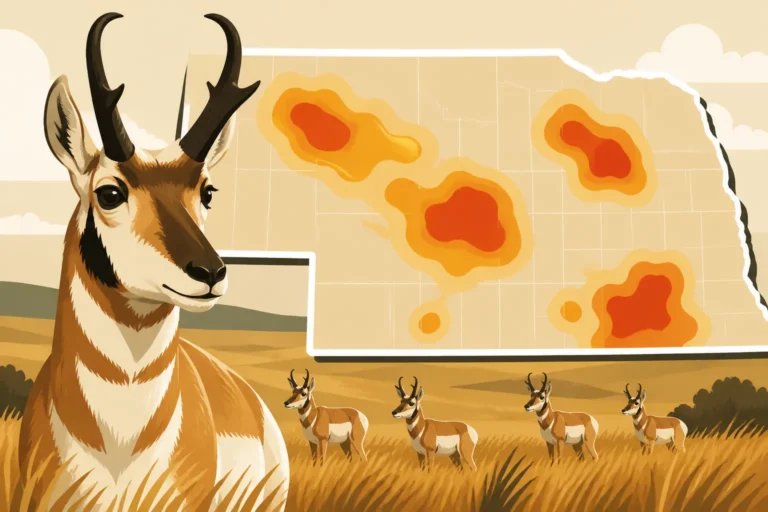
One of the most critical aspects of the Berggren Plan was its strategic focus on specific geographical areas. Rather than scattering efforts thinly across the entire state, the plan identified "focus landscapes" – regions with the greatest potential for pheasant recovery based on existing habitat, land use patterns, and historical pheasant strongholds. By concentrating resources in these areas, the plan aimed to create large, interconnected blocks of quality habitat, maximizing the impact of every conservation dollar and every acre improved. This allowed for more efficient use of funds and personnel, leading to more tangible results in areas where pheasants could truly rebound. Understanding where these focus landscapes are can be incredibly helpful for hunters who want to scout Berggren Focus Landscapes in Nebraska themselves.
The idea here was simple: a small patch of good cover in an otherwise barren landscape won't hold many birds, and any birds it does hold will struggle. But if you connect many patches, creating a larger, more resilient habitat network, then pheasant populations have a much better chance of thriving. This meant working intensely with landowners in these select areas to implement habitat projects. It also meant leveraging existing public access areas and enhancing them where possible.
Collaborating with Landowners and Programs
The vast majority of Nebraska's land is privately owned, which meant that any successful pheasant recovery plan absolutely had to involve landowners. The Berggren Plan placed a heavy emphasis on voluntary private land habitat programs, providing incentives and technical assistance to farmers and ranchers willing to implement conservation practices on their property. This included programs focused on establishing diverse native grass stands, creating food plots, restoring wetlands, and managing existing cover. Many of these efforts directly supported or complemented federal programs like the Conservation Reserve Program (CRP), which plays a vital role in providing CRP Acres and Nebraska Bird Numbers.
The plan also sought to improve and expand public access for hunting where habitat work was occurring, making the fruits of these labor-intensive efforts available to hunters. Programs like Nebraska's Open Fields and Waters Program are crucial in this regard, as they provide access to private lands that have been enhanced for wildlife. For hunters, knowing which areas are part of such programs is key. When you're using tools to scout for these areas, or trying to piece together the local habitat picture, looking at aerial imagery and land use can give you clues. Even if a mapping application like GoHunt doesn't explicitly mark "Berggren Plan" acres, it can show you large blocks of grass, CRP fields, or wetland features that align with the plan's goals.
Investing in Habitat Practices and Research
Beyond simply identifying areas and engaging landowners, the Berggren Plan called for specific, proven habitat management practices. This wasn't about guesswork; it was about implementing science-backed strategies. These practices included planting diverse native warm-season grasses and wildflowers to create ideal nesting and brood-rearing cover, establishing effective winter cover like tall switchgrass or dense woody strips, and creating food plots that provide crucial sustenance during lean months. The plan also supported research into Nebraska pheasant population estimate and habitat effectiveness, ensuring that efforts were continually evaluated and refined.
This approach understood that pheasants need more than just one type of cover; they need a sequence of habitats that meet their needs throughout the year. Nesting cover in spring, insect-rich brood cover for chicks in summer, escape cover from predators, and robust thermal cover to survive harsh Nebraska winters. The plan sought to create this full life-cycle habitat. For instance, creating dense cattail sloughs isn't just good for winter birds, it also provides excellent cover for Working a Cattail Slough in January. These diverse habitat needs are why single-species management often fails; a healthy landscape for pheasants benefits much more.
Evaluating Progress: Early Impacts and Ongoing Challenges
So, after all this effort, has the Berggren Plan worked? It's a question many hunters ask, often with a mix of hope and skepticism after years of declining bird numbers. The truth is, habitat restoration is a long game, not a quick win. Like tending a garden, it takes consistent effort, adaptation, and patience.
Visible Improvements and Hunter Engagement
One of the undeniable successes of the Berggren Plan has been the increased awareness and engagement around pheasant habitat. It brought the issue to the forefront for hunters, landowners, and conservation organizations alike. You can see tangible results on the ground, especially in those identified focus landscapes. There are more acres of managed grasslands, more strategic food plots, and a greater emphasis on creating winter cover than before the plan was initiated. These aren't always massive, easily identifiable tracts, but often smaller, critical additions that collectively make a difference. Many hunters, especially those who diligently scout new areas with the Public Access Atlas, report finding improved habitat within these focus regions. Tools like GoHunt can help hunters visualize these habitat changes, though direct "Berggren Plan" mapping might not be available, the underlying improvements in land cover, such as new grass plantings or wetland restorations, are often visible.
While Nebraska Pheasant Numbers Today are still subject to many variables like weather (especially Spring Rain and Pheasant Nesting and Winter Weather and Pheasant Survival), there's a consensus that the plan has laid a crucial foundation for recovery. It provided a framework for consistent investment in what truly matters: the places where pheasants live. It also spurred significant partnerships, bringing together various groups to pool resources and expertise, which is vital for sustained conservation success.
Facing Persistent Hurdles
Despite these positive developments, the Berggren Plan, and pheasant conservation in general, continues to face significant challenges. The sheer scale of habitat loss over decades is immense, and reversing it takes time and continued funding. Economic pressures on agriculture mean that land is constantly in demand for crop production, making it difficult to convert acres back to permanent cover. Maintaining landowner enrollment in voluntary conservation programs also requires ongoing effort and competitive incentives.
Additionally, factors beyond habitat directly influence pheasant numbers. Predation, disease, and weather extremes all play a role. A harsh winter can decimate populations regardless of excellent habitat, and severe spring floods can wipe out nests. The ultimate goal of the plan, as outlined in What the Berggren Plan Set Out to Do, was always a long-term commitment. It requires continuous funding, dedicated personnel, and the ongoing willingness of landowners and hunters to support habitat work. The journey to bring back robust pheasant numbers is far from over, but the Berggren Plan provided a vital roadmap and a renewed sense of purpose for those committed to the cause.
Here’s a snapshot of the general focus areas before and during the implementation of the Berggren Plan:
| Aspect | Before Berggren Plan (General Approach) | During Berggren Plan (Targeted Approach) |
|---|---|---|
| Habitat Focus | Reactive, often localized, general programs | Proactive, strategic focus landscapes |
| Landowner Role | Participation in broad federal programs | Targeted outreach, tailored incentives, technical aid |
| Conservation Scale | Fragmented efforts, sometimes isolated | Concentrated, interconnected habitat blocks |
| Primary Goal | Mitigate habitat loss | Actively restore and expand pheasant habitat |
| Engagement | Moderate hunter/landowner awareness | Increased public and private land engagement |
The efforts under the Berggren Plan continue to evolve. It's an ongoing process of learning, adapting, and striving to give the pheasants of Nebraska the best chance to thrive once again. As hunters, staying informed and supporting these initiatives, whether through habitat stamp purchases or direct involvement, is how we contribute to the future of our sport.
Disclaimer
This article is for general informational purposes only and does not constitute professional advice. Laws, prices and regulations vary by location and change over time. Consult a qualified professional for guidance on your specific situation.